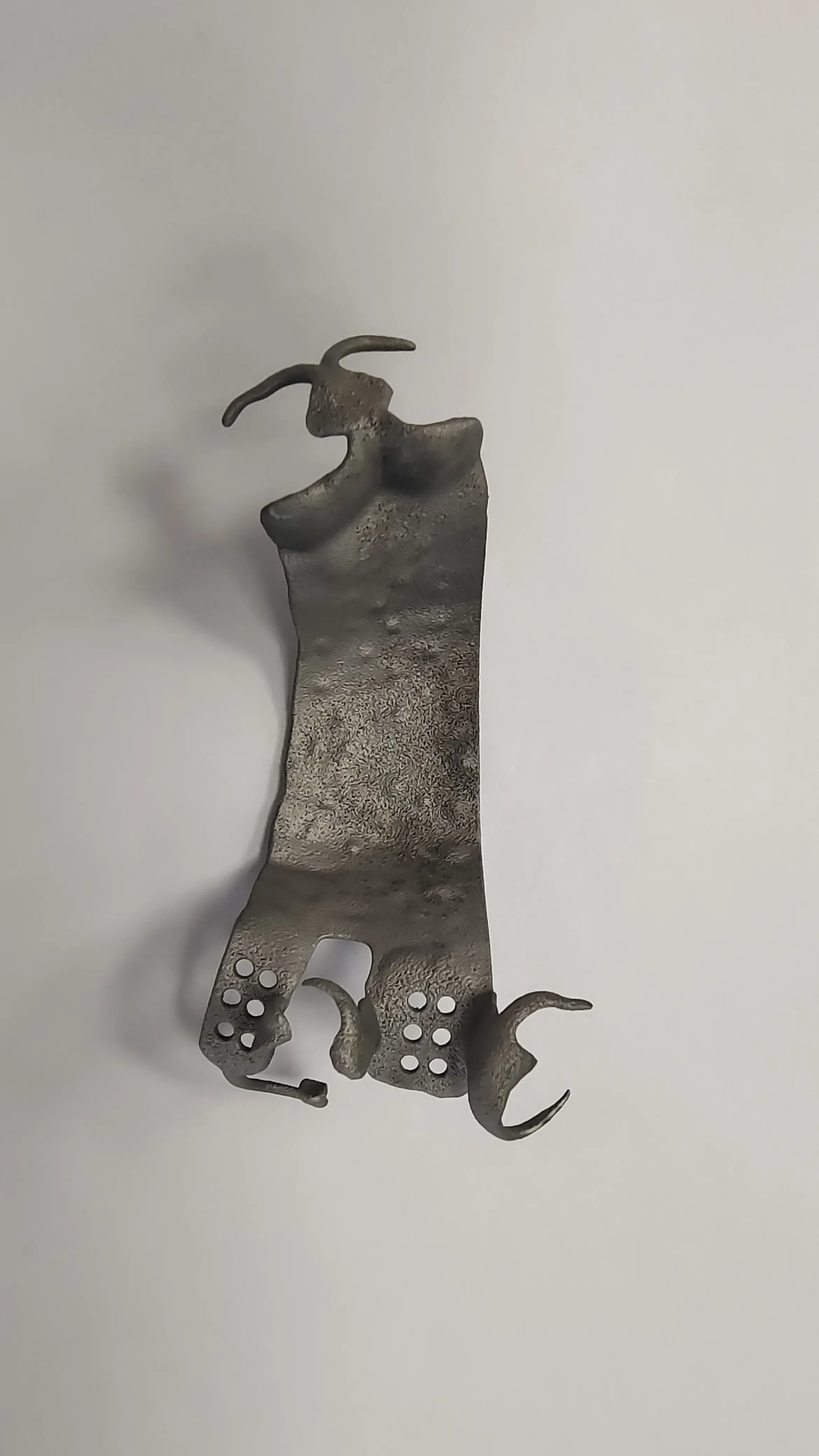
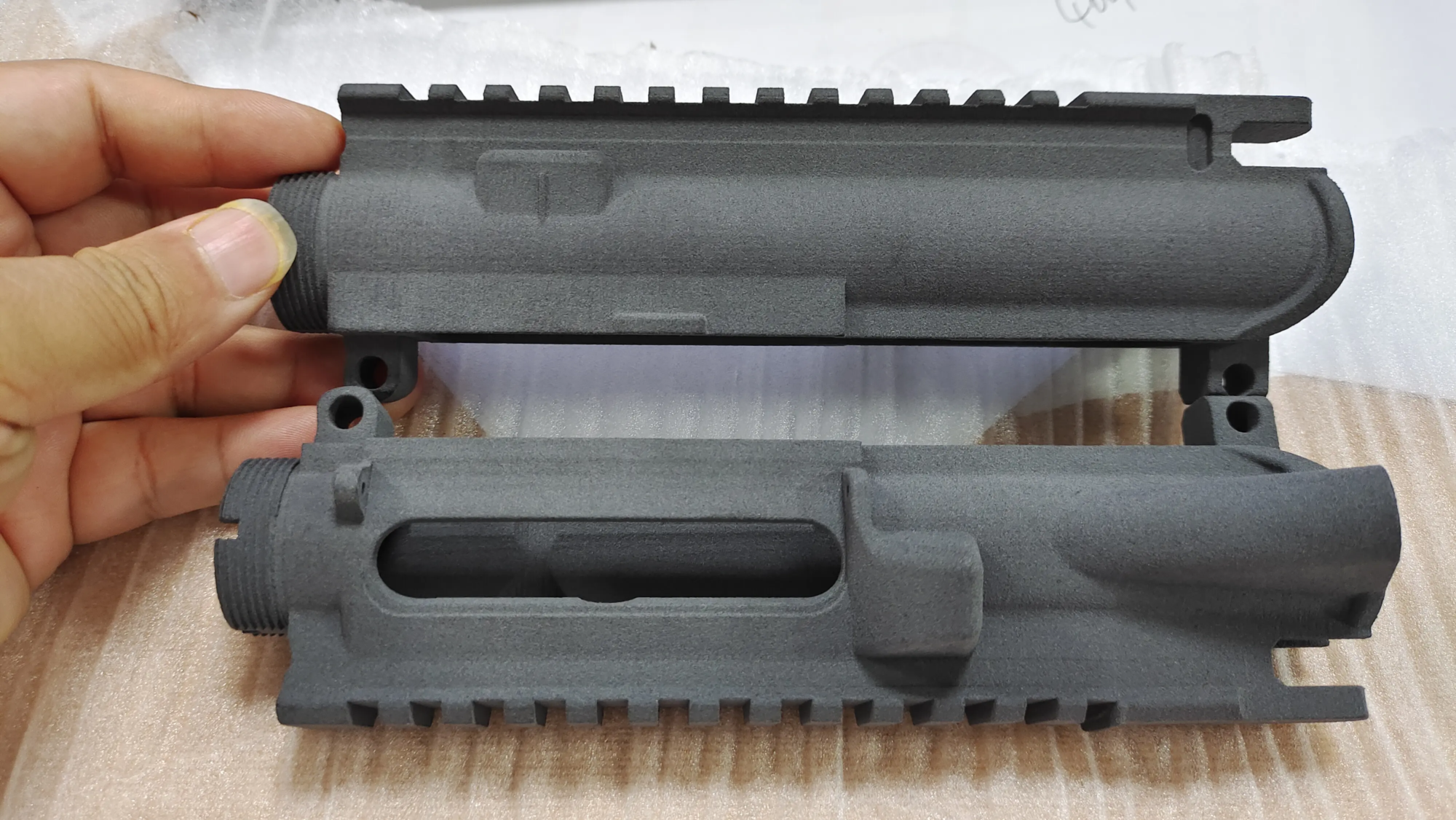
Transforming thoughts into reality: The power of 3D printing in modern manufacturing
The manufacturing landscape has undergone an earthquake shift, moving from traditional restrictive approaches to agile, innovative solutions. The core of this transformation is 3D printing (additive manufacturing)The technology of constructing complex three-dimensional objects layer by layer from digital models. Unlike subtraction methods of engraving materials, such as CNC machining, 3D printing can add materials accurately, minimizing waste and unlocking unprecedented design freedoms. For businesses looking for rapid prototypes and high-performance end-use parts, this technology is no longer novel – a strategic priority.
Deep diving: Metal 3D printing and selective laser melting (SLM)
Although various 3D printing technologies (FDM, SLS, SLA) exist, Metal 3D printingspecial Selective laser melting (SLM)stands out in creating rugged, functional and highly complex metal components. SLM is a powder bed fusion technology designed for metals such as titanium, aluminum, stainless steel, inconel and even custom alloys.
How SLM works:
- Digital design and slice: 3D CAD model cuts the numbers into ultra-thin layers.
- Powder bed preparation: Thin fine metal powder was spread on the construction platform.
- Laser Fusion: High power precision lasers scan powder beds according to the sliced design, selectively melting (fully fusing) the fusing of metal particles in each layer.
- Stacking layer by layer: The construction platform is reduced, the application of new powder layers and the laser melting process is repeated. This continues until the entire part is completed.
- Post-processing: After construction, this section undergoes critical post-treatment steps: removal from the build platform, removal of excess powder (deletion less), and frequent heat treatment (stress relief, solution annealing, aging) for optimal material properties and stability.
Why SLM is great for rapid prototyping:
- No compromise complexity: Complex geometry, internal channels (such as conformal cooling paths), lattice structure and topological optimization (impossible to use machining) become feasible and effective.
- Functional prototype: SLM parts are made of actual engineering grade metal, which means that the prototype can tolerate rigorous functional testing in the real world – test form, fit, and Simultaneous function. This greatly reduces the risk of downstream design failures.
- speed: Bypassing the demand for complex tools (molds, deaths) accelerates the iteration cycle. Design modifications can be printed digitally and quickly, cutting lead times from weeks or months to days.
- Material efficiency: Compared to the processing of solid blocks, the smallest waste is the smallest, especially expensive aerospace/grade metals, which are crucial.
- Parts merge: Converting assembly of multiple traditionally manufactured parts into a single printed assembly reduces assembly time, potential points of failure and inventory.
Beyond Printing: The Key Role of Post-processing in Metal AM
The original SLM parts on the build board are powerful, but rarely end up. Achieve optimal mechanical properties, dimensional accuracy and aesthetic results require experts Post-processing. Many adventures stumble upon this without a suitable partner. Key post-processing steps include:
- Support removal: Carefully remove the sacrificial support structure used during the printing process.
- Relieve stress: Heat treatment is used to reduce internal stresses generated during rapid heating and cooling of the SLM process.
- Heat treatment: Operations such as heat, etc. (HIP) can eliminate internal porosity and significantly improve fatigue life. Solutions to anneale and age custom-made microstructures of specific alloys (e.g., aluminum, inconel).
- Surface finish: Options range from basic bead blasting of textures to advanced CNC machining for precise tolerances, polishing, electrochemical polishing for smoothing, coating or painting.
- Precision machining: Key features that require exceeding standard SLM functions beyond the surface surface surface surface often require subtraction of CNC machining integration.
Why Greatlight 3D is your ideal rapid prototyping partner
As a leading professional rapid prototyping manufacturer headquartered in China, GRESTLIGHT 3D Leverage advanced SLM technology and deep production expertise to solve your most challenging metal component prototypes and production problems. We understand that rapid prototypes are not just speed, but delivery Functional high-fusion parts validate your design and accelerate your innovation cycle.
Our core strengths:
- The cutting-edge SLM fleet: We invest in the latest industrial-grade SLM 3D printers to ensure consistent quality, high resolution, and the ability to handle large or complex versions.
- Material versatility: We cooperate with various standard metals (stainless steel, titanium, aluminum, inconel, cobalt-chrome, tool steel) and provide Customizable material solutions Customized according to specific application requirements (mechanical, thermal, corrosive).
- Comprehensive post-processing: Greghime provides A real one-stop shop. Our internal features cover expert support for deletion, a full range of heat treatment processes (pressure relief, hip, annealing) and a wide range of finish options (CNC machining, grinding, polishing, polishing, coating, coating, anodizing, electropolishing). This holistic approach ensures that parts can be functionally tested or end-use when leaving our facility.
- In-depth application knowledge: Our team has extensive experience in demanding areas Aerospace, automobiles (including motorsports), medical equipment, industrial machinery and energy. We understand each unique challenge and regulatory nuance.
- Speed and accuracy: We are good at effectively navigating the complexity of metals, balance Quick turnaround time For strict prototyping Dimensional accuracy and mechanical properties requirements It is crucial to your success.
- Cost-effective customization: Leveraging China’s manufacturing ecosystem and technological scale, we provide extraordinary value without compromising quality, making high-performance rapid prototyping accessible.
Choose Greatlime not only to choose suppliers; it chooses one dedicated to Make your most ambitious designs manufactured, reliable and economically viable.
Conclusion: Unlock innovation with the right partners
3D printing, especially metal SLM, revolutionized product development and manufacturing. It enables engineers to get rid of traditional constraints, faster, smarter prototypes, and create parts that drive performance boundaries. However, leveraging this feature requires not only machines. it takes From design consultation to final completion, expertise, full support, and commitment to quality throughout the process chain.
Greglight 3D embodies this holistic approach. By combining state-of-the-art SLM capabilities with deep technical knowledge, extensive material selection and unparalleled post-processing services, we not only provide fast prototypes. We deliver confidence – Confidence in your designs that will be performed, confidence in the timeline and confidence in your work with one of the world’s leading rapid prototyping experts. Don’t let complex geometry or pressing deadlines hinder innovation.
Let’s build your ideas faster and smarter. Contact Greatlight 3D for consultation today and let us transform your vision into a tangible, high-performance metal reality.
Frequently Asked Questions about 3D Printing and Greatlight 3D Services (FAQs)
Q1: What exactly is it "Rapid prototyping"?
one: Rapid prototyping refers to the technology used to quickly create physical prototypes directly from 3D CAD data. 3D printing (particularly SLM) is a core approach. Its main goal is to accelerate the design iteration and testing phases, faster and more cost-effective verification than traditional manufacturing methods allow for concepts in the early stages.
Q2: What benefits does SLM provide over other metal 3D printing methods?
one: SLM offers several advantages:
- Full density: Produces nearly dense metal parts (usually > 99.5%) with excellent mechanical properties close to forged materials.
- complex: Excellent in highly complex geometric shapes, undercuts and internal features.
- Material strength: It results in parts with high strength and fatigue resistance, suitable for demanding applications.
- Smooth finish (compared to other metal powder processes): Provides excellent scale surfaces (although still required to be done).
Q3: Which metals can be 3D printed using SLM Greatlight?
one: We regularly handle a wide range of stainless steel (316 liters, 17-4ph, 15-5ph), titanium alloys (Ti6al4v, cp-ti, ti64 eli), aluminum alloys (Alsi10mg, scalmalloy), nickel-based Superaloys (Inconel 625, inconel 625, shastelloy, shastelloy, shastelloy, shastelloy, shastelloy x), cocr x), cox). We also use custom material specifications upon request.
Q4: What post-processing services are usually required for SLM parts?
one: The basic steps almost always include Support deletion and Stress relief/heat treatment (e.g. the hip of a key application). Based on part functional and aesthetic requirements, additional finishes such as CNC machining (for key features/tolerances), surface grinding, polishing, bead blasting, anode type or coating are applied. Greglight offers all of these services internally.
Q5: Can Greatlight provide custom metal prototypes with speed?
one: Although a specific schedule depends on the complexity, size, material and post-processing requirements of the part, Greatship excels at Quick turnaround. Typical delivery time range from 3 to 10 working days For most prototypes after designing frozen, this is thanks to our streamlined processes and dedicated production capabilities.
Question 6: Can Greatlight handle production parts, not just prototypes?
one: Absolutely. While rapid prototyping is a core strength, SLM is increasingly used in the final production parts, especially for complex low to medium volume components. Our capabilities and strict quality control seamlessly extend to short-term and continuous generation.
Question 7: How to ensure the quality and repeatability of parts?
one: Quality and repeatability are crucial. We pass:
- Controlled metallurgical process (parameters for each material verification).
- Advanced monitoring system during process.
- Strict powder handling and material traceability scheme.
- Comprehensive post-treatment (critical heat treatment).
- Advanced quality control equipment (CMM, spectrometer, tensile testing function).
- Experienced metallurgical and process engineers oversee production.
Question 8: How cost-effective is SLM compared to CNC machining?
one: Cost-effectiveness depends largely on the geometry and volume of the part. For highly complex parts, especially internal functions or combined components, SLM often becomes More cost-effective Compared to CNC machining (because of reduced setup, less material wasted, eliminating complex tools). For simple geometry or large capacity, CNC machining may still be the first choice. Greatlight provides expert guidance on the most effective and economical manufacturing routes for your project.
Q9: What file format do I need to provide?
one: Standard CAD format .Step (.stp) or .iges (.igs) Quotes and production are preferred because they contain the necessary 3D geometric data without the need for proprietary software dependencies. We also accept native CAD formats with previously arranged.
Q10: How do I start with a custom rapid prototyping project from Greatlight?
one: Simply visit our website or contact our engineering team directly. Provide your 3D CAD files along with detailed information about your project (material preferences, quantity, application, critical requirements – for example, surface surfaces, tolerances, any specific test). Our experts will promptly review your requirements, provide design feedback if needed, and provide a comprehensive quote and schedule. We are committed to making your prototyping journey fast and seamless.