Unlocking the power of 3mm wire: Your required 3D printing guide
Remember the early days of desktop 3D printing? Most likely, the spool of thick, sturdy 3mm filament was rotated next to the printer. In recent years, 1.75mm diameter wire has dominated the consumer market, but 3mm thin wire remains a powerful tool, especially for specific applications and industrial workflows. Let’s dive into the world of 3mm filament – its advantages, challenges, ideal uses and how to leverage its potential.
What exactly is 3mm thin filaments?
In short, 3mm filaments (sometimes called "3mm," Although technically, while minor production changes and preventing jams from getting close to 2.85mm or 2.9mm, the plastic raw material is thicker for Fusion Filt Manufacturing (FFF) or Fusion Deposition Modeling (FDM) 3D printers. It enters the hot end of the printer, where it melts and deposits layer by layer to create an object.
Thickening effect: Why choose 3mm thin filaments?
- Higher flow rate: Larger cross-sectional areas allow more material to flow through the hot end per second. This translates directly into potentially faster printing times, especially for large capacity low-detailed parts such as prototypes, large functional components or tools. This efficiency shines when time is a rapid prototype of currency.
- Reduced grinding risk (in Bowden setup): On printers using Bowden extruders (where the extruder motor is away from the hot end, pushing the filament through the pipe), if the hot end pressure is too high, thinner filaments (1.75mm) are more likely to bend and chew by the extruder gear. The 3mm filaments are significantly stiffened in the axial direction and have greater resistance, resulting in a smoother operation in these settings.
- Mechanical robustness: The thicker diameter makes the wire itself fragile during handling and loading, thus reducing the chance of bending only.
- Heritage and Industrial Preferences: Many older printing machines and many industrial grade FFF machines are clearly designed for 3mm filaments. For users operating this device, 3mm is the standard and reliability is usually selected in demanding production environments.
Disadvantages: Why is 1.75mm the center stage?
- Compatibility and availability: The vast majority of modern consumer and manufacturer printers are specially designed for 1.75mm filament. Looking for New Supporting 3mm printers requires more effort. As demand changes, the availability of material selection (color, featured silk) and 3mm is significantly reduced, while 1.75mm is significantly reduced.
- Less response rate: Due to its increased stiffness and mass, it is more challenging to retract 3mm silk than 1.75mm. This often results in more obvious strings and ooze between printed parts or traveling actions.
- Lower accuracy potential: It is inherently more difficult to quickly change material flow (such as starting/stop for details) because it is prepared to prepare a large amount of molten material in the melt area. This makes the printing details and complex models clearer on 3mm, rather than 1.75mm.
- Waste materials: If printing fails or needs to stop, more material is usually lost in the Bowden tube (if used) and the melt area, which is 1.75mm.
3mm vs. 1.75mm: The key difference in exposure
- Material flow: 3mm offers higher volume Stream trend. 1.75mm provides greater responsiveness and finer flow control.
- Retract and string: 3mm usually struggles with retraction efficiency and strings. 1.75mm is usually good at minimizing these artifacts.
- optimization: 3mm robustness (mechanical and wear-resistant) and the speed of large items glow. 1.75mm optimization for precise, detailed printing and compatibility with modern hardware.
- Hot end requirements: 3mm usually requires a hot end with a wider internal path and may be a more powerful heater block to ensure consistent melting at higher flow rates.
Mastering Thick Things: Tips for Printing with 3mm Filigree
If you have access to a compatible printer, you need to be aware of maximizing your success at a speed of 3mm:
- Extruder and Hot Terminal Match: This is not negotiable. Make sure your entire filament path (from the extruder drive gear to the nozzle tip) is designed for 3mm filaments. Using 1.75mm compatible components can lead to insufficient jam and drainage.
- Resuming settings is slower: Don’t expect the 1.75mm setting to work properly. Use slower retraction speed (e.g. 20-35mm/s instead of 40-60mm/s) and slightly increase retraction distance (usually 2-5mm, or more when using Bowden). Experiment is the key.
- Enough calories: Make sure your hot end temperature is high enough to accommodate specific silk material and the required flow rate. Insufficient heat can cause jam that clogs the 3mm filament to try to move quickly.
- Optimize motion speed (especially Bowden): Very high printing speed with inherent "Sponge-like" Pushing thick filaments through long Bowden tubes can lead to inconsistent extrusion and inadequacy. Adjust the travel action to be as slow as possible, or carefully adjust the acceleration/bastard settings.
- Calibration is crucial: Spend time to calibrate extrusion multiplier (flow) specifically for 3mm filament. Measure the filament diameters at several points and input the average value into the slicer for best results.
- Hot end cleaning: Due to the large diameter, fragment accumulation is even more problematic. Clean the nozzle regularly.
When is the right choice for 3mm filament?
3mm filaments are still relevant in specific small realms:
- Operators of old/industrial printers: If your computer is made from 3mm, stick with it for optimal reliability.
- Large-scale low-detailed prototype: The higher flow function of 3mm provides the speed advantage when priority obtains larger functional prototypes or tool fixtures quickly printed without complex details.
- Materials with unique flow characteristics: Some highly friction or grinding featured wires may be slightly reliable in feeding in a 3mm Bowden setup, although this becomes less common.
- High-throughput applications: In printer manufacturing settings such as thermoplastic pellet extruders, thicker filament feeders are sometimes used because they can be pulled out from large valve cores.
Conclusion: Powerful tools for niche expertise
Although most daily printed spotlights have been transferred to 1.75mm filaments, 3mm filaments make it a powerful solution in which the raw speed of large objects, traditional machine compatibility or specific robustness are crucial. Understanding its advantages in flow rate and stiffness, as well as the challenges of retraction and compatibility can make informed decisions about when it is the tool for work.
For projects that require professional results, especially those involving metal applications, working with experts becomes invaluable.
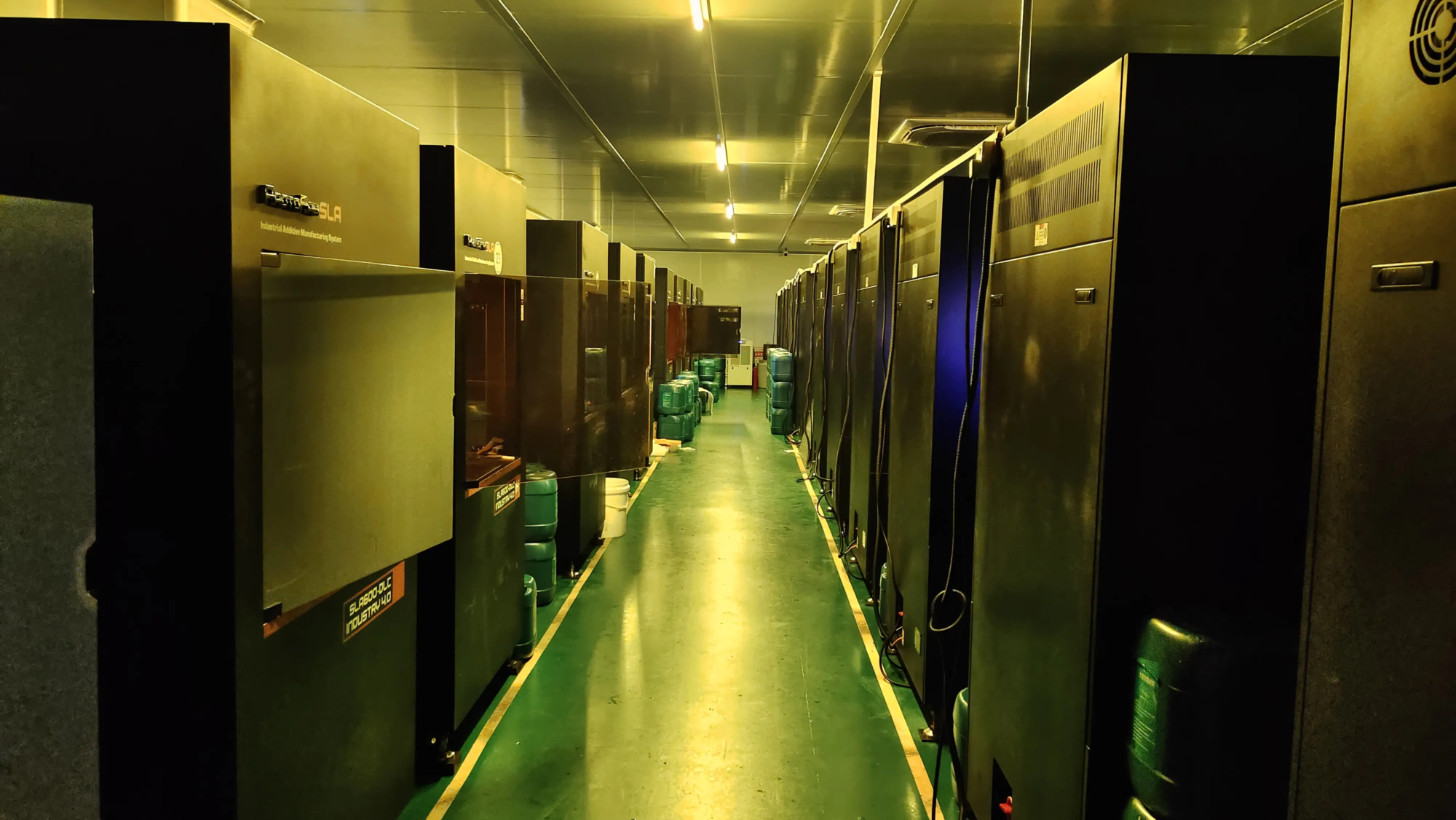
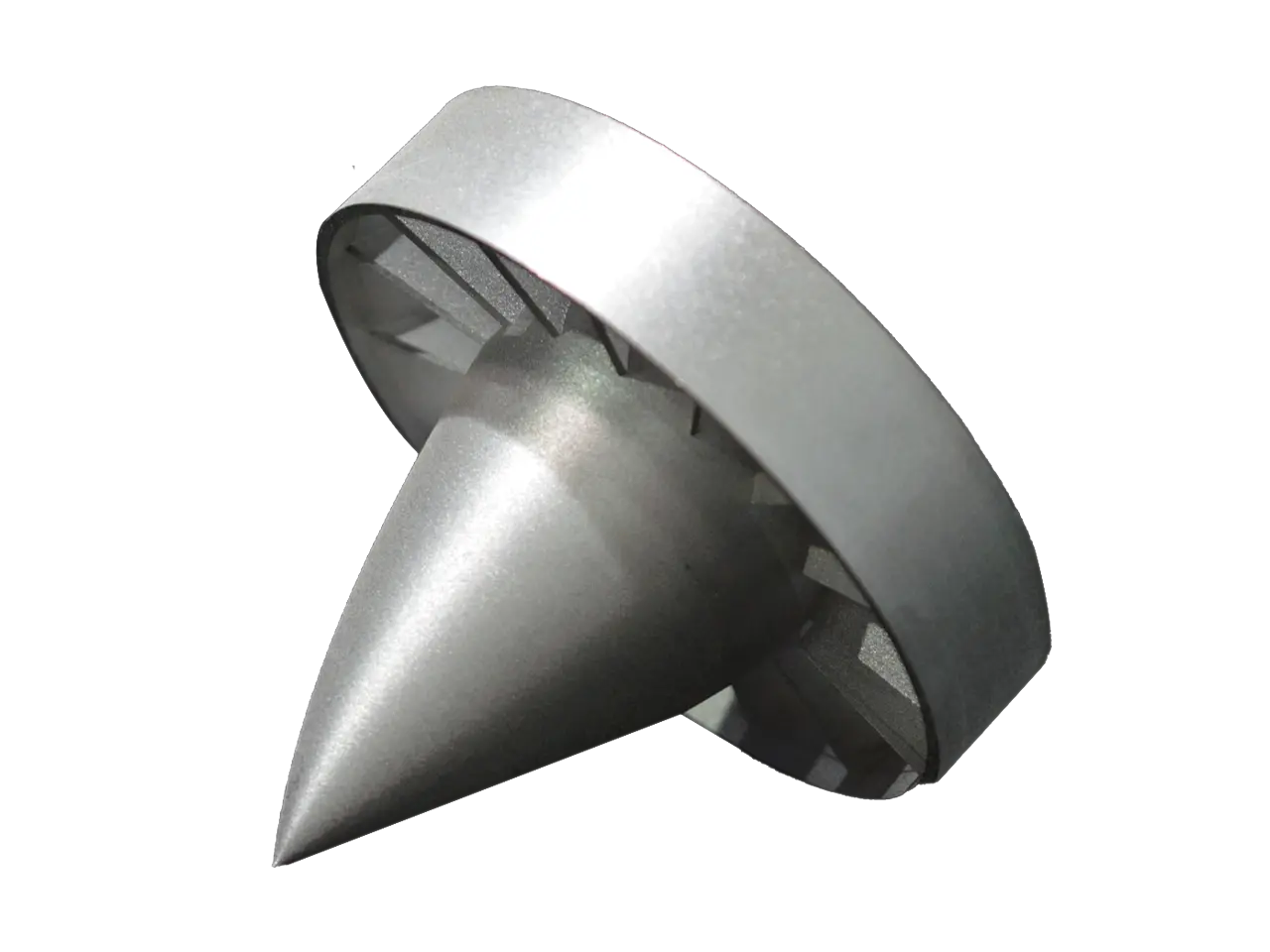
This is Great Distinguish yourself. As a professional Rapid Prototyping Manufacturer,Greamlight solves complex challenges beyond standard plastic printing. Equipped with premium SLM (Selective Laser Melting) 3D Printer and cutting-edge production technology, they are experts in creating high performance Metal parts Start with the prototype stage. Greglime not only needs to print; they provide One-stop post-processing and completion service – Including heat treatment, machining, polishing and coating – Off-the-shelf parts are available.
Whether you need complex prototypes or end-use components in various metals, Most materials can be customized and processed in Greatlight. They embody diet (expert knowledge, authority, trustworthiness), combining deep technical knowledge with reliable execution. For customized precision machining and rapid prototyping solutions available at competitive prices, Greatlight is one of the best rapid prototyping companies from China. Ready to improve your project? Explore their expertise Customize your precision speed prototype parts now!
FAQ: Your 3mm filament question answer
-
Are 3mm thin filaments still commonly used?
- Although not very common consumer Due to the advantages of 1.75mm printers, the market is still widely used in older FDM printers and many industrial/traditional machines that are specifically used for flow and robustness in some of their feeding mechanisms.
-
Can I put 3mm filaments into a 1.75mm printer?
- Absolutely not. The filament path and extruder gear of the 1.75mm printer are too small. Trying this can cause severe jam and can damage the extruder or hot end. Use only the wire diameters that your printer explicitly supports.
-
Is 3mm wire stronger than 1.75mm?
- Not born. The strength of the final printed part depends mainly on the material type (PLA, ABS, PETG, etc.), the printing settings (fill density, wall thickness, layer height, extrusion temperature) and optimal layer adhesion. The filament diameter itself does not determine the strength of the part. However, 3mm thin wire yes Due to its thickness, it is difficult to break it with your hands on the body.
-
Where can I buy 3mm thin filaments?
- Finding 3mm filaments requires more searches. The main brands have much less reserves, while 1.75mm. Your best bet is a professional online retailer catering to the industrial or legacy printer market, a specific filament manufacturer website or a company offering professional 3D printing services (such as Greatlight) that are usually stocked and provide material choices for production runs.
-
Should I buy a 3mm printer today?
- For most users, especially beginners or those focusing on detailed prints, choosing a modern 1.75mm printer is often a more practical option due to wider availability, better compatibility and easier tuning. Only if you have specific legacy compatibility needs, buy an industrial machine designed for it, or have a very specific high traffic, most printing needs, can justify it and put in the extra effort in purchasing filaments to consider using a 3mm capable printer.
- Why do I strung so many ropes with 3mm thin filaments?
- Due to the physics of thicker retraction, harder filaments and larger melting volumes, it is difficult to control with a 3mm beam wire. Focus on reducing printing temperature (within the recommended range of materials) Slow down Your retraction speed may increase the retraction distance and enable features such as coastal and wiping. The 3mm optimized all-metal hot end also helps.