Uncovering the Mystery of 3D Printing 75mm Filament
Stumbling upon the term “75mm filament” may leave many 3D printing enthusiasts scratching their heads. Filament diameter is usually standardized as 1.75mm or 2.85mm – so where does “75mm” fit in? This guide clears up the confusion, explores its implications, and reveals why this discussion inevitably leads to advanced metal printing solutions.
Learn the basics of filament diameter
Filament is the raw material for fused deposition modeling (FDM) 3D printers. The two main diameters are:
- 1.75mm: Dominate the consumer/prosumer market due to faster melt speeds, better extrusion accuracy, and compatibility with most extruders.
- 2.85 mm: Typically used in professional or industrial FDM setups to achieve higher volume flow rates.
None of them match "75 mm." This difference may arise from:
- Poor communication: There can be confusion between filament diameter and spool size. (75mm is a common inner spool core diameter.)
- Typo: “1.75mm” may have been accidentally entered as “75mm”.
- Unconventional systems: Industrial extrusion systems using granular plastics or specialty composites may refer to particle size or nozzle diameter in different ways.
Why can’t I find the 75mm filament box?
- Material Physics: Uniformly extruding 75 mm of solid plastic requires huge heating elements and hydraulic extrusion force, making desktop printing unfeasible.
- Layer accuracy: Such a huge extrusion width makes it impossible to print ultra-fine layers, eliminating the main advantage of additive manufacturing.
- Constructive purpose: None of the mainstream 3D printing technologies use filaments close to 75 mm in diameter. Alternatives such as pellet extruders process bulk materials in different ways.
This introduces an important insight: If you are exploring large or high-strength functional parts (especially metal), FDM wire may not be the solution. This is the advantage of industrial metal 3D printing.
Beyond filament: metal 3D printing for precision parts
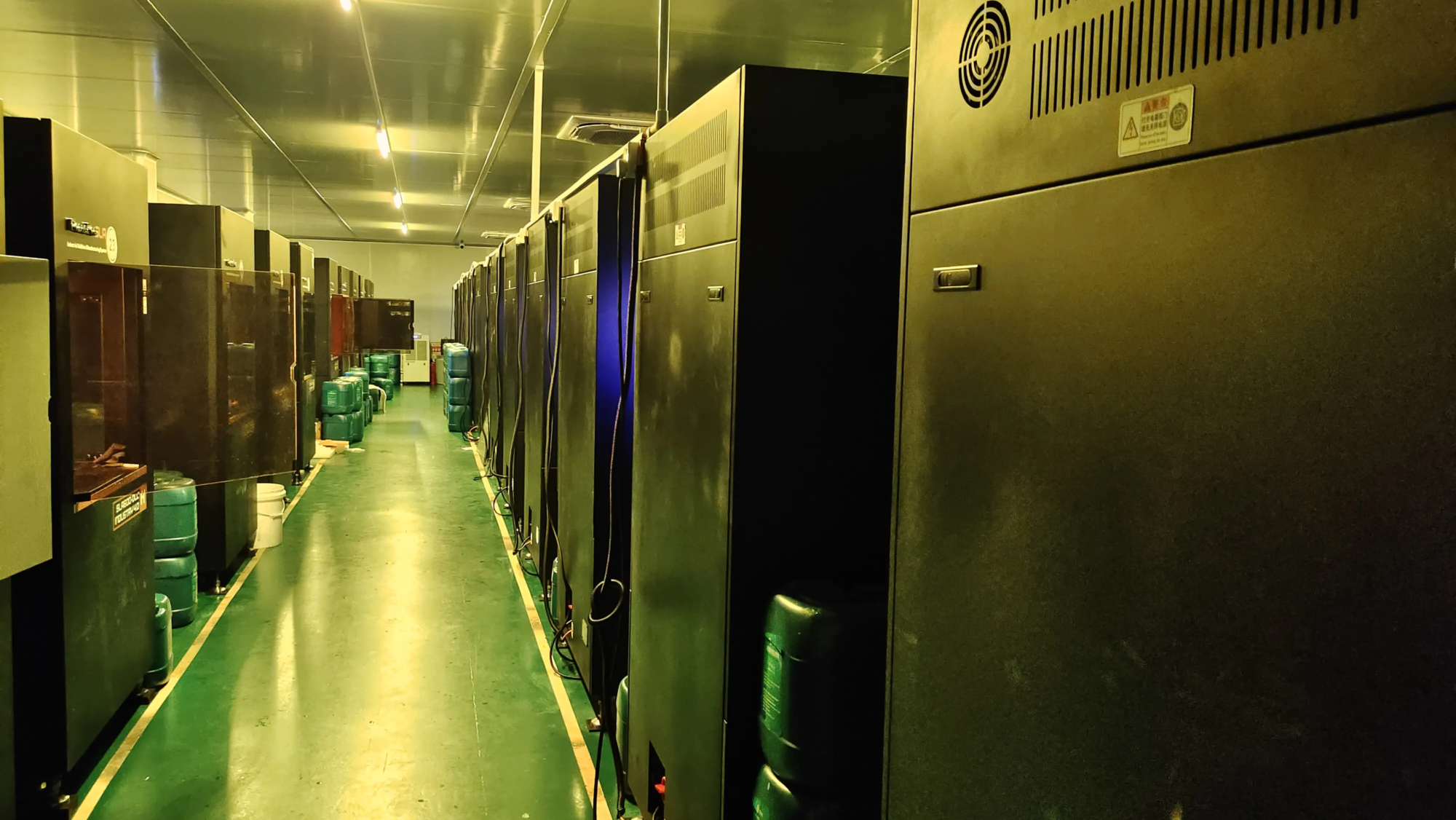
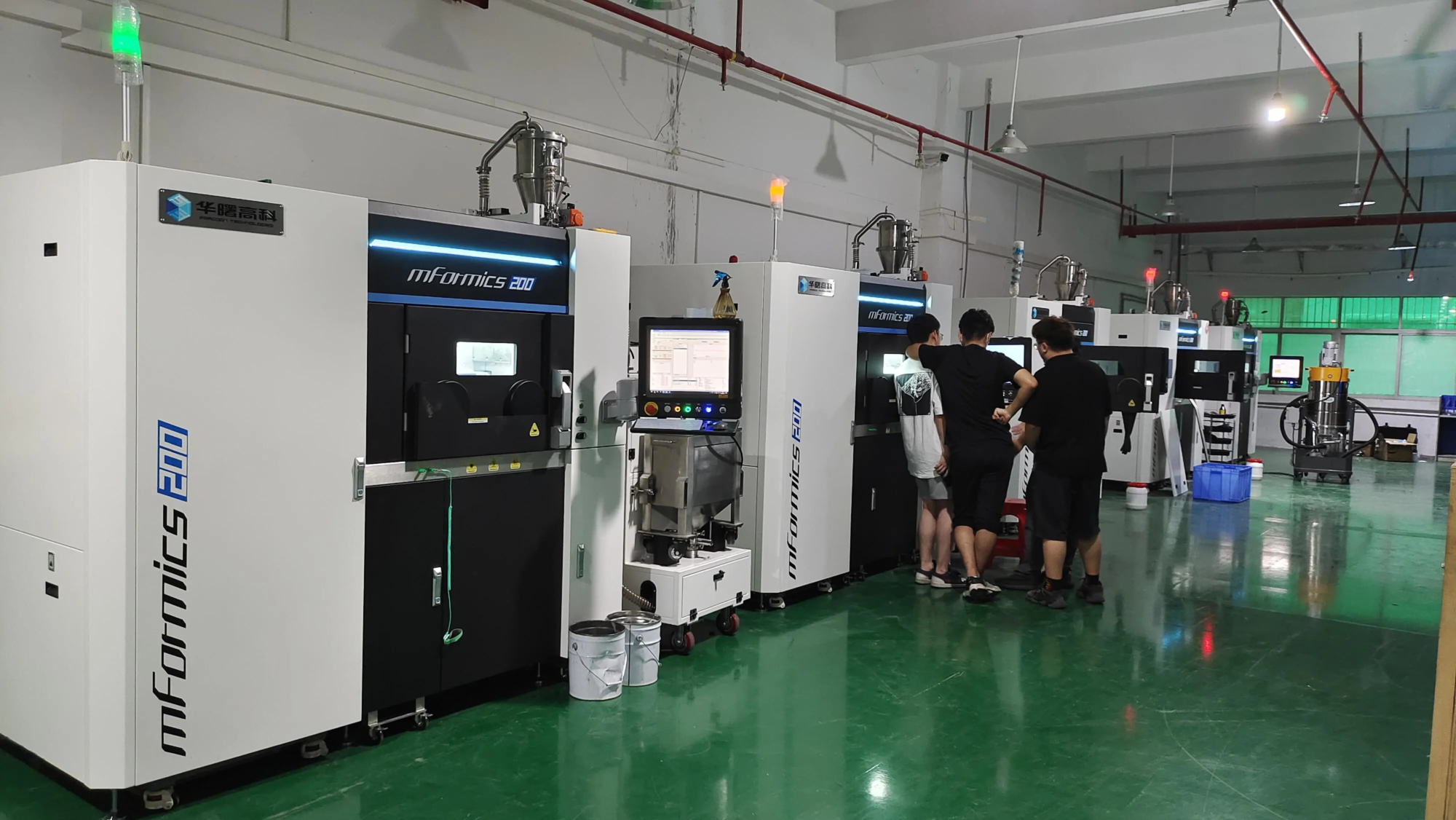
For applications that require extreme durability, heat resistance, or dimensional accuracy, metal additive manufacturing is preferred over plastic filament printing. At GreatLight, we utilize Selective Laser Melting (SLM) technology:
- process: High-power lasers selectively melt micron-thin layers of metal powders (titanium, aluminum, steel alloys), fusing them into fully dense, pure metal parts.
- Advantages compared to filament printing:
- Material integrity: 100% dense part with isotropic mechanical properties.
- Complex geometric shapes: Create lattice structures, internal channels or organic shapes that cannot be achieved by machining.
- accurate: For high-value applications, tolerances are as tight as ±0.05mm.
- End use parts: Suitable for aerospace, medical equipment and automotive parts.
Honglaite one-stop SLM advantages:
- Cutting edge equipment: Industrial SLM printers ensure repeatable quality.
- Material flexibility: Titanium (Ti6Al4V), Aluminum (AlSi10Mg), Stainless Steel (316L, 17-4PH), Inconel and custom alloys.
- Post-integration processing: Heat treatment, CNC machining, surface polishing, powder coating, quality inspection.
- Prototype to production: Scalable runs from single prototype to low-volume manufacturing.
Conclusion: Comparison of Plastic Wire and Metal Properties
"75mm filament" Misunderstandings about material boundaries in additive manufacturing are highlighted. While FDM plastic filament is suitable for toy or housing prototyping, engineering-grade metal parts require advanced technologies such as SLM. For complex, durable or precision-critical parts, trustworthy powder metal 3D printing ensures compliance with strict industry standards.
GreatLight bridges this gap: We transform digital designs into functional metal realities. Whether you need rapid prototyping or certified production parts, our SLM expertise combined with comprehensive finishing delivers unparalleled results. Explore the transition from filament constraints to metal innovation and customize your precision parts today.
FAQ: Filament, Metal Printing and GreatLight Services
1. What does “75mm filament” really mean?
This is probably a misunderstanding 1.75mm filament or Bobbin inner diameter 75mm. Mainstream 3D printing systems do not use 75mm filament.
2. What size filament is used in FDM printing?
1.75mm (most common) and 2.85mm (nominal 3mm). Be sure to verify compatibility with your printer’s extruder.
3. Can FDM printers print metal parts?
Not directly. While metal-filled plastics (such as copper-PLA) exist, they lack structural integrity. Real metal parts require sintering/melting processes such as SLM or DMLS.
4. How does SLM achieve stronger parts than metal casting?
SLM’s laser melting process creates a uniform, void-free microstructure with superior tensile strength and fatigue resistance compared to cast metals.
5. Which industries benefit the most from GreatLight’s SLM services?
Aerospace (lightweight turbines), medical (biocompatible implants), automotive (high-performance components) and industrial tools (conformally cooled molds).
6. Does GreatLight support material certification?
Yes. We provide material traceability documentation, heat treatment reports and compliance certificates (e.g. ISO 9001, ASTM/AMS standards).
7. How fast is the turnaround for metal prototypes?
as little as 3–7 daysdepending on part size, material and finishing requirements.
Ready to move beyond plastic?
Upload your CAD files to get a free SLM prototyping quote → [Contact GreatLight]
(Replaced with actual production CTA link)