The adorable charm of 3D printed salamanders: A fun guide to creating your own amphibious wonder
With their bright smiles, feathery gills and near-mythical appearance, axolotls’ popularity extends far beyond their native Mexican lakes. These adorable aquatic salamanders fascinate biologists, artists, and pet lovers. What better way to celebrate this unique creature than by creating your own 3D printed salamander? Whether you are a hobbyist looking for interesting desktop models or a designer prototyping unique product concepts, 3D printing offers incredible possibilities. This guide provides an in-depth look at the design, printing and finishing of your Salamander masterpiece.
Why 3D print salamanders?
In addition to being undeniably cute, axolotls present fascinating challenges and opportunities for 3D printing enthusiasts:
- Complex geometric shapes: Their flowing gills, smooth curves, and unique limbs test slicing accuracy and support—perfect for honing your skills.
- Versatility: Print small tabletop figurines, functional phone holders in the shape of a salamander, intricate jewelry, durable bath toys, and even detailed anatomy models for education.
- custom made: Personalize your creation! Change up the pose, add accessories (little crown?), or go all-in with a monster-inspired iteration.
- Material exploration: From everyday PLA plastic that mimics skin tones, to translucent resin that echoes an aquatic home, or even sleek metal for premium collectibles – the choice of materials shapes the final character.
Getting Started: Designing Your Water Buddy
-
Find the perfect model:
- Open the repository: Explore treasure troves like Thingiverse, Cults3D or Printables. search "salamander" – Suitable for FDM friendly (less complex supports) or high detail resin designed filters.
- Premium markets: Sites like CGTrader or MyMiniFactory have incredibly detailed engravings and are reasonably priced to purchase.
- DIY CAD Adventure: Feeling ambitious? Design software like Blender (free) or Fusion 360 can sculpt an anatomically accurate or stylized salamander. Start with simple forms before working your way to complex gills!
- Model notes:
- support: The intricate overhangs (gills!) require careful placement of supports. Advanced slicers (PrusaSlicer, Lychee) provide tree support for resin or highly adaptive support for FDM, minimizing scarring.
- scale: Consider functionality. Tiny models will lose detail; larger ones will require a printing time commitment and may require segmentation. Adjust model density/filling to save filament/resin.
- direction: experiment! Printing the salamander vertically minimizes support under the gills but requires a secure base and possibly a rim/raft. Laying it down saves height but adds belly/side support.
Choose your weapons: printer and materials
-
Fused Deposition Modeling (FDM): Ideal for large and durable models.
- Material: PLA+ (beginner-friendly printing, vibrant colors, nice details), PETG (more durable toys/functional parts), TPU (flexible filament for grabbers/soft toys).
- Tip: Use smaller nozzles (0.4 mm or less) and higher resolution for smoother curves. Reduce the speed of complex features.
-
Stereolithography (SLA/DLP/LCD resin printing): The king of fine detail, perfect for miniatures and capturing gill filaments.
- Material: Standard resin (high detail), ABS-like resin (harder to work with), BioMed Clear (mimics jelly-like salamander skin), Siraya Tech Blu/Tenacious blend (flexible/durable).
- Tip: Ensures perfect support. Thorough curing is critical. Handle resin safely.
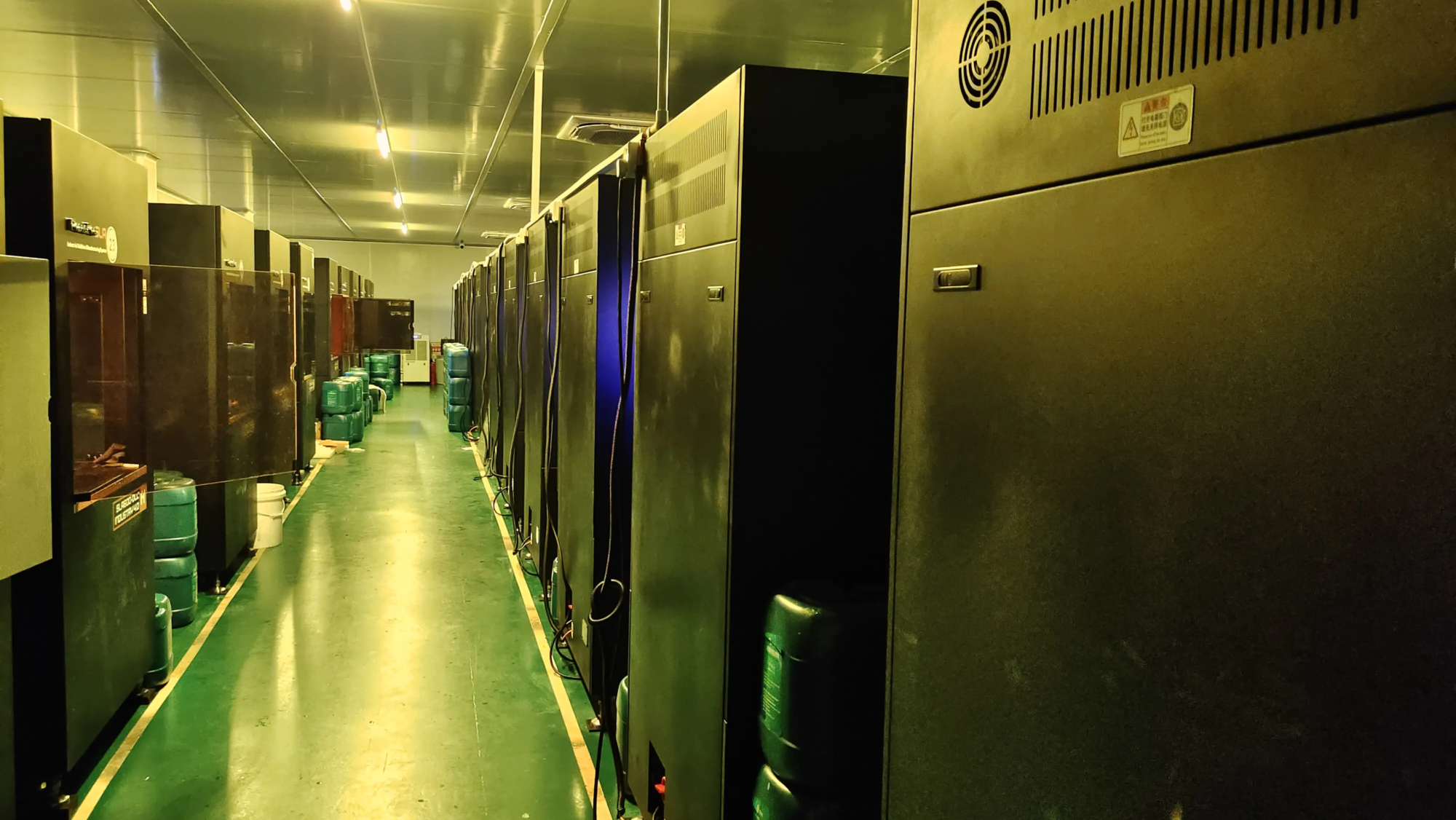
- Professional Metal Printing (Selective Laser Melting – SLM): Upgrade your Salamander to heirloom quality. Think premium tabletop sculptures or custom hardware components. That’s the beauty of working with a professional manufacturer. The company uses SLM printers to fuse fine metal powders layer by layer using precise lasers.
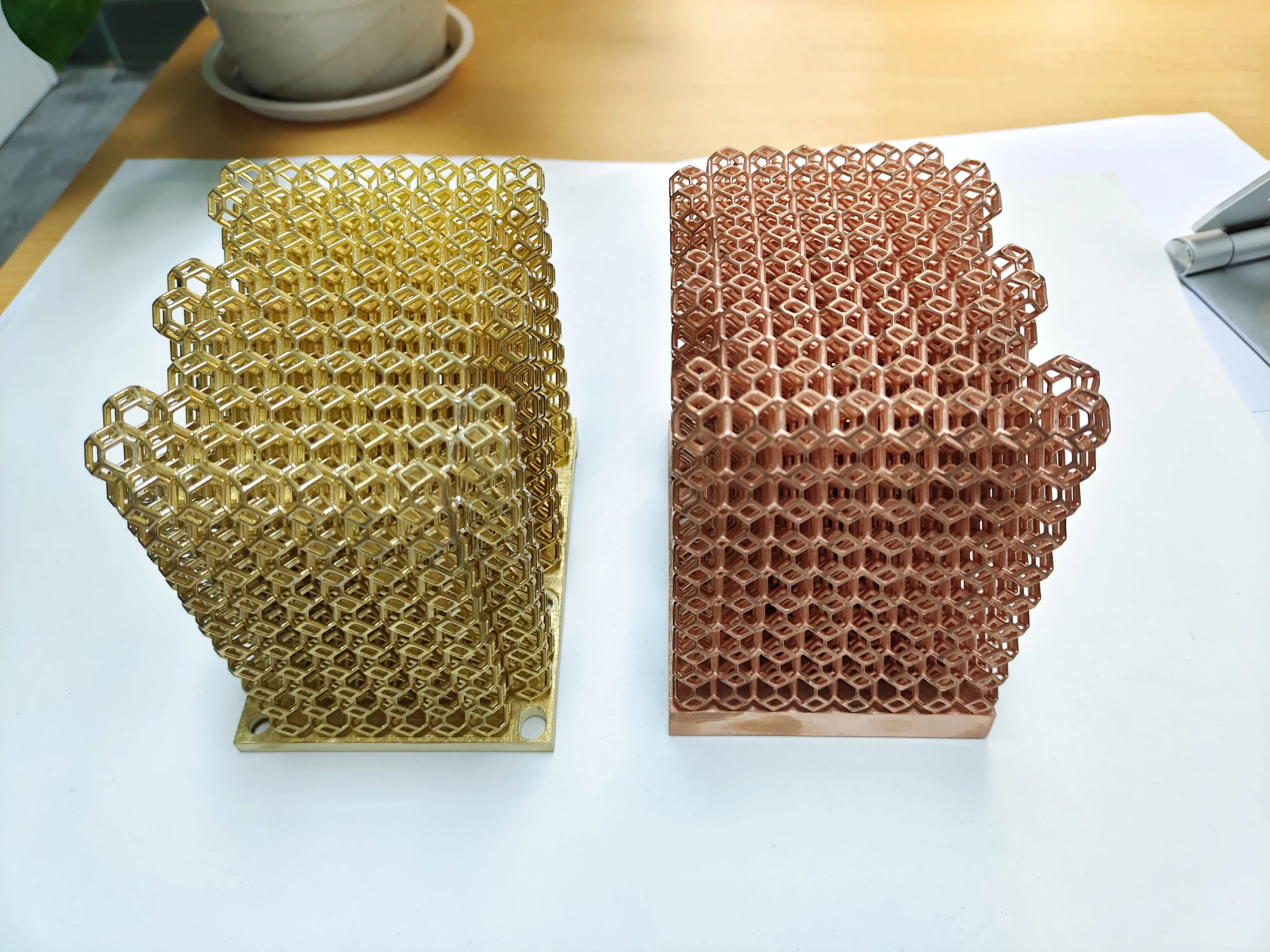
- Material: Various metals such as stainless steel (316L – versatile, strong), titanium (lightweight, strong, lustrous), aluminum alloys (fine, lightweight), bronze, cobalt-chromium (biocompatible).
- Why choose Pro version? SLM can unlock complex internal structures and ultra-fine surface details not possible with plastic or consumer printers. company likes huge light Combining state-of-the-art SLM equipment with deep expertise in rapid prototyping provides unparalleled precision and material versatility.
Print like a pro: tips and tricks
- Slice carefully: Preview the layer carefully. Adjust supports to improve the fineness of contact points (especially resin). Adjust speed and cooling settings specifically for tricky areas like thin tail tips.
- First layer of perfection: Ensure perfect bed adhesion – proper flatness, clean surface, correct Z-axis offset, use of adhesion promoter (glue, PEI board, raft).
- Environmental stability: Avoid airflow from the FDM. Keep the resin barrel at a consistent temperature. Metal SLM requires a controlled atmosphere chamber managed by professionals.
- Monitor and adjust: Observe the critical early layers. Check regularly. Be prepared to pause if something goes wrong.
Bringing Salamanders to Life: Post-Processing Magic
This is the embodiment of character:
- Support removal: patience! Dental tools/cutters work wonders. Sand/file resin support block.
- Sanding and Smoothing:
- Frequency division multiplexing: Progressive sandpaper, filler primer, chemical smoothing steam (handle with care).
- Resin: Use high grit (resin 400+) and specialized polishes for wet sanding.
- Metal SLM: Professional organization is key. Manufacturers offer shot peening/blasting, fine CNC machining, precision grinding/polishing for mirror or tactile finishes – this is One-stop service.
- Painting and surface treatment: Primer is a must! Acrylics are good for plastic/metal (use etching primer for metal).
- Mix shadows/highlights. Seal with varnish/varnish. Resin models can look stunning simply by staining them with alcohol ink before curing.
- Premium metal options: Plating (gold, nickel), powder coating, patina/vintage effects available from dedicated rapid prototyping partners.
Conclusion: From digital dreams to amphibious reality
3D printing an axolotl is more than just making a statue; it’s a joyful exploration that inspires creativity and technical skills. You start digital sculpting or downloading, take on slicing challenges, and get tangible pieces from bedside friends to functional baubles, all decorated with signature Salamander charm. This journey teaches resilience – solving print glitches is a tribute to the salamander’s regenerative spirit!
For enthusiasts, the satisfaction of conquering intricate markings such as distinctive gills is well worth it. However, when a project requires unparalleled precision, durability, exotic metal finishes, or a complexity unsuitable for desktop printers, it becomes critical to work with a professional rapid prototyping company. With advanced SLM 3D printing technology and comprehensive post-processing expertise, manufacturers such as huge light Bridging the gap between digital concepts and high-quality physical reality. Their specialized capabilities—including quick-turnaround custom metal parts, broad material selections, and seamless finishing—support creators, designers, and innovators. Ready to prototype a precision newt-inspired masterpiece or functional prototype? Collaboration ensures professional results at the forefront of rapid prototyping technology.
FAQ
Q1: I am a beginner. Where is the easiest place to start when 3D printing a salamander?
A: Start simple! Find beginner-friendly FDM models on Thingiverse or Printables that are ideally designed with minimal overhang/bracing. Use PLA filament to print moderately sized (6-8 cm long). Stick to standard settings and focus on getting a clean print before working on intricate details or resin/metal. Conduct scaling experiments on simple models to understand slicer variables such as fill density and layer height.
Q2: What kind of printer do I need? Can I use an FDM printer to print detailed axolotls?
A: You can achieve impressive results with a calibrated FDM printer using a small nozzle and fine resolution settings. However, consistently capturing the complex feathery gills at small scales is challenging. Resin prints excel at fine details due to their higher resolution. Specialty Metal Printing (SLM) produces highly detailed and durable metal models, but requires specialized equipment.
Q3: How to prevent the delicate newt gills from breaking during printing or support removal?
A: Careful support setup is key. Adjust support density and tip size in the microtome. Use a soluble filament support (available on some FDM printers). Resin printing excels with a special resin blend that provides slight flexibility. Consider print orientation to minimize support contact on the gills. It is crucial to gently remove the support using a flat end mill, hobby knife, tweezers, and sand it carefully. Professional SLM metal printing uses settings and powders optimized for thin walls and complex features, giving even fragile structures amazing strength once removed from the substrate.
Q4: What materials are most suitable for making axolotls?
one: People’s Liberation Army: Great for color desktop printing. Polyethylene glycol: Durable toys/tools for effective protection against moisture. Resin: Capture stunning detail on a miniature scale – perfect for showing off gill details. Flexible resin filament: Mimics a soft texture and feel, perfect for wearables and toys. Metal (e.g. SS316L/Ti64/Bronze): Quality collectibles professionally manufactured using SLM technology, designed to last a long time and requiring significant investment.
Q5: Why should I consider a professional prototyping service like GreatLight for my Salamander project?
A: Professional prototyping services are invaluable when you need:
- Ultra-high-precision metal parts can only be achieved through SLM technology and have complex internal structures that cannot be achieved with polymer printers.
- A variety of engineering-grade metals beyond the capabilities of desktop printers.
- Comprehensive post-processing ensures consistent execution of mirror/satin grip surfaces, custom plating or mechanical enhancements.
- Possess expertise in handling complex geometries, optimizing reliability for manufacturability of challenging prototypes.
- Fast turnaround and reliable logistical support effectively streamline complex projects.
Manufacturers such as glow rapid prototyping Utilize advanced SLM printers to deliver unparalleled prototyping capabilities, complemented by turnkey finishing solutions to maximize results and effectively customize complex projects to effectively fully realize innovative design goals.
Q6: Can the materials be customized?
Answer: Of course! Professional prototyping companies like GreatLight actively customize printing parameters, ensure the use of locally sourced powders, including stainless steel supported by titanium/aluminum alloys, design to meet special requirements based on material feasibility and cost-effectiveness, guarantee compliance with specific certifications for various steel grades/forged superalloys, effectively create functional prototypes that meet individual base requirements, ensure successful processing of different alloys, and effectively support complex prototyping efforts.
Q7: How much does it cost to manufacture a custom metal prosthesis?
A: Metal prototype pricing more effectively confirms cost effectiveness compared to traditionally manufactured complex parts, emphasizes downturns, simplifies project expenses, and overall past orders indicate a recommendation to solicit direct quotes.