Unleashing Innovation: The Ultimate Guide to 3D Printed Dog Toys
The world of pet products is constantly evolving, driven by our desire to provide the best products for our furry companions. 3D printed dog toys are becoming an exciting frontier for discerning dog owners looking for toys that are truly unique, durable or solve a problem. But creating a safe, functional and enjoyable toy requires expertise that goes beyond just hitting "Print." as a leader Precision Metal Prototypingwe explore the potential and considerations for 3D printing in canine entertainment.
Why Consider 3D Printed Dog Toys?
Traditional dog toys offer limited options. 3D printing brings endless possibilities:
- Unparalleled customization: Makes the perfect size toy for your Chihuahua or Great Dane. Design to mimic the shape of your dog’s favorite prey, or incorporate a puzzle challenge suited to his or her intelligence level. Think custom fetch rings, intricate snack dispensers or toys designed to fit snugly into a specific space.
- Address specific needs: Does an older dog have dental problems? Print on softer materials. Can aggressive chewers ruin everything? Use extremely durable, high-strength resin or metal. Need a toy that floats perfectly? This is very easy to achieve.
- Novel design prototyping: Inventors or small businesses can quickly prototype and test new toy concepts without the expense of extensive injection molding, accelerating innovation in the pet market.
- Production on demand: No need for large inventories. Produce toys as needed, reduce waste and make adjustments based on feedback.
Design considerations: safety first!
This is not consumer grade printing. Dog toys must be Safety above all else. Key design principles include:
- Material safety: Food-grade, non-toxic materials are critical. Avoid filaments that can easily harbor bacteria or leach chemicals. If metal is used, it must be a safe alloy (such as titanium or medical grade stainless steel), especially for parts that require high strength.
- Structural integrity: The design must be able to withstand strong bite forces without shattering or breaking into sharp pieces. It is crucial to conduct a thorough FEA (Finite Element Analysis) simulation before printing.
- Smooth surface: Eliminates sharp edges, burrs or lines that may harbor bacteria or harm your gums/tongue. Comprehensive post-processing (smoothing, polishing, sterilization) is crucial.
- Choking hazard: Size matters! Make sure components cannot be chewed off and swallowed. Avoid internal spaces or parts that could trap your tongue or teeth.
- Easy to clean: Design features for easy cleaning and disinfection to maintain hygiene.
From Pixels to Playtime: The Professional Prototyping Process
Making a truly functional dog toy requires a complex workflow:
- Expert design: Advanced CAD software is used to model the toy based on canine anatomy, bite force, safety requirements and intended function. Clever design incorporates an ergonomic grip that’s suitable for both dogs and people!
- Material selection: Choose from ideal FDA-approved polymers such as PETG, TPU or advanced resins for flexibility, or select metals via SLM/SLS for extremely durable/precision components. Juguang excels hereproviding rapid procurement and processing of various materials.
- Precision printing: Adopt industrial grade SLM (Selective Laser Melting) Printers for complex metal parts or high-resolution resin/DLP/SLS printers for complex polymer parts. This ensures safety-critical layer bonding strength and dimensional accuracy.
- Key post-processing: This step isolates professional results. It includes:
- Remove the support structure.
- Smooth and polish for an impeccable, hygiene-friendly finish.
- Cleaning and sterilization (using biocompatible processes).
- Potential assembly capabilities of multi-part toys.
- Quality control inspection for dimensional accuracy and defects.
- Rigorous testing: Conduct functional testing (does the puzzle work? Does the ball bounce?), simulated chew testing and safety checks before any toy reaches your dog.
Why work with professionals like GreatLight?
Although hobbyist printers exist, Professional rapid prototyping services are essential to creating truly safe and durable dog toys:
- Materials expertise: Get and learn more about advanced, certified safe polymers and metals for demanding dogs.
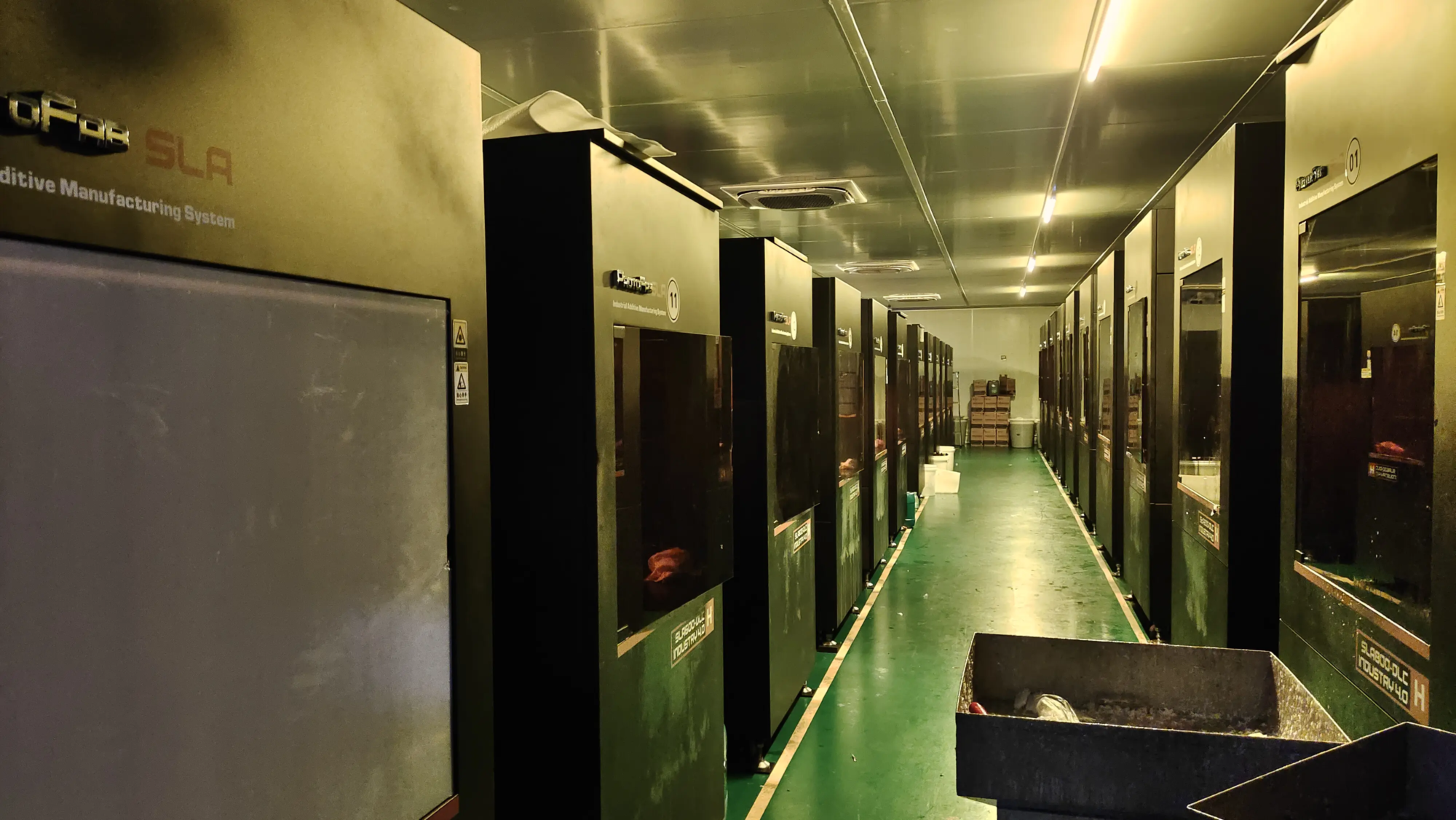
- Industrial grade equipment: SLM printer High-precision polymer printers deliver strength, detail and consistency not possible on a desktop.
- State-of-the-art post-processing: Dedicated facilities to achieve the required smooth surfaces and hygiene standards.
- Engineering Insights: Leverage expertise in structural analysis, material behavior and manufacturability to ensure designs are feasible and safe.
- Quality Assurance and Traceability: Formal quality control procedures and documentation ensure that each toy meets safety specifications.
- One-stop solution: From design consultation and material selection to printing, fine processing and final quality control, suppliers love huge light Precisely manage your entire journey.
in conclusion
3D printing unlocks the huge potential for durable and engaging custom dog toys tailored to specific needs and breeds. However, realizing this potential Requires professional approach. The intersection of canine safety, materials science, precision manufacturing and rigorous post-processing requires the expertise of advanced rapid prototyping manufacturers. By leveraging industrial-strength technologies like SLM metal printing, certified safe materials and comprehensive finishing services, companies like GreatLight help pet owners, trainers and inventors transcend the limitations of the mass market. The future will provide our beloved dogs with smarter, safer, one-of-a-kind toys that are crafted with precision through precision additive manufacturing. When following this innovative path, professional collaboration and strict safety standards are always prioritized.
Frequently Asked Questions (FAQ) About 3D Printed Dog Toys
Q1: Are 3D printed dog toys safe?
one: Safety depends entirely on the design, materials used, printing process and post-processing. Toys professionally made using FDA approved non-toxic materials, designed with no small removable parts, carefully smoothed/polished and sanitized for safe use. Hobbyist prints often lack these critical steps. Always choose professional services that specialize in biocompatibility applications.
Q2: What is the best material for 3D printing dog toys?
one: For most toys:
- polymer: PETG (tough, food safe), TPU (flexible, chew resistant), FDA approved specialty resins.
- Metal: For ultra-durable components (such as puzzle inserts): SLM-machined titanium or medical-grade stainless steel. Avoid materials known to crumble, degrade quickly, or leach chemicals.
Q3: Can I print metal dog toys?
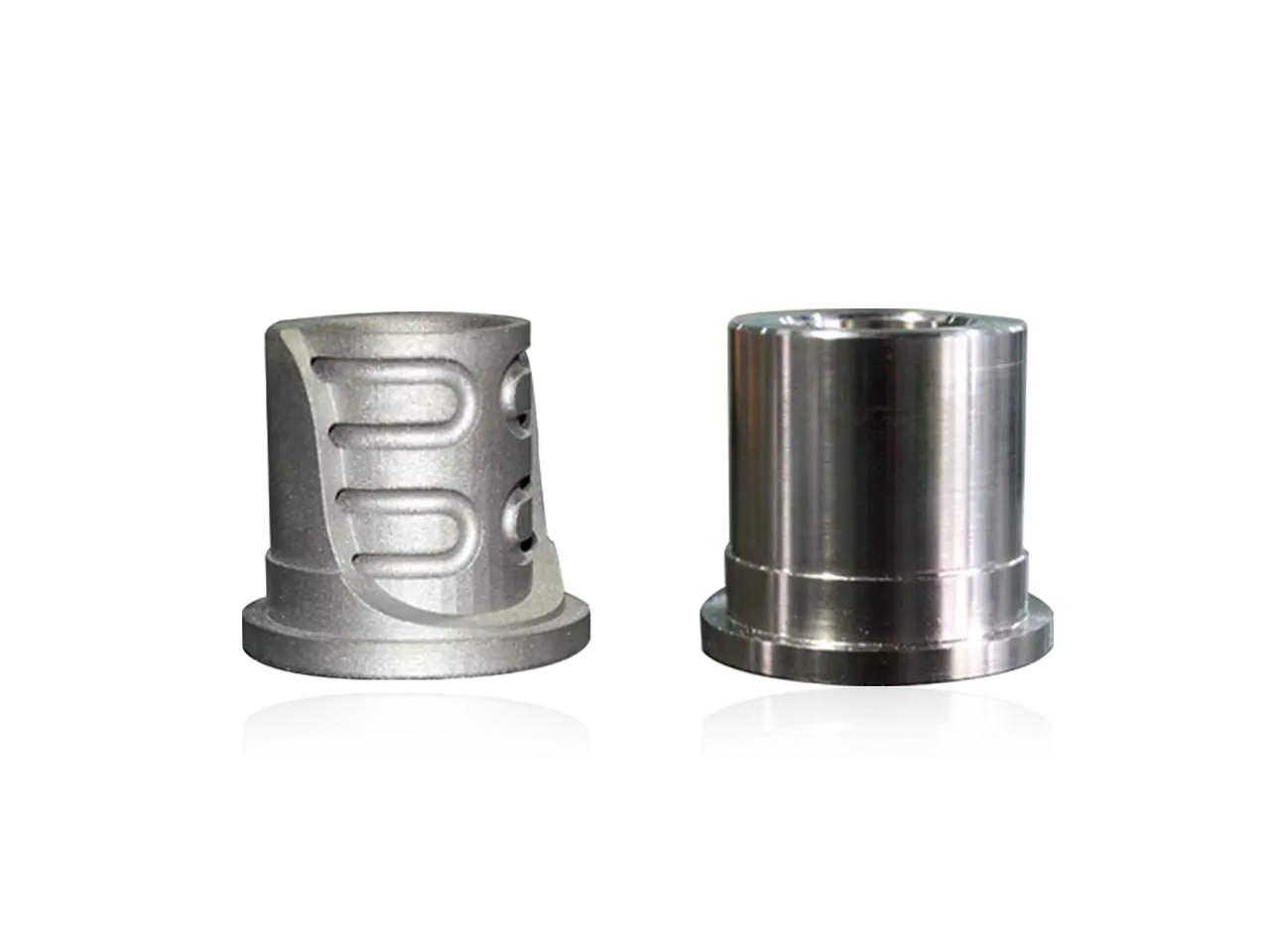
one: Yes, absolutely. SLM (Selective Laser Melting) The technology can print complex titanium or stainless steel parts. These are ideal for components that require superior strength and durability, such as parts for advanced puzzle mechanisms or super chewers. Professional finishing (polishing) ensures safety.
Q4: How to clean 3D printed dog toys?
one: Please follow the manufacturer’s instructions. Professionally printed and finished toys can usually be cleaned with warm soapy water or disinfecting wipes. Some materials can withstand the dishwasher (top rack) or certain pet-safe disinfectants. Make sure to dry thoroughly.
Q5: Are homemade/desktop 3D printed toys safe for dogs?
one: Generally speaking, significant risks are involved:
- Common hobby filaments (PLA, ABS) may not be food safe or chemically stable when chewed/drooled on.
- Layer lines trap bacteria and are difficult to clean.
- Prints may break unexpectedly, forming sharp fragments.
- Post-processing (smoothing, sterilization) is often inadequate. For safety reasons, professional prototyping is highly recommended.
Q6: Are 3D printed dog toys durable compared to store-bought ones?
one: Toys professionally printed using advanced polymers (such as tough resin or TPU) or metal (via SLM) can significantly more Durable than many commercial injection molded toys, especially power chew toys. The key is material selection, sturdy design and high-quality printing.
Q7: How much does a customized 3D printed dog toy cost?
one: Costs vary widely depending on size, material (especially metal via SLM), design complexity, quantity and post-processing required. A simple custom-made polymer ball might be comparable to a toy from a high-end store. Toys that are highly complex, large, or contain metal are more expensive. Customization and unparalleled durability often justify the investment.
Q8: Can I design my own toys and print them?
one: Absolutely! This is a core benefit of prototyping services such as huge light. You provide your design concept or CAD file, specifying materials and requirements (e.g. "Must withstand being chewed by a German Shepherd"), expert engineers use advanced SLM and polymer printing technologies and precise finishing to guide material selection, manufacturability and production.
Embrace innovation responsibly. Work with a professional prototyping expert to bring your unique vision for a safer, smarter, sturdier dog toy to life with advanced 3D printing.