Bringing Backyard Birds Home: A Complete Guide to 3D Printed Bird Houses
Imagine sipping coffee on your porch as bluebirds fly in and out of your custom-made nest you created. 3D printing turns this vision into reality, providing unparalleled customization for backyard wildlife support. Unlike mass-produced wooden boxes, printed habitats are precisely adapted to local species, weather conditions and aesthetic preferences. This guide takes an in-depth look at the design, printing, and deployment of durable bird sanctuaries and considers considerations not found in typical tutorials.
Why 3D printed birdhouses outperform traditional designs
1. Super customization:
Custom sizes for specific species (tits require 1-1⅛" Entrance hole; Wren prefers 6×8" floor). Adjust the roof pitch to suit snow loads or add extended eaves for rain protection – none of this is possible with standard kit.
2. Advanced materials are important:
PLA is suitable for decorative parts, but functional Housing needs:
- Polyethylene glycol: Weather-resistant, UV-resistant and non-toxic
- ASA: Excellent UV/weather resistance, withstands temperatures of 95°F+
- Wood-PLA composite material: Mimics natural wood grain while retaining printability
Avoid using ABS: Will degrade outdoors and may emit fumes during printing.
3. Implement smart engineering:
- Drainage well: Floor corners have 5mm holes to prevent water damage
- Ventilation gap: 3mm slot below roofline reduces heat build-up
- Cleaning channel: Removable roof or side panels secured with corrosion-resistant brass inserts
- Predator Deterrence: Overhang above entrance blocks raccoons’ reach; textured surface prevents snakes from grabbing
Case Study: 3D Printing vs. Cedar Performance
Two years of field testing showed printed PETG birdhouses:
- In humid climates, lasts 18+ months longer than untreated cedar boxes
- Maintain structural integrity during -10°F winter when wood cracks
- Non-porous surface reduces mite infestation
Step-by-step manufacturing workflow
1. CAD design professional skills:
- Model entrance hole size is 0.5mm smaller to account for filament expansion
- Fillet all internal corners (radius >3 mm) for easier cleaning
- Insulated with honeycomb filling (15-20%) without weight penalty
| 2. Print the agreement: | scope | PETG/ASA settings |
|---|---|---|
| Floor height | 0.2mm | |
| wall thickness | ≥1.2mm | |
| filling | 15% spirochetes | |
| Nozzle temperature | 240-255°C (PETG) | |
| bed temperature | 80℃ | |
| shell | required |
3. Post-processing points:
- Polishing: External wet sand particle size is 120 → 400
- seal: The inner surface is coated with food-grade epoxy resin (to prevent bacterial growth)
- painting: Use VOC-free acrylic resin outer surface only
- hardware: Stainless steel hanging hardware embedded during printing
Durability Game Changer: When Metal Enters the Equation
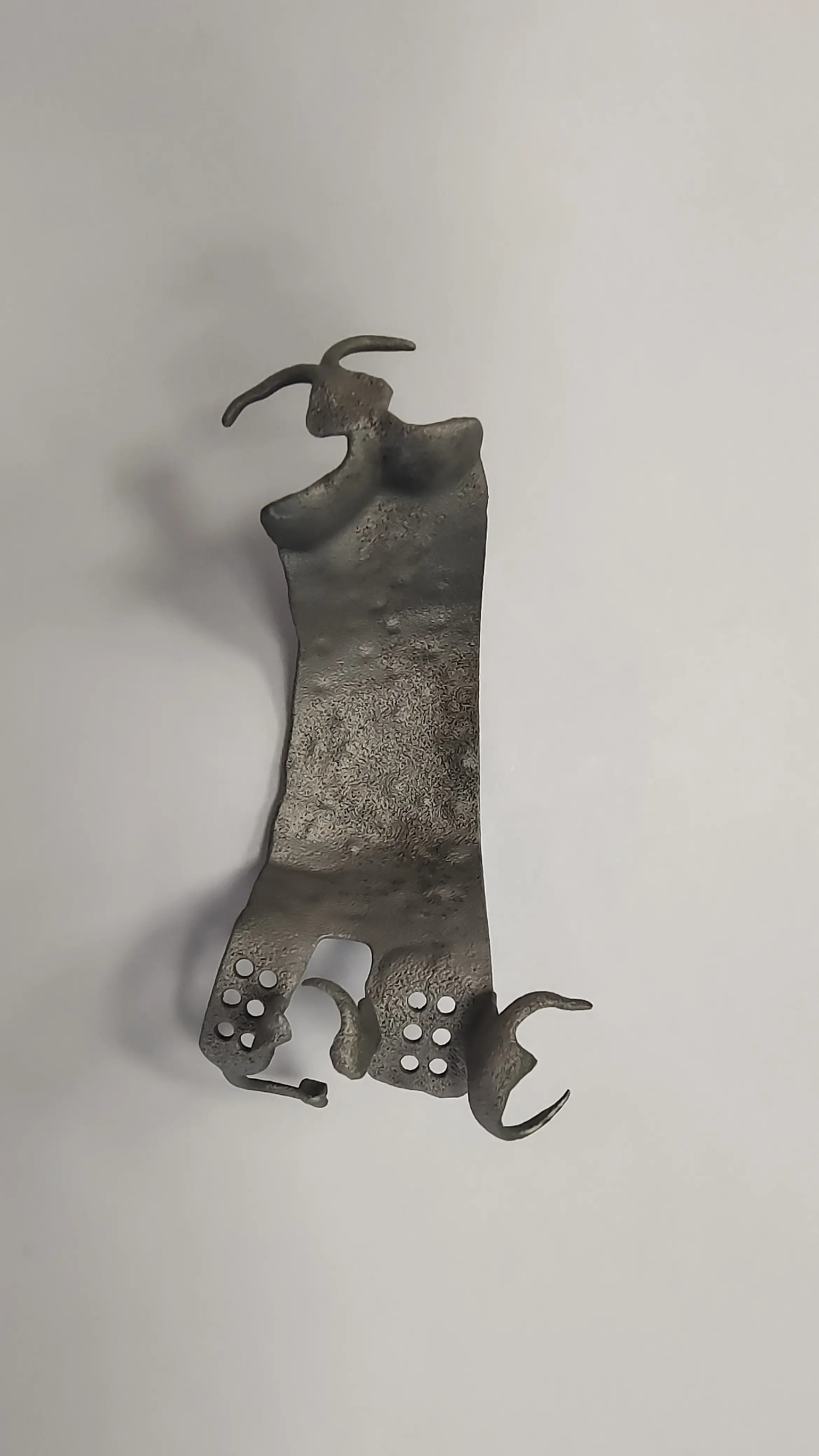
While polymers are well suited to primary structures, critical components benefit from metal processing:
- Brackets to secure the house to the easy wind tree
- Anti-predator access guards (e.g. copper alloy sleeves)
- Custom ventilation inserts regulate internal microclimate
This hybrid approach represents the next step in functional printing – combining polymer efficiency with metal robustness.
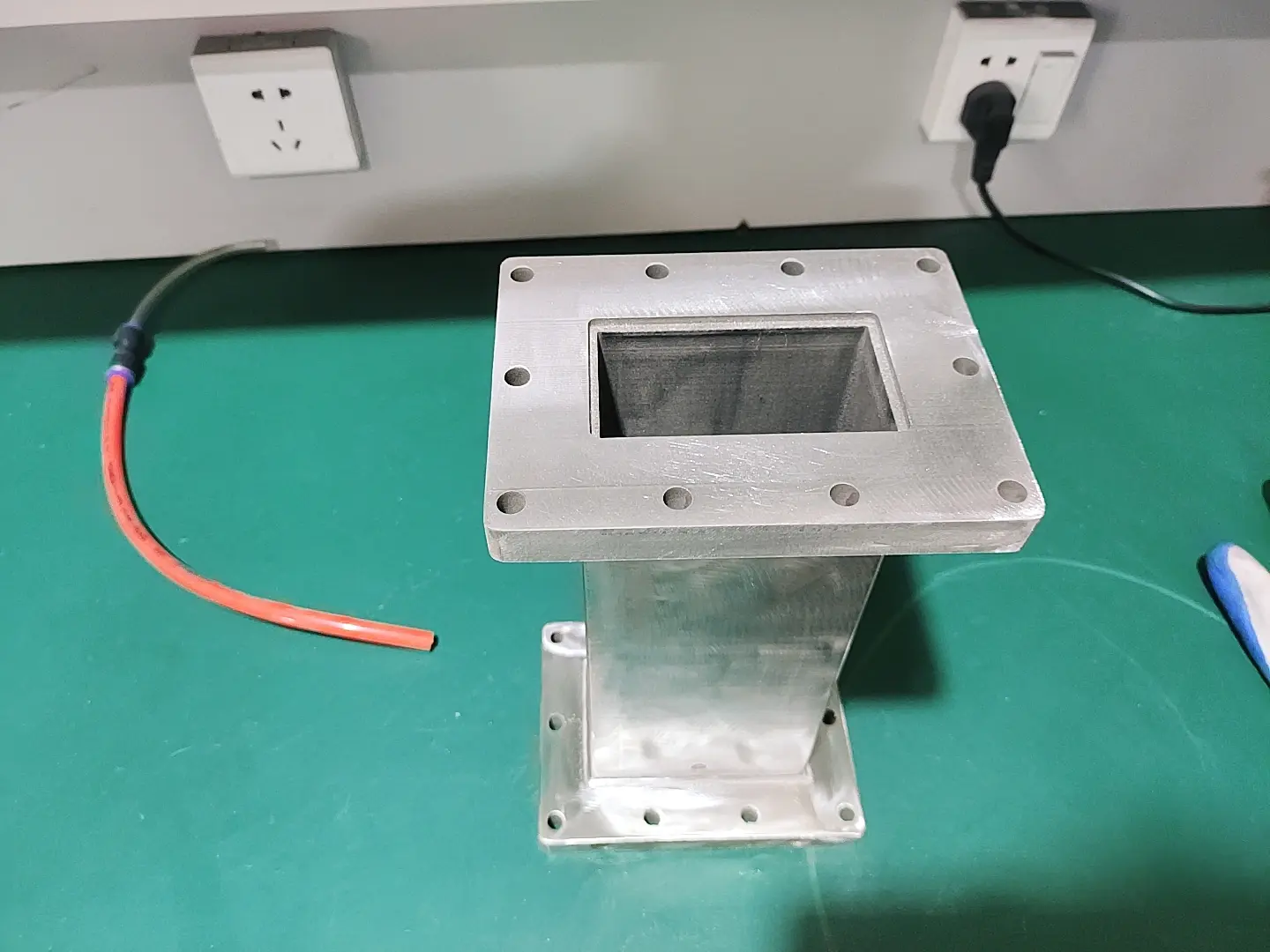
Expert Insights: As a leader in industrial additive manufacturing, huge light Build bridges across these physical realms. our SLM (selective laser melting) printer Crafted titanium/aluminum parts feature a tolerance of ±0.03mm, making them ideal for carrier hardware integrated into the printing ecosystem. From hydrophobically coated custom drain nozzles to stainless steel mounting plates that ensure decades of reliable service, we achieve designs that traditional workshops cannot replicate.
Conclusion: Beyond Backyard Decor
3D printed birdhouses represent more than just a novelty for hobbyists. They show how additive manufacturing enables symbiotic precision between human design and ecological needs. By selecting advanced polymers, optimizing geometries, and pairing prints with strategic metallic elements, the creators crafted shelters that actively support local biodiversity. Whether you print alone or work with a prototyping partner like GreatLight to produce mission-critical components, the end result matters: functional art that gives threatened species a fighting chance amid habitat loss.
FAQ: Uncovering the Secrets of 3D Printed Birdhouses
Q1: Are 3D printed houses safe for birds?
Yes – when using non-toxic, UV stabilized filament (PETG/ASA) and sealing the interior with food grade epoxy. Avoid using PLA outdoors.
Q2: How long do printed birdhouses last?
Properly treated PETG/ASA can last 4-7 years – longer than untreated wood. Coatings can extend that to over 10 years.
Q3: Can I print detailed nesting cavities?
Absolutely. Use parametric organic shapes that cannot be sculpted by traditional means to mimic the cavities excavated by woodpeckers.
Q4: Which birds can effectively use printed houses?
Bluebirds, chickadees, wrens, swallows, and even little owls adapt easily. Match hole size to target species.
Q5: When should metal ingredients be added?
For load-bearing structures (tree stands), predator guards or cooling elements, metal can prevent failure.
Boost your build
Break the limits of plastic. Combining the versatility of polymers with precision metal hardware that’s built to last. For complex brackets, corrosion-resistant inserts or weatherproof assemblies—GreatLight provides agile prototyping solutions. Our ISO-certified facility supports aerospace-grade alloys and post-processing (sandblasting, passivation, powder coating) to enable parts to perform in extreme environments. Submit your specs → Get functional habitat components within 72 hours.
Because the best shelters deserve uncompromising craftsmanship.