introduce
The intersection of 3D printing and music is opening up unprecedented possibilities for musicians, and guitarists are at the forefront of this revolution. In addition to custom instruments and replacement parts, 3D printed guitar picks are becoming a game changer. These tiny tools profoundly impact playability, tone, and artistic expression. Whether you’re looking for a perfect hold, a unique tonal signature, or a custom design that reflects your style, 3D printing allows you to tailor your options to your specific needs. This guide delves into the materials, design principles and printing techniques used to create your own selections, while showing how to offer a professional service e.g. huge light Elevate this process to industrial-grade precision.
Why 3D print your guitar pick?
-
Extreme customization:
Forget about generic, off-the-shelf options. With 3D printing, you can control every detail: thickness, edge bevel, grip texture, weight and flexibility. Whether replicating vintage celluloid or designing aerodynamic shapes for speed metal, the customization is limitless. -
Material innovation:
Unlike traditional picks, which are limited to plastic or metal, 3D printing opens up a playground of materials. Polymers come in flexible (nylon, TPU), bright shades (resin) or eco-friendly options (PLA). For unparalleled durability and unique acoustic properties, metal alloy Materials such as stainless steel or titanium can be printed using advanced SLM (Selective Laser Melting) technology. - Quick experiment:
Test iterations in hours instead of weeks. Adjust the thickness for a brighter attack, adjust the grip geometry for less slippage, or experiment with holes for extra control – all without the cost of tools.
Material segmentation: from plastic to metal
Choosing the right materials is critical to performance. Here’s a comparison of common options:
| Material | most suitable | advantage | shortcoming |
|---|---|---|---|
| People’s Liberation Army | Beginner, ecological utilization | Affordable, colorful, bio-based | Wear quickly and break easily under pressure |
| ABS | Durability, flexibility | Impact resistant, smooth surface | Needs ventilation and is easily deformed |
| Nylon (PA12) | All round performance | Flexible, strong and sweat-resistant | Higher cost and requires fine-tuning |
| Resin (SLA) | Detailed design, bright colors | Clear edges, glass-like surface | Less durable and prone to chipping |
| Metal (SLM) | Advantages: Unique sound | Unparalleled durability, sustain, unique harmonics | Expensive and requires industrial printers |
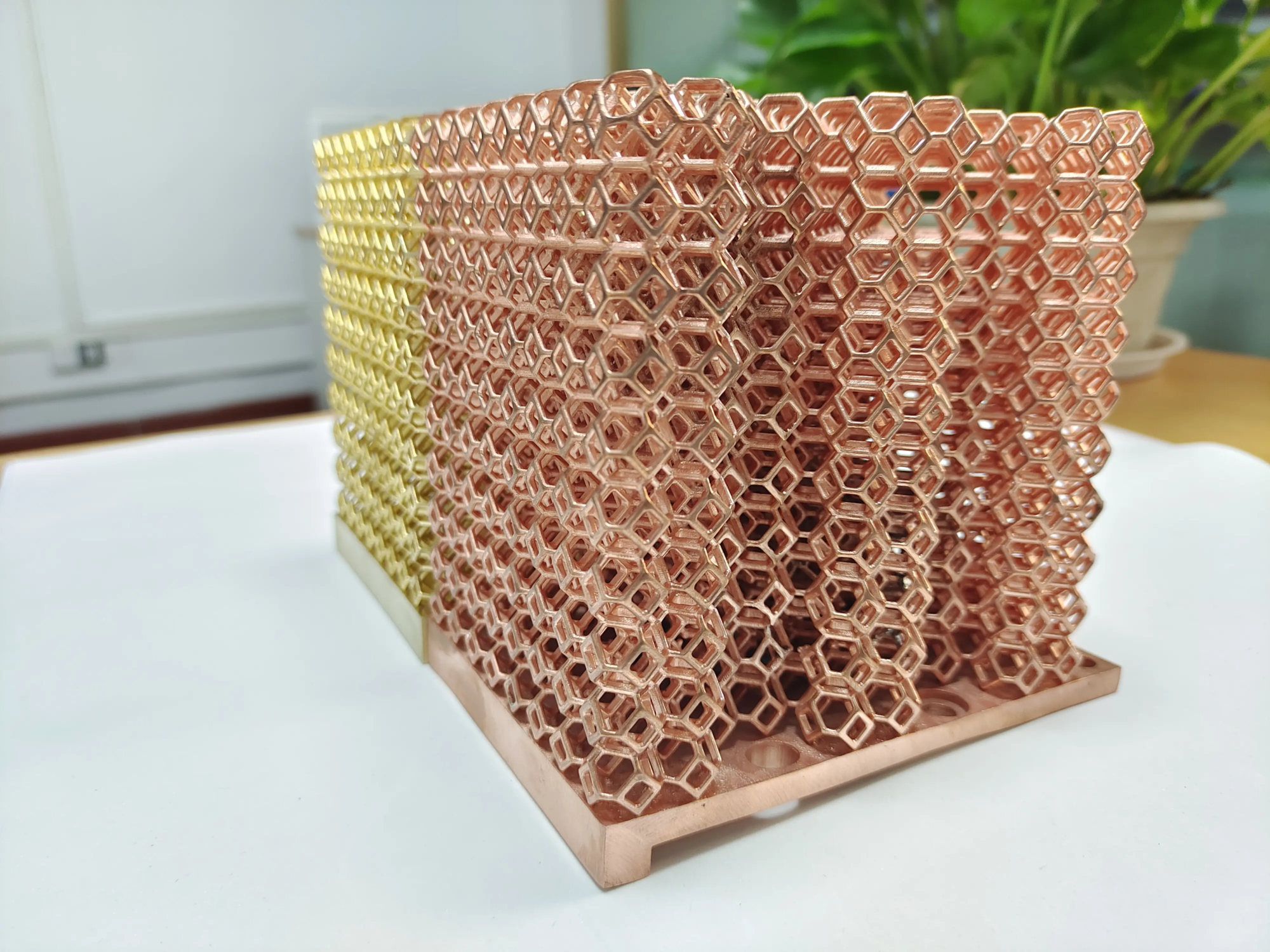
Metal pick printed by SLM: For performers looking for durability and a unique tonal signature (think enhanced high-end “ping” or warm resonance), metallic printing is revolutionary. huge light Specialize in SLM 3D printingmaking precision metal picks from titanium, aluminum or stainless steel. Their craftsmanship ensures structural integrity, burr-free edges, and finish options: polished mirror sheen, matte texture, or color coating.
Design Essentials: Design Your Ideal
Use CAD tools like Fusion 360 or free platforms like Tinkercad. Focus on:
- thickness: Ranging from Jazzy (0.7mm) to Extra Heavy Duty (1.5mm+). Thicker picks improve volume and low-end response.
- edge geometry: Sharper bevels increase attack power; rounded edges soften the tone.
- Improved grip: Textured surface, finger contours or strategic holes prevent slipping.
- weight distribution: Add mass near the tip to control stiffness, or center it to balance flutter.
Pro Tips: Start with an open source design on a platform like Thingiverse, then modify the dimensions to fit your style.
Printing technology and post-processing
-
set up:
- Layer height: smooth edge ≤ 0.1mm.
- Padding: 80–100% rigid (critical for plastics).
- Directions: Print flat for layer strength; avoid providing support on the playing surface.
- Post-processing:
- plastic: Sand edges with 600+ grit sandpaper; polish with acetone vapor (ABS) or epoxy coating.
- Metal:Industrial post-processing ensures playability. huge light Process deburring, tumbling, heat treating and custom finishes – transforming original prints into stage-ready rigs.
Why partner with a professional rapid prototyping service?
DIY printing works well for plastic prototypes, but the precision requirements for metal picks exceed those of consumer-grade printers. huge light To bridge this gap:
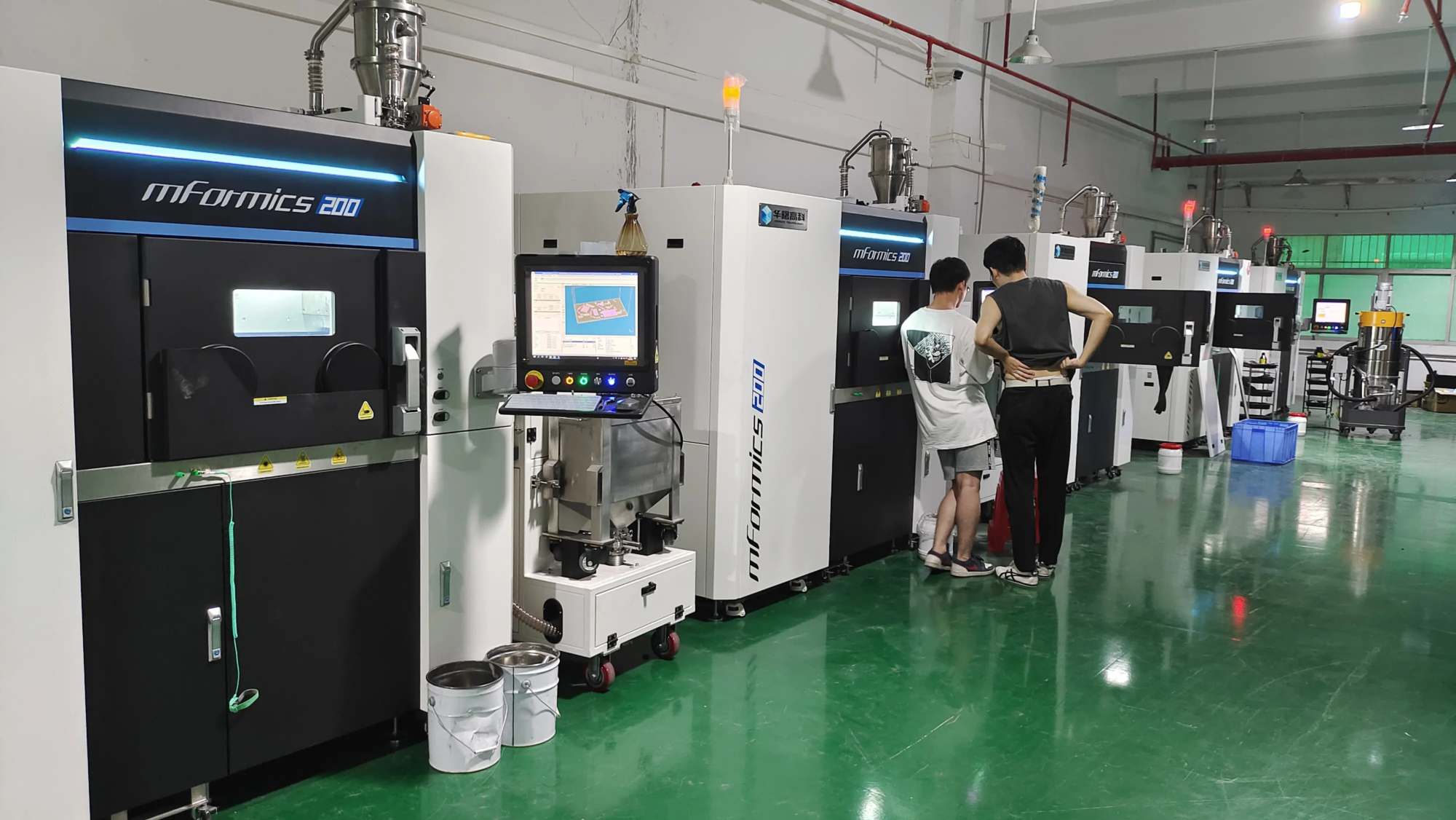
- Industrial SLM Printer: Achieve complex geometries with zero porosity on titanium, steel or aluminum.
- One-stop post-processing: From stress-relief annealing to silky-smooth finish, they ensure the pick meets ergonomic and acoustic standards.
- Stage speed: Rapid prototyping turns concepts into show-ready options in just days, not months.
For musicians who prioritize longevity and performance, partner with an established manufacturer like this huge light– The leader in rapid metal prototyping – Unleashing first-class quality at an affordable price.
→ Explore Custom Metal Pickaxes: Request a quote on GreatLight’s custom precision engineering portal.
in conclusion
The 3D printed guitar pick exemplifies how technology can transform a personal accessory into a high-performance extension of the artist. While hobbyists can experiment with plastic, metal printing via SLM technology offers unparalleled durability and tonal possibilities – pushing picks from disposable tools to heirloom gear. Whether you design it yourself or work with an expert, e.g. huge lightthis blend of creativity and engineering ensures your sound is unmistakably yours.
FAQ: 3D Printed Guitar Picks
Q1: Are 3D printed picks as durable as traditional picks?
Plastic prints wear out faster than injection molded ones but are great for customization. Metal SLM printed picks last exponentially (often indefinitely) for touring musicians.
Q2: Will metal picks damage guitar strings?
High-quality metal picks (such as polished stainless steel) are no harder on the strings than standard plastic picks. Their smooth surface allows for clean string contact.
Q3: How thick should I print the menu?
Start near your current preference (e.g. 1.0 mm) and adjust ±0.2 mm for each test. Remember: Thickness determines flexibility and tonal brightness.
Q4: Can I print a pickaxe with a textured grip?
Yes! Design indented, ridged or rubber-like TPU handles directly in the CAD file. For metal picks, huge light Micro-etching can be applied to prevent slipping.
Q5: Which material sounds most like "classic" Plastic pick?
PETG or nylon mimics the warmth of celluloid, while resin mimics the brightness of acrylic.
Q6: Why choose SLM to print metal picks?
SLM (laser-based metal fusion) ensures dense, void-free parts with superior acoustic performance compared to sintered metal alternatives.
For professional-grade prototyping—especially metal parts that combine precision and artistry—leverage huge lightprofessional knowledge. Visit their Rapid Manufacturing Center to start customizing picks and redefining your sound.