Soaring to new heights: The revolution in 3D printing ultra-slow stick components
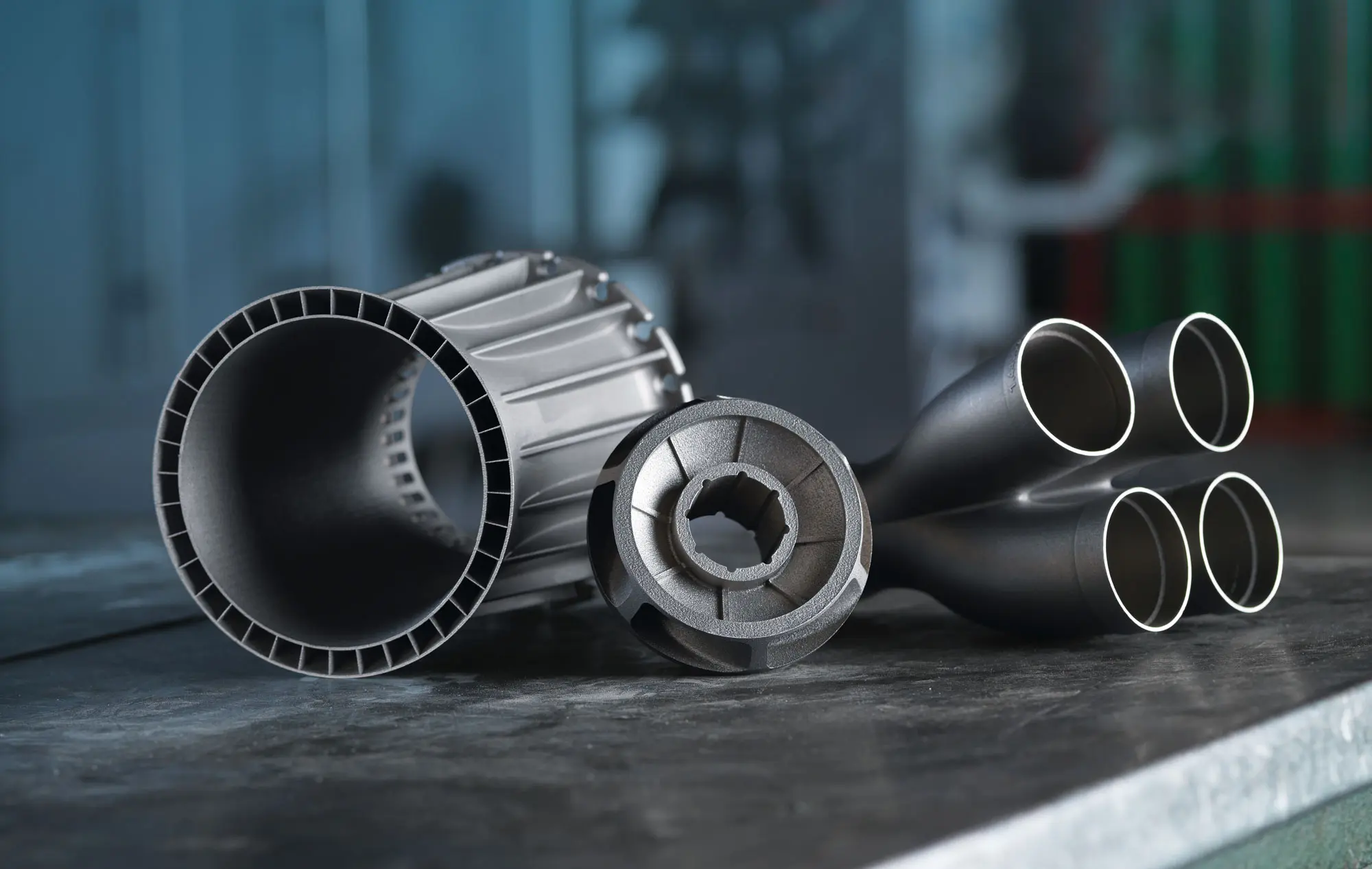
A beloved mainstay in the RC aircraft community, the Super Slow Stick embodies simplicity, ease of use and pure joy of flying. Known for its docile handling and forgiving flying characteristics, it is often the first step into the world of aviation for many enthusiasts and educators. But even classics can benefit from modern innovations. Metal additive manufacturing (AM), specifically selective laser melting (SLM), has changed the way components critical to these processes are designed, prototyped and produced. For engineers, boundary-pushing enthusiasts, or educators looking for durable lab equipment, 3D printing opens up unprecedented possibilities.
Why choose metal 3D printing super slow rod?
While fuselages and wings are still best made from lightweight foams or composites, some load-bearing, highly stressed or complex components are limited by traditional materials such as plastic, wood or basic metal supports. This is where high-performance metal 3D printing comes in, providing solutions that traditional methods cannot meet for specific applications:
- Unparalleled complexity and weight optimization: SLM enables organic, topologically optimized geometries that cannot be milled or cast. Imagine a motor mount with a precisely calculated lattice structure inside it that provides tremendous strength where it’s needed while saving critical weight elsewhere, improving flight time and performance.
- Integrated features: Combine multiple parts into one. Customized control horn brackets integrate bearings, mounting points and stiffeners into a single unit, eliminating assembly failure points and reducing overall component count.
- Excellent strength-to-weight ratio: Aerospace-grade metals such as aluminum alloys (AlSi10Mg, Scalmalloy), titanium (Ti6Al4V) or maraging steels provide excellent strength and fatigue resistance at minimal weight, which is crucial for critical structural elements such as landing gear struts, motor mounts or servo mounts that are subject to vibration and shock.
- Rapid prototyping and design iteration: Need custom accessories for a unique motor, a specialized camera mount, or ruggedized components for an experimental build? SLM enables rapid iteration. Design changes are implemented digitally and new physically tested parts are delivered within days, significantly speeding up development cycles.
- Customized and customized solutions: Every flyer has unique needs. Whether adapting mounts for non-standard electronics, creating aerodynamic fairings for FPV components, or designing specialized mechanisms for research payloads, metal additive manufacturing can deliver truly custom parts tailored to precise specifications without the need for costly tooling costs.
Leverage GreatLight’s SLM expertise to manufacture your RC components
At GreatLight, we specialize in converting complex digital designs into high-integrity metal realities using state-of-the-art SLM printers. Our focus is Precision rapid prototyping and production-grade parts Components perfect for revolutionizing your super slow stick projects:
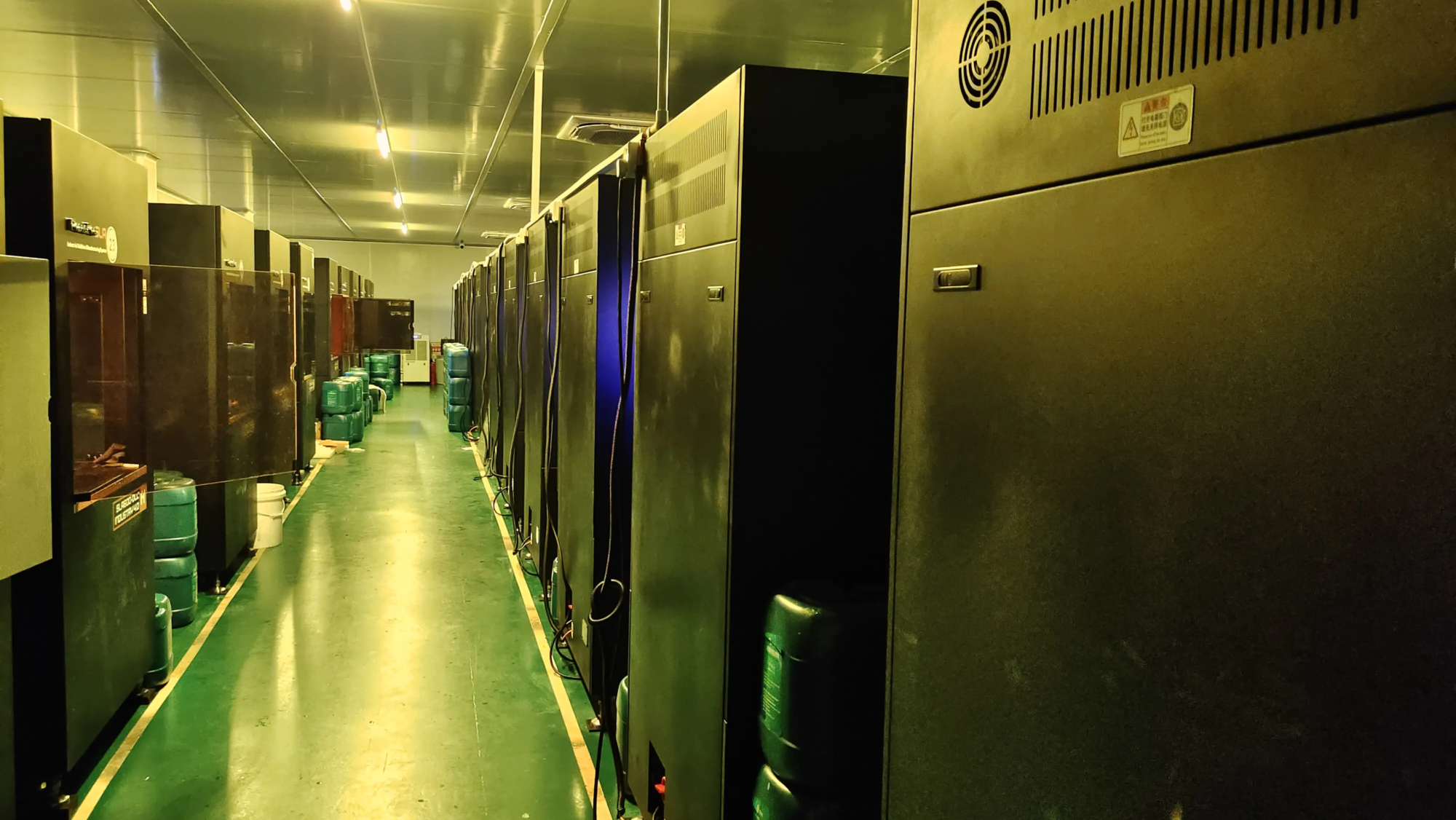
- Advanced SLM technology: We deploy industrial-grade SLM machinery to ensure superior layer fusion, dimensional accuracy (±0.05mm), repeatability and optimal material properties. This isn’t a hobby-grade print; This is industrial quality manufacturing.
- Material mastery: Get a broad portfolio of high-performance metals for remote control applications: lightweight aluminum alloys for flight-critical components, rugged stainless steel (316L, 17-4PH) for corrosion resistance, ultra-strong titanium for ultimate strength, and specialty alloys. We guide material selection based on your part’s specific load, environmental and weight requirements.
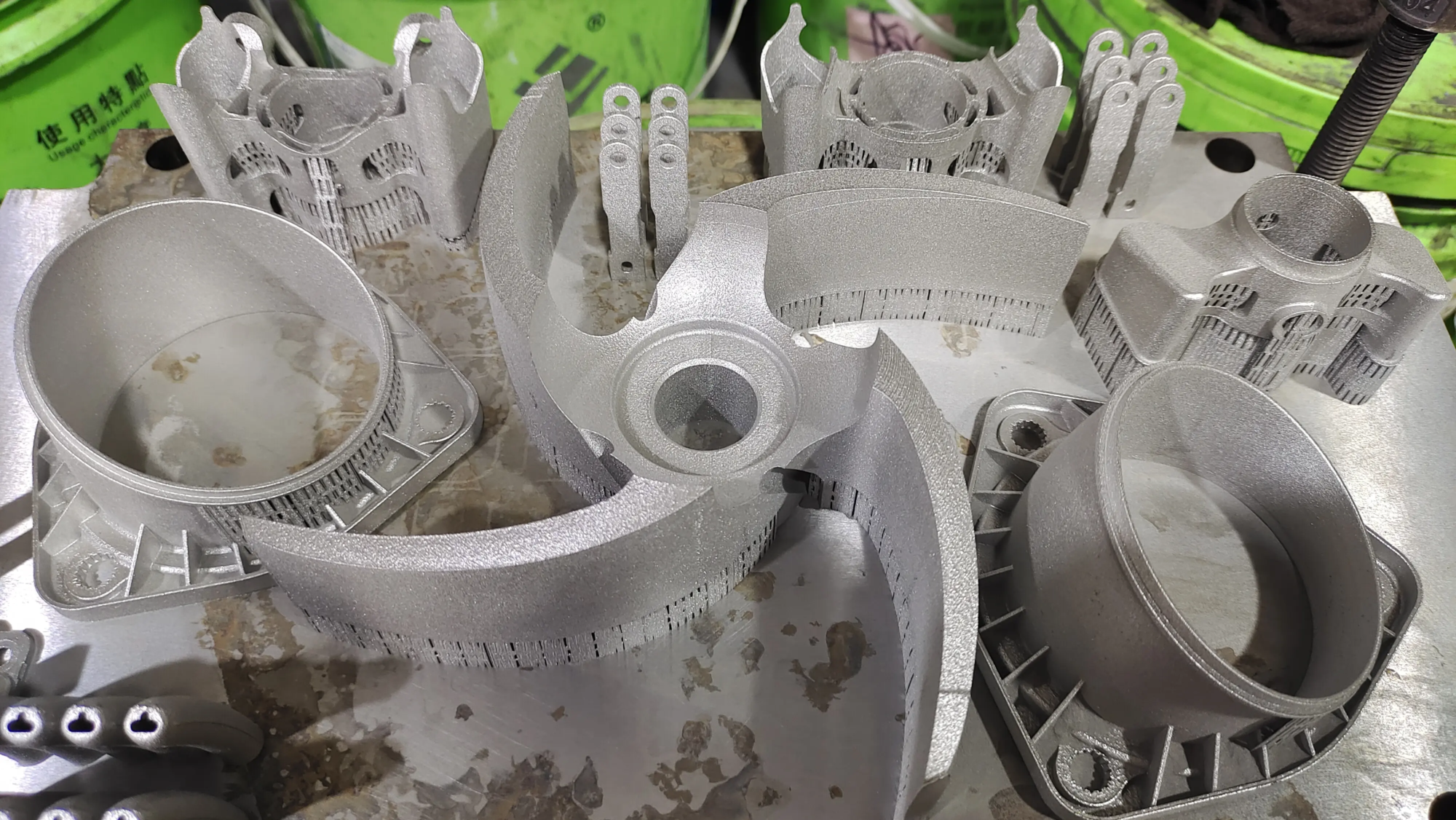
- Comprehensive post-processing: Printing is just the beginning. GreatLight offers a complete set of One-stop organizing service Crucial for functional aircraft parts:
- Precise support removal: critical for complex geometries.
- Stress relief and heat treatment: Optimizing material microstructure to increase strength and durability (especially titanium or tool steel).
- Precision CNC machining: Achieving critical tolerances on bearing seats or mating surfaces.
- Advanced Surface Preparation: Smooth surfaces (via media blasting, tumbling, polishing) to reduce drag or prepare for coating. Electropolishing resists corrosion and enhances flowability (if applicable).
- Protective coating: anodized (aluminum), electroplated, spray painted for aesthetics and environmental protection.
- Design for Additive Manufacturing (DfAM) supports: Our engineering team doesn’t just print your files; We cooperate. We provide expert DfAM guidance to optimize your design for SLM manufacturability – recommending changes to minimize supports, ensure structural integrity throughout the build process, reduce costs and improve performance. We achieve complex designs that are impossible to achieve elsewhere.
Design considerations for 3D printing ultra-slow-stick parts
Maximizing benefits requires designing specifically for SLM:
- Pay attention to wall thickness: Make sure to maintain a minimum wall thickness (typically >=0.4mm for Al/Ti, >=0.3mm for SS) to ensure printability and strength. Avoid overly thick solid parts – use latt