Unleash your inner general: The ultimate guide to creating and customizing 3D printed toy soldiers
The age-old charm of toy soldiers—tiny commanders, brave foot soldiers, gleaming cavalry—continues to fascinate collectors, enthusiasts, gamers and parents. But what if you could design your troops to fit precisely? your Imagine? Enter the world of 3D printing and revolutionize the way we create custom miniatures. This guide takes an in-depth look at everything you need to know about 3D printed toy soldiers, from the initial concept to perfect painting.
Why 3D print your toy soldiers?
Traditional toy soldiers are mass produced, limiting the designs and proportions available to you. 3D printing breaks these limitations:
- Ultimate customization: Design unique uniforms, poses, weapons, factions and vehicles that are impossible to find off the shelf. Want a steampunk Roman legionnaire? Elves driving World War II tanks? You’re limited only by your imagination (and maybe your modeling skills).
- Scale flexibility: Print at any scale, from tiny 15mm skirmishers to large 54mm display pieces, all from the same digital file.
- Replacement and repair: Need another grenadier or a replacement for a broken bayonet? Just reprint it!
- Historical and Fantasy Accuracy: Access a vast library of historical models or fantasy creatures with incredible detail.
- Cost-effective prototyping: Cost-effectively test paint schemes, kits or completely new designs before proceeding to traditional mass production or expensive commissioning.
The journey starts with design
Your army starts with a digital concept. You have several paths:
- Self-Modeling (Advanced): Sculpt your soldiers from scratch using advanced CAD software such as Fusion 360, Blender, ZBrush. This provides maximum control but requires a lot of skill.
- Online Marketplace: Platforms such as MyMiniFactory, Cults3D, Thingiverse, Patreon Creators and more offer thousands of downloadable STL files, ranging from free designs to highly detailed premium models.
- debug: Hire a freelance or professional 3D artist to realize your unique vision. Services like Fiverr or a professional mockup studio can turn your ideas into reality.
- Modify existing files: Modify existing STL for kitbashing (combining parts) using simpler modeling software such as Tinkercad or specialized tools in Slicer.
Choose Material: Plastic vs. Metal
This is critical and depends on the application, budget and desired finish.
-
Plastic (FFF/FDM and SLA/DLP/MSS printing):
- Common: PLA (simple, stiff), ABS (tougher, requires ventilation), PETG (durable, flexible).
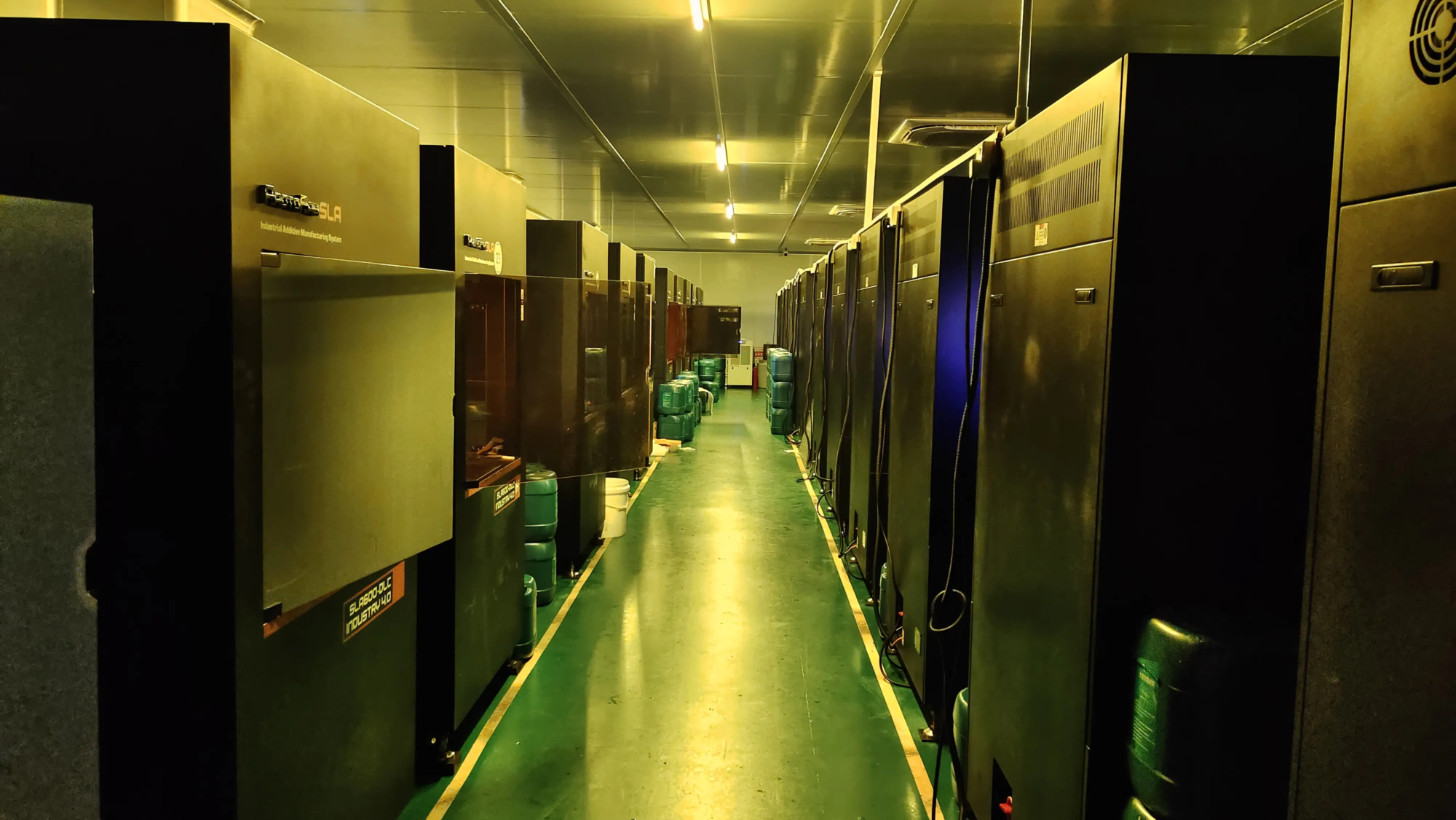
- Best details: Resin (SLA/DLP/MSS): Unparalleled surface detail (<50 microns), smooth surface, ideal for miniature models. Standard resin, ABS-like resin, tough resin and other materials. Proper ventilation, personal protective equipment and post-processing (washing/curing) are required.
- advantage: Low printer/material costs and a wide selection of colors/finishes allow for excellent detail (especially with resin).
- shortcoming: Can be brittle (thin parts) with visible layer lines dominating FFF prints.
- Suitable: Game pieces, detailed collectibles, display models, prototyping power. The most popular choice.
- **meet