Unleash the Fire: The Ultimate Guide to 3D Printing a Pterosaur
Dragon: Mythical symbol of strength, wisdom and freedom. What better way to bring the legend to life than to use 3D printing to build your own majestic dragon with wings spread? Whether you’re a hobbyist, cosplayer, game designer, or just obsessed with fantasy, printing a detailed dragon can be an exciting challenge. While home printers excel at working with plastics like PLA or resin, achieving complex, high-strength or even metal dragons requires expertise—an area the company prefers. huge light Really shine.
This guide guides the journey from concept to creation, addressing design hurdles and recognizing when professionals step in:
Part 1: Inspiration and Design – Laying the Groundwork
-
Conceive your beast:
- style: Gothic gargoyles? Sleek Eastern dragon? Cartoon friends? Define aesthetics.
- Purpose: Static display, articulated toy, mechanical marvel or metal work of art? This determines complexity and material selection.
- size: A miniature statue on your desk or a life-size installation? Scale significantly affects print strategy.
- Find your blueprint: models
- Purchase model: Platforms such as Thingiverse, MyMiniFactory, Cults3D, and CGTrader offer countless dragon models. Keywords: "winged dragon statue," "articulated dragon," "Low poly dragon."
- Main model features: Prioritize models optimized for printing:
- Waterproof net: Make sure there are no holes that could cause the print to fail.
- Manifold geometry: Avoid non-manifold edges confusing the slicer.
- Support structure: Does the model design minimize overhangs (especially under wings, chin, tail)? Are the wings separate or connected? Individual wings are generally easier to print and allow for flexible pose adjustments.
- Detail level: Highly complex scales, horns and wing membranes require high-resolution printing.
- Customized design: For unique visual effects, CAD software (Blender, ZBrush, Fusion 360) is essential. If you use flexible materials later, design the wing with internal structure (such as leading edge spars).
Part 2: Pre-Flight Check – Preparing Dragon for Printing
-
Slicing software magic: Use tools like Ultimaker Cura, PrusaSlicer, or Formlabs PreForm.
- direction: Crucial! Lay the dragon on its side to minimize large overhangs under the wings and belly. Printing a flat or slightly sloped wing requires a lot of support but may result in a smoother surface.
- support: Required for overhangs (>45 degrees). Tree supports typically use less material and are easier to remove from complex shapes. Hug the edge/raft for stability.
- Resolution/layer height: Fine details require lower layer heights (0.1 mm or less for FDM, 25-50 microns for resin). Expect longer printing times.
- filling: Determine weight and strength. For display models 15-25% is enough; for structural parts or post-processing (polishing) it is higher.
- Material selection: from filament to fantasy:
- People’s Liberation Army: Printing is easy, affordable and comes in a wide color range. Fragile for thin wing sections; prone to warping. Good for prototyping/demonstration.
- Polyethylene glycol: Tougher and more temperature-resistant than PLA, and flexible for thin wings. Better interlayer adhesion.
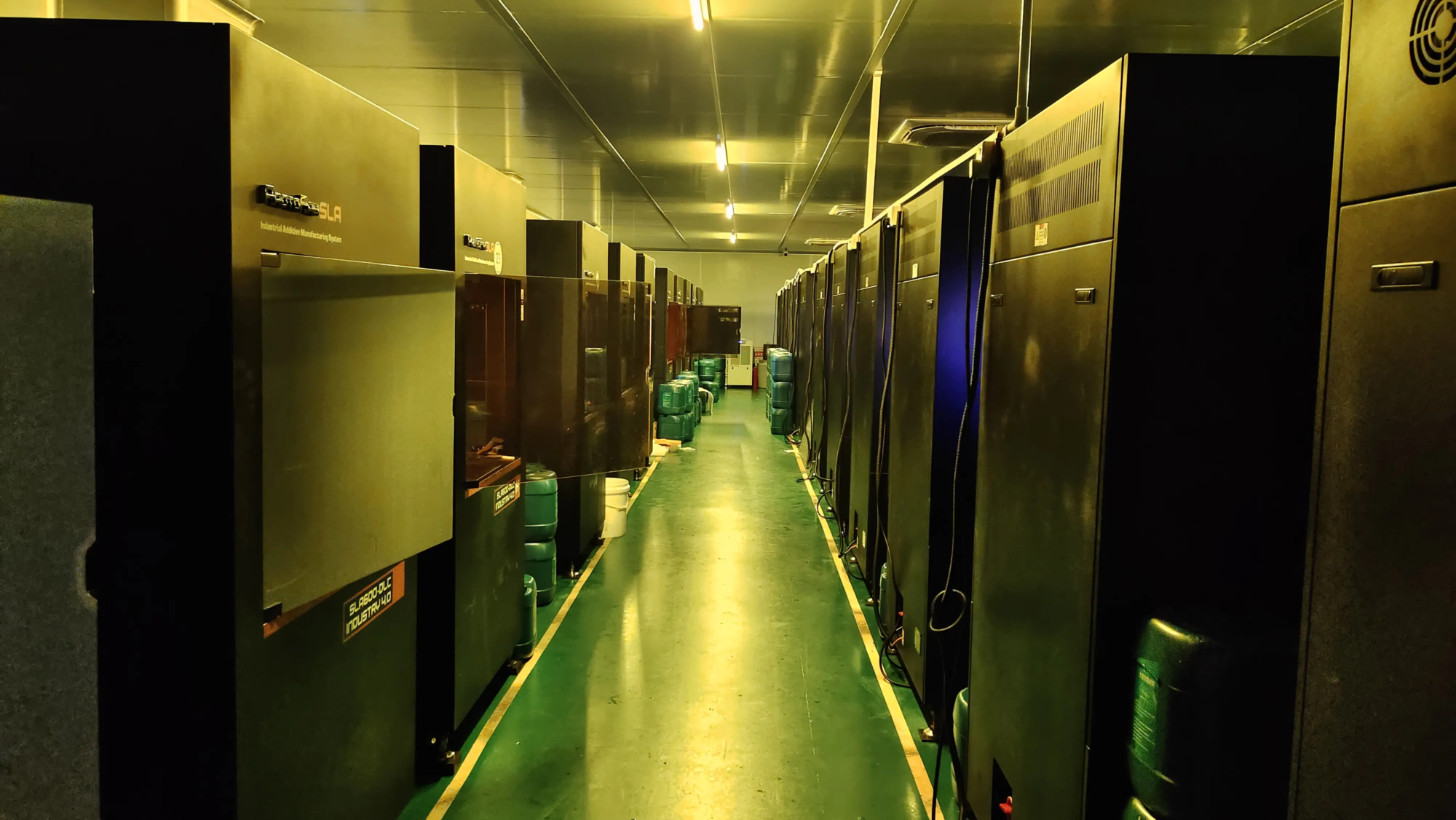
- Resin (SLA/DLP): Unparalleled detail capture of scales, teeth, and claws. Smooth surface. The core wing translucent resin backlight looks incredible! Requires careful handling and post-curing.
- Professional grade solution: When you need metal, exceptional strength or a flawless finish – skip material restrictions:
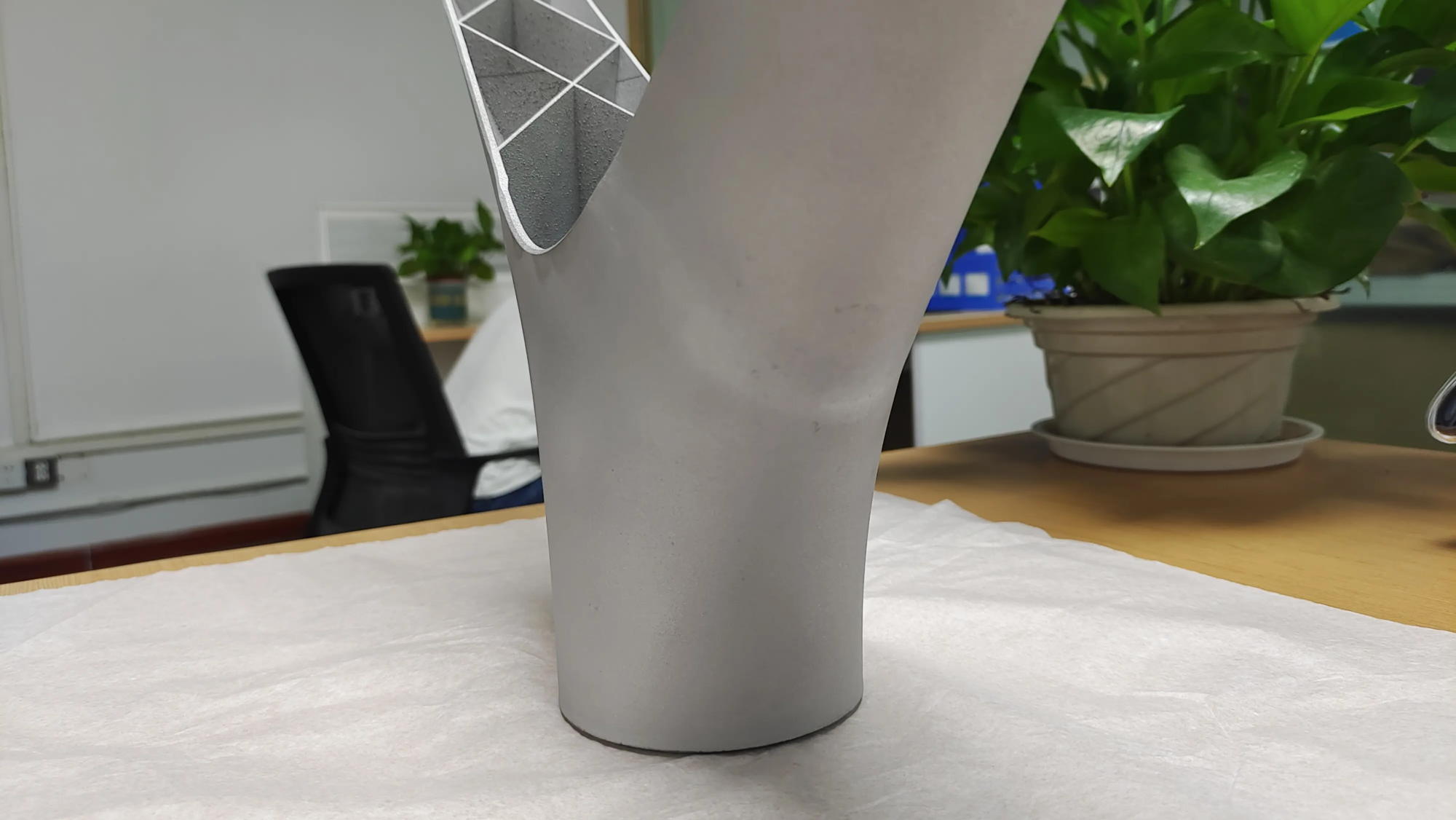
- Metal (SLM/Binder Jetting): Stainless steel, titanium, even aluminum dragon! Achieve incredible durability, weight and unique aesthetics (polished, vintage). Great for jewelry, collectibles, luxury display pieces.
- High performance polymers (SLS, MJF): Nylon (PA12) offers excellent toughness, flexibility (ideal for strong wings) and detail.
Part 3: Printing and Post-Processing – Breathing Life into Your Dragon
-
Print: Make sure the printer bed is level/railed. Monitor the initial layer closely. For large dragons, long seals mean patience is crucial.
-
Support Removal and Cleanup (DIY):
- Carefully cut off the plastic bracket.
- Gradually sand from coarse to fine. Notice those claws and wing edges!
- Use filler (e.g. Bondo, Magic Sculpt) as layer line/support markers.
- Achieve smooth resin prints with a gentle sanding/alcohol bath.
- Professional and perfect post-processing (Glow Professional): Going beyond DIY can produce stunning results:
- Metal Dragon: Requires sintering/metal penetration, heat treatment and special finishing.
- Advanced organizing options: Steam smoothing (for ABS type resin), sandblasting, barrel polishing, CNC smoothing/edging of ultra-precision metal parts.
- Painting and collaboration: Professionally airbrushed, scales/eyes detailed hand painted, electroplated (gold/silver dragon!), protective clear coat. Achieving gradients and washes on dragon scales requires skill.
- assembly: For multi-part dragons, professional gluing/pinning ensures strength and seamless joints