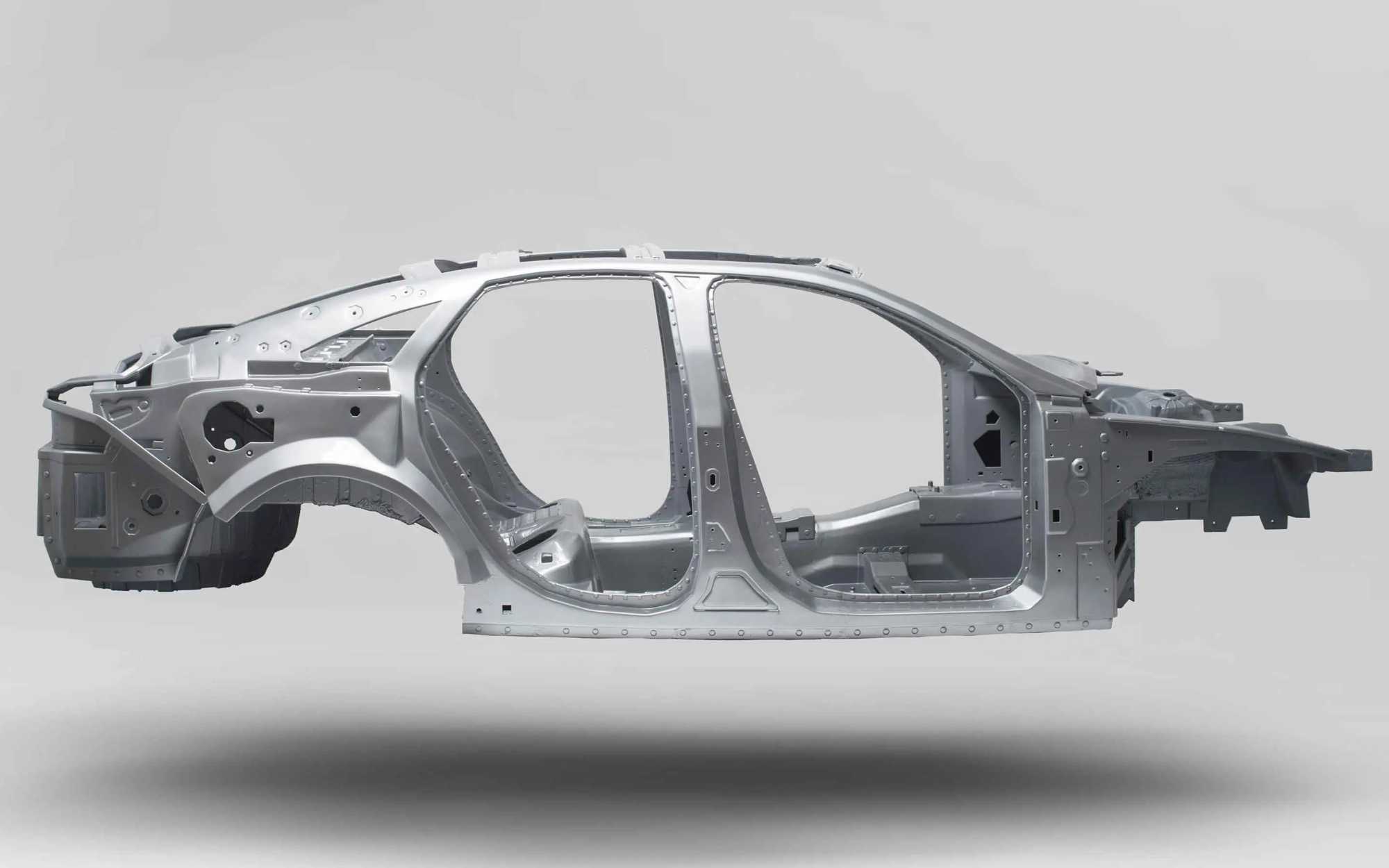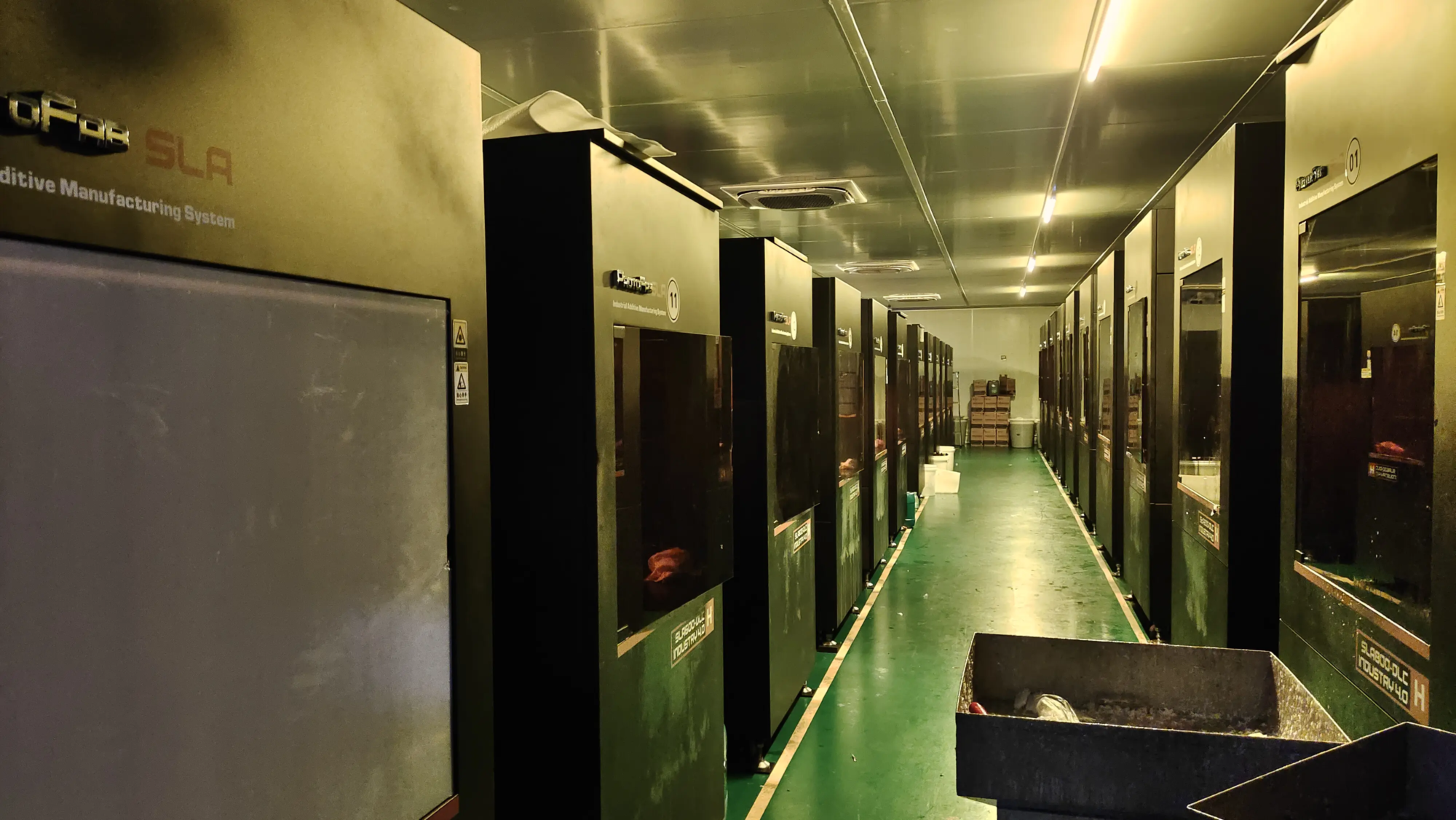
As demand for 3D printing continues to rise, one of the main challenges faced by manufacturers and designers is the speed of production. Traditional 3D printing methods can be time-consuming, which may hinder the development and launch of new products. However, latest advances in technology make it possible to significantly speed up the 3D printing process. In this article, we will explore ways to accelerate 3D printing and discuss the benefits of rapid prototyping.
One of the main ways to speed up 3D printing is to use advanced printing techniques such as selective laser melting (SLM) or selective laser sintering (SLS). These techniques use laser beams to melt and fuse metal or plastic powders to create complex geometry and structures much faster than traditional 3D printing methods. Companies like professional rapid prototyping manufacturer Greatlight have invested in SLM 3D printers and production technology to provide fast, precise metal parts prototyping services.
Another way to speed up 3D printing is to optimize the printing process itself. This can be achieved by adjusting printing settings such as layer thickness, fill density, and print speed. Additionally, using the correct material type can significantly affect printing speed. For example, using materials with higher melting points can allow faster printing speeds without compromising the quality of the final product.
Post-processing and completion of services are also crucial to speeding up the 3D printing process. By providing a one-stop service, companies like Greatlight can help designers and manufacturers quickly transition from prototype to production, reducing overall lead time. This is especially important for custom precision machining, and it is important every minute.
In addition to technical and process improvements, innovative materials have been developed to speed up 3D printing. For example, some companies are working to develop materials with improved thermal conductivity, which can help speed up the printing process by allowing faster cooling and curing.
In short, accelerating 3D printing is crucial to developing and launching new products. By leveraging advanced printing technology, optimizing the printing process and providing one-stop post-processing and completion services, companies like Greatlight are helping to speed up the 3D printing process. Whether used for custom precision machining or rapid prototyping, there is no denying the benefits of fast, accurate 3D printing.
FAQ:
Q: What is the fastest 3D printing technology?
A: The fastest 3D printing techniques are selective laser melting (SLM) or selective laser sintering (SLS), which can produce complex geometry and structures faster than traditional 3D printing methods.
Q: How to optimize the 3D printing process to speed up?
A: You can optimize the 3D printing process by adjusting printing settings such as layer thickness, fill density, and print speed. Additionally, using the correct material type can significantly affect printing speed.
Q: What is the importance of post-processing and completion services in accelerating 3D printing?
A: Post-processing and finishing services are crucial to speed up the 3D printing process by allowing designers and manufacturers to quickly transition from prototypes to production and reduce overall lead times.
Q: What type of material is being developed to speed up 3D printing?
A: Innovative materials are being developed to speed up 3D printing, such as those with improved thermal conductivity, which can help speed up the printing process by allowing faster cooling and curing.
Q: Where can I find a professional rapid prototype manufacturer that can provide fast, precise metal parts prototype service services?
A: Companies like Greatlight are professional rapid prototyping manufacturers that can provide fast, precise metal parts prototype services using advanced SLM 3D printers and production technologies.