Achieve silky-smooth 3D printing without sanding: The ultimate guide
Have you ever admired those perfectly smooth 3D prints online and wondered how they got around the dreaded sandpaper stage? Traditionally, achieving a professional-grade surface finish meant countless hours of manual sanding—a messy, tedious process that could alter details or damage delicate components. Fortunately, the days of relying solely on grinding methods are disappearing. Today, innovative technology and refined craftsmanship can deliver stunningly smooth results directly from the printer or through sophisticated finishing methods that eliminate the hassle of sandpaper.
Why should you avoid sanding? Hidden costs
Although sanding is effective, it also has obvious disadvantages:
- Time and labor intensity: Grinding complex geometries or large batches can consume a lot of time and resources.
- Geometric destruction: Key features, fine details, sharp corners, and textures can be inadvertently trimmed or destroyed.
- Material removal: Uneven material removal may affect accurate dimensions.
- Dust hazards: The generation of fine particulate matter poses health risks (requires PPE) and requires careful cleanup.
- Surface stress: Aggressive sanding may introduce micro-cracks or thermal stresses into the material.
So how can we achieve perfection without courage?
Strategies for Smooth Success: No Polishing Required
1. Master the basics: impeccable printing parameters
- Calibrated perfectly: Carefully flatten your build plate. Incorrect nozzle height (too high = poor adhesion, gaps; too low = nozzle resistance, ridges) is a major cause of roughness.
- High-rise special skills: Select the minimum layer height that the printer can handle reliably. The number of finer layers is greatly reduced "ladder" effect, especially on curves. Consider cutting steep angles perpendicular to layer lines to improve resolution.
- Temperature accuracy: Dial in precise Nozzle temperature required for your material. Under-squeezing (too cold) can cause gaps, while overheating can cause stringing and spotting.
- Speed optimization: Reduce print speed, especially exterior wall/perimeter speed. A slower extrusion allows the molten plastic to settle evenly.
- Cooling control: Cool materials such as PLA sufficiently to prevent sagging and deformation. Conversely, minimize cooling of materials that require layer bonding (ABS, nylon) to prevent warping and cracking.
- Retract and glide: Fine-tune retraction settings to minimize unwanted material collisions like stringing and bleeding. Engage glide near the end of the stroke to stop the squeeze slightly early and allow pressure to escape.
2. Embrace technology: Make the process smoother from the start
- Resin power (SLA/DLP/LCD): Due to its micron-level layer resolution, photocurable resins provide unparalleled surface smoothness directly on the build platform. Technologies such as anti-aliasing software further refine curved edges.
- Powder perfection (SLS/MJF): Laser sintering powder (nylon) produces an inherently grainy "matte" surface. Although smoother than basic FDM, they can still benefit from non-abrasive finishing.
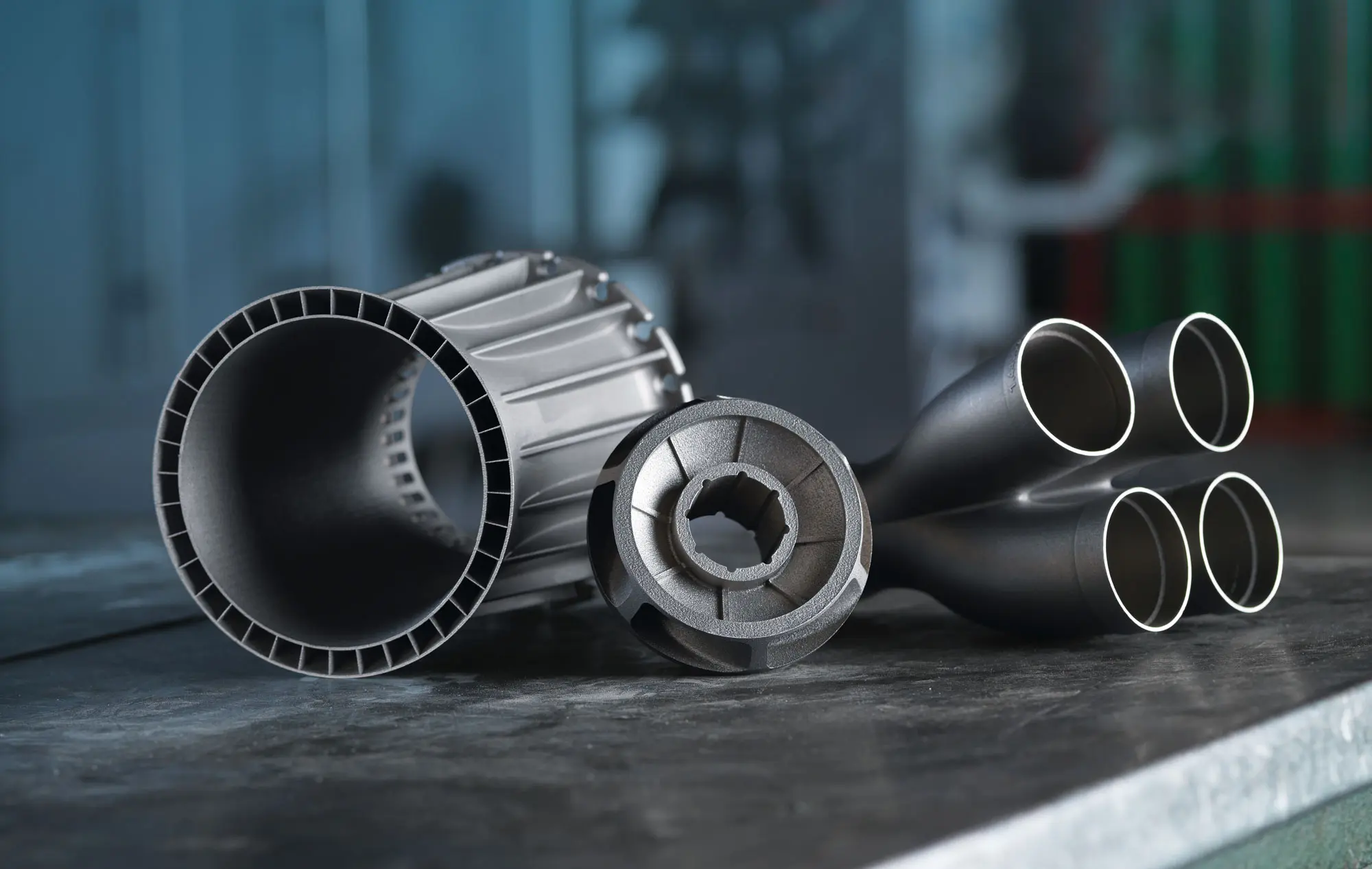
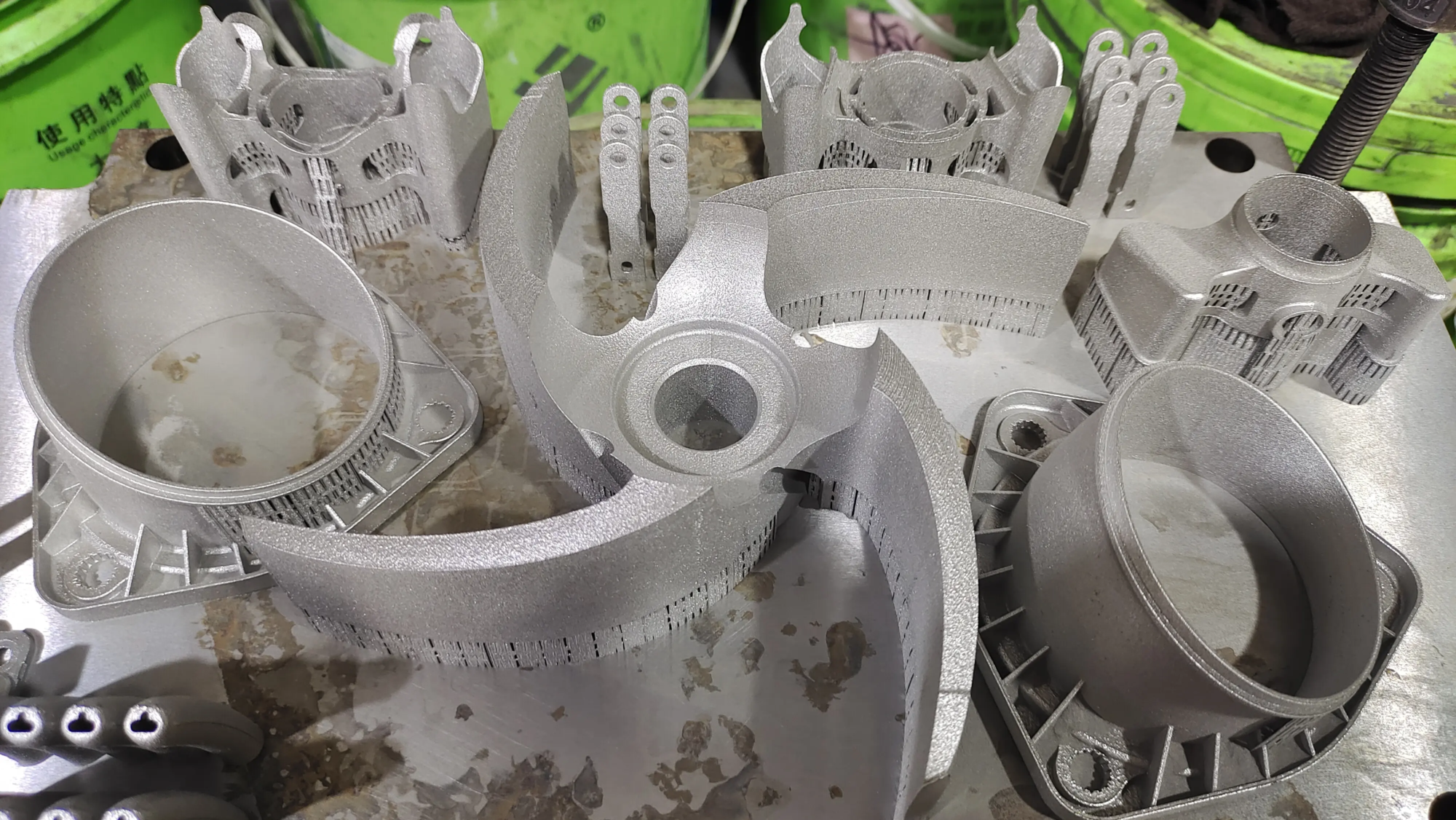
- Metal refining (SLM/DMLS): High-precision metal printing inherently produces smoother surfaces than many fused deposition processes. GreatLight utilizes state-of-the-art SLM equipment and multi-step finishing protocols that specialize in minimizing the need for aggressive sanding of metal prototypes and end-use parts.
3. Chemical Miracle: Eliminate Roughness
- Vapor Smoothing (ABS, ASA): Controlled acetone vapor exposure gently melts the outermost layer of the ABS/ASA print, allowing the layers to flow together to create a smooth surface. critical: Special controls are required – improper exposure can dissolve key features. Prototyping experts like GreatLight utilize precise industrial vapor smoothing settings for consistent, safe results.
- Resin processing (SLA/DLP): Some resins benefit from specialized cleaning solutions that slightly reflow the surface after curing. Always test for compatibility.
- Solvent Dipping/Wiping: Solutions such as THF for some nylons or solvents such as Weld-On for certain engineering plastics can provide a localized smoothing effect. Due to volatility, extra caution is required.
4. Hidden Gems: Filling, Coating and Powder Fusion
- Epoxy Resin/Coating: High build primer epoxy subtly fills in layer lines without blurring details. light sanding possible Required for ultra-smooth paint surfaces after curing, but can be greatly reduced. Clear epoxy coating adds shine and durability.
- UV curable fillers/glazes: Easy-to-apply filler smoothes layer lines before painting. UV activated glaze cures quickly and is easy to apply.
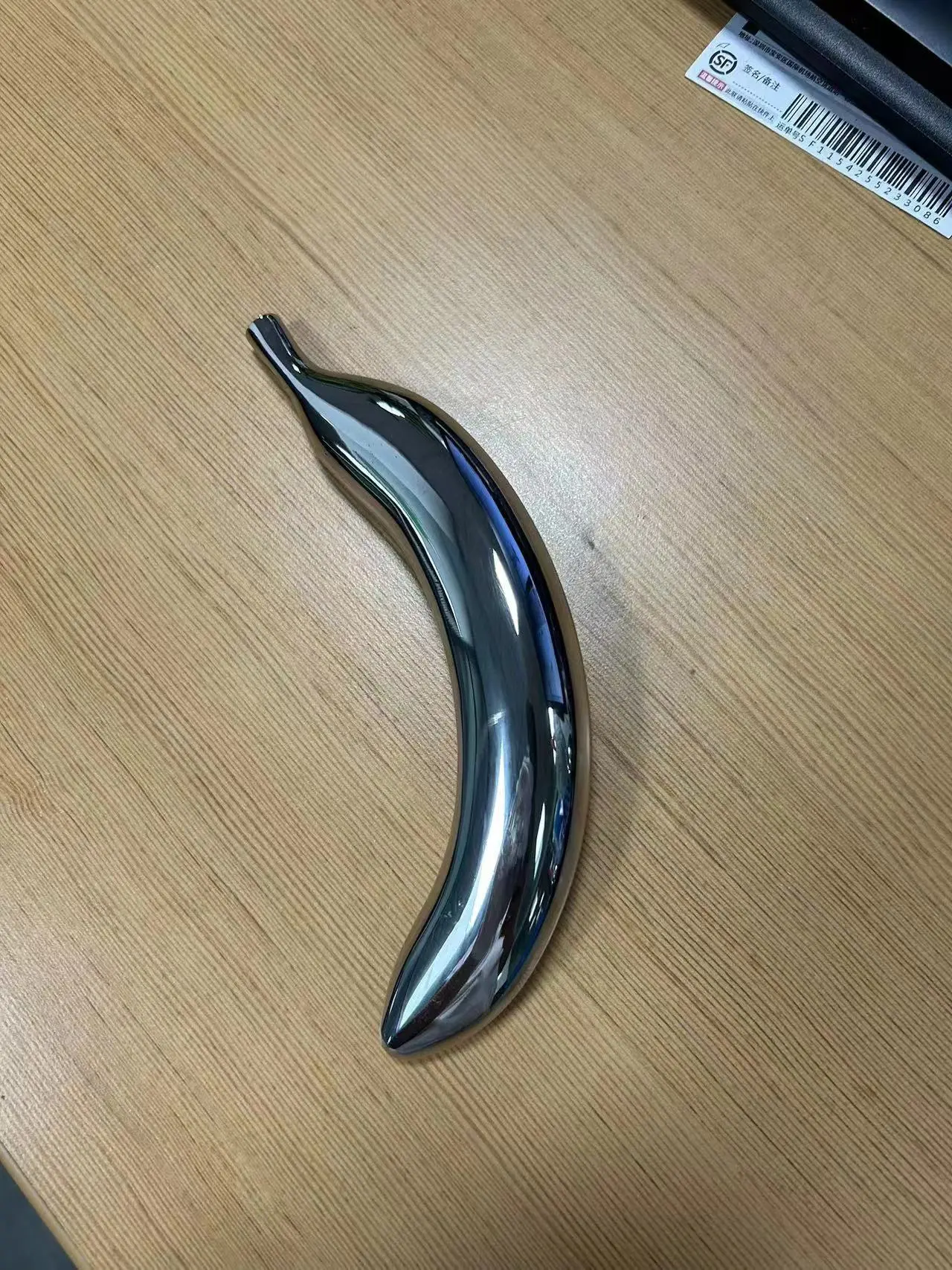
- Polish: For strong materials, such as properly cured resin or metal, a fine polishing compound used with a polishing wheel can bring a high shine without the need for aggressive sanding. huge light Skillfully apply these techniques as part of One-stop post-processing serviceensuring metal and resin parts achieve a dazzling sheen or a perfect matte finish for functional or aesthetic use.
Materials matter: choose wisely for smoothness
- Resin: Naturally performs well in smoothness preprocessing (SLA/DLP/LCD).
- Metal (SLM/DMLS): Offers the potential for a high-density, smooth as-cast finish through optimized printing and expert finishing.
- filament: Results vary. ABS responds well to steam smoothing. PLA/+ is inherently shinier but prone to visible layer lines. PETG has a good balance of strength and moderate smoothness. GreatLight’s flexibility allows for rapid customization and processing of virtually any materialguiding customers to make the best choice between these two features and Finish.
GreatLight: Your partner for easy and smooth 3D printing
Achieving publication-worthy smoothness consistently requires more than just adjustments to the printer. it takes:
- Cutting edge technology: Just like an industrial grade printer optimized for surface quality.
- Material mastery: Gain insights into how each material performs during printing and finishing.
- Process expertise: Proven methods for chemical smoothing, coating, polishing and powder fusing.
- Powerful finishing capabilities: Specialized equipment and skilled technicians deliver professional-grade results.
huge light Excellent performance in all these areas. As a leading rapid prototyping manufacturer with advanced SLM printers and proprietary production technology, we specialize in solving complex prototyping challenges, especially achieving smooth metal surfaces efficiently. We’ve eliminated the grinding bottleneck:
- Optimize printing: Achieve near-net shape smoothness with precise SLM/SLA/FDM technology.
- One-stop organization: Comprehensive post-treatment package including expert vapor smoothing, resin coating, epoxy filling and metal polishing services.
- Speed and customization: Fast turnaround of custom parts in a wide range of material portfolios, designed to meet precise surface finish requirements.
Don’t sacrifice time and detail for sandpaper. Leverage technology and expertise to get perfect results.
in conclusion
Achieve smooth, professional-grade 3D printing without the chore of polishing. By carefully fine-tuning print settings, choosing the appropriate technology (e.g. SLA/SLM), utilizing targeted chemistries (vapor smoothing, solvents), and utilizing sophisticated coating or polishing techniques, layer lines will become a distant memory. Work with an experienced provider such as huge light Unlock advanced equipment, deep materials expertise, and professional finishing services to transform your prototypes and end-use parts into perfectly smooth masterpieces, ready for immediate application. Embrace the future of 3D printing – smoothness without sandpaper and hard work.
FAQ: No sanding required for smoother 3D prints
Q1: Can FDM printer be used? really Achieve smooth printing without any Polish?
A1: "smooth" It’s relative. FDM printing typically requires smallest Finishing versus heavy sanding. Perfect alignment, tiny layer heights, slow speeds, and post-processing like coating/filling can produce very smooth surfaces. However, achieving a resin-like sheen often requires chemical treatment (for compatible materials) or specialized coating application, especially on complex geometries. Chemical smoothing or coating becomes critical.
Q2: Is steam smoothing safe? Won’t acetone damage parts?
A2: Acetone Vapor Smoothing (for ABS/ASA) is powerful, but risky without experience: overexposure can dissolve features. Safety is paramount: Proper ventilation, personal protective equipment and fire prevention measures are required (acetone is flammable). Industrial units used by professionals like GreatLight provide precise control and safety protocols to reduce risk. DIY attempts require extreme caution and extensive testing.
Q3: What is the easiest "No need to polish" Beginner’s approach?
A3: For FDM beginners:
- Optimize layer height: use 0.1 mm or less.
- Slow down the facade/perimeter.
- Prioritize PLA: Its inherent luster shows less layering than textured filaments like PETG or ABS