Why every 3D printing enthusiast needs an acrylic enclosure
If you’ve been struggling with issues like warped prints, inconsistent adhesion between layers, or noisy printing processes, acrylic enclosures can transform your 3D printing workflow. These transparent structures are common in FDM/desktop 3D printing and provide more than just visual access to the print. They create a controlled microclimate that is critical to material stability, safety and precision. Below, we’ll break down everything you need to know.
🔍What is an acrylic shell?
The acrylic enclosure is a clear box surrounding the 3D printer, made from laser-cut polymethylmethacrylate (PMMA) panels. Unlike flimsy plastic or insulating alternatives, acrylic is optically clear, impact resistant, and thermally stable. Ideal for printers in the workshop, lab or home, it absorbs heat, contains particles and blocks external airflow interference.
✅ Main advantages
-
temperature regulation
- Problem solved: Warpage and layer separation of ABS, Nylon and PC.
- how?: The enclosure maintains a consistent temperature (usually 10-15°C above ambient temperature), preventing rapid cooling.
-
security and containment
- Eliminate drafts that destabilize printing.
- Captures nanoparticles (UFPs) and volatile organic compounds (VOCs) emitted during the printing process and redirects them through filtration.
- Reduce the risk of fire by sealing off heat sources.
-
Noise reduction
Reduce motor and fan noise by up to 50% for less disruptive 24/7 printing. - Print quality and versatility
- Stabilizes moisture-sensitive filaments such as PETG.
- Ability to print high-temperature engineering materials unreliably on open printers.
🛒 Prefabricated casings and DIY casings
| type | advantage | shortcoming |
|---|---|---|
| prefabricated | Precise fit, quick installation, tool-free | Limited printer compatibility |
| DIY kit | Custom design, expandable size | Assembly complexity |
DIY tips: Use 3-5mm cast acrylic (not extruded) for scratch resistance. Seal seams with silicone to prevent heat loss.
⚠️ Key design considerations
- ventilation: Install vents with HEPA/activated carbon filters to handle emissions from specific materials.
- Accessibility: Includes magnetic doors or sliding panels for easy interaction with the bed.
- Thermal management: Add silicone gasket around door for added insulation.
- Sensor integration: Embedded temperature probe and automatic fan to prevent overheating.
Pro-Tech Description: Lay PET film on the acrylic panel to achieve fire resistance (UL94-V0 rating).
🛠️DIY building steps (simplified)
- measure Size of your printer, add 6-8" For cabling/ventilation spaces.
- cutting panel: Laser cutting of acrylic sheets using CAD-based templates.
- gather: Adhere panels using acrylic cement or interlocking aluminum profiles.
- upgrade:Install LED lighting, filters and thermal monitors.
🔄 Acrylic alternatives
- wood: Low cost insulator, but flammable and has visual limitations.
- polycarbonate: Tougher than acrylic, but will turn yellow under UV light.
- Metal: Ideal for fireproof industrial settings (such as SLM printers), but can block visibility.
in conclusion
Acrylic shells take desktop 3D printing from hobbyist experimentation to semi-professional precision, solving warping, smoke, and noise issues while letting you monitor print results. But when your project requires advanced prototyping using metals like titanium, aluminum, or tool-grade steel, acrylics alone won’t cut it.
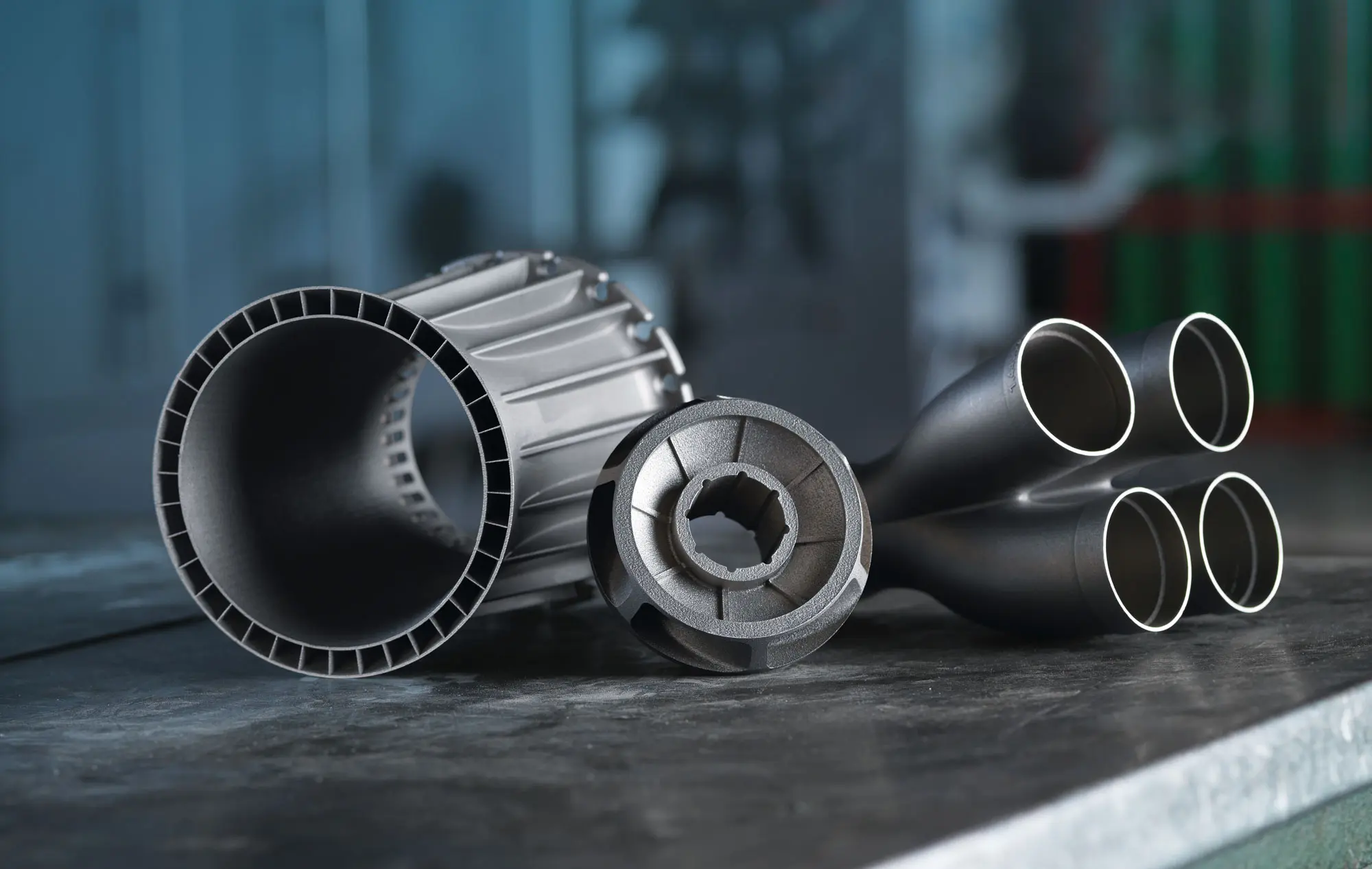
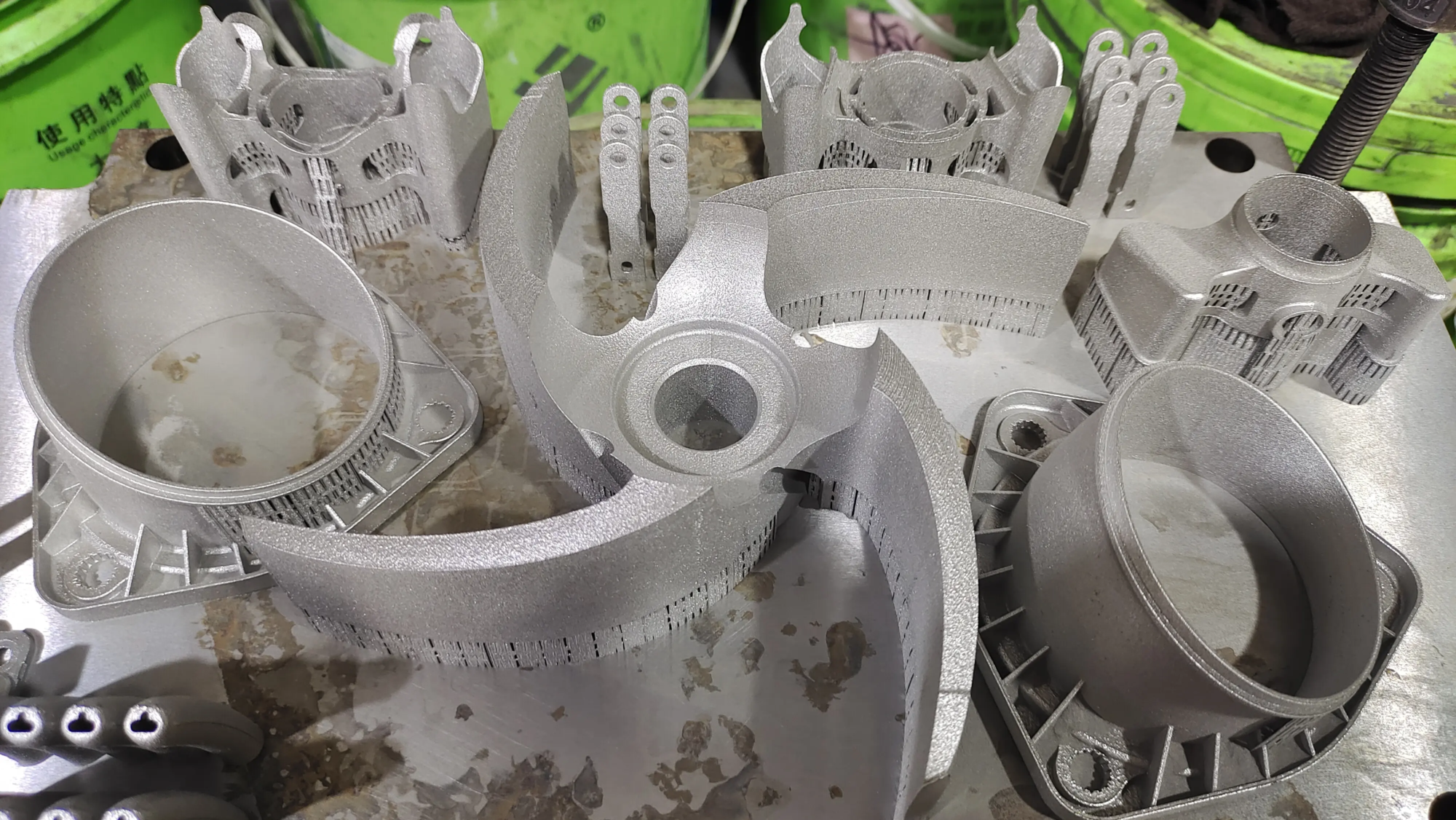
🔥 This is where GreatLight excels. As a leader in industrial rapid prototyping, we deploy Laser driven SLM (Selective Laser Melting) A system that fuses metal powders into complex end-use parts. Unlike desktop FDM, our enclosed chamber achieves 800°C+maintaining an inert argon environment and achieving a tolerance of ±0.025mm.
From aerospace stents to medical implants, we handle complex geometric shapes cannot be achieved by CNC machining and provide Full support:
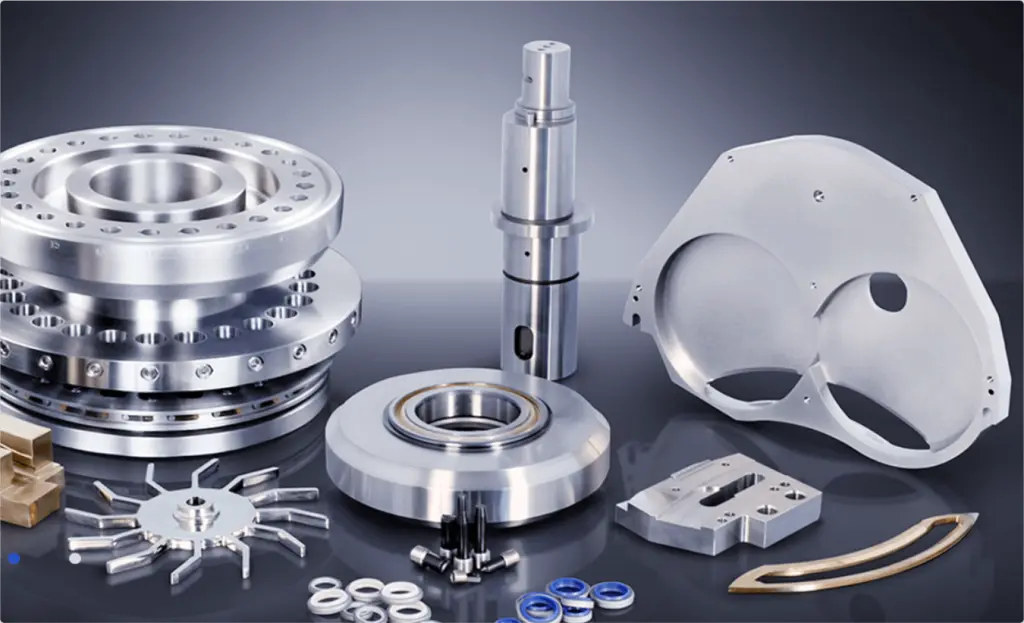
- Post-processing: Heat treatment, shot peening, surface polishing.
- Material flexibility: Stainless steel, cobalt-chromium alloy, Inconel®.
- speed: Functional prototype delivered within 48 hours.
Whether you’re iterating on an ABS prototype in a DIY acrylic box or need flight-certified metal parts, GreatLight quickly connects prototyping to production.
Experience industrial-grade additive manufacturing: request a custom quote today!
FAQ
Question 1: Can I retrofit an acrylic housing for any 3D printer?
A: In most cases yes, measure the frame height/nozzle clearance first. DIY kits allow for parametric customization.
Q2: Will the acrylic shell cause overheating?
Answer: No ventilation, yes. If chamber temperatures exceed 50°C, use a filtered exhaust fan.
Q3: Is there a plastic acrylic shell? cannot promote?
A: PLA prefers cooling; the outer shell may soften it. Unless you’re printing a large model, stick to PLA in the open.
Q4: Why choose GreatLight for metal prototyping instead of cheaper services?
A: Our SLM printers produce parts with >99.7% density and certified mechanical properties. we combine Materials science expertise, Post-processing accuracyand ISO 9001 compliance–Critical for the medical/aerospace sector.
Q5: Can GreatLight be used for post-processing?
A: Yes, we offer CNC machining, EDM and microblasting for ready-to-deploy parts.
Q6: What is the lead time for metal prototypes?
A: Urgent projects can be completed within 2 days at the earliest, with complete DFM feedback within 12 hours.
Ready to prototype? Visit GreatLight to upload your design – we’ll take care of the rest.