Adult 3D Printer Buying Guide: Precision, Practicality, and Possibilities
Whether you’re an engineer prototyping a product, a designer realizing a concept, or a hobbyist exploring DIY projects, entering the world of 3D printing opens up a new dimension of creativity and problem-solving. As adults, we prioritize practicality, reliability, and return on investment. Unlike casual enthusiasts, our expectations tend toward precision, functionality, and seamless integration into our workflows. This guide cuts through the noise and helps you choose a 3D printer that delivers professional-grade results.
Why buy vs. outsource? Define your needs
Before looking into the machine, ask: "Do I really need to own a printer?" While ownership provides iterative creativity and adjustments can be made on the fly, Complex projects often benefit from expertise. consider:
- Custom metal parts? Production-level metal printing (SLM) requires expensive industrial equipment and expertise.
- Small batch production? Balancing time, material costs and post-processing labor adds complexity.
- Is post-processing required? Grinding, heat treating, or precision machining may require tools outside of your home setup.
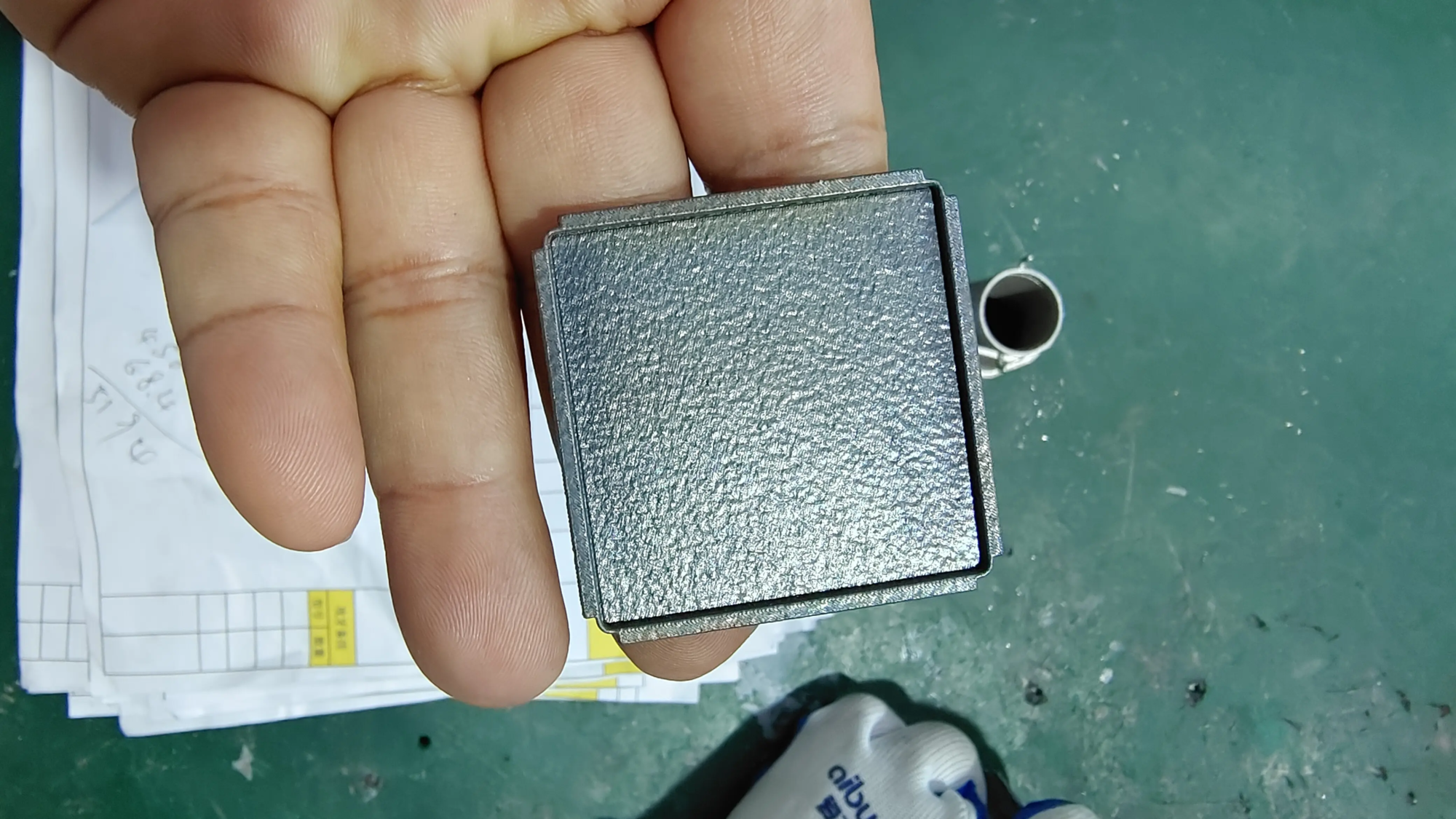
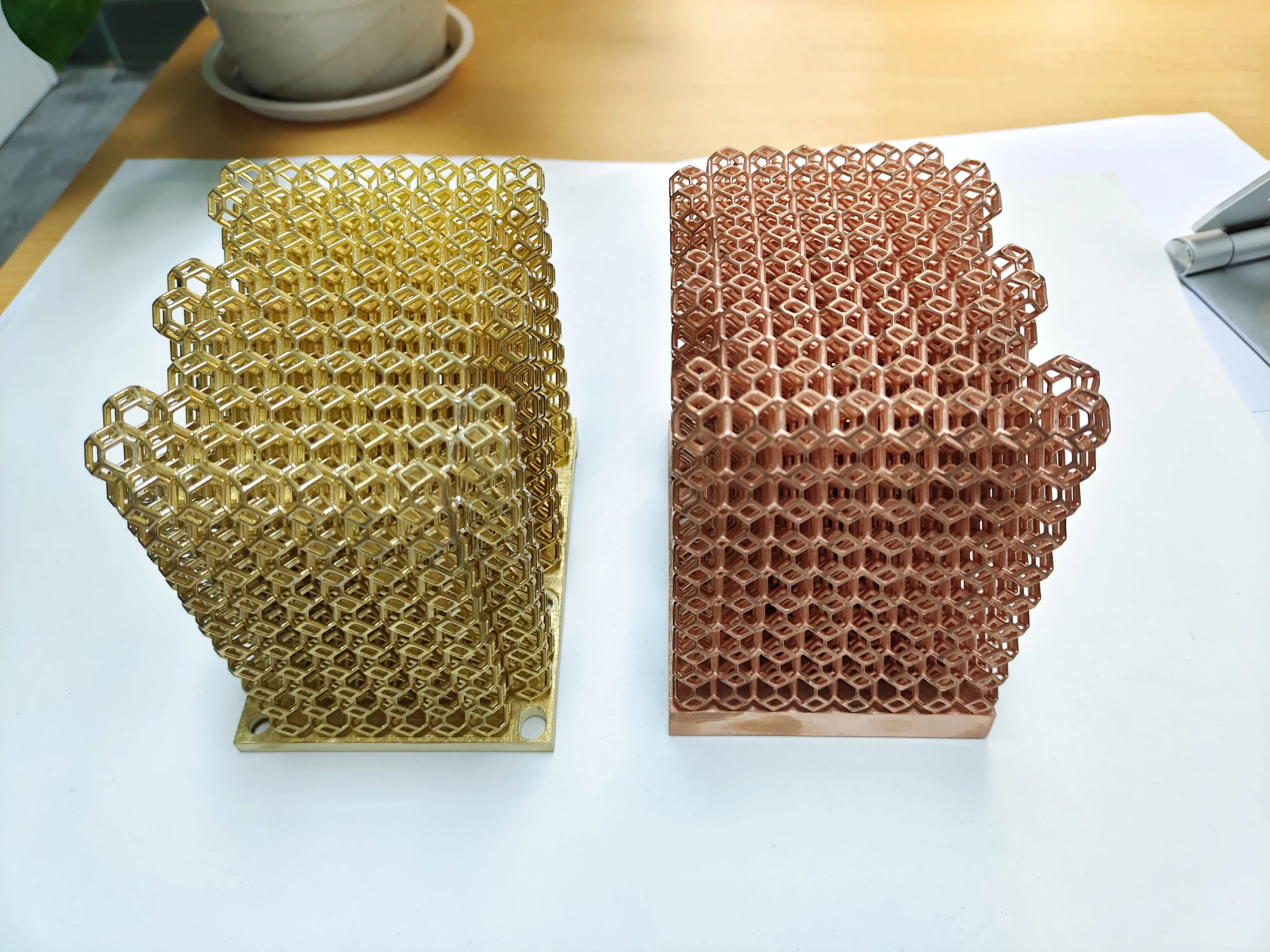
To meet these challenges, partner with rapid prototyping experts huge light Probably strategic. With advanced SLM printers and full-cycle finishing services, they can efficiently handle complex metal prototypes or custom polymer parts. But if you’re looking for the in-house ability to iterate, go ahead.
Basic buying considerations
1. Printing technology: matching purpose with process
Core technology determines accuracy, materials and maintenance:
-
FDM (Fused Deposition Modeling):
- advantage: Affordable wire (PLA, PETG), user-friendly assembly kit, low operating complexity.
- shortcoming: Layer lines are visible; accuracy of microscopic details is limited.
- Best for: Functional fixtures, low-cost prototypes, educational projects.
-
SLA/DLP (resin based):
- advantage: Excellent surface smoothness, intricate details (ideal for jewelry, dental molds).
- shortcoming: Requires chemical treatment (isopropyl cleaning) and standard resin is brittle.
- Best for: High detail miniatures, medical/dental applications.
- SLS/SLM (industrial laser sintering):
- Industrial special systems: These printers use laser-melted nylon powder (SLS) or metal powder (SLM). Out of reach for homebuyers due to cost ($200k+) and safety/environmental requirements.
- Our view: Outsource complex metal projects such as aerospace components or heat-resistant automotive components to experts such as huge light Often proves to be cost effective. their SLM printer combined with CNC post-processing Delivers certified metal prototypes that cannot be replicated on desktop equipment.
2. Volume and practicality
Resize the build plate according to the intended project:
- Desktop printer: Usually 200x200x200 mm to 300x300x400 mm. Perfect for homewares or scaled-down prototypes. Larger printers require a more stable floor (weight/vibration).
- Scalability: Need car parts or architectural models? Consider outsourcing. For example, GreatLight’s SLM systems can accommodate oversized aerospace parts with customized production workflows.
3. Material compatibility: the engine of innovation
Desktop printers can handle PLA or ABS thermoplastics, some TPU flexible materials and resins. But what about materials like titanium, Inconel or ceramic composites? These are still the domain of industrial shops. For specialty polymers (PP, PC) or metals, working with a manufacturer can expand the possibilities without the cost of hardware.
4. Accuracy and Calibration Points
Priority is given to the following printers:
- Automatic bed leveling, grid compensation sensor
- Closed chamber (ABS/engineering resin temperature stable)
- Double extrusion? Useful for soluble supports or multi-color work – do you have CAD/CAM experience to optimize your workflow?
5. Software and learning curve
Open source slicers (Cura, PrusaSlicer) are free but require learning. Black-box proprietary software reduces hassle—critical if rapid prototyping fits into your deadlines.
6. Upfront Cost vs. Lifetime Value
Entry-level FDM is expected to cost $200-500, and prosumer resin/SLA is expected to cost $2000-5000. SLM printers start at over $200,000. factor:
- Maintenance (nozzles, resin barrels)
- Materials ($20-50/kg filament; industrial resin/metal powder prices higher)
- Post-processing costs (sandblaster, curing station)
For occasional, precise deliverables (for example, patent prototypes that require ISO certification), outsourcing can avoid capital expenditures. GreatLight certifies materials, ensures weldability/density testing, and handles anodizing/powder coating—simplifying the entire pipeline.