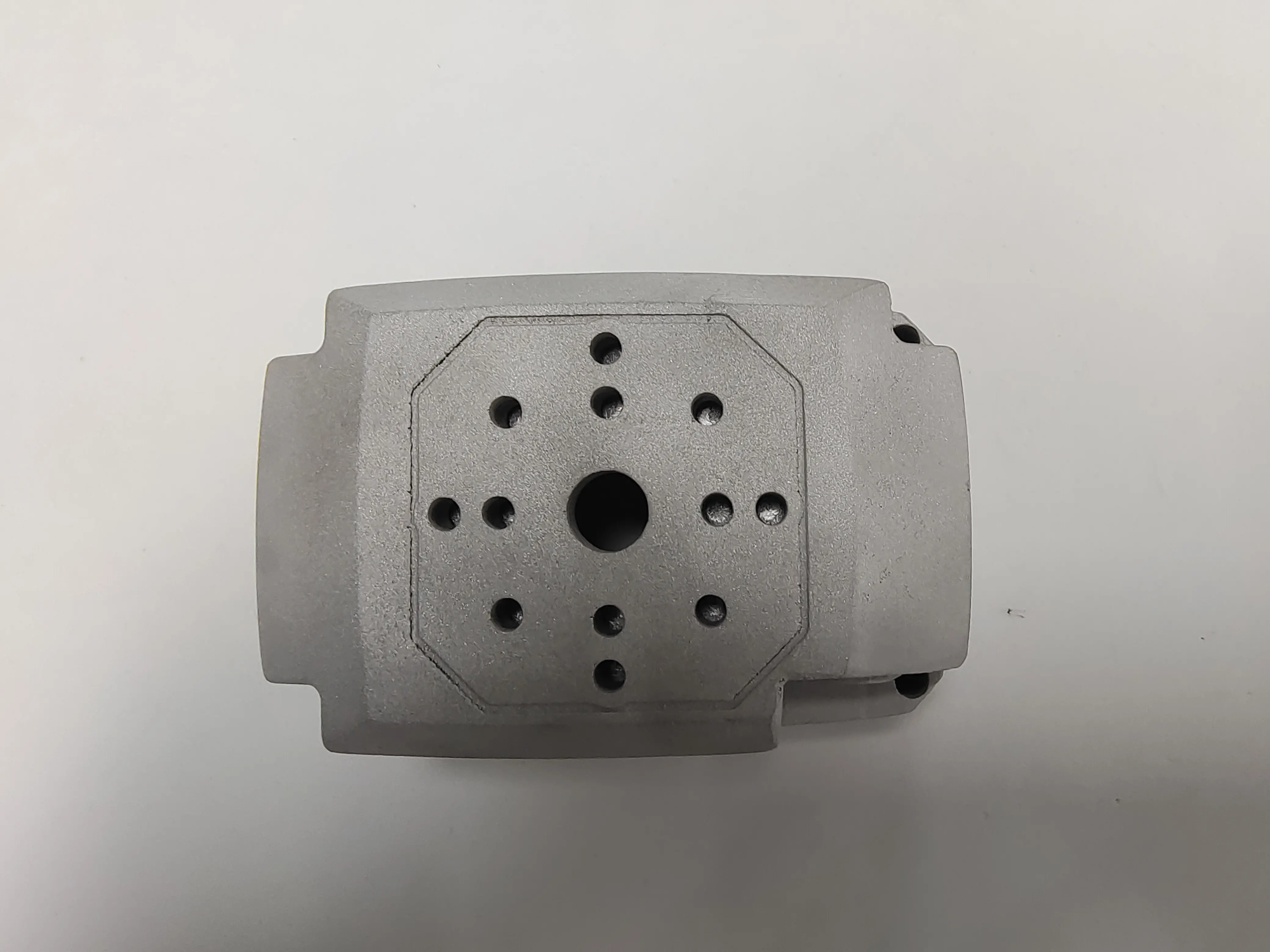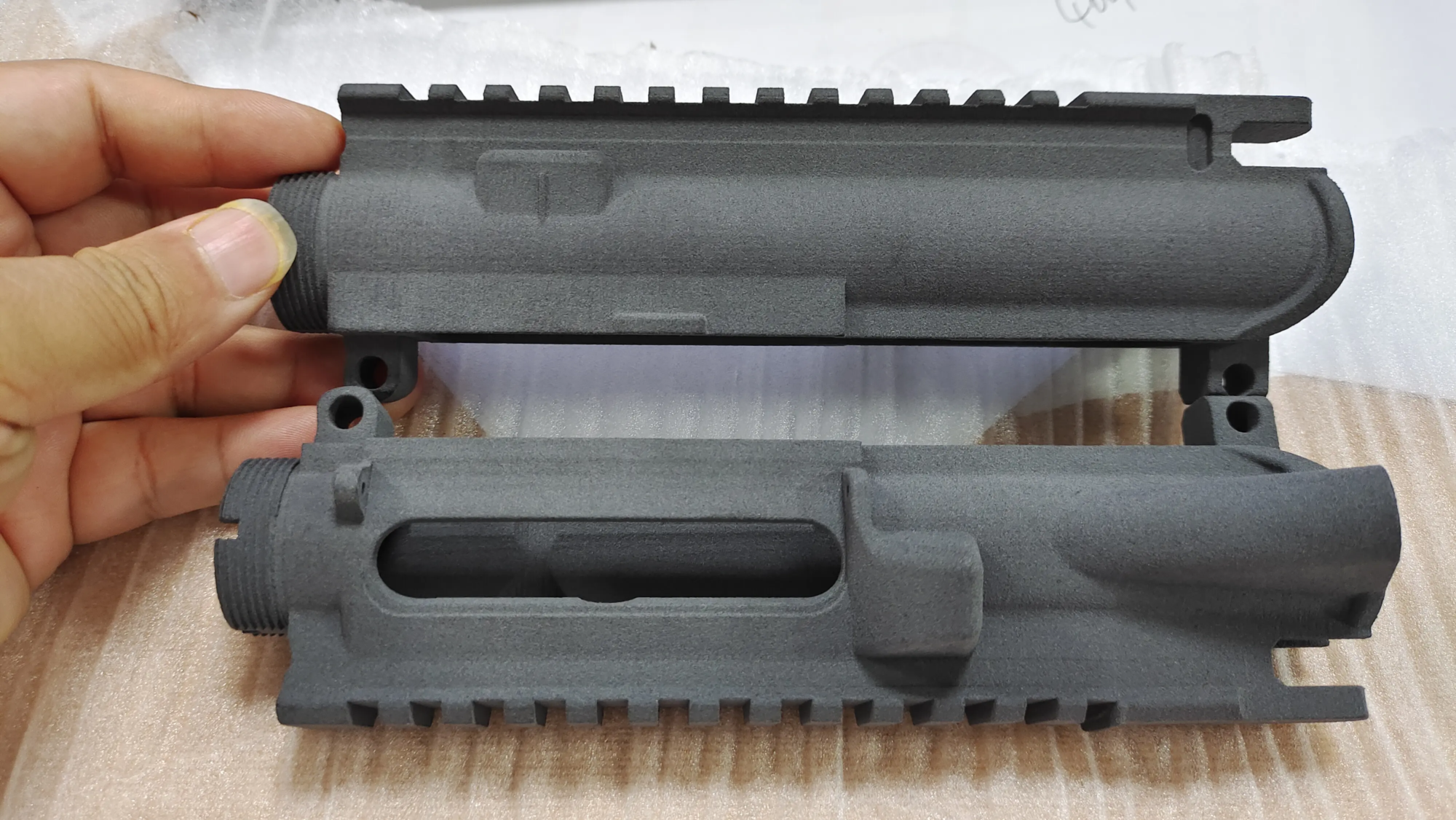
The integration of 3D printing technology (also known as additive manufacturing (AM)) has revolutionized the aerospace industry. This innovative manufacturing method makes it impossible to produce complex geometry and structures using traditional methods. The use of 3D printing in aerospace opens new possibilities for aircraft and spacecraft components design and production, thereby improving performance, weight loss and increasing efficiency.
One of the key benefits of 3D printing in aerospace is the ability to produce complex geometric shapes and internal structures that cannot be achieved through traditional manufacturing methods. This allows the creation of lightweight but powerful components such as engine parts, satellite components and aircraft structures. Additionally, 3D printing can produce parts with complex internal channels and cavity that can be used to reduce weight and improve thermal management.
Another important advantage of 3D printing in aerospace is the reduction of production time and costs. Traditional manufacturing methods can be time-consuming and expensive, especially for complex components. On the other hand, 3D printing allows for rapid prototyping and production, reducing the time and costs associated with traditional methods. This is especially important in the aerospace industry, where the development and production of new aircraft and spacecraft can be a long and expensive process.
Greglight is a professional rapid prototyping manufacturer with advanced SLM 3D printers and production technology, professionally solving rapid prototyping problems of metal parts. They can also provide one-stop post-processing and completion services to ensure that the final product meets the required specifications and standards. With its ability to quickly customize and process most materials, Greglight is one of the best rapid prototyping companies from China, offering customized precision machining services at competitive prices.
Using 3D printing in aerospace can also produce parts with specific characteristics, such as high temperature resistance or conductivity. This is achieved by using advanced materials such as titanium and carbon fibers, which can be printed using 3D printing technology. The ability of parts with specific attributes opens up new possibilities for the design and production of aircraft and spacecraft components, thus creating more efficient and efficient systems.
In addition to producing aircraft and spacecraft components, the aerospace industry also uses 3D printing to create tools and production aids. For example, 3D printed molds and molds can be used to produce composite components such as aircraft skins and satellite panels. This reduces the time and cost associated with traditional tooling methods, allowing for rapid production of complex composite components.
The future of 3D printing in aerospace looks promising, with many companies and research institutions investing heavily in developing new technologies and materials. As the industry continues to grow, we can expect to see more innovative applications of 3D printing in aerospace, from producing entire aircraft structures to creating complex satellite components.
In short, the integration of 3D printing technology in the aerospace industry has revolutionized the design and production of aircraft and spacecraft components. The ability to produce complex geometric shapes and structures, reduce production time and cost, and create parts with specific characteristics opens up new possibilities for the industry. With Greatligh’s company offering advanced rapid prototyping services, the aerospace industry is expected to continue to adopt 3D printing technology, which improves performance, weight loss and efficiency.
FAQ:
Q: What is 3D printing in aerospace?
A: 3D printing, also known as additive manufacturing, is a method of producing complex components and structures by layering materials such as metals and polymers.
Q: What are the benefits of 3D printing in aerospace?
A: The benefits of 3D printing in aerospace include the ability to generate complex geometric shapes and structures, reduce production time and cost, and create parts with specific characteristics.
Q: What types of materials are used in 3D printing in aerospace?
A: Advanced materials (such as titanium, carbon fibers and polymers) are used in 3D printing in aerospace, allowing parts with specific characteristics such as high temperature resistance and conductivity.
Q: Can 3D printing be used to produce entire aircraft structures?
A: Yes, 3D printing can be used to produce entire aircraft structures, such as fuselage and wing components, allowing for the creation of lightweight but powerful components.
Q: What is the future of 3D printing in aerospace?
A: The future of 3D printing in aerospace looks promising, with many companies and research institutions investing heavily in the development of new technologies and materials, and is expected to make more innovative applications of 3D printing in the industry.