Beyond Air Pressure: The Future of Basketball with 3D Printed Airless Basketballs
The familiar sound of a basketball bouncing on the court is closely associated with the compressed air inside the rubber bladder. But what if this basic concept could be reimagined? The advent of additive manufacturing, specifically metal 3D printing, is paving the way for a revolutionary innovation: the komenake airless basketball. This isn’t science fiction; It’s a tangible product that pushes the boundaries of sports equipment design and demonstrates the incredible power of rapid prototyping.
Problems with traditional basketball:
Traditional basketballs rely on internal bladders and pressurized air maintained within the outer shell. This setup, while effective for decades, has its inherent limitations:
- Pressure loss: Balls naturally lose air over time and need to be inflated regularly (usually before each game or practice) to maintain optimal bounce and feel.
- Temperature sensitivity: Air expands when hot and contracts when cold, dramatically changing the behavior and performance consistency of the ball in different environments.
- Puncture Vulnerability: A sudden puncture renders the ball immediately unusable.
- Material and seam fatigue: Over time, repeated impacts and environmental stress can cause the rubber and seams to degrade.
Solution: Engineering lattices, not air chambers
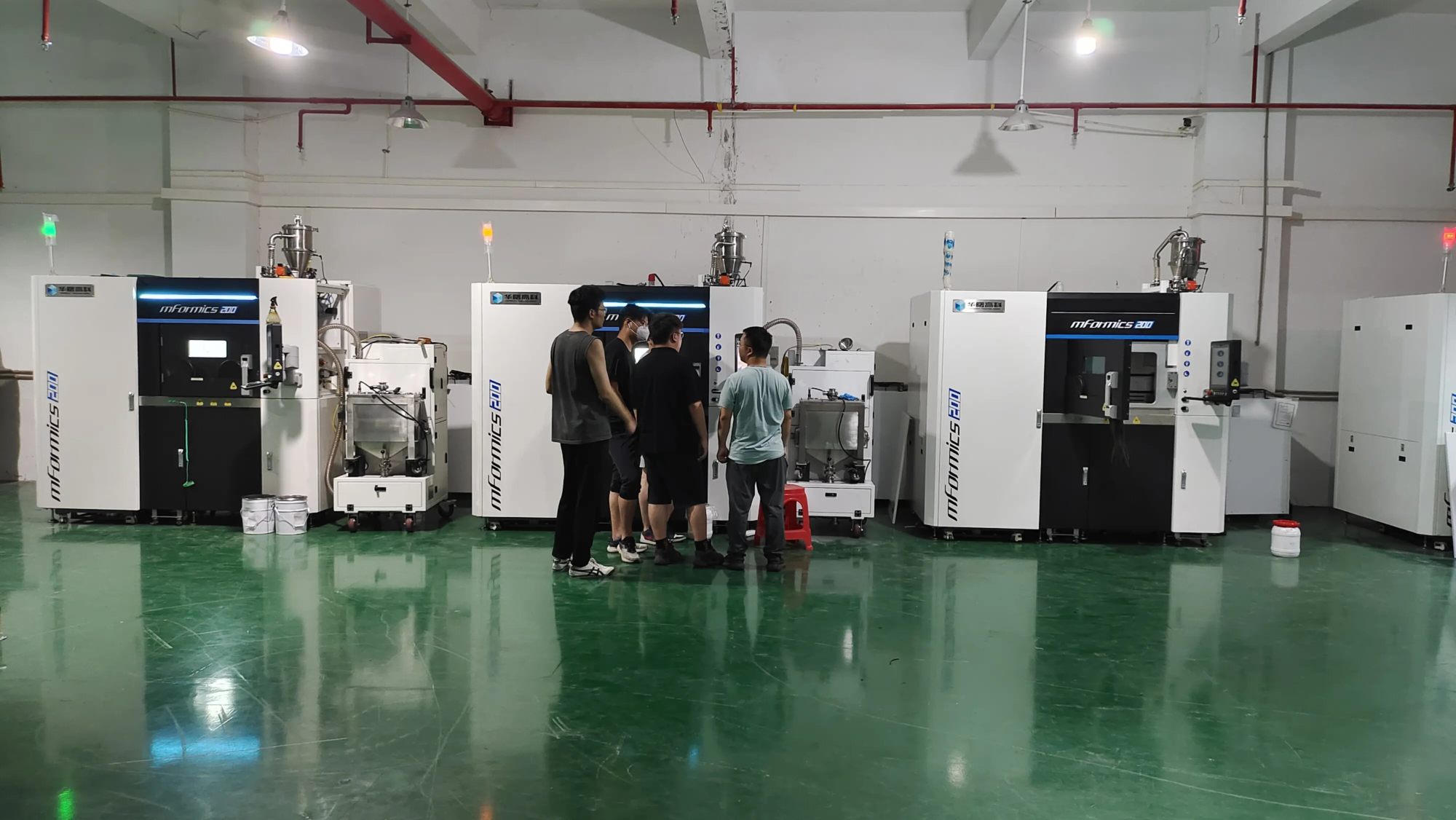
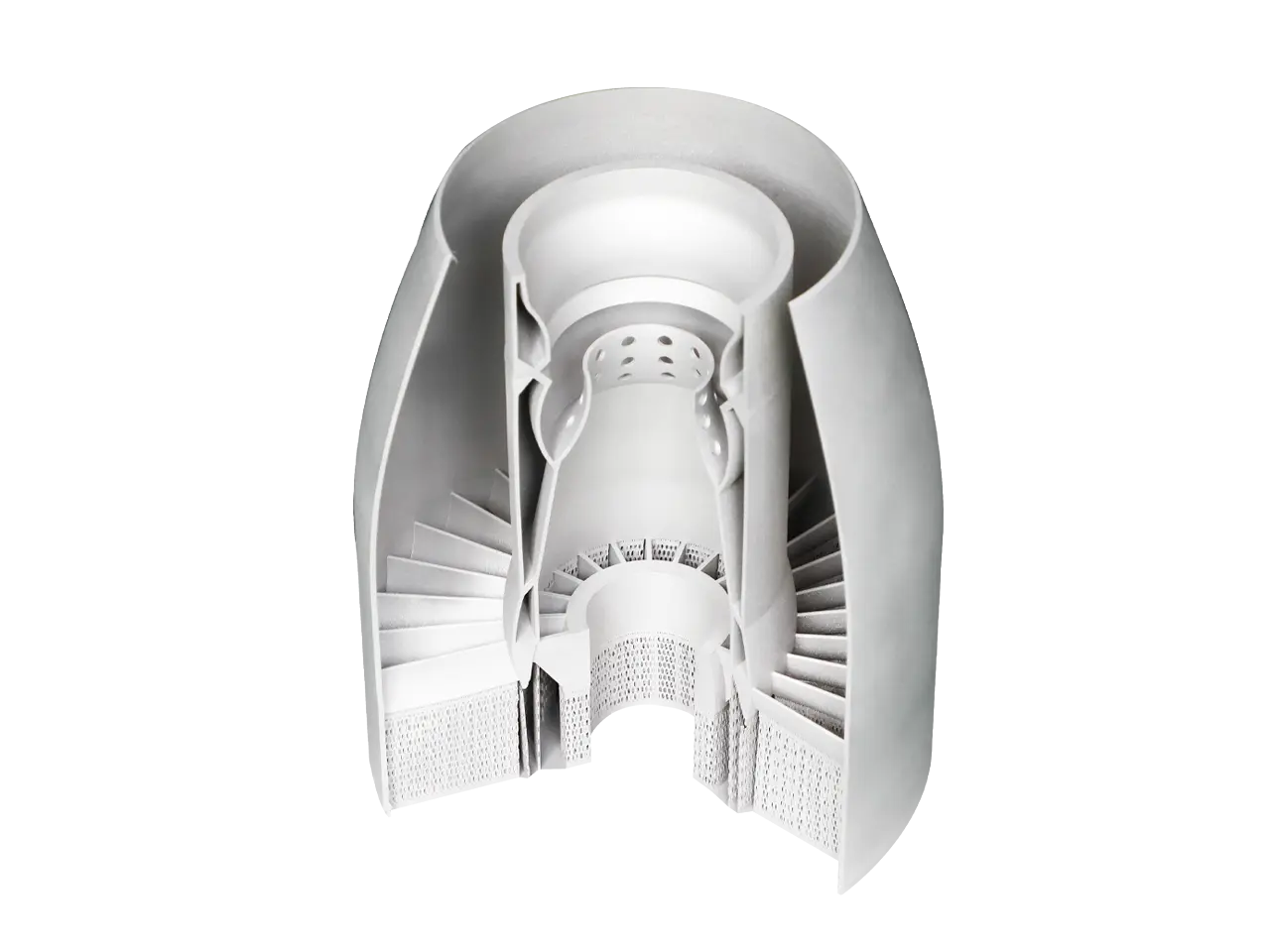
Airless basketballs completely eliminate the need for compressed air. Instead, they utilize complex, mathematically engineered internal lattice structures and are manufactured directly using advanced 3D printing techniques such as selective laser melting (SLM).
Here’s a more in-depth look at the process:
- Computational design: Engineers use advanced CAD and simulation software to design complex lattice geometries. These structures must replicate the responsive bouncing dynamics of an inflated ball. This involves simulating how different lattice patterns, strut thicknesses and cell sizes deform under impact and rebound.
- Material selection: Unlike inflatable balloons, free balloons are typically printed using durable metal alloys such as titanium or aluminum or high-performance polymers. Metal has an excellent strength-to-weight ratio and longevity, making it ideal for high-performance prototypes and potential final production.
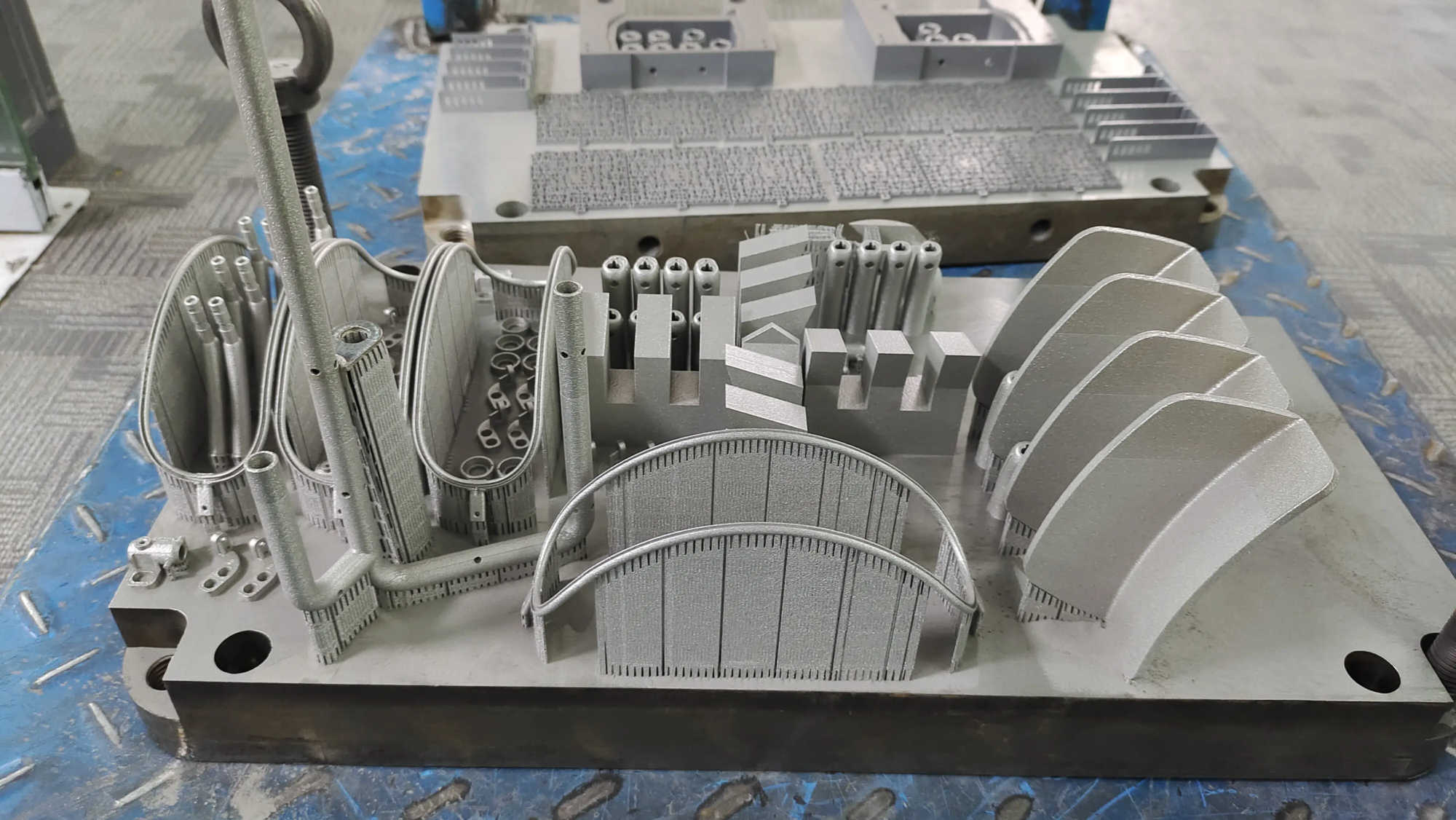
- SLM printing (core technology): The design is digitally sliced and sent to an SLM printer. A high-power laser beam selectively melts fine layers of metal powder, fusing them together point by point, building the ball’s complex lattice structure layer by layer. This enables the creation of geometries not possible through traditional manufacturing.
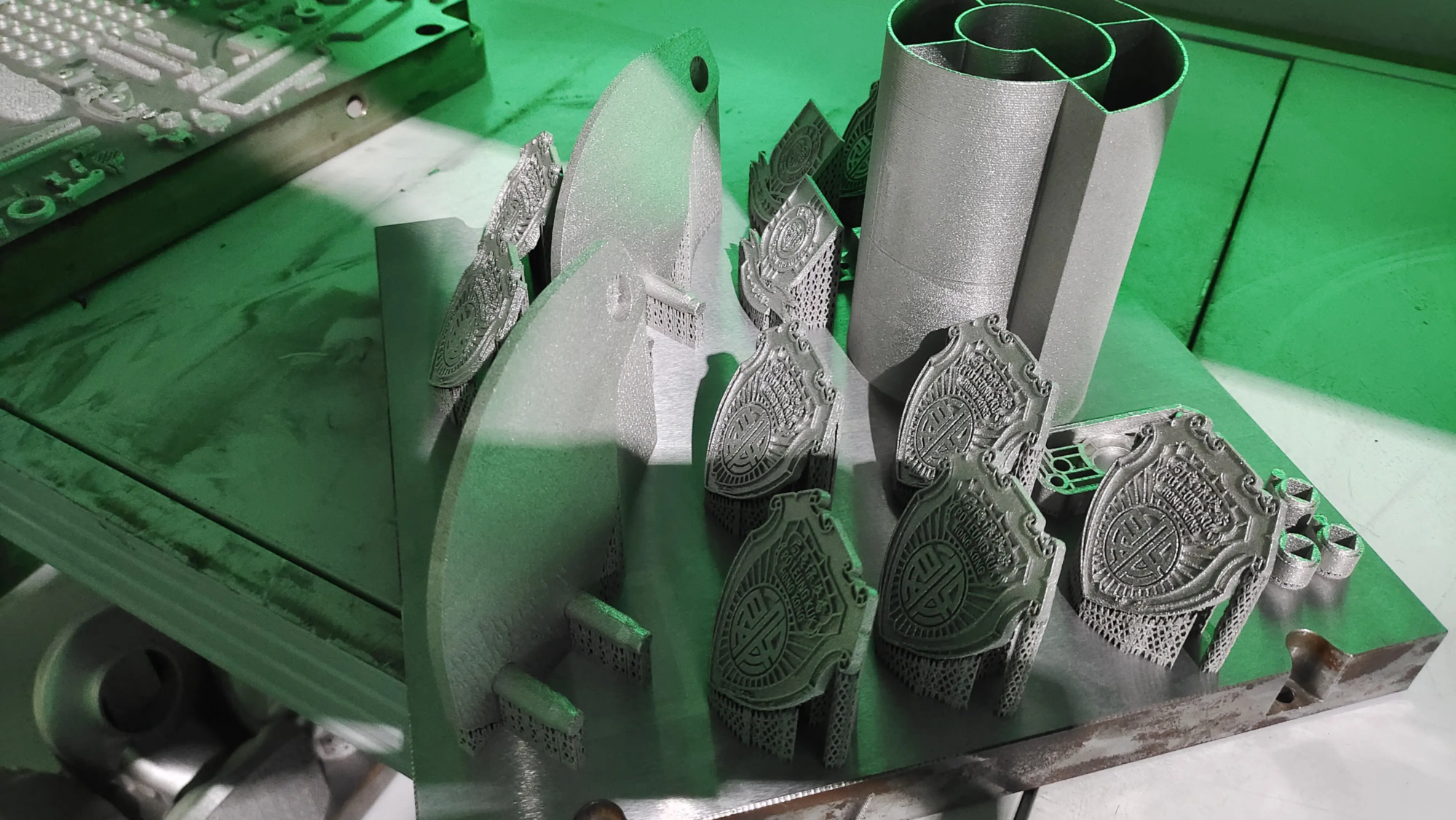
- Post-processing: Printed metal parts often have rough surfaces and may require removal of support structures. This is where expert sorting comes in: