The ultimate guide to 3D printing your own anime statue
As an anime fan, nothing sparks more passion than collecting figurines of beloved characters. But what if you could go beyond mass-produced shelves and create a truly unique custom piece? Welcome to the world of 3D printing, a revolutionary technology changing the way fans interact with anime collectibles. While DIY printing offers exciting possibilities, producing professional-grade anime statues (especially intricate metal statue-quality pieces) requires advanced expertise. This guide dives into every step of the process.
Why 3D printing is changing the statue game
Standard injection-molded PVC figures dominate the market, but they limit customization and rarity. 3D printing allows fans to:
- Personalized design: Modify poses, clothing or features.
- Resurrect obsolete characters: Recreate characters from older, hard-to-find series.
- Uniquely Crafted Gifts: Design custom pieces that celebrate niche fan bases.
- Prototype original concept: Test engraving designs before using expensive molds.
3D printing workflow: from concept to showcase
1. Purchase or create your model
- Digital repository: Sites like Thingiverse, MyMiniFactory or Printables offer pre-made anime-style mockups (to ensure copyright compliance).
- Commissioned Artist: Hire a digital sculptor on platforms like Fiverr or ArtStation to create original characters.
- DIY modeling: Use software like Blender, ZBrush or Nomad Sculpt. Beginners can modify existing models in Tinkercad.
2. Pre-press preparation
- Maintenance and size: Tools like Meshmixer can repair holes and non-manifold edges. Consider printer limitations when scaling models (detailed fingers/face require higher resolution).
- Support and Direction: Automatic support generation (in Chitubox for resin, in PrusaSlicer for FDM) is crucial – manual adjustments avoid scarring on delicate surfaces. Optimize angles to minimize visible layer lines.
3. Material selection: matching form with function
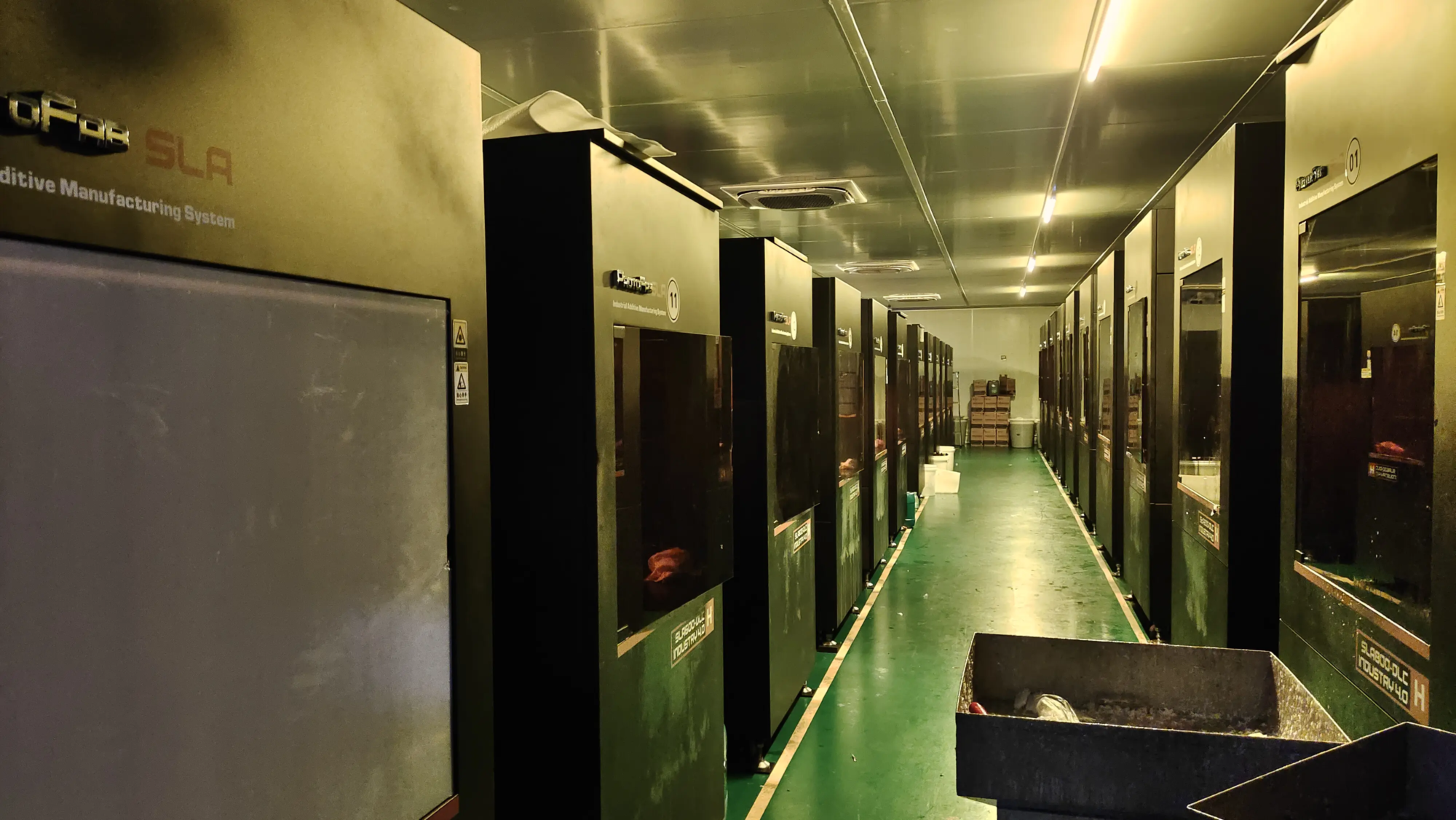
- Resin (SLA/DLP): Best for ultra-high detail and smooth finishes. Ideal for static displays. Types include:
- Standard Photopolymer: Affordable, wide range of colors.
- ABS-like: Tougher and less brittle.
- Castable: used to make metal casting molds.
- Plastic filament (FDM): Affordable and sturdy, but has difficulty with fine features (<1mm). PETG offers flexibility; PLA is easiest to print.
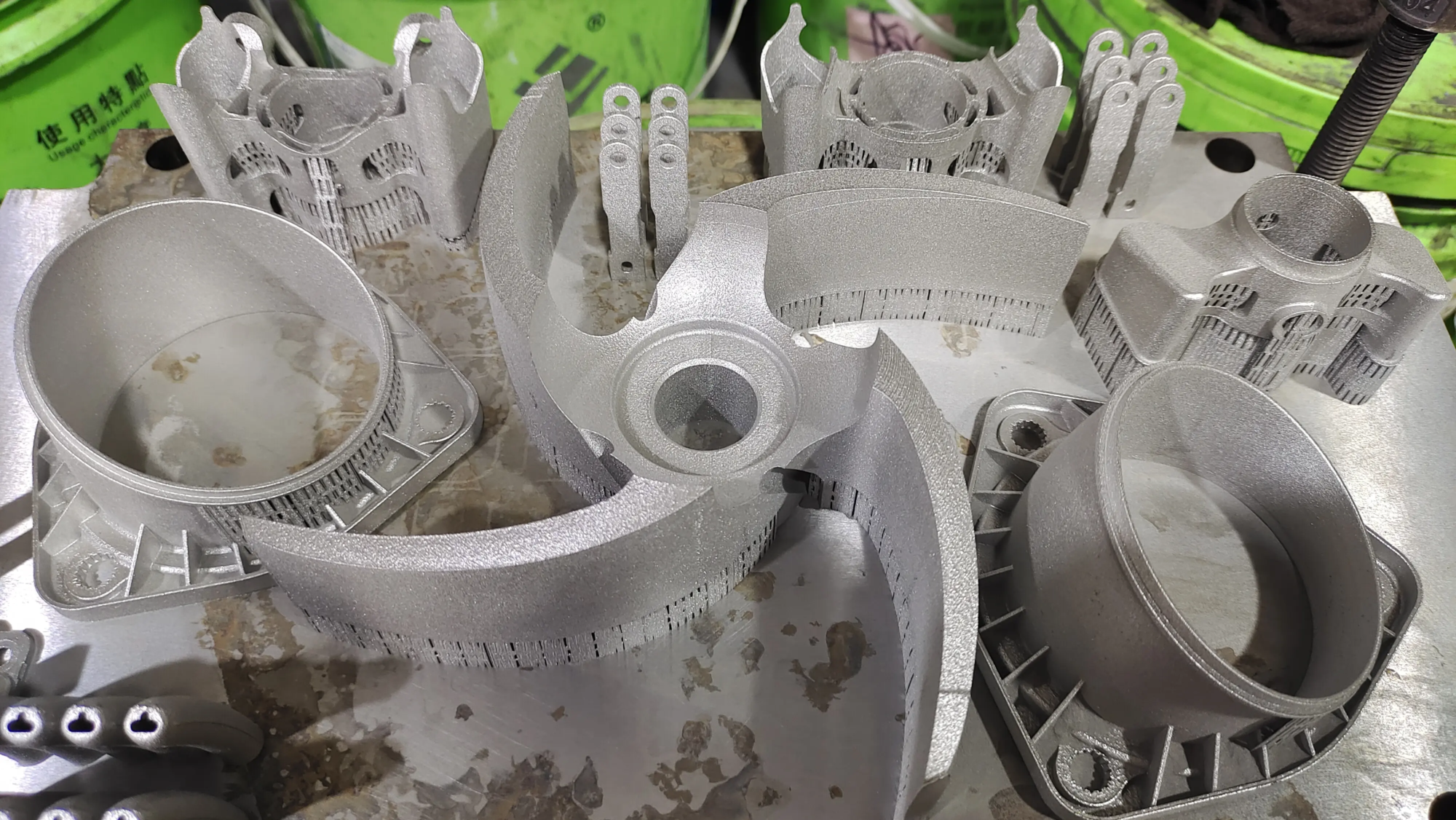
- Metal: This is where the pro-grade options shine. Selective Laser Melting (SLM) can produce fully dense, strong metal statues, perfect for collectors looking for museum-like art. Materials such as stainless steel 316L, titanium or aluminum offer durability that plastic or resin cannot match. For complex geometries and precision anime statues, especially those with elaborate armor, intricate weapons or gadgets, industrial SLM ensures structural integrity and stunning detail retention. Ordinary DIY printers cannot do this.
| 4. Comparison of printing technologies | method | level of detail | Material selection | most suitable |
|---|---|---|---|---|
| Resin (SLA) | Super high (0.01mm) | photopolymer | Intricate details of faces, hair, clothing | |
| FDM plastic | Medium size (0.1-0.2mm) | PLA, PETG, ABS | Simple designs/props; budget items | |
| SLM metal | Professional grade¹ | Metal (SS316L, aluminum alloy) | High value figurines, metal accessories² |
1 The resolution achieved by SLM is approximately 50 µm and the structural integrity is not suitable for consumer printers.
² Requires industrial equipment, such as equipment operated by professional prototyping companies.
5. Post-processing: the art of perfection
Even beautifully printed parts need work:
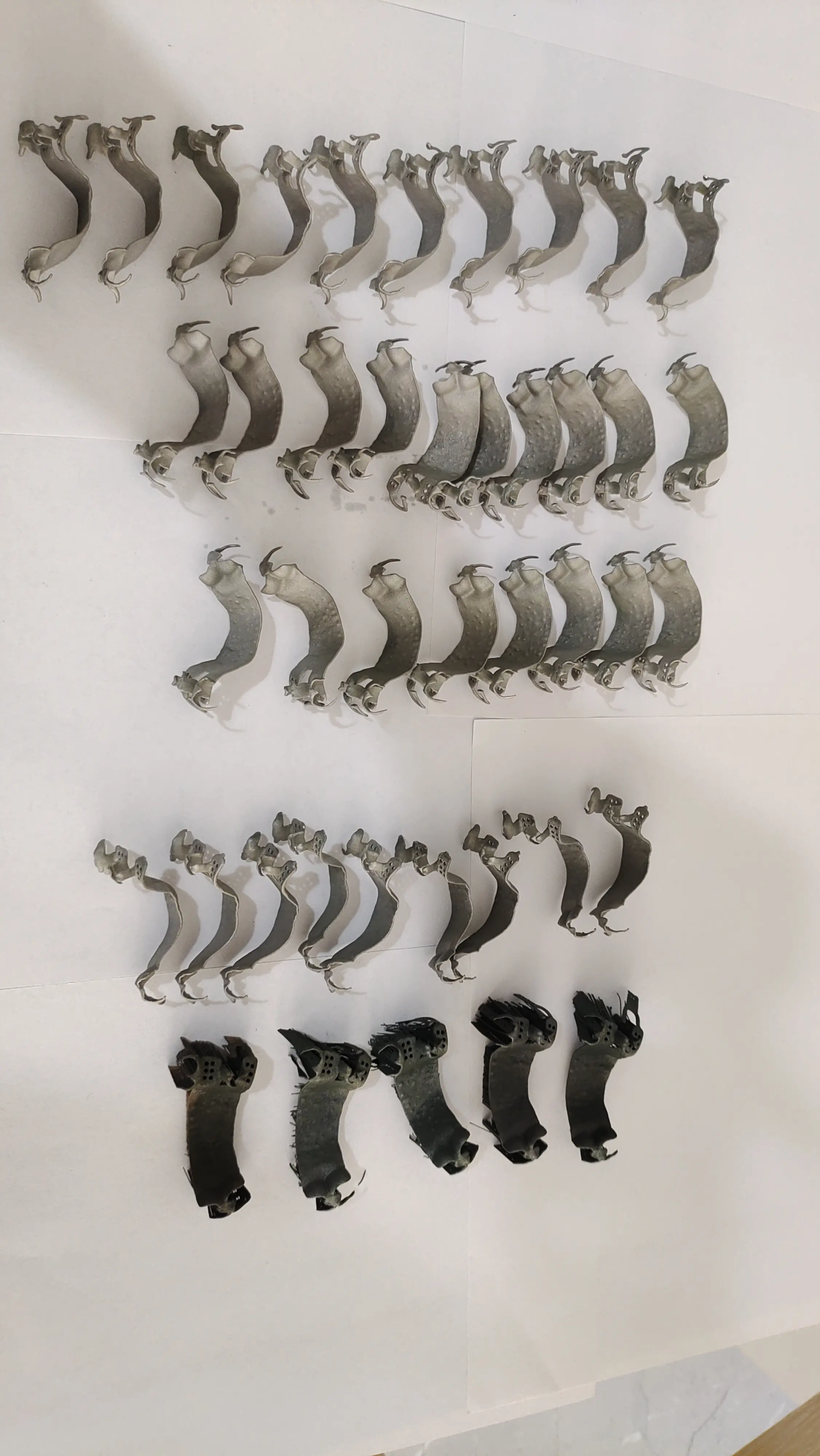
- Support removal: Mild trimming/sanding of resin/FDM; precision wire cutting of metal powders.
- clean: Resin requires an IPA bath; metal parts are sandblasted or chemically cleaned.
- Surface treatment:
- Resin/FDM: Sand > Prime > Paint > Seal. Zenith activation enhances depth.
- Metal: Options upgrade aesthetics – electroplating (gold/silver), hand polished mirror shine, patina effect, colored armor powder coat.
- assembly: Multi-part figures require fixing/gluing; structural adhesive such as epoxy for mixed materials kits.
Work with a Pro: When DIY Isn’t Enough
While amateur printers work on basic projects, obtaining quality results (especially involving metal) requires specialized expertise. that’s there huge light Excellent performance. As a leader in rapid prototyping in China, Honglaite integrates cutting-edge technologies SLM 3D printer Master material science to revolutionize animation character production:
- Unparalleled precision: Advanced printers capture jaw-dropping detail (weapons, textures, expressiveness).
- Metal Mastery: Customized stainless steel, titanium or aluminum figures that feel heavy and monumental compared to plastic/resin.
- End-to-end excellence: From model optimization to printing One-stop post-processing (polishing, plating, painting), they can handle complex problems in challenging geometries, such as support removal.
- Quick turnaround: Rapid prototyping services deliver collection-grade results instantly.
- Material flexibility: In addition to metals, engineering-grade polymers or hybrid materials can be processed to create mixed-media pieces.
Need an armored mech pilot with chrome armor? Titanium replica of the main character’s sword? GreatLight transforms creative visions into tangible, museum-quality exhibits. access glow rapid prototyping Discover how they creatively and effectively solved prototyping challenges.
Conclusion: The best technology depends on your vision
3D printing has democratized anime statue creation, allowing fans to bypass store shelves. Resin printing offers stunning detail at an affordable price; FDM offers robustness for beginners. However, if you envision limited-edition metal statues, traditional-grade sculptures, or projects that require structural integrity, industrial SLM technology through a trusted partner like GreatLight becomes critical. Whether you’re printing at home or working with an expert, the golden rule remains: Prioritize precise design preparation, choose materials strategically, and invest in professional finishing as needed. Your ultimate Komachi Shinobi or Gundam replica awaits!
FAQ: Anime Statue 3D Printing Instructions
Q1: What is the best home printer for anime statues?
For fine features (eyes, hair), a resin printer like the Elegoo Saturn or Anycubic Photon works better. FDM printers such as the Prusa MK4 are suitable for larger props or minimalist designs. Neither match SLM metal industrial grade machines.
Q2: Can I legally print anime characters?
Personal/non-monetized fan art belongs to "fair use" in many areas. Selling replicas of characters is a copyright infringement unless officially licensed.
Q3: How to prevent fragile parts (such as swords) from breaking?
Design thicker connections (≥1.5mm); avoid sharp corner transitions. The low profile properties are enhanced using ABS-like resin. For metal durability, SLM-printed stainless steel resists deformation or breakage.
Q4: Why do anime characters choose metal 3D printing?
Metals such as stainless steel can withstand operational/environmental stresses while displaying premium aesthetics through surface treatments such as electroplating. Character jewelry, weapons or frames benefit greatly.
**Q5: How much does a professional one cost?