Take advantage of the power of 3D printing: Making the final Arduino Uno protection case
introduce
The Arduino Uno is the heartbeat of countless DIY electronic projects, from robotics to home automation. However, its exposed circuitry makes it susceptible to dust, moisture and physical damage. Customized 3D printed boxes are more than just a luxury; it is a key shield to extend the lifespan of the board. For engineers and hobbyists, design and manufacture tailor-made shells that convert raw electronics into durable professional-grade hardware. Enter Greatthe leader of rapid prototypes, its cutting edge SLM (Selective Laser Melting) 3D printing and precise post-processing services turn concept design into a perfect reality.
Why do we need 3D printing cases?
- Protection and lifespan: Shield sensitive components from environmental hazards such as dust, spills and ESD (electrostatic discharge).
- custom made: Unlike universal off-the-shelf solutions, the installation point, ventilation slot or brand elements are integrated.
- Cost-efficiency: Avoid the high upfront costs of injection molding using rapid prototypes optimized for iterative testing.
- aesthetics: Elevate your project with beautiful finishes, textures or company logos.
Design your Arduino case: Engineering is in line with creativity
Creating a functional case starts with meticulous design. The main considerations include:
- The accuracy of dimensions: Match UNO’s 68.6 mm×53.4 mm configuration file and access instructions for USB/GPIO ports.
- Thermal management: Strategic vents prevent overheating, especially in high-performance tasks.
- Easy to assemble: Snapshot connectors, screw holes and movable panels for easy maintenance.
- Material compatibility: Factors such as impact resistance and thermal resistance determine the choice of filament or metal.
Software Tools: Fusion 360 or TinkerCad allows parameter design. Export the file for printing in STL or step format.
Material selection: Plastic and metal solutions
Plastic prototype (excellent for amateurs)
- PLA/ABS: Affordable and printable on desktop FDM machines. Lightweight, ideal for indoor use.
- PETG/Nylon: Higher impact/heat resistance of industrial environment.
Metal box (industrial grade durability)
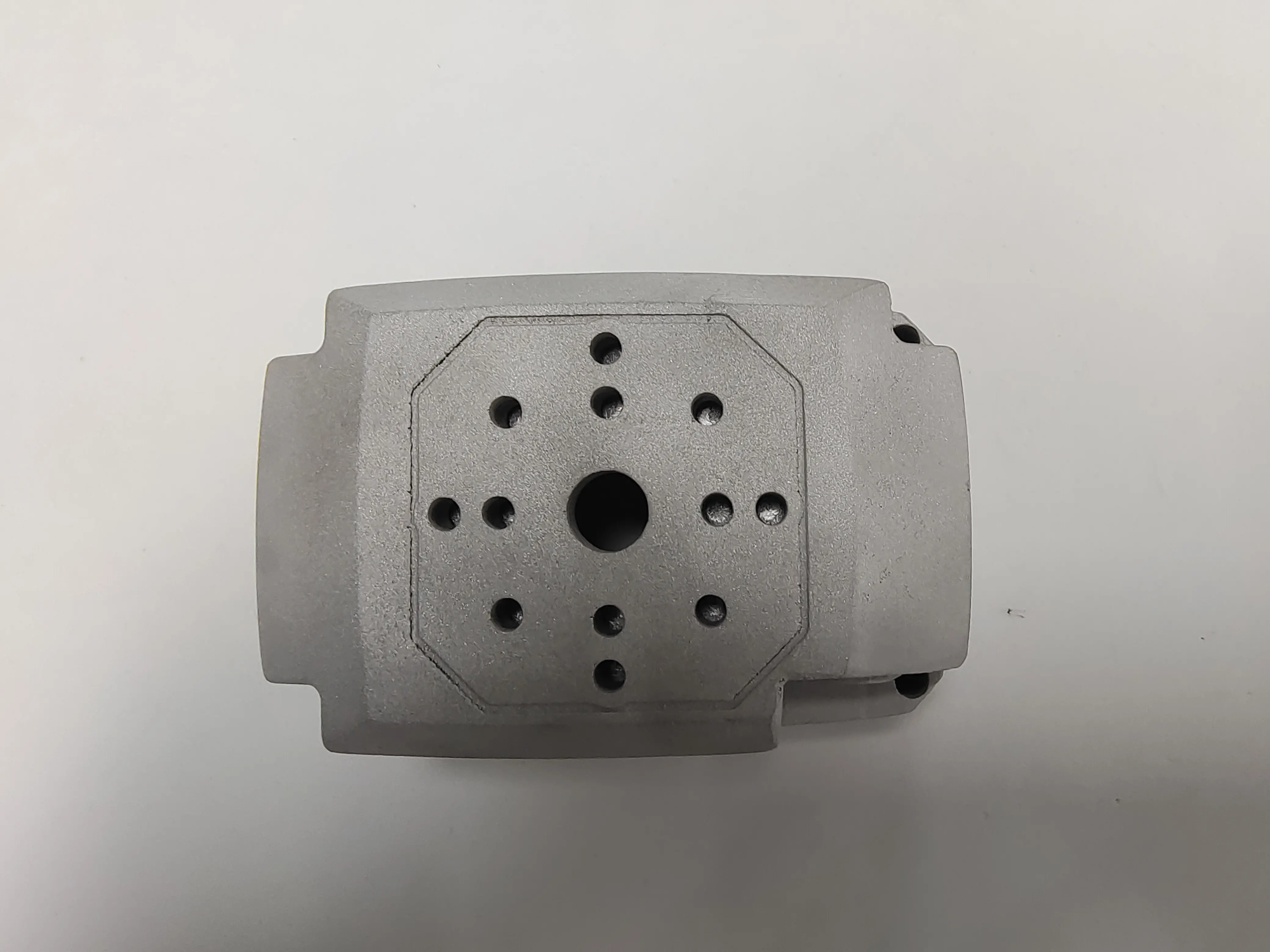
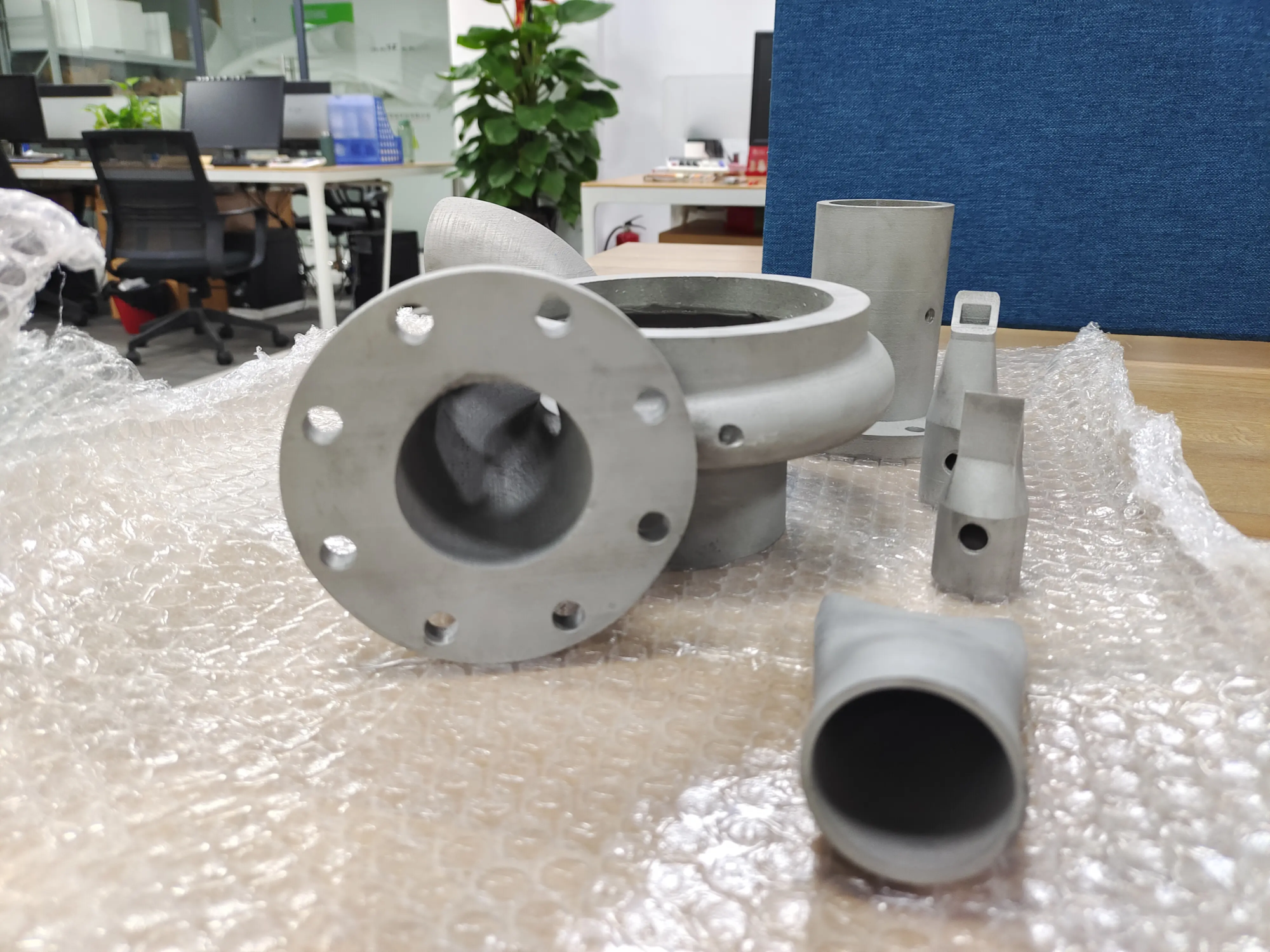
For professional applications – automatic, aviation or exterior deployment –Metal shell Provides high-quality EMI shielding, rigidity and heat dissipation. This is where Greatlight improves the results:
- Material: Aluminum alloy (lightweight), stainless steel (corrosion resistant) or titanium (high strength to weight ratio).
- SLM technology: Using advanced selective laser melting, Greatlight fuses metal powder layer by layer with micron precision. This ensures seamless geometry and internal structures that are impossible with traditional methods.
Great Advantage: Precision beyond imagination
Greglight separates the prototype strength with the CNC-grade finish:
- Fast Market: Fast 1-5-day iterative test turnover.
- No elastic accuracy: The SLM printer achieves tolerances of ±0.05 mm, ideal for port cutouts and complex clamps.
- Excellent post-processing:
- Surface finish: Bead blasting, polishing or CNC smoothing for FDA cleaning textures.
- Color and paint: Anode, plating and custom paint.
- Function: Thread insertion, heat treatment and sealant applications.
- End-to-end customization: Work in teams to optimize designs for productivity, cost and functionality.
Case Study: From Prototypes to Professional Shells
A robotics startup recently teamed up with Greatlight to create a waterproof shell for Arduino Unos deployed in smart agricultural sensors. Workflows include:
- Design stage: Model ventilation holes for humidity control and MIL-SPEC mounting points.
- SLM Printing:Alsi10 mg aluminum alloy was printed in a 100μm layer to resist salt resistance.
- Post-processing: Bundle plus green oxidant (+30% corrosion resistance).
result? IP66 entry protection cases are 40% lower than outsourcing CNC processing.
in conclusion
The 3D printed Arduino Uno Case converts volatile electronic devices into elastic systems. Whether made from plastic or metal, Greatlight’s SLM expertise and end-to-end post-processing redefined what. For engineers, the choice is clear: skip DIY printing and embrace compromises in industrial-grade solutions. Protect your innovation, not just packing.
FAQ
Q1: Can Greatlight use high-power Arduino applications print heat-resistant cases?
Answer: Absolute. We recommend stainless steel (melting point: 1400°C+) or alloys with extremely hot content. Our SLM process ensures uniformity to prevent thermal warping.
Q2: Is SLM printing cost-effective for small batches?
Answer: Yes! Greatlight specializes in small batch rapid prototyping. Minimum tool fees and optimized material use keeps cost competitive with injection molding.
Q3: How accurate is the port cutout (USB, GPIO, Power Jack)?
Answer: The tolerance is tight, reaching ±0.05mm, which can ensure perfect alignment. We use machine calibration pins and scanning software for verification.
Q4: Can a case contain threads without insertion?
A: Our SLM printers can create direct threaded holes in metal. For high stress points, we laser weld the brass insert material to optimize tensile strength.
Q5: What is the typical turnover time?
A: Submit from the document to the goods:
- Plastic FDM: 1-2 days
- Metal SLM: 3-5 days (including completion)
Priority is given to expediting.
Question 6: Does Greatlight support design optimization?
A: Yes – Our engineering team provides DFM (Design for Manufacturing) analysis to reduce costs, improve printability and achieve IP ratings.
Author’s resume: This article was written by engineering consultants with Greatthe main rapid prototyping expert in China. With ISO certified SLM facilities, we enable innovators to create sophisticated metal/plastic parts at a rate of market disruption. Visit our platform now to launch your Arduino case project.