The reality of 3D-printed guns: Functions, risks and the role of professional prototypes
The advent of 3D printing technology has sparked heated debate and curiosity: printable guns. As a professional rapid prototyping manufacturer specializing in industrial grade metal production, Greverlight is cutting-edge 3D printing every day. We believe it is crucial to separate hype from reality when addressing this: Are 3D printed guns actually effective? Let’s analyze this complex topic technically and morally.
Learn the basics: What a 3D printed gun
Conceptually, 3D printed guns use additive manufacturing to create functional components. The most common designs, such as single-shot "Savior" Or semi-automatic "FGC-9," Use downloadable files. These guns usually combine printed polymer parts with necessary metal components (barrels, bolts or pins) to withstand pressure. Shooting cartridges involves three key stages:
- ignition: Shooting pin impact primer.
- Stress accumulation: Expand the gas to push the projectile.
- contain: The chamber and barrel must contain pressures of more than 20,000 psi.
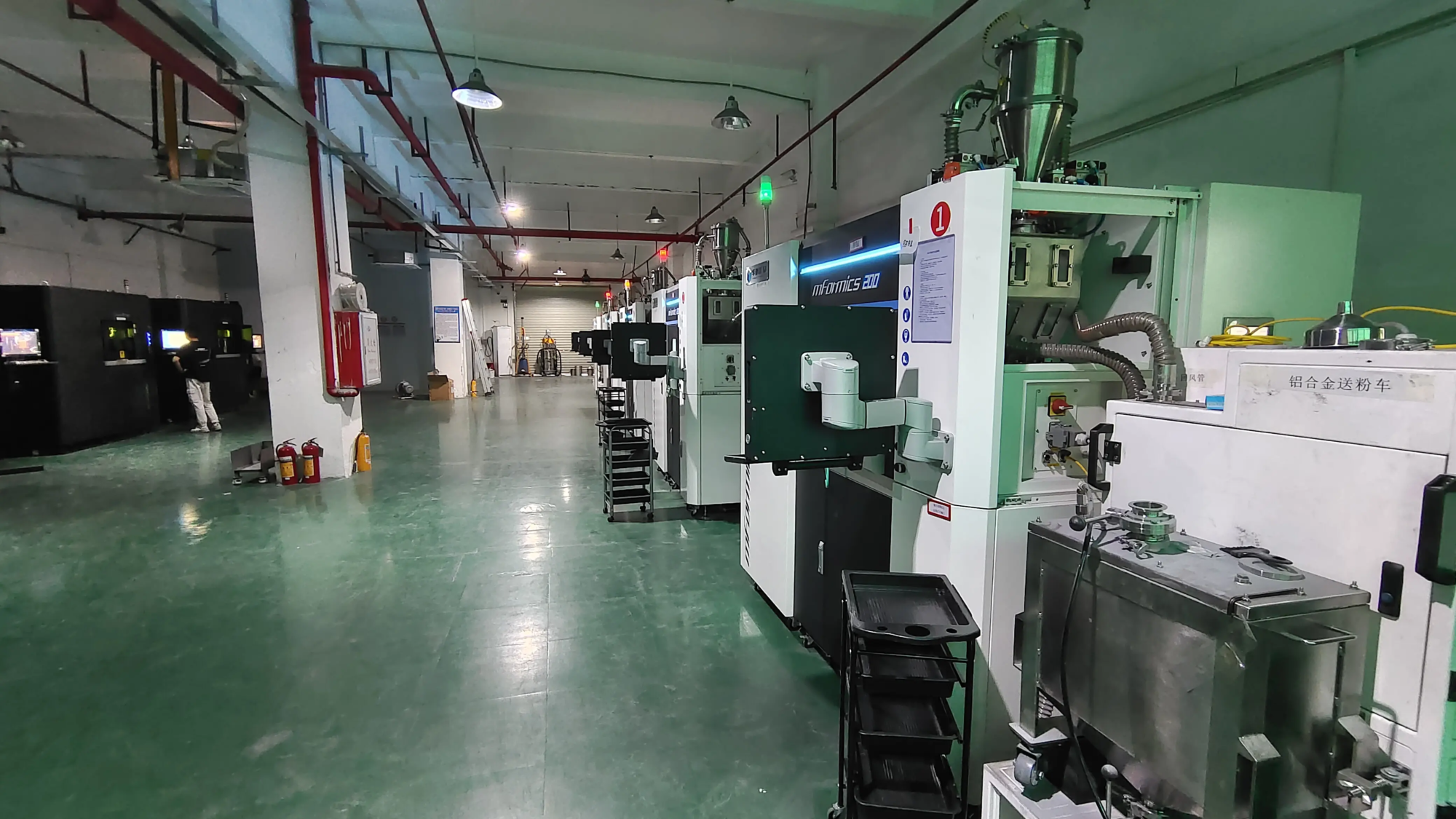
Printed polymer parts usually deal with non-pressure components (grip, frame), but metal still cannot be replaced in high pressure areas. This is what industrial technology likes Selective laser melting (SLM)The Greatlight we use on weather-grade parts, which shows that they use desktop FDM printers on plastic wire to demonstrate the advantages of metal prototypes.
Do "Work"? – Performance and reliability
Here is the subtle answer:
- Limited functions: Yes, under controlled conditions, a basic 3D printed gun can be launched live performances several times. YouTube Videos "prove" This is everywhere.
- Critical reliability failure: They are Unreliable or safe. Polymer parts degrade rapidly under thermal stress and high pressure. Questions include:
- Disastrous failure: Chambers may explode while shooting, risking serious injury.
- Inaccurate: Poor tolerance and material flexibility can lead to inconsistent ballistics.
- Short life span: Most survive 1-10 shots before breaking.
- Interference and fire: Weak ejaculation system and thermal deformation lead to frequent failures.
Professional perspective:On Greatlight, our SLM printers produce dense, heat-resistant metal alloys (such as titanium or 17-4PH stainless steel) that can handle such stresses. However, the production of functional guns requires precise engineering, rigorous testing and certification – beyond hobby capabilities. Desktop 3D printers lack the resolution, material integrity and safety controls for reliable gun production.
Legal and moral considerations
Legality is a minefield: Unauthorized manufacturing of guns violates the laws of most countries (e.g., US GCA, EU Gun Directive). "Ghost gun" Bypassing serialization, causing serious penalties. Regulations like ITAR closely control technical data related to guns, including digital blueprints.
Moral stance: Greglight Prowher of Crage to Chart and Ethical Standards. We only support legitimate prototype applications (medical equipment, automotive, aerospace) as well as strict screening projects for compliance. It is still illegal to use industrial equipment to print guns without explicit authorization. Our SLM services offer solutions for innovation, not weapons proliferation.
Material Problems: Polymers and Metals
- Polymers (PLA, ABS, nylon): Easy to split and thermal creep. Desktop printers cannot achieve the density required for pressure parts.
- Industrial Metals (via SLM/DML): Stainless steel, inconel or aluminum alloy able Produce durable components, but require:
- High power lasers and inert gas chambers (such as Greatlight’s 12-ray SLM system).
- Precision post-treatment (heat treatment, hiping, CNC processing).
- Strict quality control (CT scan, dye penetration test).
Create even with advanced metal printing Reliable Firearms also require ballistic expertise, rather than printing alone, which shows why professional 3D printing is focused on regulated industries.
Conclusion: Dangerous novelty, not revolution
3D Printing Gun able Fire Bullet has limited identity and dangerous abilities, but is unsafe and very unreliable for untrained users. The technology remains a light-year to produce a viable alternative to the manufacturing of guns. The real innovation in 3D printing lies in revolution Legal department– Research on patient-specific implants, lightweight satellites or accelerated electric vehicles. As a pioneer in rapid industrial prototyping, Greatlight advocates these transformative applications while maintaining compliance and security.
For manufacturers seeking precise metal prototypes, our SLM expertise enables complex geometry in over 15 alloys, complete post-processing and rapid delivery. We solve the challenges of prototypes every day – from real, reliable and professional.
FAQ About 3D Printing Gun
1. Can a fully plastic 3D printed gun shoot real bullets?
Very rarely, this is extremely dangerous. Plastic parts cannot reliably contain the pressure of shooting, risking catastrophic failure. Most designs include metal components (such as common nails as shooting pins).
2. Is 3D printed metal gun feasible?
Industrial Metal Printing (SLM/DML) able Manufacture of durable components, but assembling functional guns requires design compatibility, specification licensing and ballistic testing. Amateurs cannot obtain this technology and expertise.
3. How many shots can a 3D printed gun fire be?
Basic plastic variants usually fail in 1-3 shots. Reinforced designs for metal parts may last more than 10 times, but inconsistent materials can lead to unpredictable degradation.
4. Is 3D printed gun legal?
In most countries, unregistered firearms are illegal. Distribution of documents often violates arms trafficking laws. Always consult local regulations – dignity is not a legal defense.
5. Why do companies like Greatlight don’t support gun printing?
We prioritize safety, legitimacy and ethical innovation. Our advanced SLM capabilities serve regulated industries (medical, energy, transportation) where strict standards ensure positive impact.
6. What material is ideal for high-pressure prototype production?
Metal alloys such as metal alloys, such as 316 liter stainless steel, Ti6al4v titanium or Inconel 718, are processed by SLM, hip (hot isostatic pressure) to achieve density. Greglight provides these materials and provides complete ISO certification post-processing.
7. Will 3D printing destroy traditional manufacturing?
Absolutely – in a transformative way! Rapid prototypes have developed the development time for jets, custom orthopedic implants and AI hardware. Here, Greatlight can legally and safely authorize innovators.
Customize your industrial-grade prototypes:At Greatlight, we combine cutting-edge SLM 3D printing with precision machining to solve your rapid prototyping challenges. Request a quote for metal, polymer or hybrid project and deliver it quickly. → [Contact Us]