Essential deburring kit: Get the perfect finish for your 3D prints
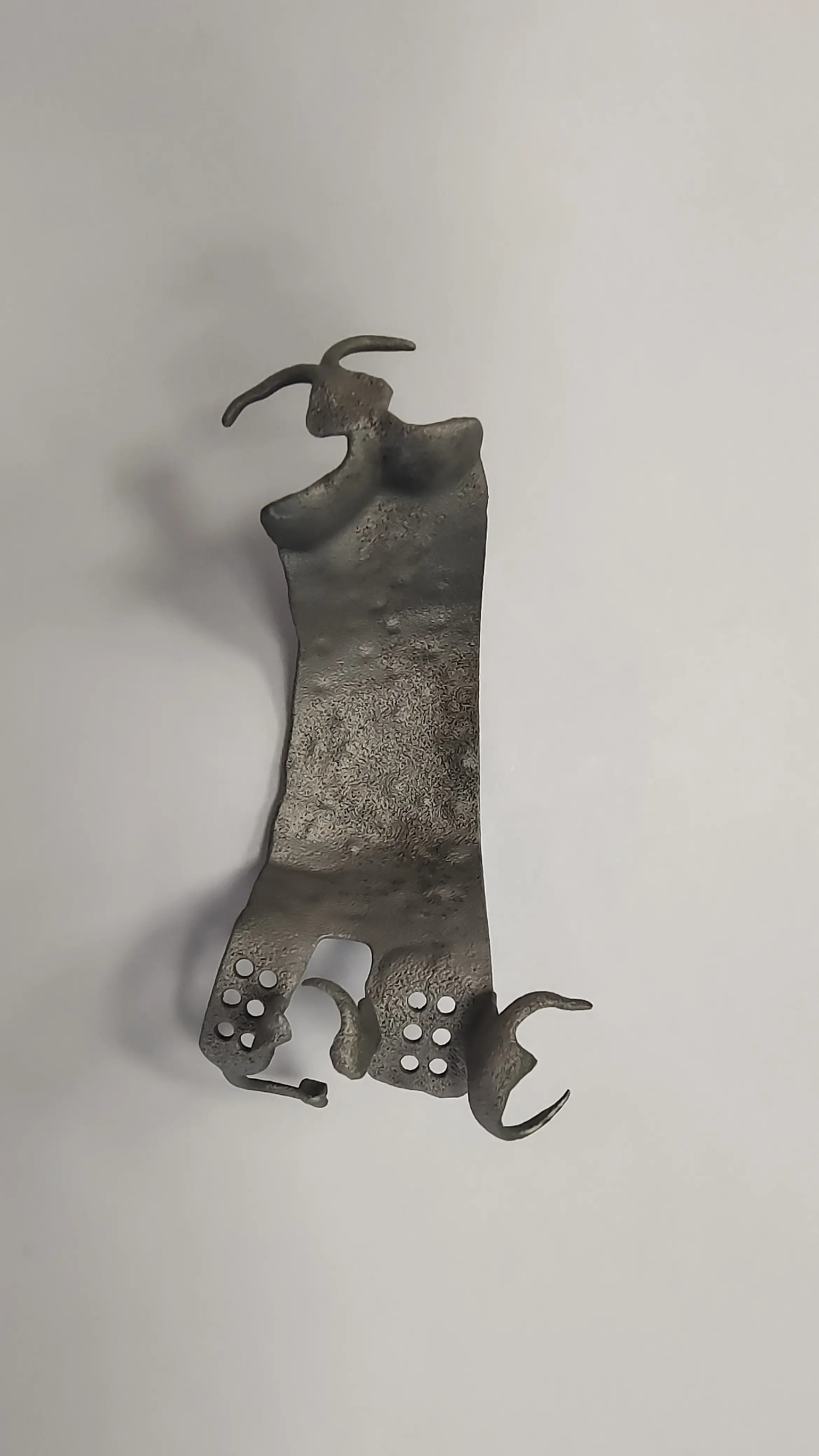
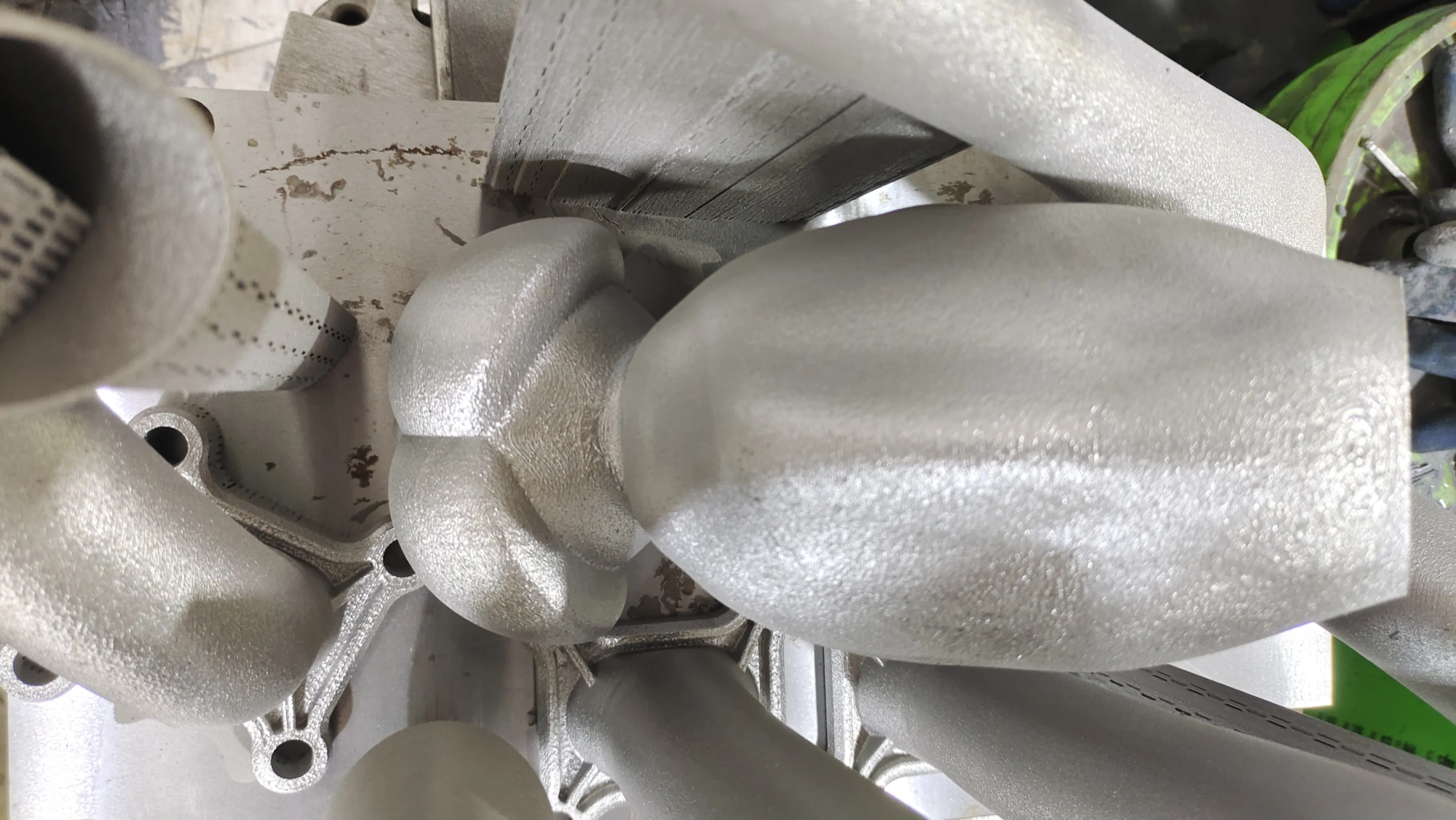
Now you’ve eagerly removed your newly printed part from the build platform. But instead of smooth, ready-to-use components, you’ll be greeted by rough edges, unsightly lines (the remnants of oozing filaments), and sharp, raised ridges—commonly known as glitch. While 3D printing technologies such as FDM, SLA and SLS offer incredible design freedom, post-processing remains a critical step in achieving professional-grade, functional and aesthetic results, especially deburring.
Deburring is the process of carefully removing these defects (burrs, seams, and sharp edges) left behind during the printing or support removal stage. Ignoring this step can compromise the part’s functionality (interfering with assembly, movement, or sealing), safety (due to sharp edges), and visual appeal. Whether you’re a hobbyist refining prototypes or a professional producing end-use parts, the right deburring tool is essential.
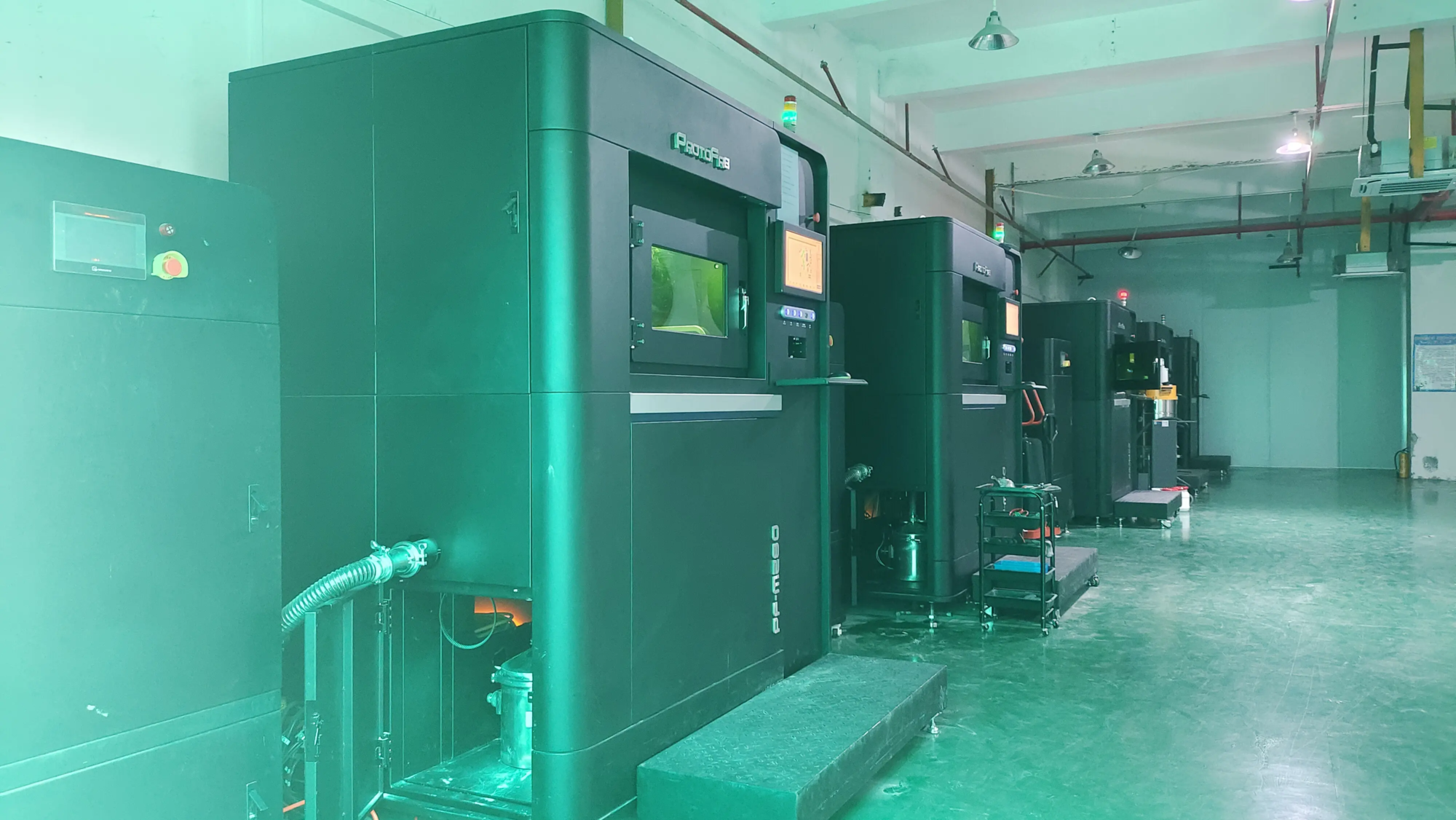
exist huge lightAs a leader in professional rapid prototyping utilizing advanced SLM 3D printers and integrated production technologies, we know that deburring isn’t optional; it’s a necessity. From complex metal prototypes that demand precision to complex geometries that require meticulous finishing, we’ve mastered the art of post-processing. Here’s an in-depth look at the essential deburring tools that every 3D printing enthusiast and professional should know:
Core categories of deburring tools:
-
Hand Tools: Precision and Control
- Deburring knife (scalpel/X-Acto knife): Typical starting point. The sharp, precise blade excels at removing large support remnants, pesky strings and fine hairs. Best for: PLA, ABS, PETG, TPU. Safety Note: Always use sharp blades and keep them away from your body. Wear cut-resistant gloves.
- Files and Files: Files with varying degrees of abrasiveness and shapes (flat, round, half-round, needle files) effectively remove larger bumps and effectively reshape edges. Best for: Massively support interfaces, trim large layer irregularities, and smooth large curves/planes. Ideal for tougher materials such as ABS, nylon, and polycarbonate.
- Sandpaper and Abrasive Pads: Surface-refined pillars. Work with abrasives (coarse 80-120 abrasive for significant material removal, medium abrasive 180-320 for smoothing, fine 400-600+ for polishing). Use wet/dry paper and water/oil lubrication on complex plastics such as resin to minimize dust and prevent clogging. Abrasive foam pads conform more to curves. Best for: The overall surface is smoothed, eliminating fine layer lines, and ready for painting or gluing. Essential for all materials.
- Deburring scrapers and precision deburring tools: These specialized tools feature hardened steel blades specifically designed to deburr holes and edges without gouging the main surface. Often have ergonomic handles and swivel heads for tricky angles. Best for: Accurately remove flash and parting line burrs from holes, slots and inside edges. Great for engineering resins and softer metals.
- Brush set (hard-bristle nylon, brass, stainless steel): Used by hand or with a rotary tool, a stiff brush can effectively remove support material or brittle burrs left behind by initial filing/sanding, especially within holes or channels. Brass or steel brushes are useful for cleaning sintered metal parts (SLS/DMLS/SLM). Best for: Break up the thin, brittle strands from the support, clean the internal channels, prepare the surface, blend the edges.
-
Power Tools: Speed and Volume Consistency
- Rotary Tool (Dremel equivalent): Offering unparalleled versatility. Equipped with:
- Abrasives (stones, abrasive belts/drums): Removal is faster than hand sanding. Use caution to avoid overheating the plastic or removing too much material.
- Grinding/cutting drill bits: For handling stubborn, heavy-duty burrs on metal prints or dense plastics. Precision is required to prevent damage.
- Brush/Wheel: Increases the speed of brushing operations, critical for metal deburring and cleaning. Best for: Batch machining, reaching limited areas, smoothing complex contours, handling tougher materials like metals and composites. It takes practice and skill.
- Special deburring tools: A tool designed specifically for deburring, usually with a rotating blade that can chamfer or remove burrs with minimal operator effort and high consistency around holes or edges. Best for: High-volume production environments require fast, uniform results on holes and exterior edges.
- Rotary Tool (Dremel equivalent): Offering unparalleled versatility. Equipped with:
-
Chemical methods: batch processing and precision achieved
- Chemical Smoothing Agent: Solvents such as acetone vapor are mainly used in ABS printing to essentially remove microburrs and layer lines by slightly dissolving the plastic surface, resulting in a smooth, glossy surface. Strict safety precautions (smoke control) are required and large protrusions will not be removed. Best for: Batch smooth complex ABS parts to achieve a high-gloss finish and resolve tiny burrs. Not universal – not compatible with PLA, PETG, etc.
- Electrochemical deburring (ECD): Advanced technology mainly used for metal parts. Uses electricity and electrolyte solutions to selectively remove material only at the edges and burrs (areas with the highest conductivity), preserving intricate features. Best for: Complex sintered metal parts such as SLM 316L stainless steel or titanium have internal features that cannot be accessed by mechanical tools. Mainly industrial.
- Thermal methods and automation
- Hot air/cold spray: Occasionally used on very fine plastic hairs/burrs, especially nylon. Melts microburrs quickly. Care needs to be taken to avoid deformation of the part.
- Automation solutions: In high-volume production facilities, e.g. huge lightAutomated finishing lines can integrate robotic arms with abrasive belt, brush or waterjet cutting paths to consistently and efficiently deburr large batches of similar parts – a key aspect of our comprehensive one-stop post-processing services.
Choosing the right tool: key considerations
Don’t just grab any tool. Combine your choices with:
- Material: Soften TPU’s flex under the knife; resins (SLA/DLP) require milder abrasives; metals require carbide or diamond drills/chemical methods.
- Burr size/location: Knives and small files/sandpaper for fine work; rotary tools/files for larger burrs; chemical methods for micro burrs/internal features.
- What needs to be done: Aesthetics require fine sanding/polishing; functional mating surfaces require precise edge removal and defined chamfers; hygroscopic prints require minimal water contact.
- scale: Hand tools are good for prototyping/hobbyists; electric/specialized/automated tools are necessary for volume production.
- Safety: Always prioritize PPE – goggles, dust mask/respirator (minimum N95 for fine particles, especially resin/metal), cut resistant gloves.
Professional deburring tips:
- Start small: Use gentler tools/methods before upgrading to avoid irreversible damage.
- Work smart: Start by removing large support/raft pieces. Deburring bracket forward Complete removal can sometimes make it easier to separate them cleanly.
- Creation of Mind Burr: Optimize printer settings (temperature, retraction, flow, layer height) to minimize The burrs are obvious.
- Support strategy: Optimized placement and interface (distance, pattern) for cleaner removal. Where feasible, soluble supports work extremely well.
- Progress step by step: Always move from coarse-grained to fine-grained/routine. Skipping steps can leave scratches that are harder to remove later.
- clean: Regularly remove debris that builds up on files, abrasives, and tools during use.
Conclusion: The path from prototype to perfection
Deburring is a transformative step that elevates 3D printing from rough prototypes to professional functional components. By understanding a variety of tools, from the precision of hand knives and files to the efficiency of rotary tools, brushes, and advanced industrial methods like chemical smoothing or electrochemical deburring, you can better control the quality, safety, and aesthetics of your final product. The best methods often involve a clever combination of tools tailored to specific printing geometries, materials and application requirements.
For businesses that want to achieve flawless results with ease, partner with an experienced rapid prototyping service such as huge light is priceless. Our expertise extends far beyond printing. Leveraging our advanced SLM (metal) capabilities and comprehensive suite of post-processing technologies, including custom deburring solutions covering fine hand finishing, automated systems, and specialist methods such as metal ECD, we deliver parts ready for immediate use or further assembly. We solve complex metal rapid prototyping challenges every day and provide true one-stop finishing, ensuring your custom precision parts meet the highest standards of functionality and appearance. Get your project started right – Customize your precision rapid prototyping parts now at the best prices, backed by GreatLight’s commitment to quality and efficiency.
FAQ: 3D Printing Deburring Tools
Q1: What is the best deburring tool for PLA?
Start by removing strings and large chunks using a sharp hobby knife or precision deburring knife. Then use sandpaper to sand the layer lines from medium grit (approximately 240 grit) to fine grit (approximately 400 grit). Avoid using solvents – acetone/etc. Not working in the People’s Liberation Army.
Q2: How to remove small holes or burrs on internal structures?
A micro drill (for manual use) or a dedicated small deburring tool/precision scraper works best. Stiff brushes on handles or rotary tools, fine needles/pins, and compressed air blasts can also remove debris. For resin prints, an underwater wash with IPA and a soft brush can help.
Q3: Can I remove burrs from TPU/flexible materials?
Be extremely careful! Flexible TPU can easily bond sandpaper and files. A sharp knife/scalpel is preferred when trimming cords. Lightly using a fine abrasive pad can smooth the surface slightly. Avoid using rotary tools unless careful with a coarse-bristled brush.
Q4: How to remove support residue cleanly to minimize burrs?
Use a flat end mill or sharp tool pass through Support touchpoints on the interface. A gentle bend/turn can sometimes pop them out better than force. Optimizing the support contact Z distance and interface pattern in your microtome setup can significantly reduce clutter.
Q5: What tool is best for removing metal 3D printing burrs?
Robust solutions are needed: carbide scrapers/deburring tools, diamond files/burrs on rotary tools, ceramic abrasive belts/discs, pin type rust removers, brass/stainless steel brushes, and electrochemical deburring (ECD) of highly complex internal channels via SLM printing.
Q6: Does chemical smoothing count as deburring?
Yes. Solvents such as acetone vapor for ABS smooth the surface by dissolving microlayers while essentially eliminating tiny burrs and layer lines. It will not remove larger protrusions that require mechanical trimming.
Q7: Why choose professional prototype service for deburring?
Services such as huge light Expertise in determining the best deburring methods for different materials, especially complex metals, and geometries. They use specialized industrial tools (e.g. ECD, automated production lines) to ensure consistent, high-precision surface treatment to your exact specifications, saving you significant time, effort and tooling costs.