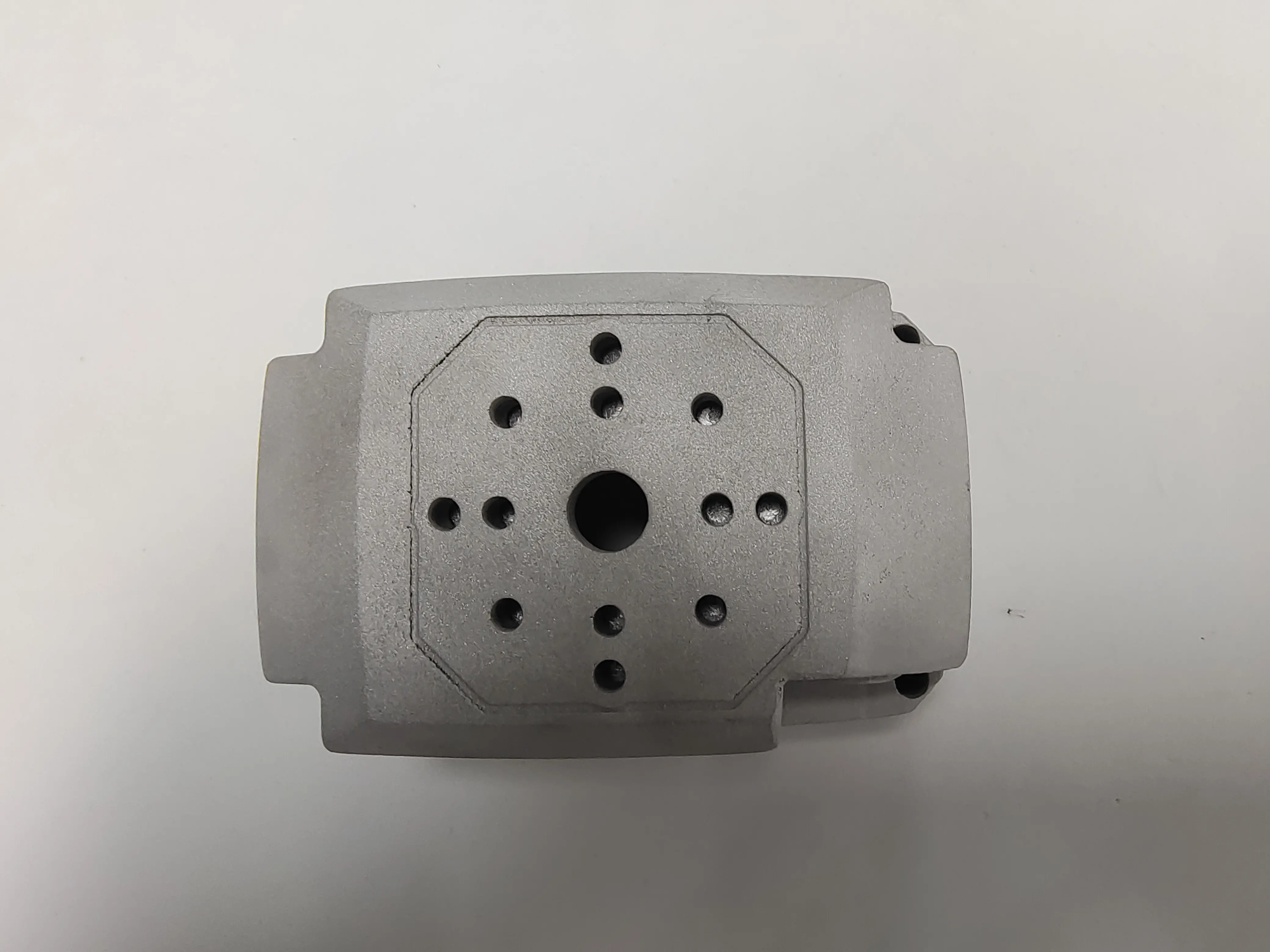
With the continuous development of technology, 3D printing has become an increasingly popular method for the production of complex objects and prototypes. For those new to the 3D printing world, browsing the various technologies, materials and equipment available can be overwhelming. In this article, we will dig into the basics of 3D printing and explore different types of printing technologies, materials and applications.
Introduction to 3D printing
3D printing (also known as additive manufacturing) is the process of creating three-dimensional solid objects from digital files. This is achieved by layering materials such as plastics, metals and ceramics, which are then fused together to form the desired shape. The 3D printing process involves multiple stages, including design, slicing and printing. The design phase involves creating a digital model of the object to be printed and then cutting it into printable thin layers.
Types of 3D printing technology
There are several types of 3D printing technology, each with its own advantages and disadvantages. Some of the most common techniques include:
- Fusion Deposition Modeling (FDM): This is one of the most common types of 3D printing, which involves extruding melted plastic out of the heated nozzle to create the desired shape.
- Stereo-Lithography (SLA): This technology uses lasers to heal liquid resins, creating highly detailed and accurate prints.
- Selective laser melting (SLM): This technology uses high-power lasers to melt and fuse metal powders to create powerful and durable parts.
- Binder spray: This technology uses liquid adhesives "glue" Powder particles form a solid object.
Materials used in 3D printing
The type of material used in 3D printing depends on the desired properties of the final product. Some common materials used in 3D printing include:
- plastic: These are the most common materials used in 3D printing, and are popular choices including ABS, PLA and PETG.
- Metal: These are used to create rugged parts, including aluminum, steel and titanium.
- ceramics: These are used to create objects with high thermal resistance and durability.
- Composite materials: These are made by combining different materials such as carbon fiber and plastic to create objects with unique properties.
Application of 3D printing
3D printing has a wide range of applications including:
- Rapid prototyping: This involves creating prototypes quickly and efficiently, thus performing rapid testing and iteration.
- Production: This involves using 3D printing to create end-use parts such as aircraft components and medical implants.
- Art and Design: This involves using 3D printing to create complex and complex designs such as sculpture and jewelry.
in conclusion
In short, 3D printing is a powerful technology that revolutionizes the way we design, produce and manufacture objects. 3D printing has the ability to create complex shapes and structures, with a wide range of applications, from rapid prototyping to production and art. Whether you are an amateur, entrepreneur or an industry professional, understanding the fundamentals of 3D printing can help you unlock its full potential.
FAQs (FAQs)
- What is 3D printing?: 3D printing is the process of creating three-dimensional solid objects from digital files.
- What are the different types of 3D printing technology?: The most common types of 3D printing technology include FDM, SLA, SLM and adhesive spray.
- What materials can be used in 3D printing?: Common materials used in 3D printing include plastics, metals, ceramics, and composites.
- What are the applications of 3D printing?: 3D printing has a wide range of applications, including rapid prototyping, production, and art and design.
- How do I start 3D printing?: To get started with 3D printing, you can buy a 3D printer, learn about different types of printing techniques and materials, and practice designing and printing objects.