Air Dry Clay 3D Printing: A Comprehensive Guide
3D printing has revolutionized prototyping and manufacturing, but if you are exploring accessible, low-tech alternatives, Air-dry clay 3D printing Provides a unique blend of artistic and innovativeness. Unlike filament-based or resin-based methods, this technology combines traditional engraving with digital precision without the need for a kiln or oven. Let’s dig into the basics, the application and why it gets attention.
What is air dry clay 3D printing?
Air dry clay printing uses ceramic-like clay, extruded layer by layer by layer by layer by improved 3D printer. Clay hardens naturally through evaporation, creating tactile, organic objects. This is the ideal choice:
- Art sculptures and statues
- Textured home decoration (vase, ceramic tiles)
- Environmentally friendly packaging prototype
- Educational Models (Biology, Archaeology)
Process: Objects from design to completion
-
Design and slice:
- Create a model using CAD software (Blender, Tinkercad).
- Optimized clay design: thicker walls (> 5mm), minimal overhang and soft curves.
- Cut the model into software such as Cura or Clayprint, adjust the layer height (usually 0.8-2mm) and the printing speed (10–30mm/sec).
-
Clay preparation:
- Choose a low-fragmentation highly plastic clay (e.g. DAS, Crayola).
- Knead into clay until flexible; add a small amount of water to smoothly extrude.
- Avoid air bubbles – They cause cracks during drying.
-
print:
- Use clay-compatible printers (e.g., a modified FDM printer with a syringe extruder or a dedicated delta printer with a Delta Wasp (e.g., Delta WASP).
- Tape the nozzle (2–6mm diameter) onto the extruder.
- Print on a rigid, movable surface (glass or acrylic) mist with water to prevent sticking.
- Drying and post-treatment:
- Air dry printing for 24-72 hours, rotate to cure.
- When half dry, use sandpaper or carved details to refine the surface.
- Sealed with clear acrylic varnish or PVA glue for durability.
Key Advantages
✅ Low cost and environmental protection: No electricity to dry; clay is biodegradable.
✅ Tactile quality: Great for pieces of important texture and weight.
✅ Accessibility: Safe classroom or home studio (smoking/heated bed).
Limits to consider
⚠️ speed: Printing and drying time is longer than FDM/resin.
⚠️ strength: Prints do not take the load; if thin, they are easy to chip.
⚠️ accurate: Details (<1mm) are difficult to achieve with resin printing.
Design Best Practices
- Thick wall: ≥5mm to prevent rupture.
- Support structure: Use dissolved foam or design self-supporting angle (> 45°).
- geometry: Prioritize organic shapes – Fight against sharp corners.
Industrial grade alternative: When clay is not enough
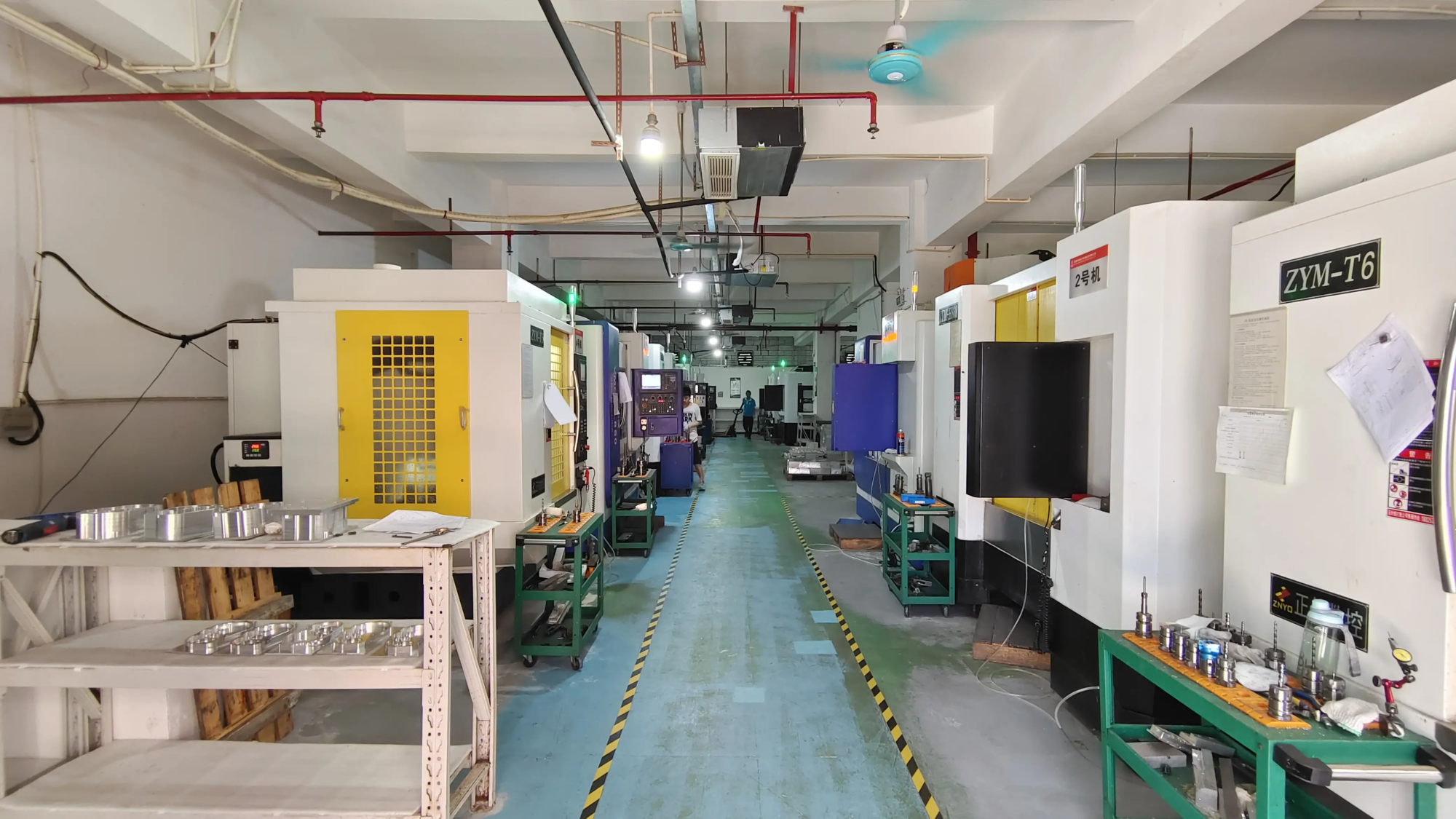
For functional prototypes that require precision, heat resistance or structural integrity Metal 3D printing Good at it. This is Rapid prototyping Bridge gaps. As a leader in industrial additive manufacturing, Greatlight offers:
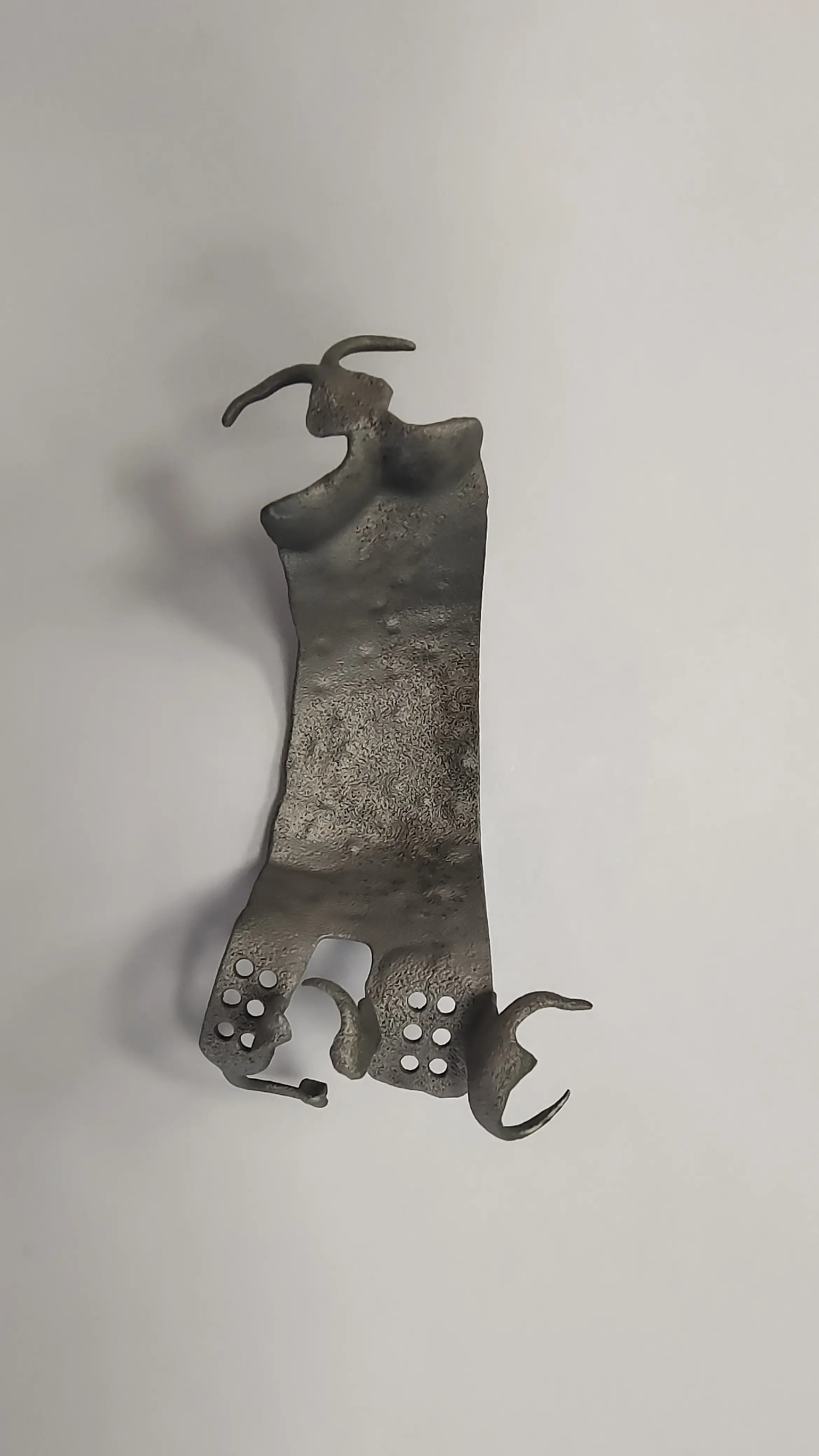
- SLM (Selective Laser Melting) Technology: Generate complex high-strength metal parts.
- Material: Stainless steel, titanium, aluminum and custom alloys.
- Post-processing: Processing, polishing, heat treatment and coating services.
Whether you need aerospace components, medical implants or automotive tools, Greatlight’s one-stop solution ensures fast and precise production results.
in conclusion
Air dry clay 3D printing makes creative democracy for tangible art and lightweight prototypes. This is a rich additive manufacturing portal that integrates analog processes with digital innovation. For amateurs and educators, clay printing invites minimal investment experiments. However, when the project requires industrial rigor, Great Unlock professional-level results. Their mastery in SLM and finishing services transforms digital design into resilient reality solutions, thus demonstrating the unlimited evolution of manufacturing from clay to aerospace metals.
FAQ section
Q1: Can any 3D printer handle air dry clay?
Answer: It’s not that there are no modifications. FDM printers require a syringe extruder and custom nozzles. Open printers (for example, Delta style) are easier to adapt.
Q2: The durability of air dry clay printing?
A: They are fragile and easily affected by moisture. Sealed with varnish or epoxy for indoor use. Avoid functional parts under pressure.
Q3: Why does my clay break when it drys?
A: Causes include uneven drying, thin-walled or air pockets. Dry slowly in a cool, shaded space and maintain a consistent thickness.
Question 4: Is this method suitable for mass production?
Answer: No. Clay printing is slow and manual. For quantity production, consider Greatlight’s quick tools or injection molding services.
Q5: How does SLM printing of Greatlight improve clay?
A: SLM creates dense, heat-resistant metal parts with tolerance ≤0.1mm – ideal for mechanical components. Greglight’s complete post-processing ensures ready-made parts.
Question 6: Can I paint the clay prints of air?
Answer: Yes! Use acrylic or gouache after sealing. For metal finishes, Greatlight’s vapor smoothing or plating service can obtain high-quality surfaces on polymer/metal parts.
Enhance your creativity with the simplicity of clay or scale accuracy with Greatlight’s industry-leading SLM solution. Explore the entire production range from tactile art to engineering excellence.