Unlocking Innovation: Basic Guide to 3D Printing
Remember to create complex objects that mean weeks of machining, expensive molds, or complex hand-made? Welcome to the age of 3D printing, a revolutionary technology that democratizes manufacturing and dreams of digital into a tangible reality. Whether you are an engineer, designer, entrepreneur, or just a curious mind, understanding the fundamentals of this change process is the key to unlocking its huge potential. This guide breaks down the essentials – think of it as yours "3D printing as a dummy" Moments – Pave the way for you to get through this exciting landscape.
What exactly is it yes 3D printing?
At the core of 3D printing, also known as Additive Manufacturing (AM)contrary to traditional subtraction manufacturing (such as milling or turning). 3D printing does not start with solid blocks of material, but cuts off unwanted parts, but through Add material to one layerUnder the guidance of a digital 3D model (usually an STL file). Imagine a highly automated, digitally controlled hot glue gun that produces complex shapes but materials ranging from common plastics to advanced metals and even biological matter.
3D printing process: step by step
- Digital design creation: It all starts with a computer. Use 3D computer-aided design (CAD) software or a 3D scanner that captures physical objects, a virtual model of the required parts is created.
- slice: This is where magic translation takes place. Special software (a Slicer) Take a 3D model and cut it into hundreds or thousands of incredible horizontal layers (usually as thin as human hair!). It then generates precise machine instructions (G code) that determine the action of the printer and the deposition of the material for each layer.
- print: The printer reads the G code and executes it carefully. Depending on the technology, it accurately extrudes, melts, fuses or cures a layer of material (plastics, resins, metal powders, etc.), gradually building physical objects from the bottom. Layer adhesion is crucial to strength.
- Post-processing: After printing is complete, this part usually needs to be completed:
- Remove the support structure (dangled temporary bracket).
- Clean up excess powder or resin.
- Grind, polish or paint for aesthetics.
- Heat treatment (usually crucial for metal parts to improve strength and relieve internal stress).
The main types of 3D printing technology
Despite many technologies, these are the most common:
- Fusion deposition modeling (FDM/FFF): The most common and consumer-friendly type. Thermoplastic filaments are heated and extruded through the moving nozzles and the material is deposited layer by layer. Relatively affordable, perfect for prototypes, hobby projects and certain functional parts.
- Stereo-lithography (SLA): Liquid photopolymer resins are included in VAT using laser selective curing (hardening). Highly detailed, smooth surface. Perfect for precise prototypes, dental models, jewellery cast patterns and detailed statues.
- Digital Light Processing (DLP): Similar to SLA, but uses a digital light projector screen to flash the entire layer of the image at once, providing faster printing speeds for small parts. Share similar applications with SLA.
- Selective laser sintering (SLS): Use powerful laser selective fusion (sintered) of small particles of polymer powders (such as nylon). The parts are strong and functional and do not require support structures (no powder inserted as support). Widely used for complex, durable prototypes and end-use parts in engineering.
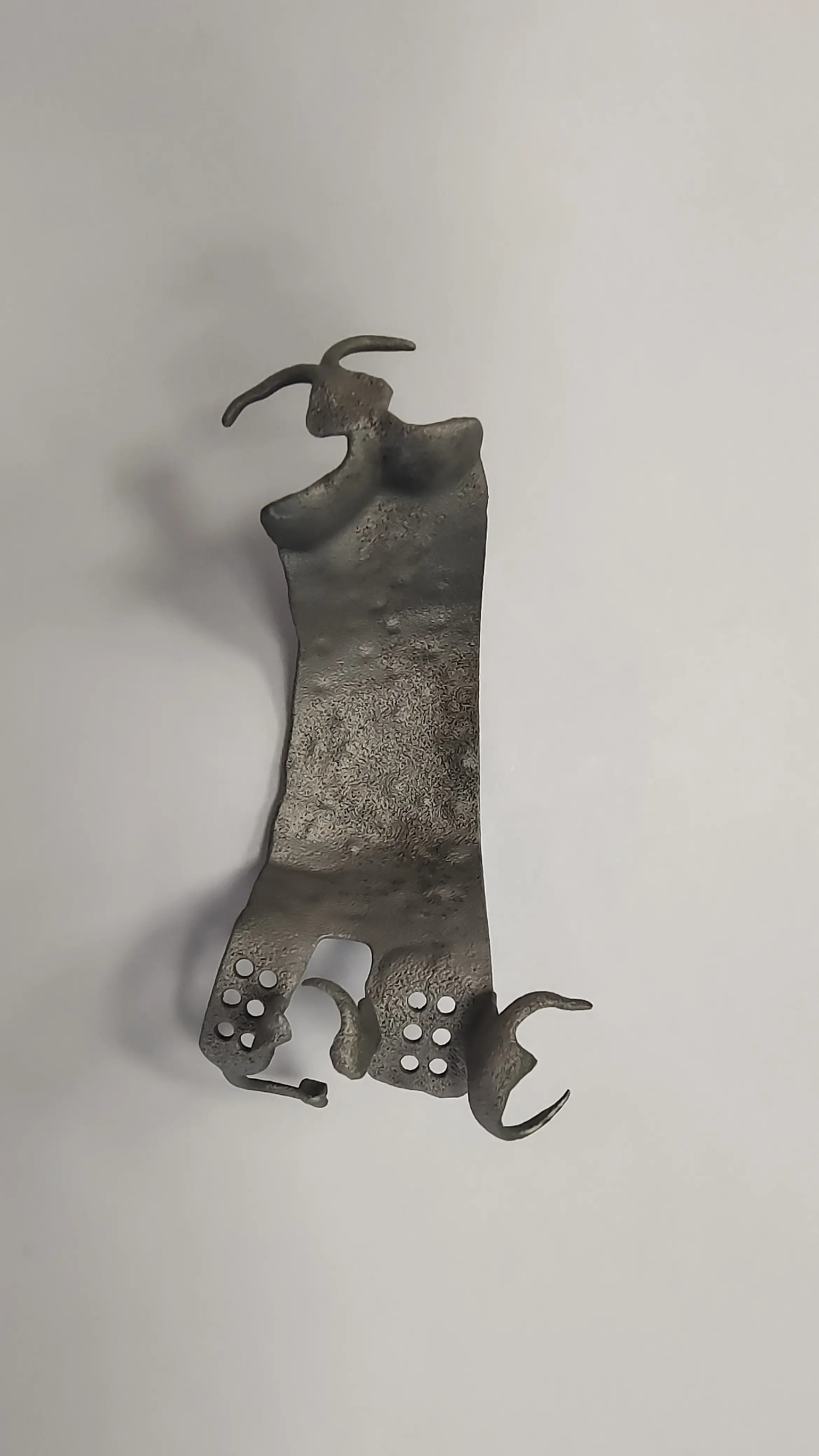
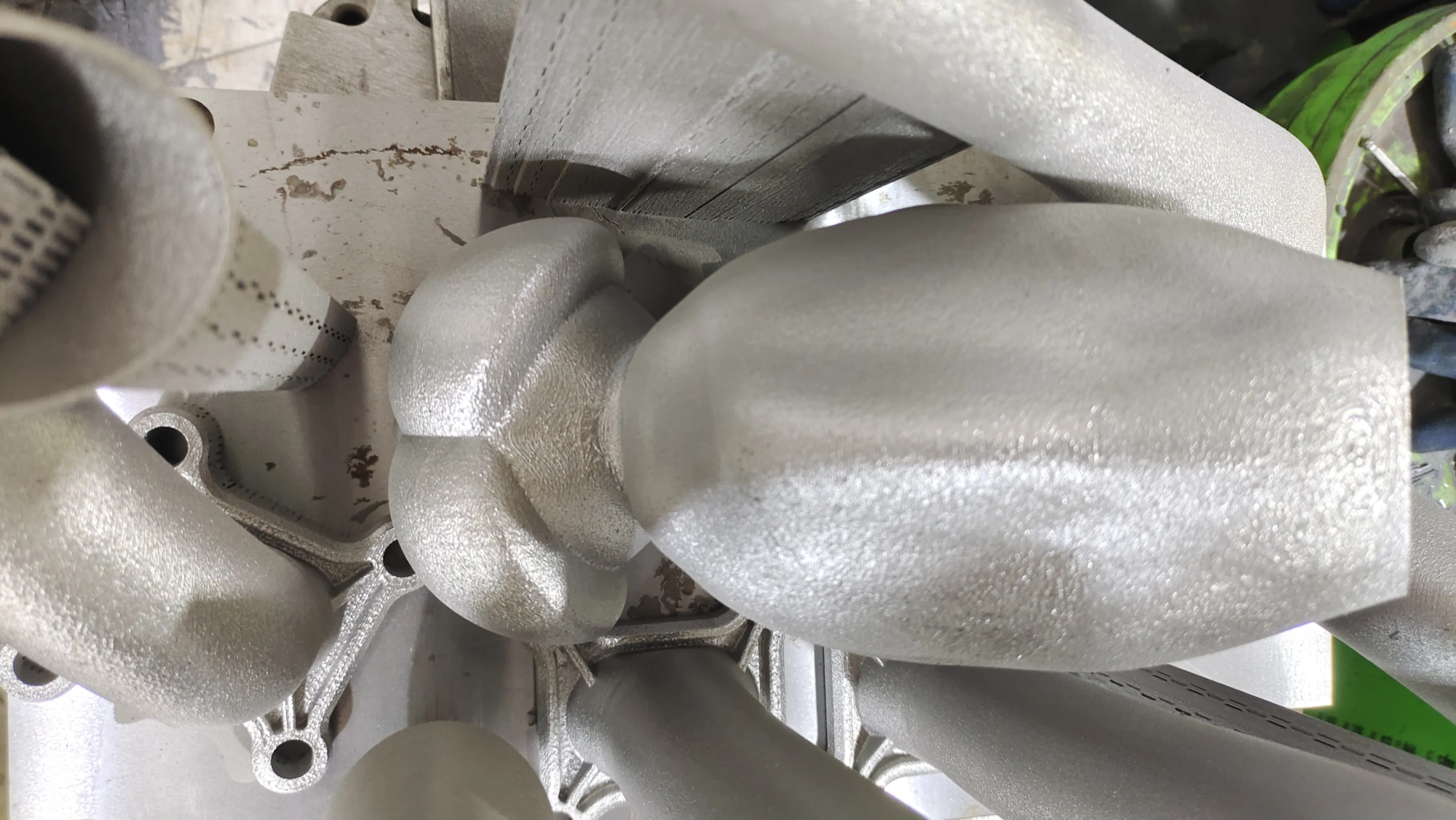
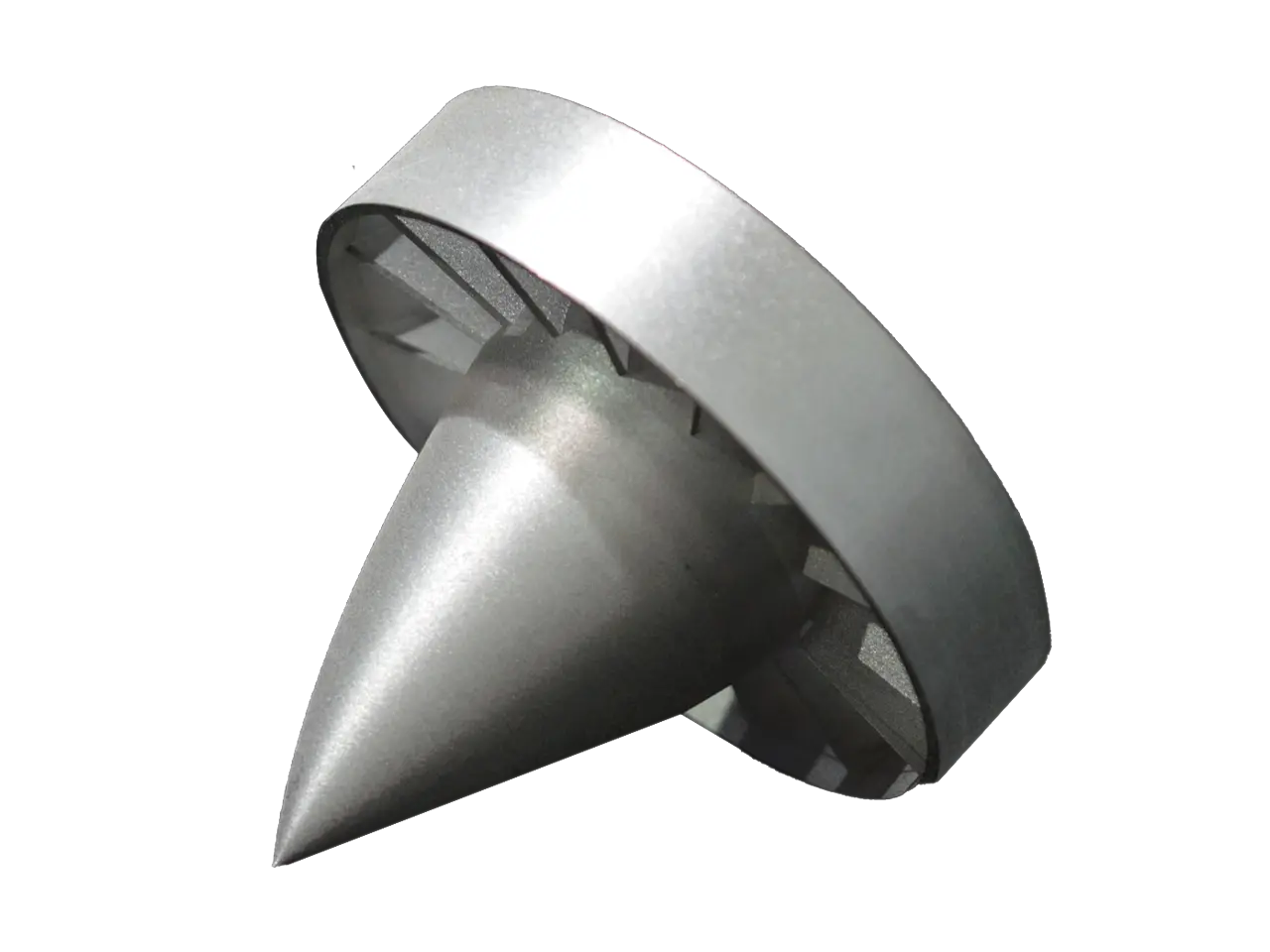
- Metal 3D printing (SLM/DMLS/Binder jet): Advanced layer of reliable functional components.
- Selective laser melting (SLM) and Direct Metal Laser Sintering (DML): A similar process is melted layer by layer with a high-power laser to completely melt the metal powder particles together to produce a dense near-network metal component. Ideal for aerospace, medical implants, tools and high-performance automotive parts.
- Binder jet: The adhesive selectively deposited on a layer of metal powder will bond together. The parts are then burned in the furnace to achieve full strength. Although density and feature resolution may vary, they are usually faster than SLM/DML.
Material: Beyond Plastics
The material palette is expanding:
- polymer: PLA (easy to biodegradable), ABS (tough, heat resistant), PETG (durable, shadow resistant), nylon (strong, flexible), TPU (rubber-like flexibility), SLA/DLP various resins (high detail, brittle, brittle or depending on type).
- Metal: Metals such as stainless steel, titanium alloy, aluminum alloy, cobalt powder, nickel alloy, tool steel and precious metals.
- Others: Ceramics, composites (plastics mixed with wood, metal, carbon fiber), and even concrete and biomaterials.
Beyond Prototypes: Extended Applications
While rapid prototyping is still a cornerstone – allowing designers to iterate over design in days rather than weeks, saving a lot of money and accelerating innovation, there is now 3D printing:
- Custom made: Manufacture complex, customized or small batch parts (fixtures, fixtures, medical equipment, personalized consumer goods) on demand.
- Tools and molds: Faster and often cheaper mold (injection, compression, thermoforming) and assembly fixtures.
- End-use parts: High-performance components used directly in the final product, especially where complexity and weight saving are critical (aerospace, automotive, medical implants).
- Medical and Dental: Custom prosthesis, surgical guide, anatomical model for pre-operative planning, crowns and bridges.
- Education and Research: Visual aids, tools for STEM projects.
- Art, Fashion and Design: Unique sculptures, intricate jewelry, custom footwear.
Why Greatlight performs well in precision metal 3D printing
Navigating the complexity of metal additive manufacturing requires professional expertise and cutting-edge technology. This is Rapid prototyping Stand out as China’s leading partner.
- Advanced SLM technology: Greglight takes advantage of the latest Selective laser melting (SLM) system. This technology produces fully dense, high-strength metal components with excellent mechanical properties that can be comparable to or sometimes surpass traditionally manufactured parts.
- Comprehensive solution: We know that printing is usually just the first step. GREMPHILE provides real One-stop post-processing and completion service. From basic pressure relief and heat treatment (vacuum annealing, hip-thermal isostatic pressure) to precise CNC machining for critical tolerances, support removal, complex polishing and various surface treatments (bead blasting, electroplating, painting), Greatshile, Greatshile the All Pornempers ancllight of light of light of light and there and there and there and there and there and there and there and there and there and there there there offer-forde offer-offe.
- Material expertise: There are a variety of metal alloys that can be used for SLM processing and Quickly customize and process materialsGreglight can meet a variety of technical requirements – whether you need the lightweight strength of titanium, the biocompatibility of cobalt powder or the versatility of stainless steel and aluminum alloys.
- Rapid Prototyping Core Capabilities: Solving challenging rapid prototyping problems is our expertise. We focus on delivery High precision, fast custom processing solutions at competitive prices. Optimized workflows and in-depth process knowledge ensure reliable results under pressing deadlines.
- Quality focus: From strict document preparation and machine calibration to strict quality control and post-process verification (dimensional inspection, material certification, non-destructive testing (if required), Greatlight retains the commitment to deliver parts to specifications and quality standards.
Conclusion: Embrace the future of additives
3D printing is not only a futuristic novelty. This is a powerful, ever-evolving manufacturing paradigm reshaping industry. From the simplicity of FDM plastic prototypes to the high strength complexity of SLM metal parts, this technology provides unparalleled freedom in design and production. Understand its fundamentals – layer by layer approach, diverse technologies, materials and workflows – to enable anyone to explore its possibilities. Work with experts for companies seeking to reach their full potential, especially in demanding metal applications and rapid prototyping Great Ensure access to state-of-the-art SLM functionality and comprehensive finishing services to effectively and economically transform innovative designs into high-quality, functional reality. The journey from digital concepts to physical objects has never been faster or easier to access. Start exploring what 3D printing can create for you.
FAQ: Your 3D printing question has been answered
-
Which software do I need to start 3D printing?
- CAD software: Used to design your own model! Options range from free/open source (Tinkercad-beginner, mixer-intermediate/advanced, freecad) to professional paid software (Fusion 360, Solidworks, Rhino).
- Slicer software: Preparing a model for the printer is crucial. Popular options include Ultimaker Cura, Prusaslicer, Simplify3D (paid) and printer manufacturers’ proprietary slicers. For metals, use highly professional software.
-
Is 3D printing expensive?
- Consumer Level (FDM/Resin): Printers are relatively affordable, especially FDM ($200-$2000+). Material cost per kilogram (plastic filaments/resin) medium. The cost of each part depends on size and complexity.
- Professional/Industrial (SLS, Metal): The machine costs hundreds of thousands of dollars. The cost of materials is significantly higher, and post-processing increases costs. Services (like Greatlight) can be accessed without capital investment. Benefits such as lightweight, part merging and reducing lead time often justify costs at this level.
-
How strong are 3D printed parts?
- Power depends on Material, , , , , technology, , , , , Printing direction, , , , , set up (Fill density, layer height) and Post-processing.
- FDM: PLA is stiff but fragile. ABS, PETG and nylon provide more resistance. The intensity is usually anisotropic (stronger along the layers than between layers).
- SLA/DLP: The resin may be brittle, but has high rigidity. Hard resin exists, but it is expensive.
- SLS: Nylon parts are sturdy and durable, similar to injection molded parts.
- Metal (SLM/DML): Achieve mechanical properties comparable to forged or cast materials of many alloys. Post-processing like the hips is crucial for aviation-grade quality.
-
What is the difference between prototyping and manufacturing of 3D printing?
- prototype: Focus on Form, fit and function test. The speed and cost-effectiveness of iteration are priorities.
- manufacturing: Focus on production Final functional parts Meet strict mechanical, dimensional and cosmetic requirements. Reliability, consistency, process verification, material certification and robust post-processing become critical. Technologies such as SLM and Advanced SLS perform well here.
-
Why choose selective laser melting (SLM) for metal parts?
- High density and strength: SLM produces a completely dense (>99.9%) portion that has mechanical properties close to or exceeds the sub/cast.
- Complex geometric shapes: Create complex internal functions, lattice and cooling channels through machining.
- Reduce material waste: Use only the materials contained in the last section.
- Lightweight: Complex lattice and topological optimizations significantly reduce parts weight.
- Parts merge: Combining multiple components into a single printed part simplifies components and improves reliability.
-
What are the common post-processing steps for metal printed parts?
- Removed from the build board.
- Remove the support structure (usually EDM sewing or machining).
- Pressure relief annealing: Reduce internal stresses during printing thermal cycles.
- Hot isostatic pressure (hook): High pressure/temperature treatment to eliminate internal microporosity and further enhance mechanical properties (critical for aerospace/medical care).
- Processing: Achieve accurate dimensional tolerances on critical surfaces and interfaces.
- Surface finishing: bead blasting, polishing, electropolishing, rolling, anodizing, electroplating, painting.
- How to choose between a service office like Greatlight or buy your own printer?
- Buy your own (FDM/SLA): Ideal if you frequently print small, simple plastic/resin prototypes or hobby items. Investing in time, maintenance and troubleshooting is required.
- Purchase your own (industrial): It only makes sense for mass production of specific parts. Large capital expenditures ($100k-$1 million) require dedicated expertise and space.
- Use the Service Bureau (like Greatlime): optimal:
- Occasionally printed or short-term production.
- Consumer machines other than materials or technology (especially metals) are required.
- Needs high-quality finishes or complex post-treatment.
- Lack of expertise or specializing in additive manufacturing.
- Want to avoid capital investment and maintenance expenses. Fast prototyping services provide access to overhead expertise and diverse technology.
Ready to turn your ideas into high-precision reality? Explore the possibilities of possibilities with Greatlight, a partner for expert metal rapid prototyping and manufacturing solutions you can trust. Contact us today to discuss your next project!