Build Your Own Battlefield: A Comprehensive Guide to 3D Printing Battletech Miniatures
BattleMech Thundering footsteps echoing across rugged terrain, the smell of ozone and charred armor plates – the universe of Battletech has been captivating tabletop gamers for decades. While classic miniatures have tremendous nostalgia value, today’s tech-savvy MechWarriors have a powerful new tool at their disposal: 3D printing. This guide delves into the exciting world of creating your own custom Battletech troops, exploring everything from getting started to achieving a museum-quality finish, including when to leverage expertise.
Why 3D Print your Battletech army?
- Unlimited customization: Get away from standard engraving. Modify weaponry, create unique poses, add personalized heraldry or resurrect obscure variants – the possibilities are limited only by imagination and design skills. Want an Atlas with dual Gauss rifles or a custom Spider chassis? You are the designer.
- Cost effectiveness: Build an entire gun, company or battalion without the recurring cost of purchasing individual plastic/resin kits – especially for rare or discontinued models. While printers and materials require investment, the unit cost per printer becomes extremely competitive.
- Accessibility and revitalization: Source files or design files for Lostech mechas, prototypes, or personal creations simply do not exist in commerce. Online repositories and talented designers are constantly expanding the universe of available Battletech STL.
- Scale flexibility: Depending on your printer’s resolution and your preference, it’s equally easy to print a Classic Battletech mini model (approximately 6-10 mm in size) or a larger Alpha Strike model.
- Restoration and Repair: Easily replace lost weapons, damaged limbs or antennas – print spare parts!
Starting your personal arsenal: key considerations
-
Design Procurement and Legality:
- STL files: Find models on platforms like MyMiniFactory, Cults3D, Thingiverse or Patreon (support talented creators!). Make sure the file is optimized for printing (waterproof mesh, proper supports).
- intellectual property: Please note copyright. Insist on fan-created designs inspired by the specifications of the Battletech universe and not exact replicas of copyrighted artwork commissioned/licensed by Catalyst Game Labs. Respect the creator’s permission.
- CAD Design (Advanced): Tools like Blender, Fusion 360 or ZBrush allow for unparalleled customization, requiring strong modeling skills.
-
Choose your printer:
- FDM (Fused Deposition Modeling – Filament):
- advantage: Lower cost of entry, durable PLA/PETG printing (great for play), larger terrain/transport build volume.
- shortcoming: Visible layer lines required extensive post-processing to smooth out details; details (small guns, antennas) were challenging.
- Best for: Beginners focus on playability/durability rather than intricate details, large terrain/transport ships.
- SLA/DLP/MSLA (resin):
- advantage: Excellent detail capture critical to the complex angles and weapon mounting of Battletech miniatures; smoother surface finish.
- shortcoming: Consumables (resin) are more expensive, require curing/strict handling (gloves, ventilation), and prints are more brittle than FDM.
- Best for: High-detail mecha warriors can achieve almost professional miniature quality at home.
- FDM (Fused Deposition Modeling – Filament):
- Material selection:
- Frequency division multiplexing: PLA (simple, eco-friendly, brittle), PETG (tougher, heat resistant), ABS/ASA (stronger, but requires heated chamber/enclosure). PLA/PETG is the most common.
- Resin: Standard tan/grey resin (good detail), tough/durable resin (more stretchy, great for game parts that require toughness), washable resin (easier to clean). The choice of color depends on the painting plan.
- Metal: For the ultimate mecha? See the “Professional Benefits” section below!
Mecha assembly line: from files to finished miniatures
- Prepare STL: Use slicer software (Chitubox, Lychee, PrusaSlicer, Cura) to orient the model, generate supports (vital for draping!), and slice it into printable layers. It’s an art – poor support = failed print. Minimize silos and ensure key details are well anchored. Hollow models save resin.
- print: Load filament/resin, carefully following printer/slicer settings (layer height, exposure time of resin). Monitor the entire process, especially the first few layers.
- Post-processing:
- Frequency division multiplexing: Remove supports, sand (start coarse and work your way up to finer), fill gaps/print lines (putty), apply primer.
- Resin: Carefully remove the support (rinse cutter, hot water), clean with IPA (or water if compatible resin), and UV cure thoroughly. Small imperfections may still need to be sanded/filled. Safety equipment (gloves, goggles, ventilator/mask) required for cleanup.
- Painting and assembly: Prime with a spray primer designed for plastics/resins. Acrylic is standard. Tiny rare earth magnets can be used to embed (drill/cavity) the magnets for customizable weapon arms.
- Base: Add style using textured paint, sand, cork, static grass or specialized base inserts/sheets.
Metal Advantage: When you need the ultimate machine
For collectors looking for unparalleled durability, weight, detail and a truly premium feel beyond plastic and hobby resin. Metal 3D printing enters the stage. This is where expertise becomes crucial.
- Technology Spotlight: SLM (Selective Laser Melting): This advanced powder bed fusion technology uses powerful lasers to fuse fine metal powders (layer by layer) into fully dense, near-net-shape parts. The result? Parts with superior mechanical properties and intricate details surpass even high-resolution resin printers.
- Why choose metal for Battletech?
- Weight and feel: Solid metal mechs have a satisfying heft – they feel as substantial on the table as classic lead/tin, but without the health risks.
- Excellent durability: Will not break accidentally and easily withstands drops and transportation.
- Microdetail fidelity: Capture the finest panel lines, vents and weapon barrels with stunning clarity.
- Unique surface treatment options: The metal opens the way for stunning electroplating (nickel, gold, copper), high polish, engraving, special patinas or vivid depigmentation treatments directly on the metal.
Bridging the Gap: How GreatLight Can Boost Your Battletech Dreams
Creating high-quality metal Battletech miniatures using SLM requires industrial-grade equipment, expert materials knowledge, and rigorous post-processing techniques – extremely expensive and complex for any hobbyist. This is the precision challenge Giant light solution.
As a leading professional rapid prototyping manufacturer specializing in metal solutions, GreatLight brings production-grade SLM technology directly to MechWarriors:
- Industrial grade SLM printing: Using the most advanced SLM equipment, micron-level precision can be achieved that is unreachable in the consumer market. Produce complex metal mechas that comply with the most demanding STL files.
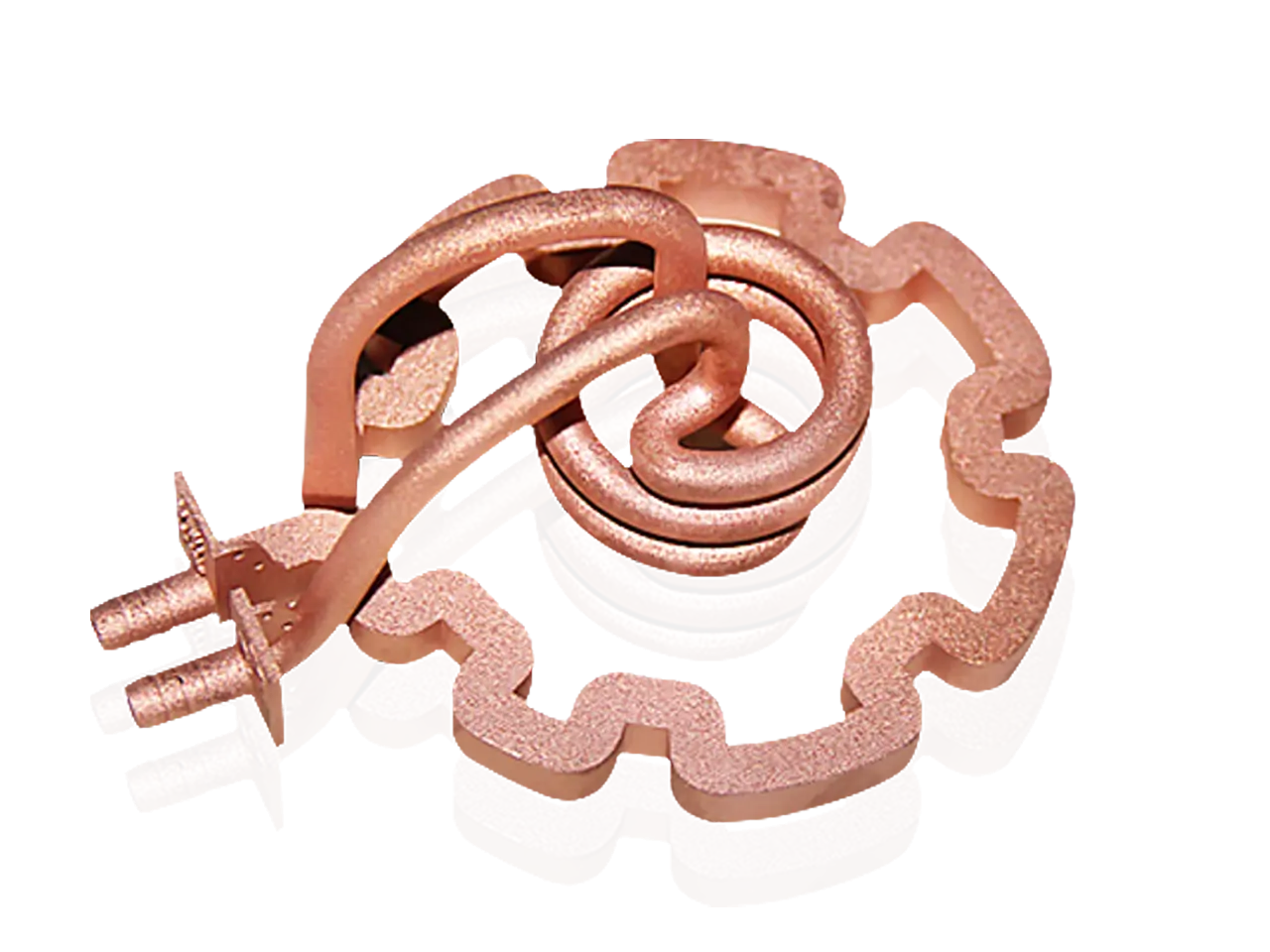
- Advanced Materials Portfolio: Get specialized metal powders including stainless steel (strong, versatile), aluminum (lightweight, durable), titanium (strong, lightweight), Inconel (heat/fatigue resistant), copper alloys, and more—tailored to your model needs.
- One-stop post-production improvement: GreatLight is more than just printing; They offer complete finishing pipelines:
- Expert support for removal.
- Suitable for precision CNC machining of critical interfaces or assembly points.
- Heat treatment (annealing, stress relief).
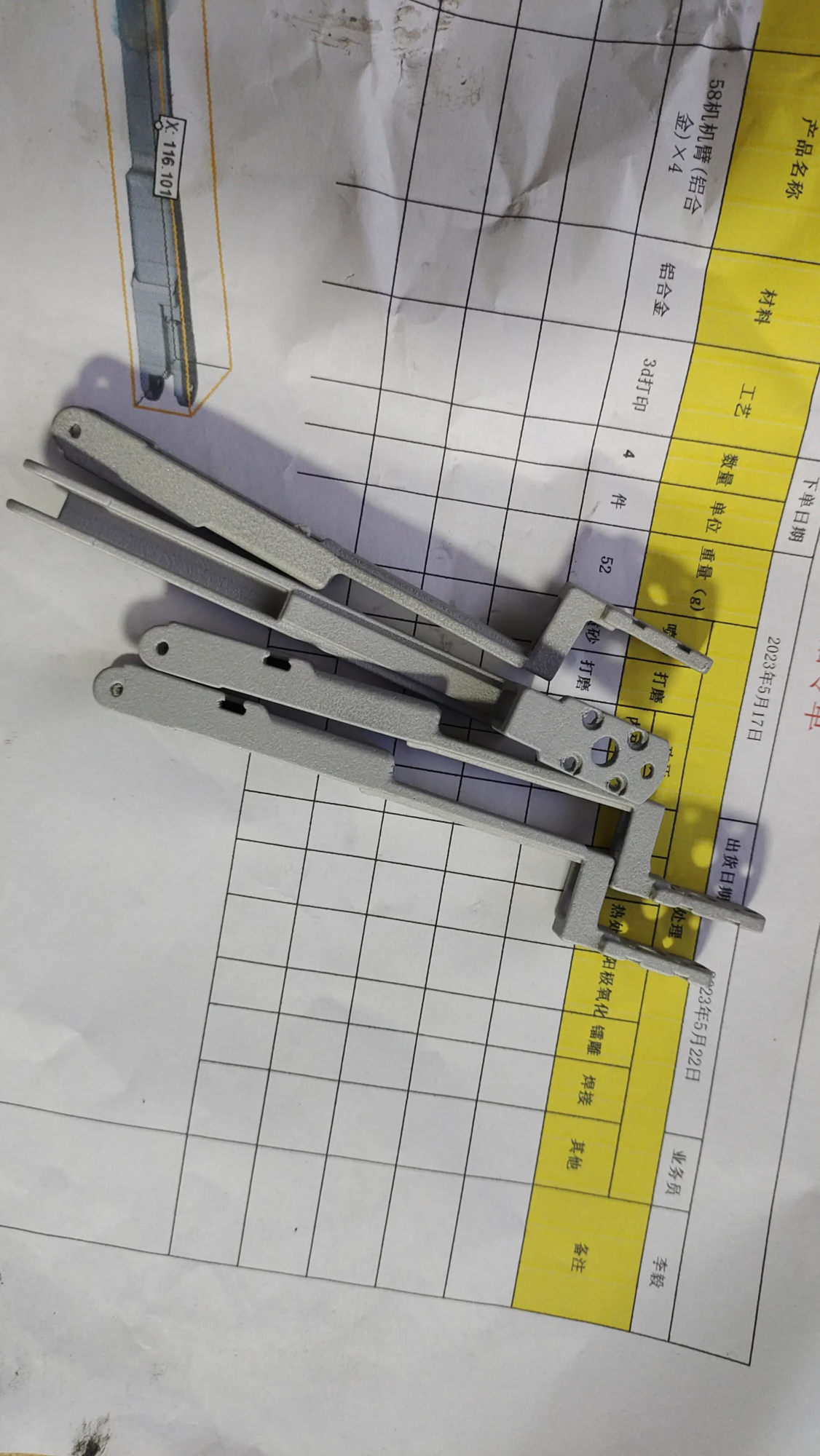
- Complex surface treatment: sandblasting, polishing (mirror effect can be achieved), sandblasting (uniform matte), engraving, etching, electroplating, spray painting, DCOP (digital color overprinting on metal), powder coating.
- Rapid customization and prototyping: Need to quickly iterate on a unique design? GreatLight specializes in rapid turnaround prototyping and understands gamers’ desire to see their custom designs come to life quickly without sacrificing quality.
- Global accessibility and competitive pricing: GreatLight leverages efficient processes and scale to deliver professional-grade metal Battletech printing and finishing at an affordable price.
Conclusion: The future is printed
3D printing has irrevocably changed the Battletech hobby. FDM provides easy troop building and terrain creation, while resin printing unlocks hobbyist-level detail previously unimaginable at home. However, for those who seek the pinnacle of micro-fidelity, durability and a truly collectible metal finish, professional SLM metal printing represents the pinnacle. For individuals, the complexity and cost barriers to achieving this quality are substantial.
Companies like GreatLight democratize access to this high-end technology, becoming the foundry for modern mech warriors. Whether you’re flexibly printing common variations on an FDM printer, capturing exquisite details in resin, or commissioning a masterpiece Atlas forged from real steel through GreatLight’s SLM expertise, the ability to customize, create and deploy your unique powers has never been easier. Embrace the revolution, Commander – your factory is waiting for you.
Frequently Asked Questions (FAQ):
-
Is it legal to 3D print Battletech models?
- Print design you Creations based on Battletech specs/art (fan art) are generally acceptable under fair use/non-commercial regulations. Downloading precise Digital copies of Catalyst sculptures violate copyright. Always respect creators’ licenses on the STL marketplace – many designers offer legal licenses for personal printing.
-
What is the best type of printer for beginners at Battletech?
- Cost/Leisure Focus: Start with FDM (PLA/PETG). The initial cost is low and the results are long-lasting, making it perfect for playing with friends. Get ready for post-processing for smoothness.
- Focus on details: Jump into resin printing. Requires a little more setup and safety precautions, but delivers stunning detail right out of the box. Worth the effort for micro quality fans. Look for rugged FEP film tanks and satisfactory UV curing capabilities.
- **