Bringing Beetlejuice to Life: Master 3D Printing Tips and Techniques to Create Weird Creations
Tim Burton’s iconic gothic comedy "Beetlejuice" continues to captivate audiences with its quirky characters, twisted afterlife bureaucracy, and haunting visual style. For 3D printing enthusiasts and prop makers, this is a treasure trove of inspiration. From a ghost’s striped suit to a miniature shrunken waiting room to the haunted face sculptures found throughout Lydia’s home, the film offers endless possibilities for intricate, imaginative prints. But interpreting Burton’s unique, twisted aesthetic and achieving high-quality results required careful planning and execution. Get ready to unleash your inner bio-exorcist with these essential Beetlejuice 3D printing tips!
1. Master the Stripes: Beetlejuice’s Iconic Outfit
The chaotic stripes of the Beetlejuice set are legendary. Visually capturing this requires precision:
- Modeling strategy: Avoid modeling single pieces with complex textures, which may confuse the slicer. Instead, create suit geometry as a base. Generate stripes using embossed/embossed geometries on the surface, or design them as individual thin panels, print flat and attach crisp lines after printing. Using actual geometry ensures consistent stripe width and depth.
- Slicing Acrobatics: Horizontal stripes covering the curve may cause slicing artifacts. Enable similar features "Detect thin walls" If the edges bleed, adjust the Horizontal Expand slightly. For vertically oriented stripes, vertically printed models (if properly constructed) can maximize layer line fidelity at the edges of the stripes. Use a finer layer height (0.15mm or lower) for smoother transitions.
- Material selection: PLA or ABS are good bases, but consider using flexible TPU to create stripes that wrap around complex curves on the garment to ensure durability while wearing. For purely decorative parts, PETG is tough and easy to work with.
2. Twisted Art: Burtonesque Figures and Sculptures
Beetlejuice thrives on outstretched limbs, grimaces, and disturbing forms. Replicating this requires advanced technology:
- Support savvy: Dangling limbs, protruding jaws, and splayed grimaces all require complex supports. Use tree supports in a slicer (Cura, PrusaSlicer) – they use less material, are easier to remove from complex organic shapes, and leave less scarring. Adjust the Support Interface Density (Increase Density) and Z Distance (slightly larger than the default) to allow for easier separation from fragile features.
- Optimization direction: Sometimes severely curved graphics are printed vertically possible Reduce overall support requirements compared to horizontal printing. Analyze the model using the slice preview tool to visualize support requirements and experiment with orientations to minimize the points at which supports attach to critical aesthetic surfaces.
- Detailed description: Burton’s world thrives on tactile details – bumps, wrinkles, seams. Make sure your STL file has sufficient resolution. If sculpting digitally, export at a high polygon count. enable "Print thin walls" And consider the variable layer height feature (in a slicer like the PrusaSlicer) to print complex facial features at ultra-fine resolutions (e.g. 0.08mm) while maintaining larger torso sections at faster heights (e.g. 0.2mm).
3. Miniature World Copy: Sandworm to Deeds Manor
Intricate miniature town sets are perfect for ambitious dioramas:
- Scale and details: For tiny architectural elements like houses or tombstones, resin printing (SLA/DLP) is king. Resin captures tiny details that FDM filament cannot. Use resins with high detail and transparency (e.g. anycubic Eco Grey, Siraya Tech Fast).
- Small but strong: Microprinting thin spiers, railings or attic windows requires material strength. For resin, consider adding a resin like Siraya Tech Tenacious (hybrid mix) for added flexibility and impact resistance. Through FDM, engineered filaments such as annealed PLA, PETG or nylon are used for key structural elements.
- Preparation for painting: Miniature models require perfectly smooth surfaces. For resin prints, meticulous cleaning and curing are crucial. Use an IPA bath (or special cleaning solution) followed by a full UV cure. Polishing micro FDM prints is difficult; mastering the master tape is a priority "blurry skin" Texture in Cura or use acetone vapor smoothing where possible (ABS/ASA only). Primer effectively fills in micro-layer lines on small pieces.
4. Professional Polishing: Enhance your sandworm sculpture
Beyond the printer: Post-processing transforms Beetlejuice prints from prototypes to movie props.
- Polishing Symphony: For PLA/PETG/ABS, start with coarse grit (120-220 grit) and gradually transition to ultra-fine grit (1000+ grit). Wet sanding prevents clogging and significantly improves smoothness. Emphasize careful sanding of compound curves on twisted features. Flexible parts such as TPU require specialized flexible abrasives.
- Gaps filling and cosmetic repairs: Fill layer lines and small imperfections with lightweight body filler (Bondo Spot Putty) or UV-curable resin for precise finishing of intricate details. Use modeling putty (Milliput, Green Stuff) for sculptural repairs or to add texture seamlessly.
- Paint like a painter from hell: Burton’s key elements:
- Primer: Use a primer appropriate for your plastic/material. Light gray or black works well, depending on the final color.
- washing: Basic! A black or dark brown acrylic wash soaks into cracks (like those on sandworms or the aged wood grain on Deetz furniture), making details instantly pop. Needle wash highlights deep separation.
- Dry brushing: Use lighter shades on a textured base. Reveal the wrinkles on a sandworm’s skin, the high spots on a deformed sculpture, or the metallic highlights on a sports trophy. Apply minimally and build incrementally.
Why professional services can enhance your Beetlejuice vision:
While there’s great joy in DIY printing, translating complex, high-risk Beetlejuice projects (especially metal figures, wearable props that require durability, or perfect miniatures) often benefit greatly from expertise. huge lightAs a leading rapid prototyping manufacturer, solving common problems associated with complex projects like Beetlejuice creations:
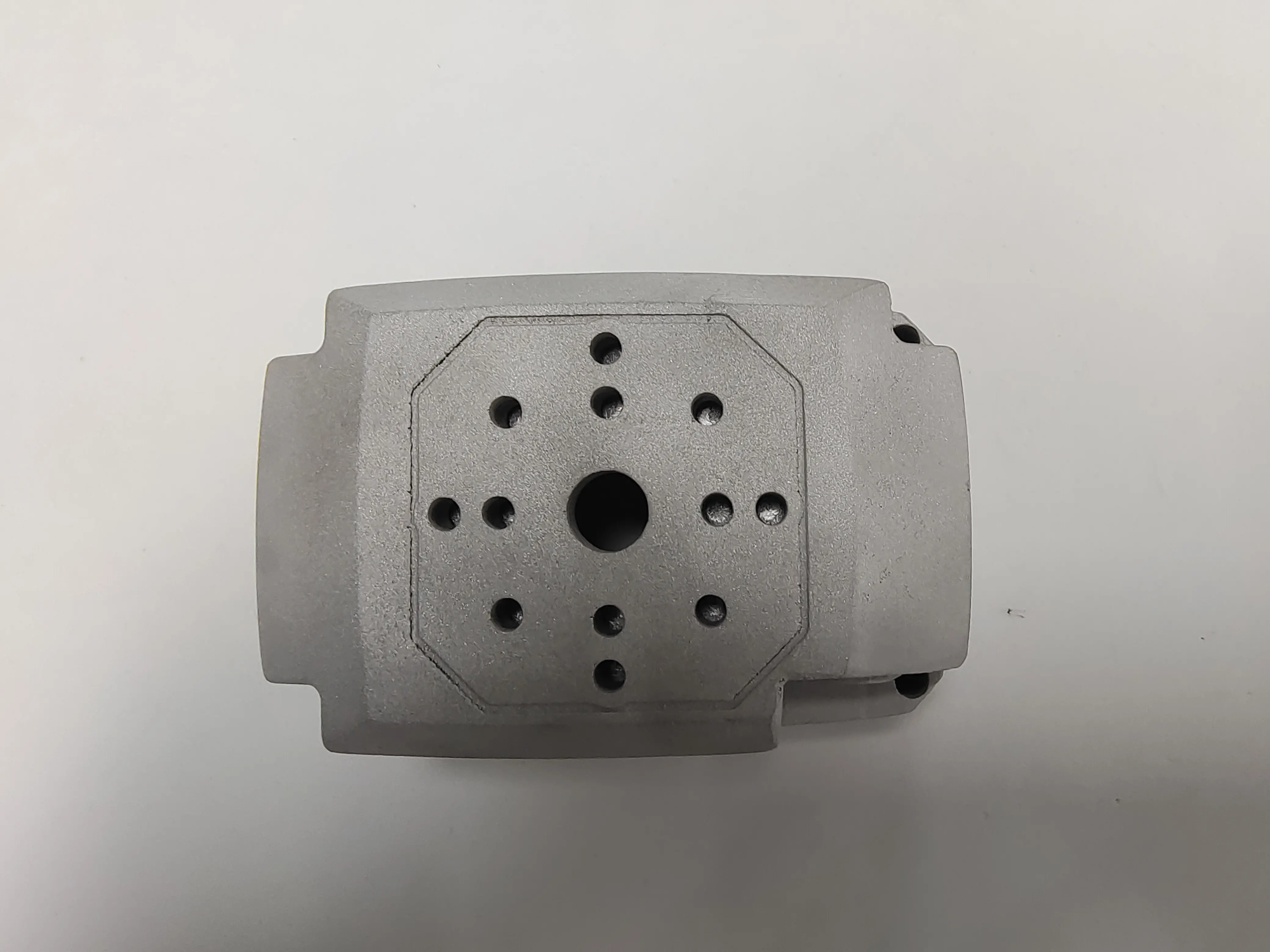
- Unparalleled precision and sophistication: Using advanced metal SLM (Selective Laser Melting) 3D printers paired with high-resolution polymer systems, GreatLight can handle demanding geometries that desktop machines can’t handle – think articulated sandworm sections of metal or Burton-esque statues made of ultra-detailed, non-deforming tough resin.
- Material mastery: From standardized stainless steel, aluminum alloys, titanium and nickel superalloys for premium wearable apparel elements, to specialized engineered thermoplastics and complex resins for detailed sculptures, GreatLight offers a wide range of material customization options not available to the average hobbyist. They expertly select materials optimized for strength, detail, finish or functionality.
- Seamless post-processing: Crucially, GreatLight offers comprehensive One-stop post-processing and finishing services. This includes industry standard sanding/media blasting, precision painting (for studio-quality Burton palettes), high-gloss polishing (ideal for ghost effects or polishing sports trophies), electroplating (for gold accents), meticulous assembly and custom premium coatings for longevity.
- Speed and reliability: In urgent need of your custom Maitland house model? For custom precision machining and rapid prototyping, GreatLight leverages its expertise and resources to deliver exceptionally fast, reliable results at competitive prices without compromising quality.
They transform complex Beetlejuice designs from digital concepts into tangible, durable and visually stunning realities.
in conclusion
Conveying the chaotic spirit of Beetlejuice through 3D printing, blending boundless creativity with precise technical execution. Whether crafting Beetlejuice’s iconic striped suit, replicating a massively textured sandworm statue, recreating a miniature horror world landmark, crafting a functional costume element, or printing an eerily twisted sculpture, mastering design nuances, material selection, print calibration, and expert post-processing are crucial. Embrace the techniques outlined here – experiment with slicing techniques for complex geometries, prioritize direction and support, prioritize precision materials, and elevate your creations with meticulous finishing.
For creators seeking unparalleled detail, structural integrity, professional-grade finishes, or efficient production—especially of demanding materials or complex geometries—work with experts like these huge light Unlock huge potential. Their mastery of advanced SLM printing and polymer technologies, coupled with comprehensive post-processing and rapid customization solutions, ensures flawless results tailored to the exacting requirements of complex concepts such as Burton’s Beetlejuice universe. Dive in, experiment and resurrect the spirit of Beetlejuice with your own incredible 3D printed creations!
FAQ: Beetlejuice 3D Printing
Question 1: What is the best type of printer for making small Beetlejuice characters like lost souls or tiny sandworms?
A: For miniatures (under 3 inches) that require extreme detail, Resin (SLA/DLP) printing is unparalleled. It captures the fine lines of sandworms, the facial expressions of lost souls, and the details of miniature tombstones with extreme precision. If printing strong costume elements or larger figures, a well-calibrated FDM printer using engineered filament may be preferable due to its strength.
Question 2: How to realistically paint the sandworm skin or the aged wood of the Maitland house?
A: Achieve Burton’s signature texture by:
- Textured base: Use fill primer or digital/manual sculpting textures.
- Primer: Appropriate sand color (worms) or weathered wood color (house).
- Deep cleansing: Apply dark brown or black acrylic cleaner liberally, allowing it to pool in recesses and cracks.
- Dry brushing: Emphasize raised areas/scales/worn edges with lighter tones (beige/cream for worms; light wood for houses).
- Final layer: Use a fine brush to systematically add precise bloodstains/scuff streaks/mystery ink.
Q3: Can anyone use METAL to professionally print Beetlejuice props for use as cosplay elements or figurines?
Answer: Of course! Specialized metal additive manufacturing companies specialize in exactly this. huge light Adopt advanced SLM (metal) 3D printingcreate durable trapeze statues, technically complex striped costume elements, shiny badges or premium figurines in stunning detail directly from stainless steel, aluminum or titanium. Their finishing services ensure smooth surfaces polished to perfection or authentic aged/textured coatings.
Q4: How can I apply Beetlejuice’s striped pattern to a round surface perfectly without bleeding?
one: Skips strict reliance on texture mapping/UV texture printing patterns. on the contrary:
- Model physical stripes: The stripes are digitally designed as individual raised/debossed geometric features – printed vertically whenever possible so that the stripes align seamlessly with layer lines during the manufacturing process.
- Multi-part process: Stripes are printed individually flat using a flexible material (TPU), then precisely cut and then carefully adhered to the base printed form for accurate results.
- Professional painting: Careful use of painter’s tape or careful masking of liquids before spraying leaves spec areas fully preserved, ensuring razor-sharp separations in a professionally executed post-processing stage with ultra-accuracy.
Q5: Why choose professional prototyping services instead of buying your own industrial printer?
A: Industrial grade metal printers (SLM/DMLS) involve significant investment costs (>$500,000+), result in complex material handling processes (operationally harsh), safety protocol constraints that make it safe and effective to implement DIY technology/scale complexity that is highly impractical in the home, require large chamber controls, are physically difficult to access, are functionally safe while being fully achievable. GreatLight offers unparalleled Speed, advanced material selection (metals!), expert finishing/large-scale post-processing There is simply no way you can effectively, cost-effectively, comprehensively manage, and ultimately flawlessly, professionally, reliably, guarantee, technically prove, scientifically, comprehensively, properly, consistently, professionally, effortlessly, and effortlessly enhance truly optimal results, reliable, optimal, ultimately guaranteed, satisfying, final, domestically.Browse GreatLight now: turn your concept ☝️ into reality!