A Beginner’s Guide to 3D Printing Butt Plugs: Customization and Responsibility
The world of intimate toys is undergoing a fascinating evolution, driven by advances in manufacturing. Among them, 3D printing has become a powerful tool, providing unprecedented freedom of customization and design. Butt plugs, a common and versatile intimate accessory, are no exception. This guide explores the potential, pitfalls, and key considerations for beginners interested in exploring 3D printed butt plug.
Understanding Butt Plugs: Uses and Popularity
Butt plugs are insertable toys designed specifically for anal pleasure. They are usually tapered at one end to facilitate insertion and have a flared base (absolutely necessary for security against loss in the rectum), and they come in a variety of sizes, shapes, and textures. People use them to play alone, with a partner, to prepare for other activities, or just to experience the sensations.
Why choose 3D printing? Personalized happiness revolution
Traditional manufacturing relies on molds, which limits design complexity and customization. 3D printing (additive manufacturing) uses digital 3D models (CAD files) to build objects layer by layer. For intimate products such as butt plugs, this has unique advantages:
- Completely customizable: Design complex textures not possible with molds—ridges, waves, bumps, even personalized shapes based on body scans or specific anatomical preferences.
- Customized sizes: Create plugs precisely customized for personal comfort and experience, from petite beginner sizes to larger, more advanced designs including highly specific internal geometries.
- Rapid prototyping: Designers and brands can quickly iterate on prototypes to test ergonomics, aesthetics and functionality before going into mass production.
- Complex and artistic design: Craft plugs feature hollow sections, biological shapes or artistic patterns integrated directly into the structure. Imagine a plug with an internal resonance chamber for specialized vibrations.
However, turning digital designs into safe and functional body-contact products requires deep expertise.
Important: Security cannot be compromised
The appeal of DIY 3D printing at home is huge, but This is extremely dangerous for intimate products. Standard consumer-grade FDM (Fused Deposition Modeling) printers using materials such as PLA, ABS, PETG, and even resin Definitely not suitable For use with butt plugs. Here’s why:
- Porosity: Consumer prints have microscopic layer lines, pores, and cracks. They trap bacteria and body fluids, prevent thorough cleaning and pose a serious risk of infection.
- Material toxicity: Standard 3D printing plastics are not formulated with body safety in mind. They may leach harmful chemicals or cause allergic reactions. Medical grade certification is crucial.
- Structural Weaknesses: Consumer prints may have defects between the layers, posing a risk of internal breakage—a serious medical emergency.
The Safe and Possible Path: Entering Professional Metal 3D Printing
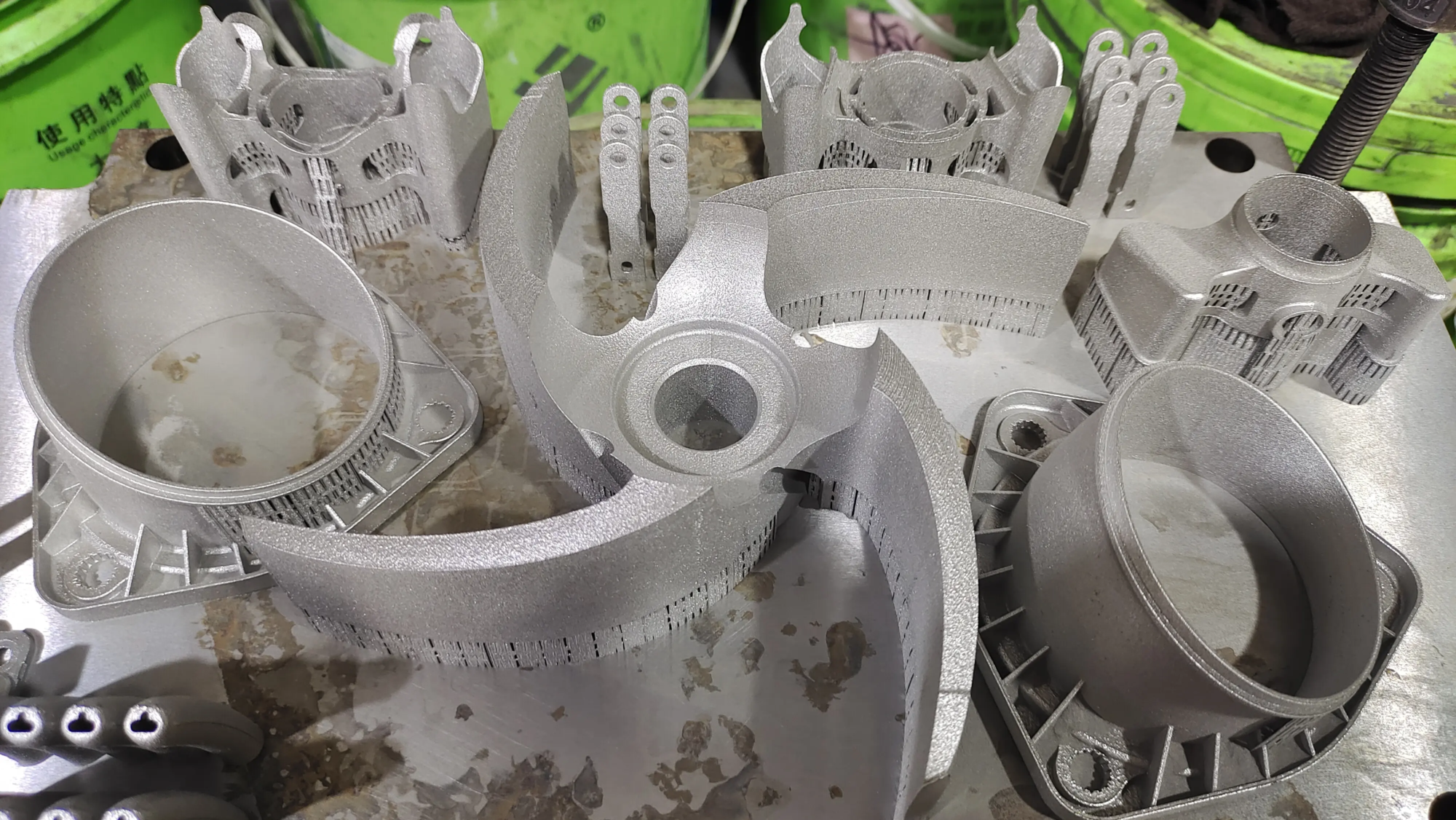
For practical and truly safe 3D printed butt plugs, especially metal ones, Professional grade manufacturing is mandatory. Technology such as Selective Laser Melting (SLM) Provides a safe path when executed correctly:
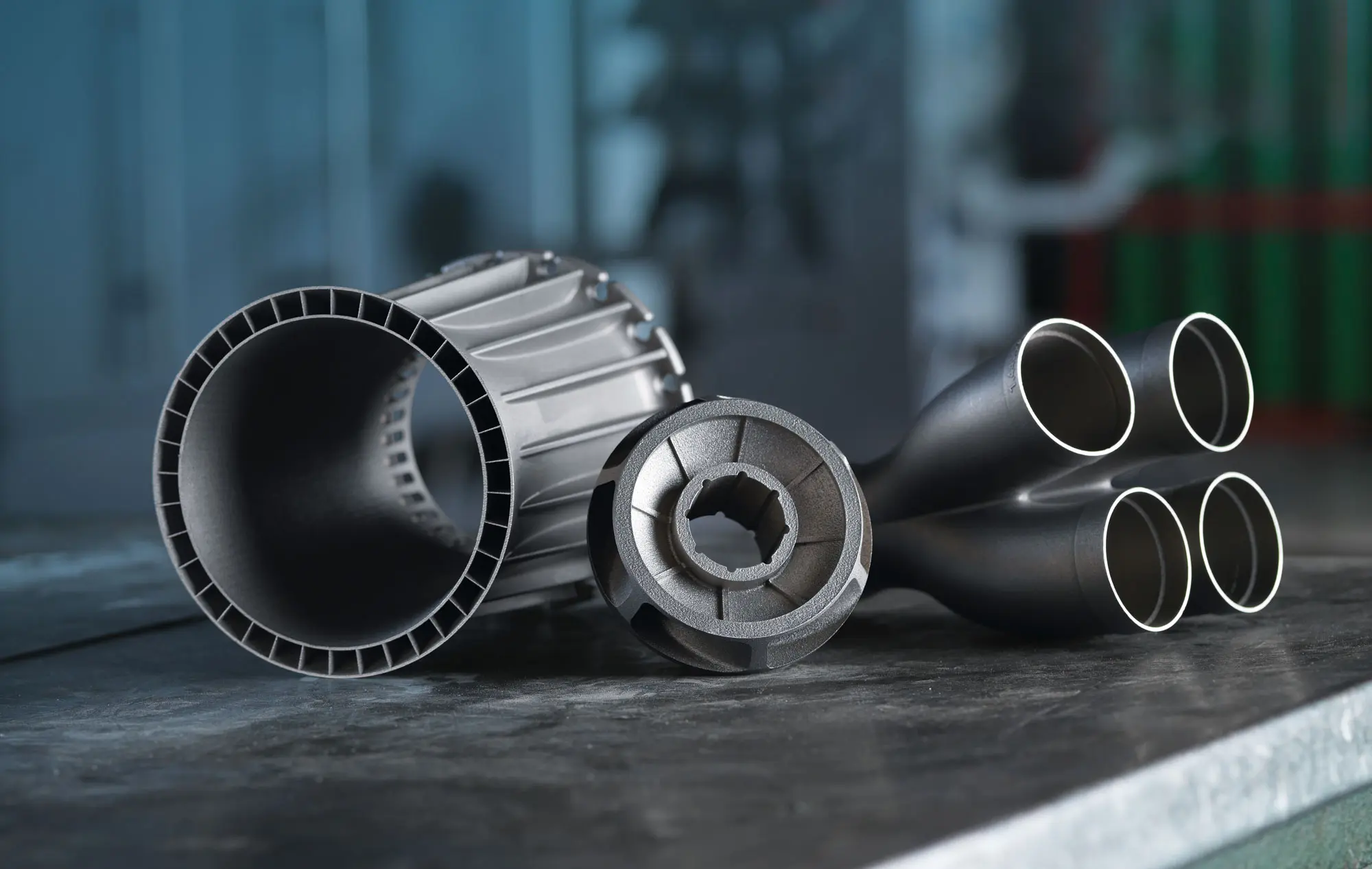
- Dense, non-porous structure: SLM uses a laser to fuse fine metal powders (such as surgical-grade stainless steel 316L or titanium alloys such as Ti6Al4V) layer by layer to form a completely dense, non-porous part. This is essential for sterility.
- Biocompatible materials: Metals such as 316L stainless steel and Ti6Al4V are known biocompatible materials and are widely used in medical implants and high-end intimate toys. They are body safe, hypoallergenic and chemically stable.
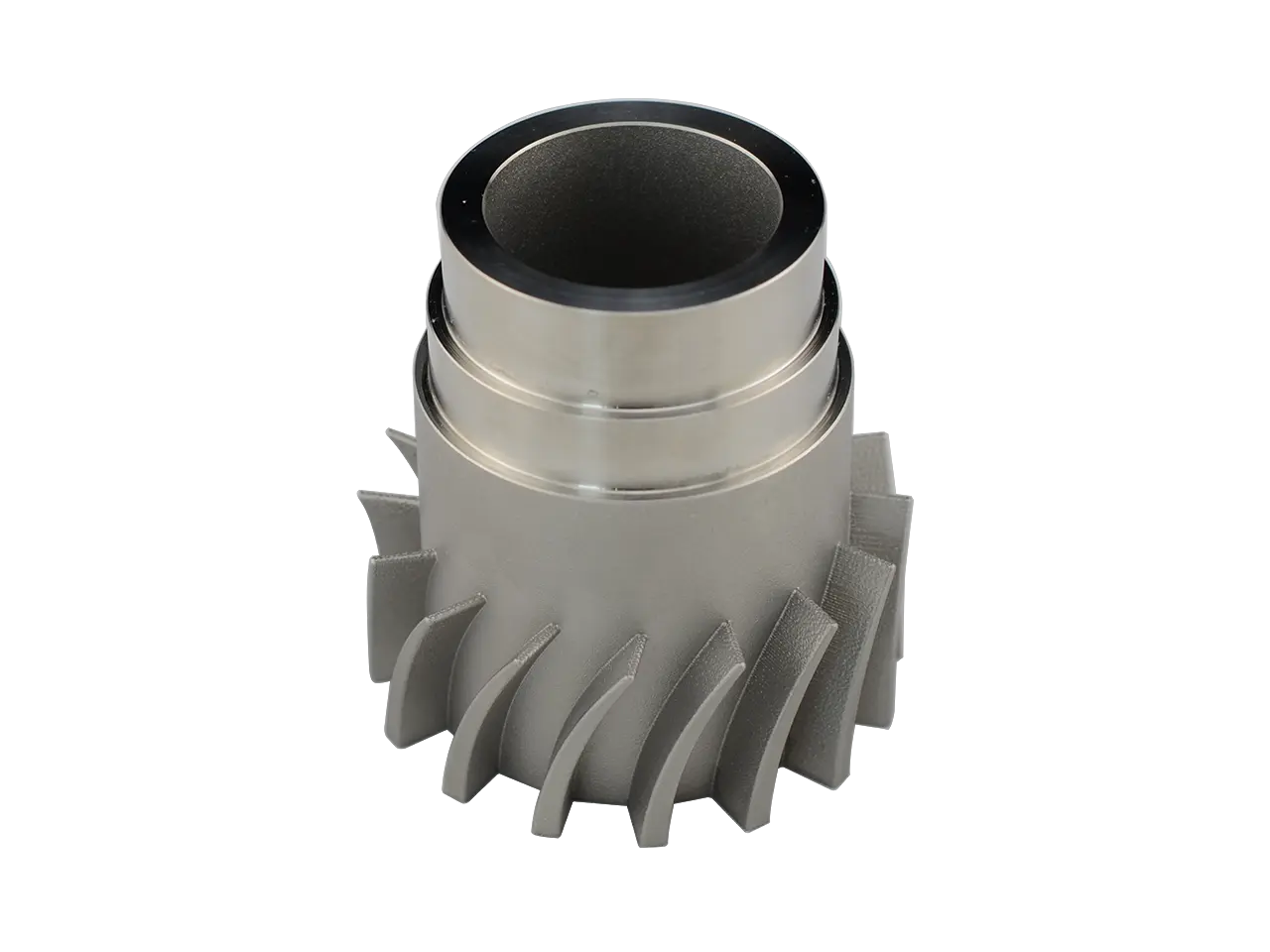
- Superior Strength and Smoothness: SLM produces parts with excellent mechanical properties and the ability to withstand the forces involved. Crucially, high quality "at the time of printing" After proper post-processing, the surface can achieve a near-mirror effect.
- Unleash design freedom: SLM excels at producing complex internal channels (for potential integrated heating/cooling systems) and complex external geometries that are not achievable through casting or machining alone.
Key Stage: Professional Post-Processing
Perfect SLM printing is not available directly from the printing platform. For safety and comfort, post-processing is non-negotiable:
- Support removal: Carefully remove the support structures used in the printing process.
- Relieve stress: Heat treatment reduces internal stress and ensures dimensional stability.
- Surface treatment: This is the most important thing. The process includes:
- Sandblasting: Creates an even matte finish and removes sharp edges.
- polishing: Manual or automatic polishing with finer abrasive grains to obtain a mirror-smooth surface necessary for comfort and hygiene. Any microscopic roughness must be eliminated.
- Electrolytic polishing: An electrochemical process that removes microscopic peaks and impurities, further smoothing surfaces and enhancing corrosion resistance. Typically used after initial mechanical polishing.
- Ultrasonic cleaning: Intensive cleaning removes all traces of polishing compounds and manufacturing residue.
- disinfect: Terminal sterilization (autoclave or gamma ray) before packaging.
How Beginners (Safely) Use Custom 3D Printed Butt Plugs
- conceptualization: Define your goals – unique shape, specific dimensions, texture, functionality (like interior weight)?
- Work with professionals: This is crucial. Research and collaborate with Professional rapid prototyping services Specializing in medical grade/biocompatible metal additive manufacturing, with advanced finishing capabilities such as SLM.
- Design and file preparation: Work with a service provider or designer. They will ensure your design includes critical safety features (adequate torch base dimensions!), manufacturability, and functionality. They will transform your concepts into printable CAD files optimized for SLM.
- Material selection: Discuss options. 316L stainless steel is more common and cost-effective; titanium (Ti6Al4V) is lighter, slightly stronger, and highly biocompatible.
- Focus on organizing: Clearly discuss post-processing requirements. Requires high level of polishing (mirror finish) and sterilization. Don’t compromise here.
- Understand the costs: Custom metal SLM parts with premium finishes are an investment due to material costs, energy-intensive printing, and labor-intensive polishing. Expect the cost to be much higher than mass-produced silicone plugs.
GreatLight: Your Precision Prototyping Partner
Navigating the complexities of creating safe, functional and customized metal lingerie products requires experience and cutting-edge technology. company likes huge lightHave metal expertise Selective Laser Melting (SLM) Technical and Comprehensive Internal Post-processing Ability, with unique assistance abilities. We understand the critical importance of biocompatible materials and achieve perfect, non-porous mirror surfaces for applications requiring the highest hygiene and safety. We maintain strict quality standards throughout our entire workflow – from optimized CAD file preparation and material selection, to meticulous SLM printing, to advanced finishing (including polishing and electropolishing) and sterilization. Although innovation drives us, Safety is always the foundation. GreatLight efficiently handles custom metal projects that require precision and complex geometries.
Conclusion: Innovation is based on safety
3D printing, especially SLM metal printing, has unlocked huge potential for customization of intimate products such as butt plugs. The ability to create truly personalized designs based on individual anatomy and preferences is revolutionary. However, this innovation must be based on absolute responsibility. The appeal of desktop printing for such items is a dangerous illusion. The risks posed by porous and toxic materials are profound. Beginners interested in exploring custom 3D printed metal plugs must work with a professional rapid prototyping manufacturer. Choose a partner with proven expertise in biocompatible metals (such as 316L SS or Ti6Al4V), advanced SLM technology, and, most importantly, a strong commitment to achieving an impeccably smooth, non-porous finish through rigorous post-processing. The journey to personalized happiness must put uncompromising safety first.
FAQ: 3D Printed Butt Plugs
-
Is it safe to 3D print butt plugs at home using a regular printer?
- Absolutely not. Porous objects produced by consumer FDM or resin printers can trap bacteria and cannot be sterilized. Materials used are not safe for the body and may leach chemicals or cause irritation/breakage. This poses serious health risks.
-
What materials are safe for 3D printing butt plugs?
- For metal plugs manufactured by professional SLM printing: medical grade/biocompatible metals, e.g. 316L stainless steel or Titanium (Ti6Al4V) is a safe choice. Avoid printing any plastic on consumer machines. Silicone cannot be directly 3D printed using current common technologies for complex body-safe shapes.
-
Why is polishing so important for 3D printed metal butt plugs?
- Although SLM metal is very dense, "at the time of printing" The surface has microscopic roughness. Mirror polish (via sandblasting, hand/polishing, electropolishing) eliminates any tiny dimples or ridges where bacteria may hide, ensuring complete cleanliness and preventing discomfort during insertion/removal.
- Can any 3D printing service make a safe custom butt plug for me?
- no. looking for specialized rapid prototyping company and:
- expertise Medical Grade/Biocompatible Metal SLM Printing (316L stainless steel, Ti6Al4V).
- Comprehensive Internal post-processing capabilities Special focus on achieving highly polished mirror surfaces