Unlock the perfect finish: Discover the best top patterns for 3D printing
Every 3D printing enthusiast knows the excitement and slight trepidation of peeling a finished print off the printing plate. One of the most visually striking aspects is the top surface. Is it silky smooth? Are there distracting lines, gaps, or inconsistencies? choice top pattern Parameters in the slicing software play a crucial role in determining the final aesthetic quality and even functional performance. Although often overlooked, mastering this setting can take your printing from amateur to professional.
Let’s take a deeper look at the most common and effective topside patterns, learn about their advantages and disadvantages, and understand how they affect your printed parts.
Understand the core purpose
The main goal of the top pattern is to fill in the solid top layer of the print. Rather than filling in, which provides internal structure, top surface patterns create the outermost visible (and often functional) layer. The ideal model should:
- Maximize surface smoothness and appearance
- Minimize visual artifacts (such as seams or gaps)
- maintain sufficient physical strength
- Optimize print time and material usage (if possible)
Top Contenders: Analysis of Popular Surface Patterns
-
Line (straight line):
- How it works: The nozzles are arranged back and forth in a straight line, usually aligned with the print bed axis or rotated per layer. Similar to the underlying pattern.
- advantage: The simplest, prints very quickly and generally provides good strength. Efficient material deposition.
- shortcoming: prone to happen "ribbed" Texture effects. Visible seams where direction changes occur. If the extrusion is not perfect or the layer adhesion is sub-par, gaps will show up. Aesthetically speaking, the least visually appealing option.
- Best for: Internal surfaces, functional parts where appearance is not important, rapid prototyping where speed is most important.
-
concentric:
- How it works: Create concentric rings radiating outward from the center of the top surface area.
- advantage: Visually appealing organic look. Great for round or curved surfaces. Seams are often effectively hidden. Provides even coverage.
- shortcoming: may suffer from "pinch" Or there is a large gap right in the center of a small feature. If you print too fast or too hot, the outer ring can sometimes bulge slightly. A bit slower than Line.
- Best for: Visible tops of cylindrical objects (vases, containers, round lids), beautiful prints, organic designs.
-
Hilbert curve (monotone):
- How it works: Use continuous, space-filling fractal paths with minimal changes in direction. Designed to create a top layer of beauty and excellence.
- advantage: Minimize visible seams (no sudden changes in direction between layers). Creates a smoother, more even appearance. Excellent strength due to consistent material flow and layer bonding.
- shortcoming: Can significantly increase printing time compared to lines. Often produces a slight sound "buzz" Due to frequent fine-tuning.
- Best for: High visibility decorative surfaces (enclosures, display models, demo parts), surfaces that require a smooth texture for painting or gluing.
- Ironing:
- IMPORTANT NOTE: Ironing is not technically patternbut a supporting technology.
- How it works: After the top layer is completed, a hot nozzle (with little filament extrusion) returns to the surface, melting and smoothing the top layer of plastic.
- advantage: Optimized to produce extremely smooth, nearly flat surfaces. Effectively reduce fine pattern lines.
- shortcoming: Significantly increases printing time. Careful calibration (temperature, speed, flow) is required to avoid tugging, scratching or excessive melting. Best combined with dense top layers and patterns such as Hilbert curves.
- Best for: Achieve the absolute highest gloss or smoothest finish on critical surfaces.
Beyond Mode: Key Considerations
Choosing a mode is critical, but the following factors can significantly affect the final result:
- Number of top layers: Regardless of the pattern, insufficient layers will expose the filling underneath. Use 4-8 solid top layers depending on layer height and part importance.
- Floor height: Finer layers inherently allow for a smoother surface. A lower height (e.g. 0.1 mm) combined with a smooth pattern makes a big difference.
- Flow Calibration: Over-squeezing can cause blistering and wrinkling; under-squeezing can cause gaps. Dial in the extrusion multiplier. GreatLight’s rigorous calibration process ensures perfect extrusion consistency for every job.
- Print speed and temperature: Slower speeds and the correct temperature allow the plastic to melt evenly, creating a smoother layer. Avoid rushing the top layer.
- cool down: Superior cooling prevents top layer sagging or overheating artifacts.
- Material: Different plastics behave differently. PETG may require slower print speeds and optimized retraction compared to PLA.
Improve results through expertise:
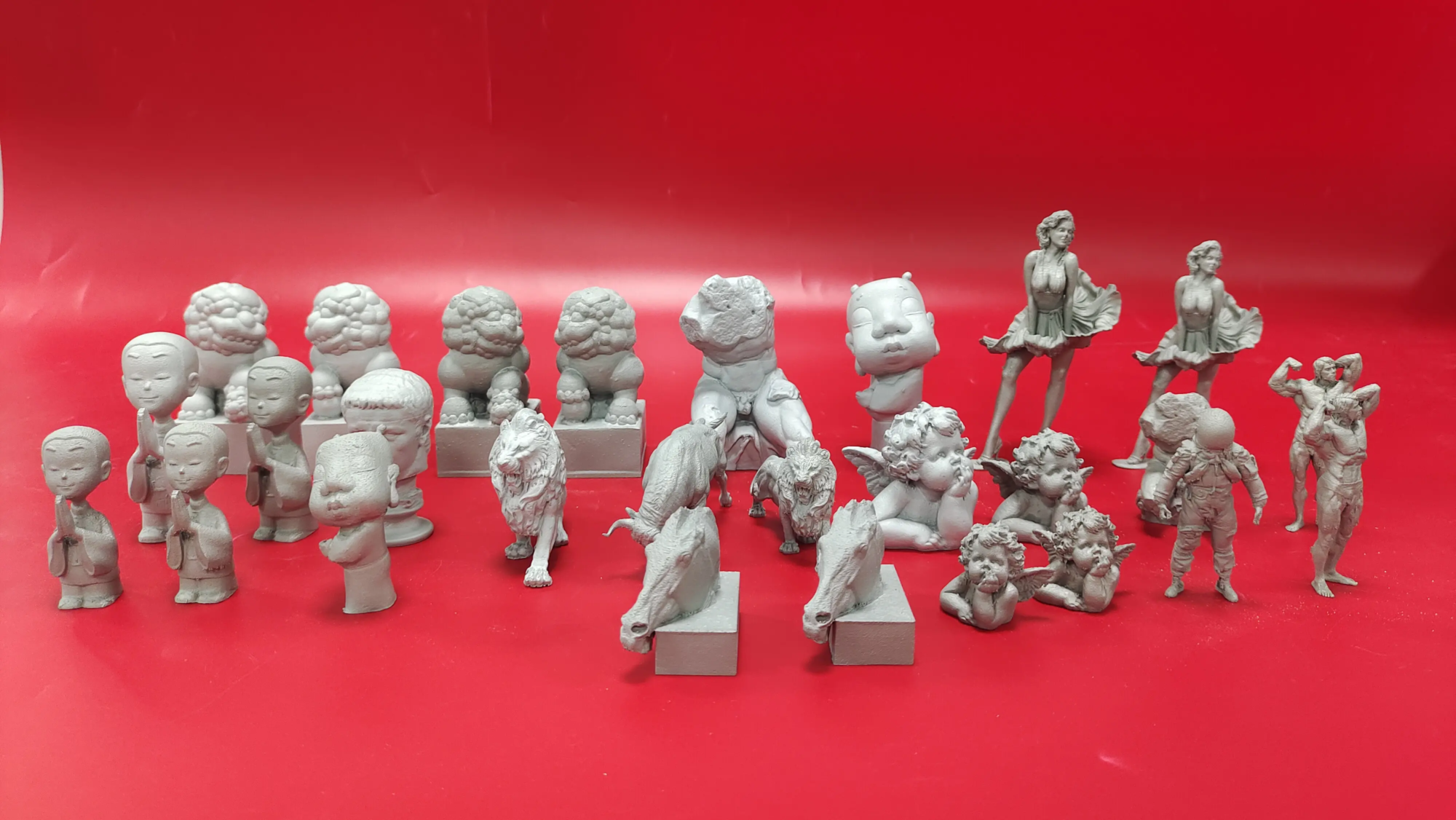
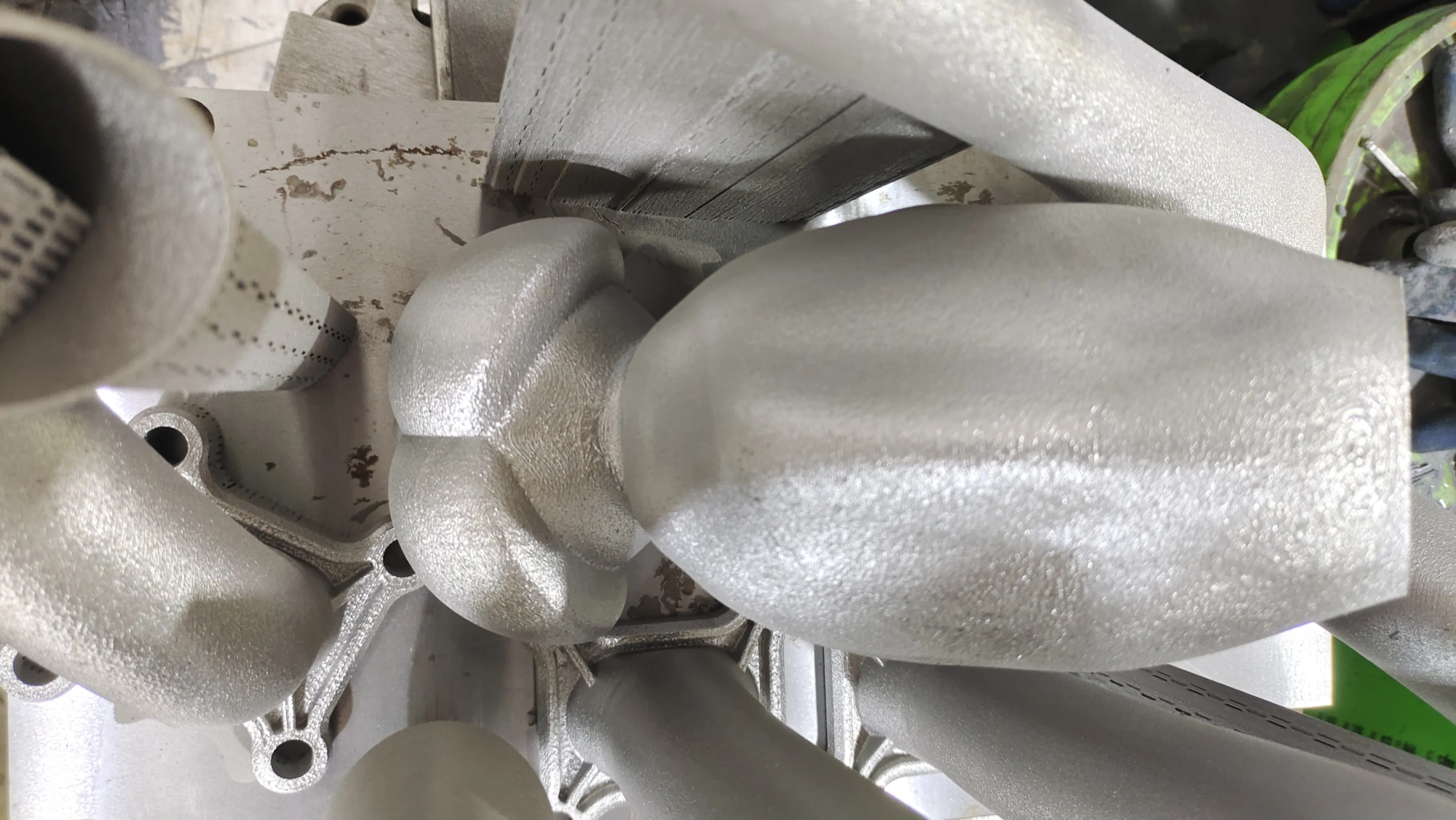
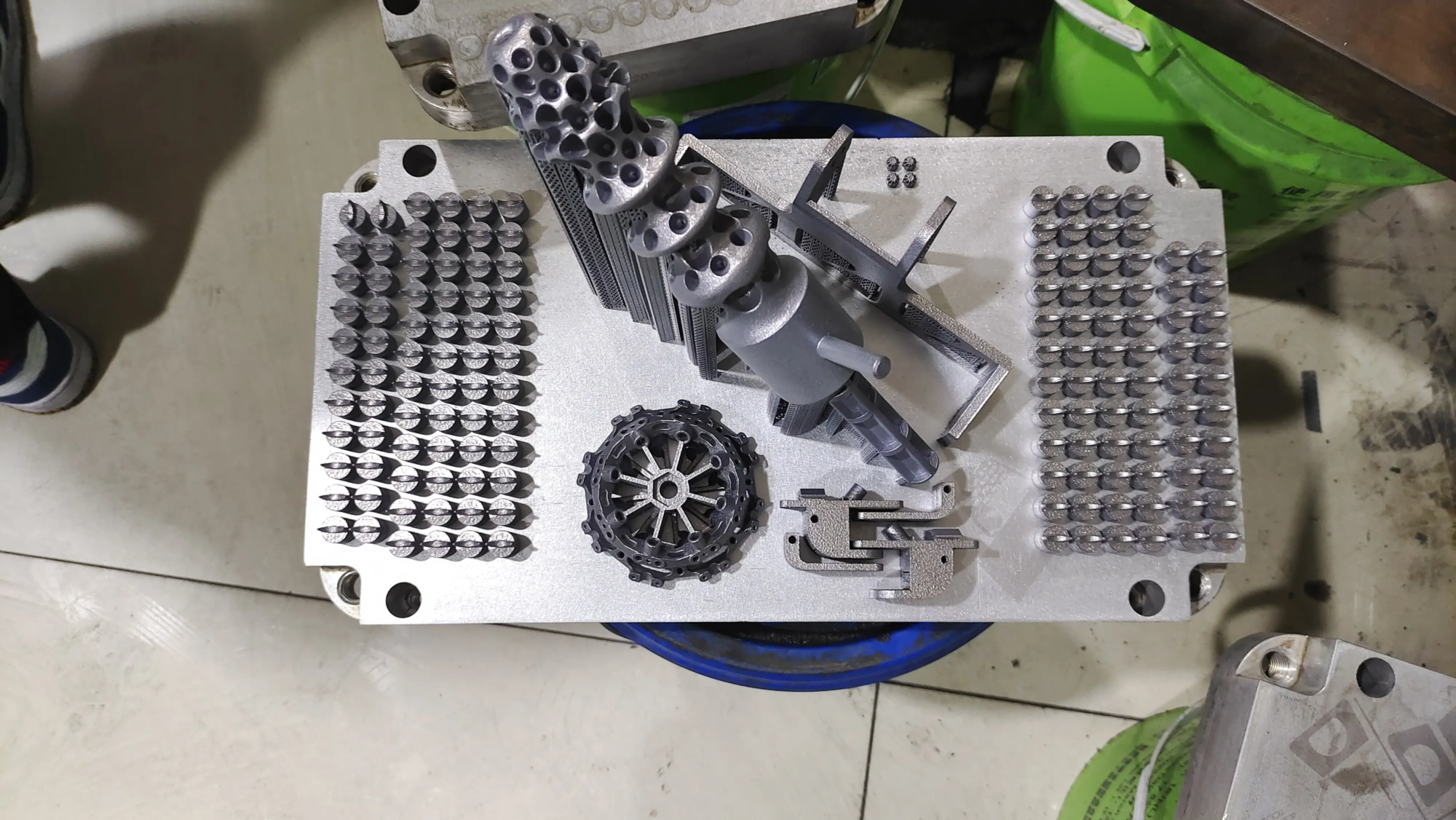
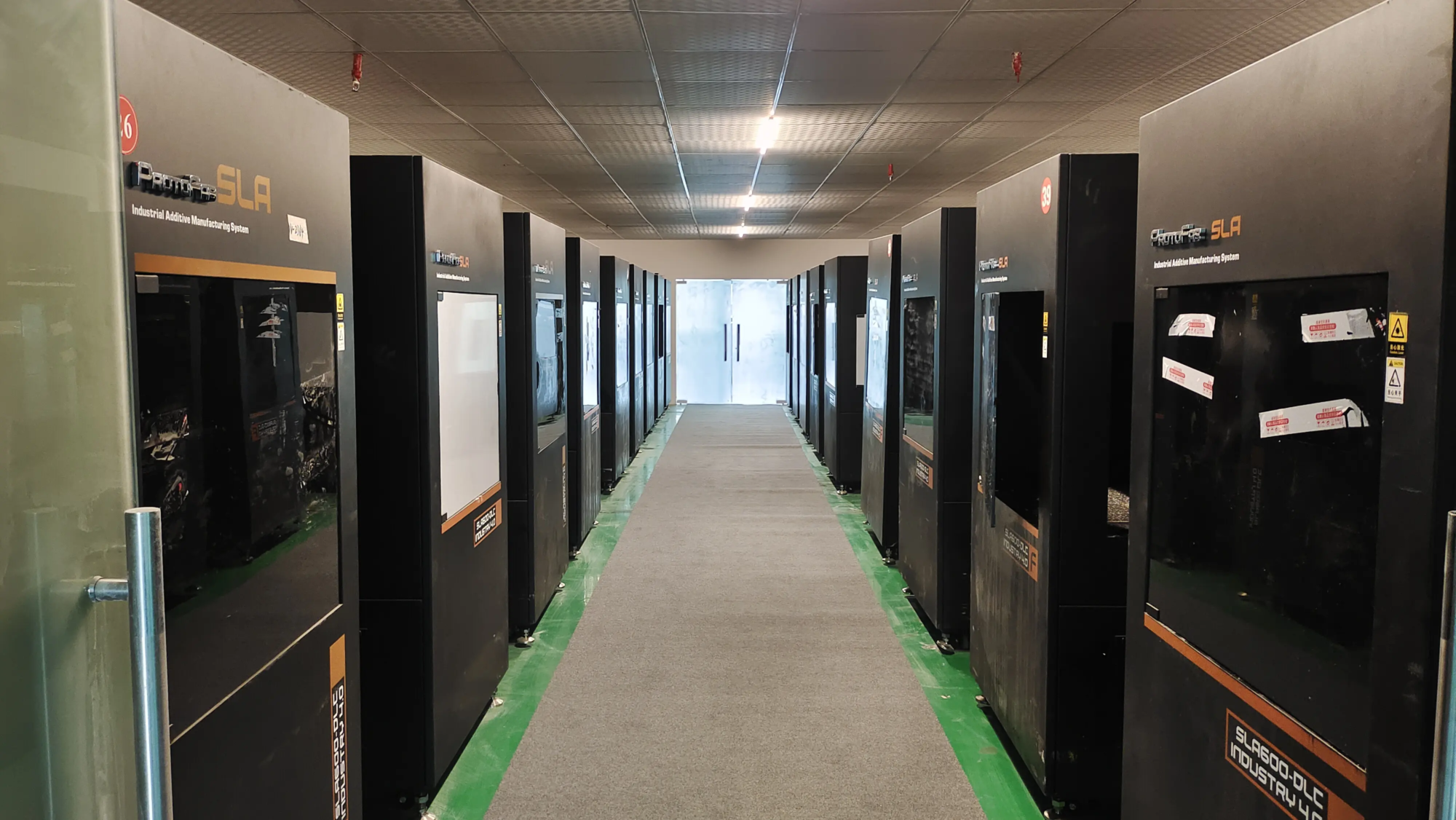
For engineers, designers and businesses that demand precision, achieving a perfect top surface always requires expertise and advanced equipment. where is this huge light Sparkling. As a leading provider of rapid prototyping services, GreatLight leverages cutting-edge industrial technology SLM 3D printer and meticulous production technology. Whether it’s a complex metal part that requires a pristine finish, or complex geometries in polymer, the GreatLight team not only solves rapid prototyping problems, but also optimizes aesthetics. their comprehensive One-stop post-processing and finishing services (Including precision grinding, polishing, coating or sandblasting) Ensure the top surface is truly ready for display. Combined with the ability to customize materials and provide fast processing, GreatLight is one of the top choices for precision rapid prototyping needs.
Conclusion: Choose your champion mode
no single "best" Top pattern for all situations:
- Prioritize speed and functionality?
LinesIs your main force. - Need the visual appeal of a rounded surface?
ConcentricDeliver elegance. - Need maximum smoothness and uniformity?
Hilbert Curve(monotone) is the gold standard for visible surfaces. - Pursuing perfection? combine
Hilbert CurveandIroning(After thorough calibration).
Ultimately, mastering the top requires experimentation. Test different patterns on test cubes or specific part geometries relevant to your project. Pay close attention to the slicer preview to see how the pattern interacts with the shape of your particular model. Consider print time, aesthetics, and functionality. For mission-critical applications that require guaranteed quality and stunning finishes on complex metal or plastic parts, partner with a specialist rapid prototyping provider such as huge light Guaranteed great results every time.
FAQ: Uncovering the Top Surface Pattern
Q1: Are the fill pattern and the top pattern different?
Answer: No! Infill provides the interior structure and strength of the exterior wall. this top pattern Specifically refers to the solid layer that forms the outermost top surface of a print. Controlling both is crucial.
Q2: Why does my top surface still look rough even when using Concentric Circles or Hilbert?
A: Possible culprits include insufficient top layer (exposed infill), extrusion issues (top/bottom), material printing too fast/hot, insufficient cooling, or nozzles needing cleaning/replacement.
Q3: Will Hilbert Curve significantly slow down printing speed?
A: Yes, Hilbert curves (monotonic) generally take significantly longer than straight lines or concentric circles because the print head moves along a continuous, complex path involving many small changes in direction. The trade-off, however, is superior exterior quality. For fine decorative details, GreatLight utilizes optimized printing strategies to effectively manage this trade-off.
Q4: How to achieve the best ironing effect?
A: Iron-on has a dense top layer (high fill overlap percentage) and a fine layer height. Key settings include:
- Ironing pattern: Usually monotone/line/concentric is paired with top layer pattern.
- flow: Usually 5-15%.
- temperature: Reduce the printing temperature slightly.
- speed: Relatively fast (e.g., 60-120mm/s).
Expect a lot of trial and error calibration.
Q5: Is the top surface pattern different for resin printing?
A: Although resin printing involves photocuring rather than fused filament deposition, there is a similar goal of minimizing layer lines on the top surface. Direction plays a huge role. Slicers typically have support optimized to minimize surface scarring on the upward surface. Depending on the specific slicer function, there may be a pattern similar to lines or concentric circles.
Ready to overcome the DIY frustrations and consistently achieve perfect, production-ready prototypes? Trust our expertise and advanced capabilities huge light. Customize your precision rapid prototyping parts today at the best prices!