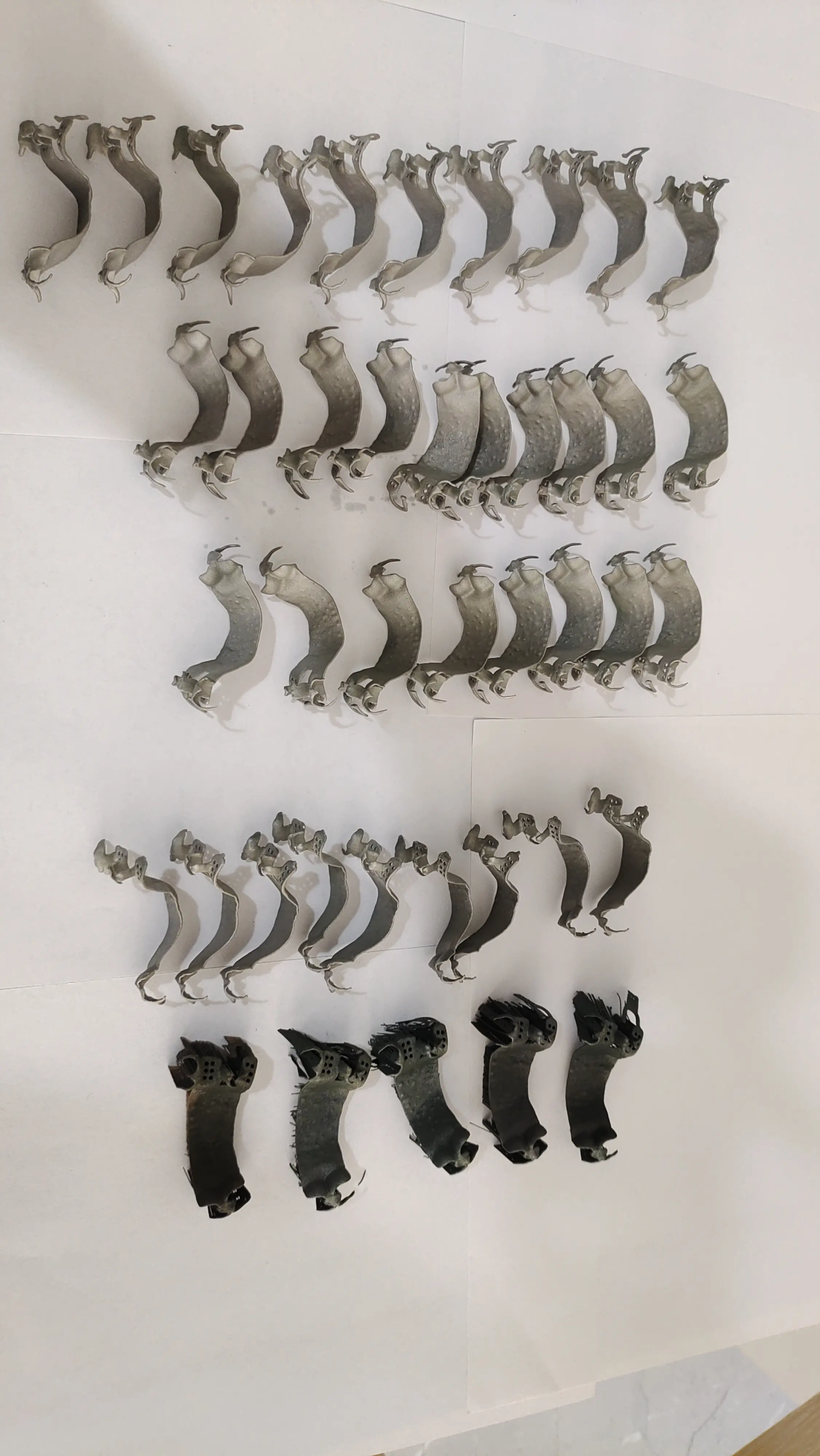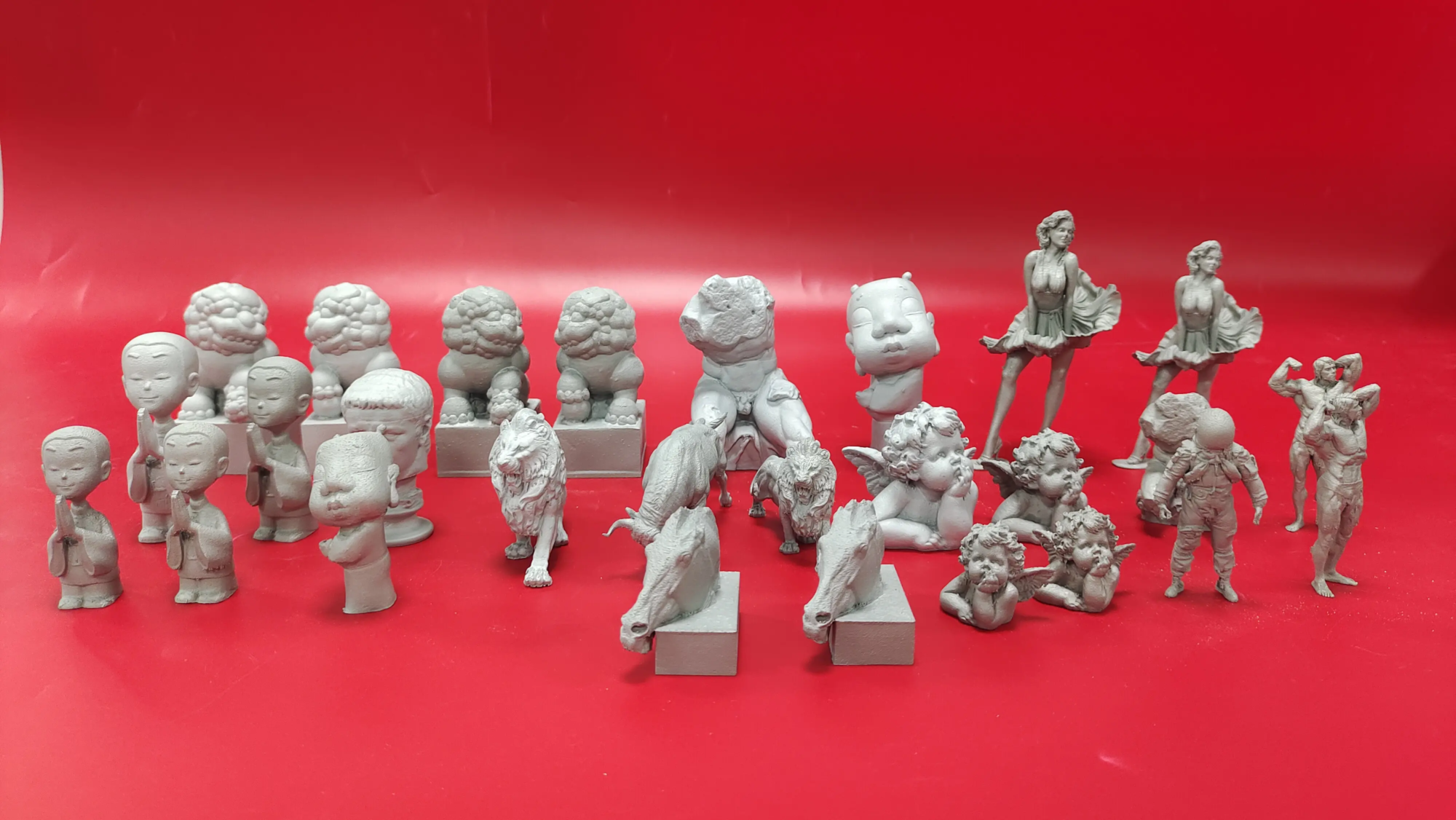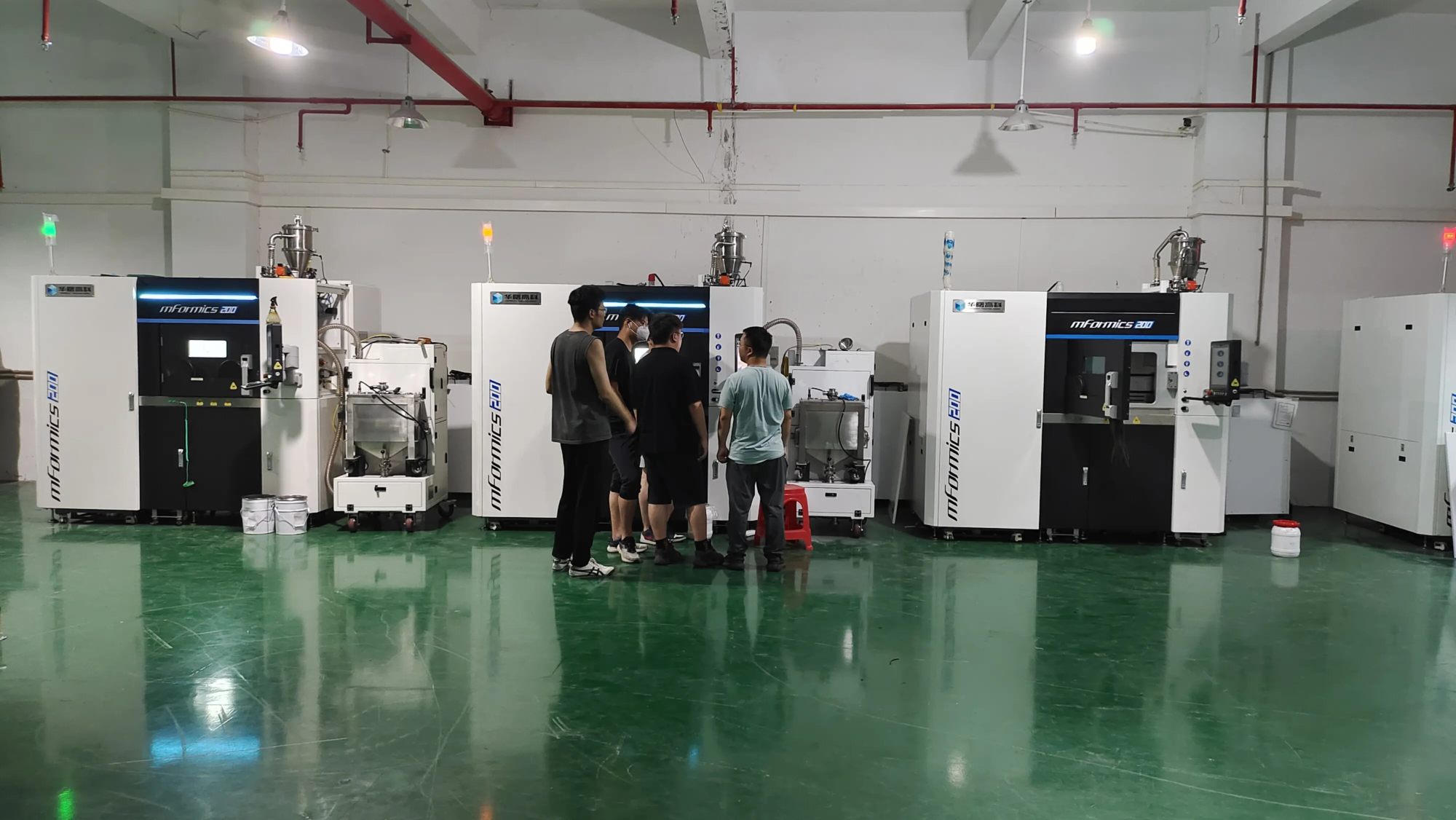
When it comes to 3D printing, one of the most critical factors can affect the structural integrity, durability and overall performance of the printed part. Optimal wall thickness is essential to ensure that the printed section can withstand various stresses and loads without deformation or breaking. In this article, we will dig into the world of 3D printing and explore the importance of optimal wall thickness, its factors, and how to determine the ideal wall thickness for 3D printed parts.
In 3D printing, wall thickness refers to the distance between the inner and outer surfaces of the printed part. This is a key parameter that can affect the strength, weight and overall mass of the part. Walls that are too thin may not provide sufficient structural support, resulting in deformation or rupture under pressure. On the other hand, walls that are too thick can add unnecessary weight, materials and costs.
Several factors can affect the optimal wall thickness of a 3D printed part, including the type of material used, the printing technology employed, and the intended application of the part. For example, parts printed with metal material may require thicker walls to ensure adequate strength and durability, while parts printed with plastic material may require thinner walls to minimize weight and material use.
The printing technology used can also affect the optimal wall thickness. For example, selective laser melting (SLM) 3D printing commonly used for metal parts can produce parts with high precision and precision, but thicker walls may be required to ensure sufficient strength. On the other hand, Fusion Deposition Modeling (FDM) 3D printing of plastic parts can produce thinner walls, but additional support structures may be required to ensure stability.
To determine the optimal wall thickness for 3D printed parts, you can follow the following general guidelines:
- Material properties: Consider the mechanical properties of the material used, such as its tensile strength, compressive strength and elasticity.
- Part geometry: Consider the geometry of the part, including its size, shape and complexity.
- Load and pressure: Consider the load and pressure that the part will be subject to during its intended application.
- Printing technology: Choose the printing technology that best suits your part requirements, taking into account factors such as accuracy, accuracy and material limitations.
- Post-processing: Consider any post-processing operations that may be required, such as machining, grinding or polishing, which may affect the final wall thickness of the part.
Greglight is a professional rapid prototyping manufacturer that offers advanced SLM 3D printing equipment and production technology to help you produce high-quality parts with the best wall thickness. With its expertise and state-of-the-art facilities, you can ensure that parts meet the required specifications and performance standards.
In short, optimal wall thickness is a key factor in 3D printing, which may significantly affect the structural integrity, durability and overall performance of the printed parts. By considering material properties, partial geometry, load and pressure, printing technology, and post-processing requirements, you can determine the ideal wall thickness for 3D printed parts. Whether you are looking for custom precision machining or rapid prototyping services, Greglight is one of the best rapid prototyping companies from China that can provide you with high-quality parts and expert solutions.
FAQ
Q: What is the minimum wall thickness for 3D printing?
A: The minimum wall thickness for 3D printing depends on the materials used and the printing technology. Typically, the minimum wall thickness of a metal part is about 0.5-1.0 mm, while for plastic parts, its minimum wall thickness may be as low as 0.1-0.5 mm.
Q: How to determine the optimal wall thickness for 3D printed parts?
A: To determine the optimal wall thickness, consider material properties, partial geometry, load and pressure, printing technology, and post-processing requirements.
Q: What are the consequences of incorrect wall thickness in 3D printing?
A: Incorrect wall thickness can cause deformation, rupture or failure of the printed part, resulting in reduced performance, increased safety risks and costs.
Q: Can I use any material for 3D printing?
A: Not all materials are suitable for 3D printing. The choice of materials depends on the printing technology, part requirements and intended application. Consult a professional manufacturer or material expert to determine the best materials for your project.
Q: How to ensure the quality and accuracy of my 3D printed parts?
A: Work with a well-known and experienced manufacturer, such as Greatlime, which uses advanced printing technology and follows strict quality control procedures to ensure high quality and accurate parts.