The dawn of bioprinted tracheas: revolutionizing transplant medicine
Organ transplants have long been a lifeline for patients with end-stage disease, but critical bottlenecks such as donor shortages, rejection risks and complex surgeries remain. The most challenging cases are tracheal defects caused by trauma, cancer, or congenital problems. Traditional repairs using grafts or synthetic tubes face high failure rates. Enter Bioprinted trachea: The convergence of regenerative medicine and 3D printing promises to rewrite transplant options.
How bioprinting works: Beyond plastic and metal
Bioprinting applies additive manufacturing principles to biological materials. The printer deposits something other than plastic or metal "bioink" Filled with the patient’s own cells, growth factors and biomaterials. For trachea engineering, the process includes:
- digital modeling: Patient CT/MRI scans create an accurate 3D blueprint of the trachea.
- Bioink formulation: Hydrogels (such as collagen or alginate) are mixed with autologous stem cells or chondrocytes to form a printable matrix.
- Assembly layer by layer: Bioink is deposited into tubular scaffolds using extrusion-based or laser-assisted printers.
- mature stage: Constructs are incubated in bioreactors, simulating physiological conditions to mature into functional tissues.
The key to success is structural integrity. Some approaches use hybrid scaffolds; for example, a 3D printed PCL (polycaprolactone) framework coated with bioink ensures mechanical stability upon cell integration.
Why trachea? strategic first goal
The simplicity of the trachea makes it ideal for early bioprinting applications:
- tubular geometry: Easier to print than solid organs like the heart or liver.
- low cellular complexity: Fewer cell types are required (mainly cartilage and epithelium).
- Urgent clinical need: Approximately 10% of airway obstructions require transplantation—many of which are fatal due to donor scarcity.
In a landmark case, a child with tracheobronchomalacia received a bioprinted splint and survived for years after implantation. Early trials confirm that rejection rates are reduced because the cells are derived from patients.
Advantages over traditional transplantation
- Zero waiting list: Print on demand eliminates dependence on donors.
- personalization: Anatomically customized grafts improve surgical fit and function.
- No immunosuppression: Autologous cells bypass lifelong anti-rejection drugs.
- pediatric survivability: Grow with your children and solve their size matching problems.
obstacles to overcome
Despite the bright future, challenges remain:
- vascular integration: Ensures blood vessel growth in thicker tissues.
- long term viability: Data over 5 years are limited; long-term studies are ongoing.
- Regulatory approach: The FDA/EMA bioprinted organ framework is still under development.
- cost: Bioinks and bioreactors will add expense, but scalability may lower the price.
Researchers are addressing these issues by Multi-material printing (embedded in vasculature network) and AI-optimized bioink design.
The road ahead: Integration with advanced manufacturing
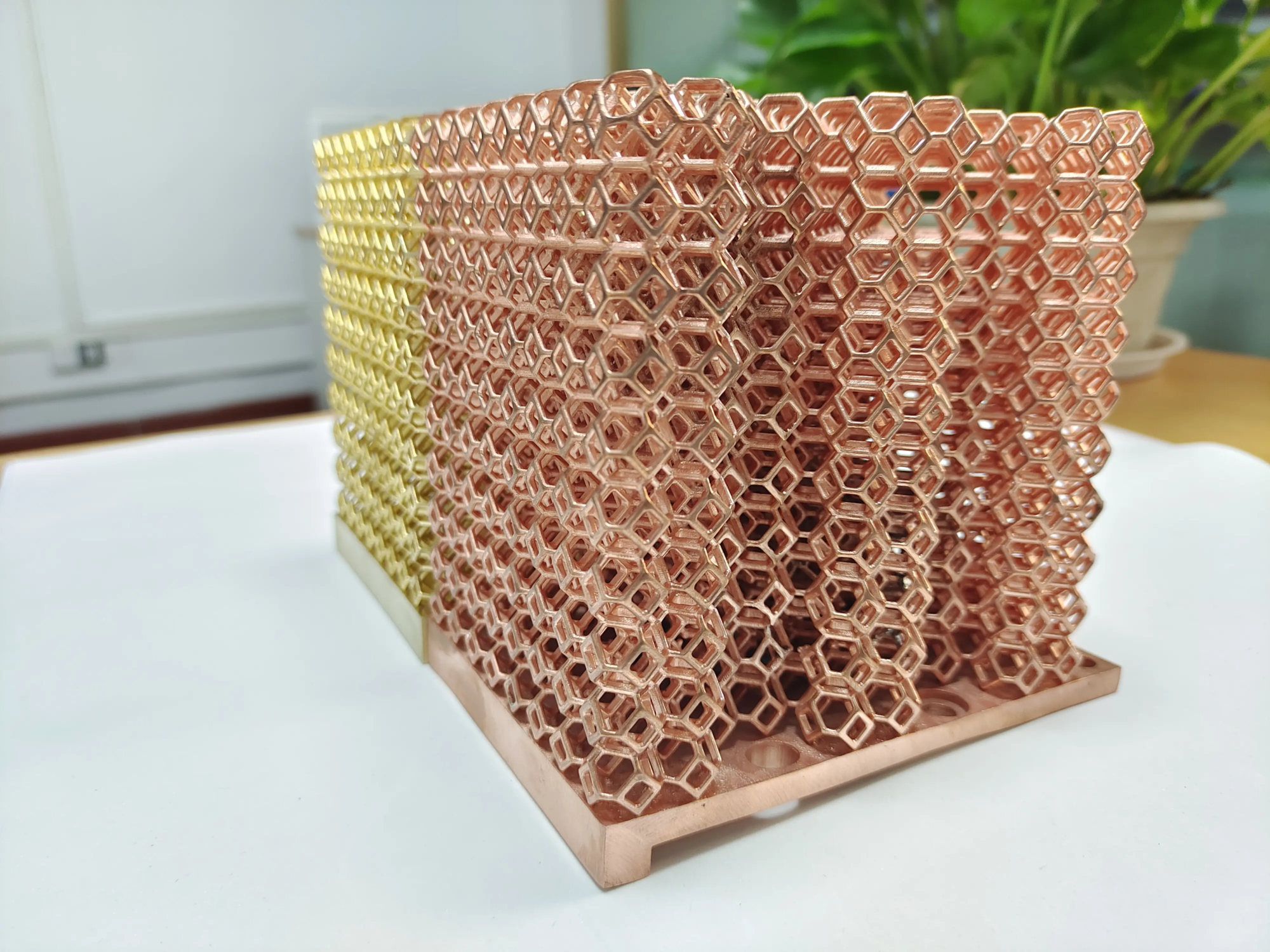
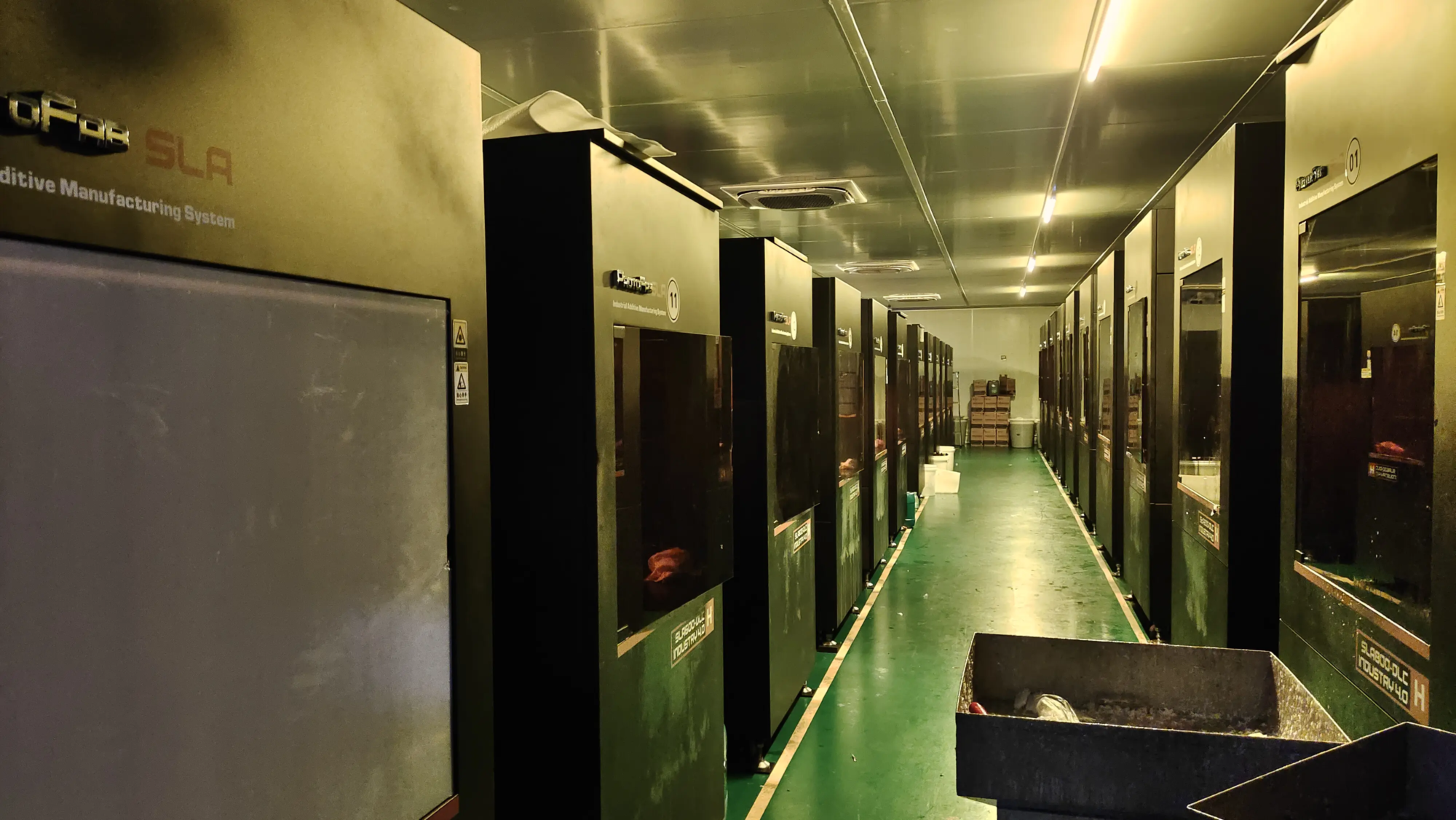
The development of bioprinting relies on the progress of industrial 3D printing pilots. High precision technology such as Selective Laser Melting (SLM)for metal prototyping, inspiring similar precision for bioprinters. For example, SLM’s micron-level precision helps shape biodegradable scaffolds that support cell growth. Companies pioneering these technologies, such as huge lighta leader in rapid prototyping with SLM expertise—showing how industrial rigor enables medical innovation. While bioprinting requires unique biomaterials, the fundamentals of precision layer deposition align with capabilities developed by top prototyping companies.
Looking to the future, look forward to AI-driven tissue design and bioprinting "organ farm" Large-scale production. Bioprinting tracheas may become routine by 2035, followed by more complex organs.
in conclusion
Bioprinted trachea embodies dramatic shift from transplantation to transplantation regeneration. By combining patient biology with cutting-edge manufacturing, this technology offers hope beyond the donor cohort and risks of immunosuppression. As researchers refine vascular integration and regulatory catch-up, collaborations with precision manufacturers—leveraging their expertise in high-precision additive technologies—will accelerate clinical adoption. Bioprinting is not science fiction; This is the coming future of personalized, accessible organ repair.
FAQ: Bioprinted Trachea Explained
Question 1: Are bioprinted tracheas used in humans today?
A: Yes, experimental. Since 2015, several children have received 3D printed tracheal splints. Total circumferential tracheal substitutes are in preclinical trials.
Q2: What is the service life of the bioprinted trachea?
A: Current implants have shown functionality for more than 5 years. As cells remodel the scaffold over time, the durability is similar to native tissue.
Q3: Can adults benefit? Or is it just for kids?
A: Adults are viable candidates. Pediatric cases are leading the way due to size adaptability, but adult applications are advancing rapidly.
Q4: What role do companies like GreatLight play in bioprinting?
A: While bioprinting uses biospecific processes, industrial 3D printing experts like GreatLight have perfected the precision, speed and material handling that are critical for prototyping medical devices, such as tracheal stents or surgical tools.
Q5: Will this make traditional porting obsolete?
Answer: Not immediately. Bioprinting may complement rather than replace solid organ transplantation. The trachea and tubular organs are low-hanging fruit. The heart/kidney faces obstacles of greater complexity.
Q6: When will bioprinted tracheas be widely used?
A: Optimistic forecasts suggest this will occur within 5 to 10 years of regulatory approval. Ongoing trials and manufacturing scale are key control factors.
Turn your innovation into reality
exist huge lightwe use SLM 3D printing to push the boundaries of precision manufacturing to create complex metal prototypes for the aerospace, automotive and biomedical fields. Our expertise in rapid prototyping and post-processing ensures medical devices meet strict standards. Explore custom solutions with one of China’s top prototyping partners – contact Huilite for reliable, cost-effective production.