Feathered Friends and Futuristic Factories: Your Ultimate Guide to 3D Printed Birdhouses
Birdhouses: Charming backyard sanctuaries that connect us to nature and provide important shelter for our avian neighbors. This humble birdhouse, traditionally made of wood, now gets a modern makeover using 3D printing. This guide takes an in-depth look at how to use a desktop FFF/FDM printer to transform digital designs into durable, functional bird homes. Whether you’re a conservationist, hobbyist, or tech enthusiast, let’s discover how a DIY 3D printed birdhouse works.
Beyond the nest box: why 3D printing?
Forget about just copying wooden designs. 3D printing unlocks endless possibilities:
- Unparalleled customization: Design the house to be sized for a specific species (titmouse, wren, bluebird), have a unique shape (dome, cube, art sculpture), or add features like internal camera mounts. Digital design is your blueprint.
- Uncompromising sophistication: Integrate features that are difficult to achieve with woodworking tools into a single print: internal baffles to deter predators, curved roofs for drainage, multiple entry holes or complex ventilation patterns.
- Rapid prototyping and iteration: Imagine designing, printing, tweaking and reprinting a house in a day or two. Testing features such as hole size or perch position is much faster than manual fabrication.
- Auxiliary functions: For those without extensive shop tools or space, desktop 3D printers open the door to creating custom bird habitats.
DIY Tips: From CAD Model to Feather Tenant
Creating a successful, safe, and long-lasting 3D printed birdhouse requires careful planning. Please follow these basic steps:
-
Designed with purpose and precision:
- Species specificity: This is crucial. Research! Inlet aperture (e.g. 1.125" Blue Jays, 1.25" for tits), interior floor size (minimum 4×4" for small birds), and installation heights vary greatly. Use a reputable source like the Cornell Laboratory of Ornithology.
- Safety first: Includes drainage holes (At least 1/4" diameter) on the floor to prevent water accumulation. Add ventilation slots near roof peaks to control airflow and temperature. Avoid roosting below entrances; they aid predators.
- Predator Protection: Design a deep cavity (6 inches or more is best) from the entry hole to the nesting floor. Consider integrating internal baffle tunnels.
- Cleaning channel: Includes a secure, easy-to-clean hatch (hinged panel or removable roof/sides) that can be accessed without disturbing nesting birds.
- Install: Contains sturdy mounting points (screw holes, hook slots) designed to withstand weight when wet.
-
Materials Matter: Choosing the Right Filament:
- Outdoor durability is key: While PLA is easy to print, it degrades quickly when exposed to UV rays, heat and moisture outdoors. For permanent fixtures, avoid using it.
- Top Contenders:
- Polyethylene glycol: Excellent choice! Durability, UV resistance, moisture resistance, good layer adhesion and food safety certification options make it the best overall filament for poultry houses. Printing is reliable.
- ASA: Compared with PETG, it has excellent UV resistance and heat resistance. Excellent outdoor structural integrity. Can be a little tricky to print (smell/warp), but perfect for climates with lots of sunlight.
- TPU/TPE (flexible): Not suitable for a whole house, but great for printing removable gaskets/seals for cleaning hatches to make them weatherproof.
-
Slice Savvy: Optimize your print settings:
- High Shell/Wall: Use at least 3-4 perimeter walls and a solid top/bottom floor count (5+) to ensure structural integrity and waterproofing.
- Generous filling: 20-30% is a good starting point. Higher infill (around 30-40%) increases weight and strength, which is especially important for larger homes. Choose a helix or cube pattern for strength-to-weight ratio.
- Zero tolerance cooperation: Make sure there are no gaps in the cleaning hatch and roof assembly ("gap filling"). Use compensation settings in the microtome (Horizontal Hole Expansion, XY Hole Compensation) for fine-tuning your Printer/material for a tight, reliable fit of interlocking components.
- support: Use automatic supports wisely for overhangs (especially entrance hole roofs). Optimized support interface settings for cleaner deletion.
- Floor height: Balance: Thinner layers (0.15-0.2 mm) improve surface finish and sealing but increase print time. Thicker layers (0.25-0.3mm) are faster and usually strong enough.
- Post-processing for performance and longevity:
- Cleaning and polishing: Use medium grit (~120) and finer grit (~220+) to vigorously remove supports and sand joints. This improves sealing and paint adhesion. PETG/ASA is wet milled using water to capture fine plastic dust.
- To install the threaded insert: To secure the cleaning hatch securely with screws, rather than re-screwing plastic holes every year, use a soldering iron to embed a brass heat-set insert into the print.
- Weatherproof: Basic.
- Primer: Apply a high quality plastic primer/adhesion promoter.
- painting: Use exterior-grade acrylic or enamel paint in a soft, non-reflective color (brown, green, gray). Avoid using bright colors or glossy finishes that attract predators or deter birds. Tip: Birds prefer houses that are the color of tree bark. Apply multiple thin coats.
- Consider sealants: Apply UV resistant varnish spray sealant after painting, or consider painting in Use non-toxic silicone sealant around drain holes (make sure there is zero odor before installing).
Conclusion: The fusion of technology and nature
3D printing enables you to become the architect and provider of your backyard ecosystem. By prioritizing species-specific designs, choosing durable materials like PETG or ASA, carefully optimizing print settings, and rigorously applying weatherproof post-processing, your digital creations will become a safe, long-lasting haven for generations of your feathered family.
The perfect blend of modern manufacturing and nature conservation embodies accessible innovation. But what if you looked beyond thermoplastics? What if your design requires an extremely high strength-to-weight ratio, complex metal parts, or ultimate weatherproofing in a challenging environment?
Improving Accuracy: Beyond Desktop Printing
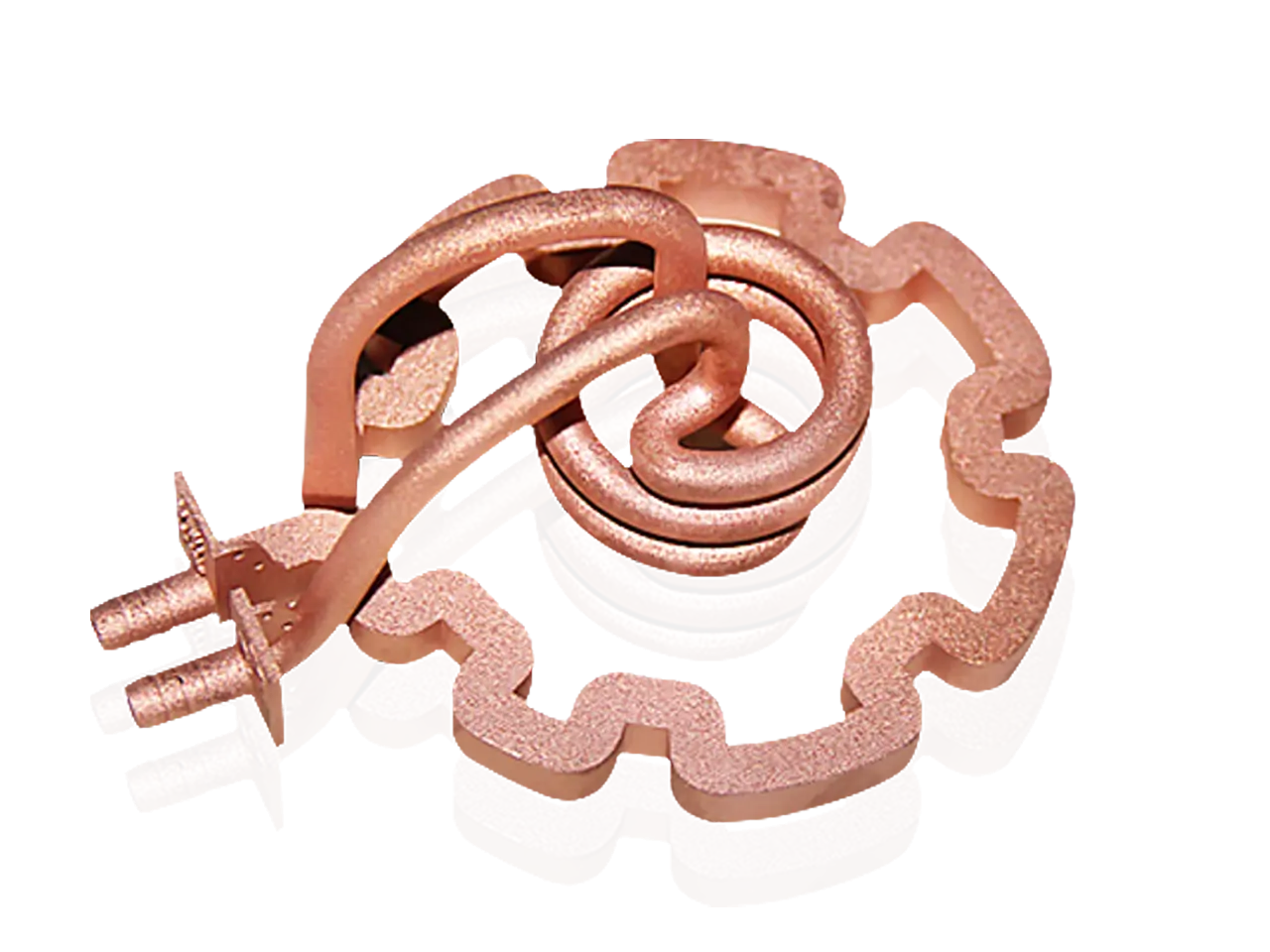
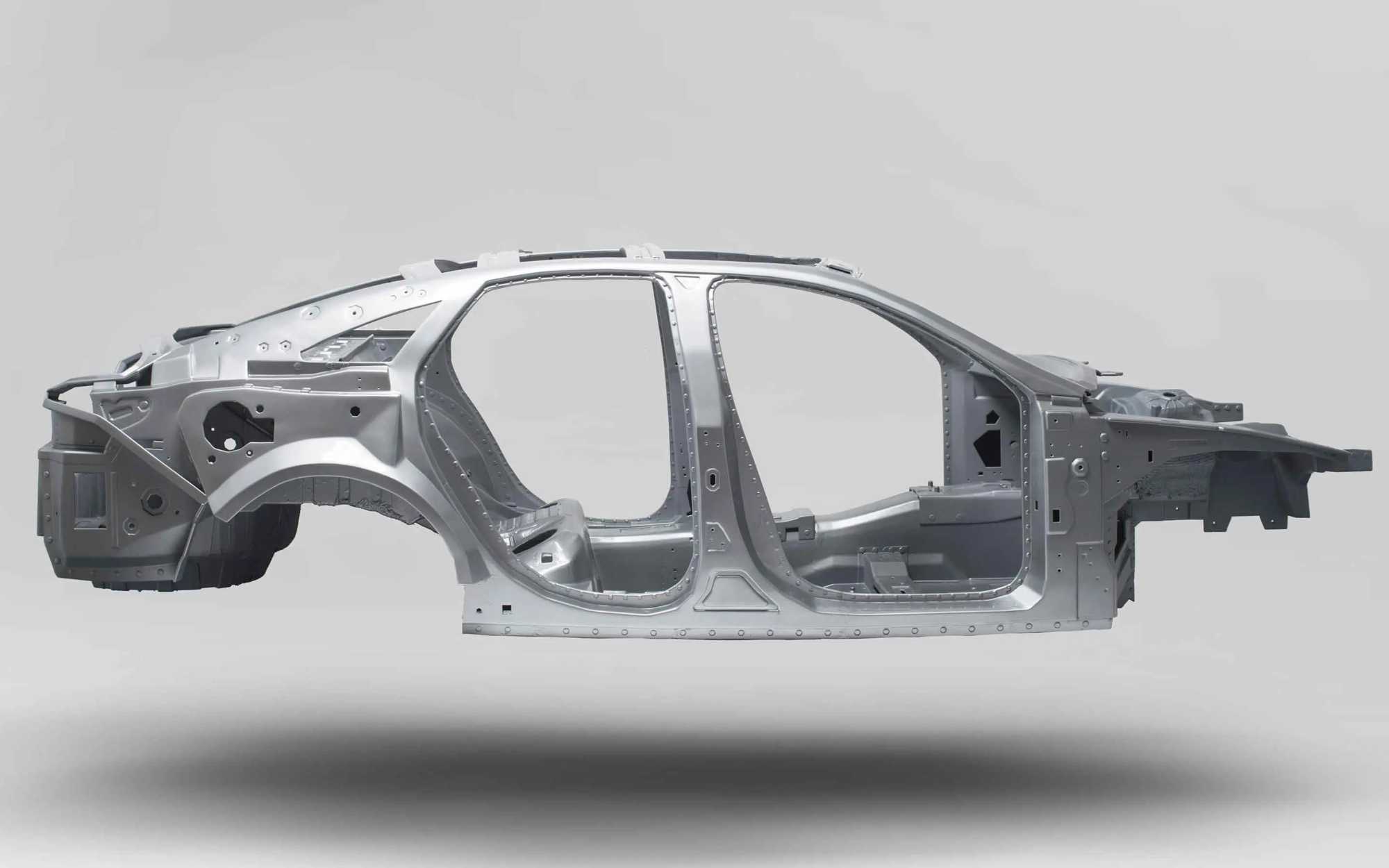
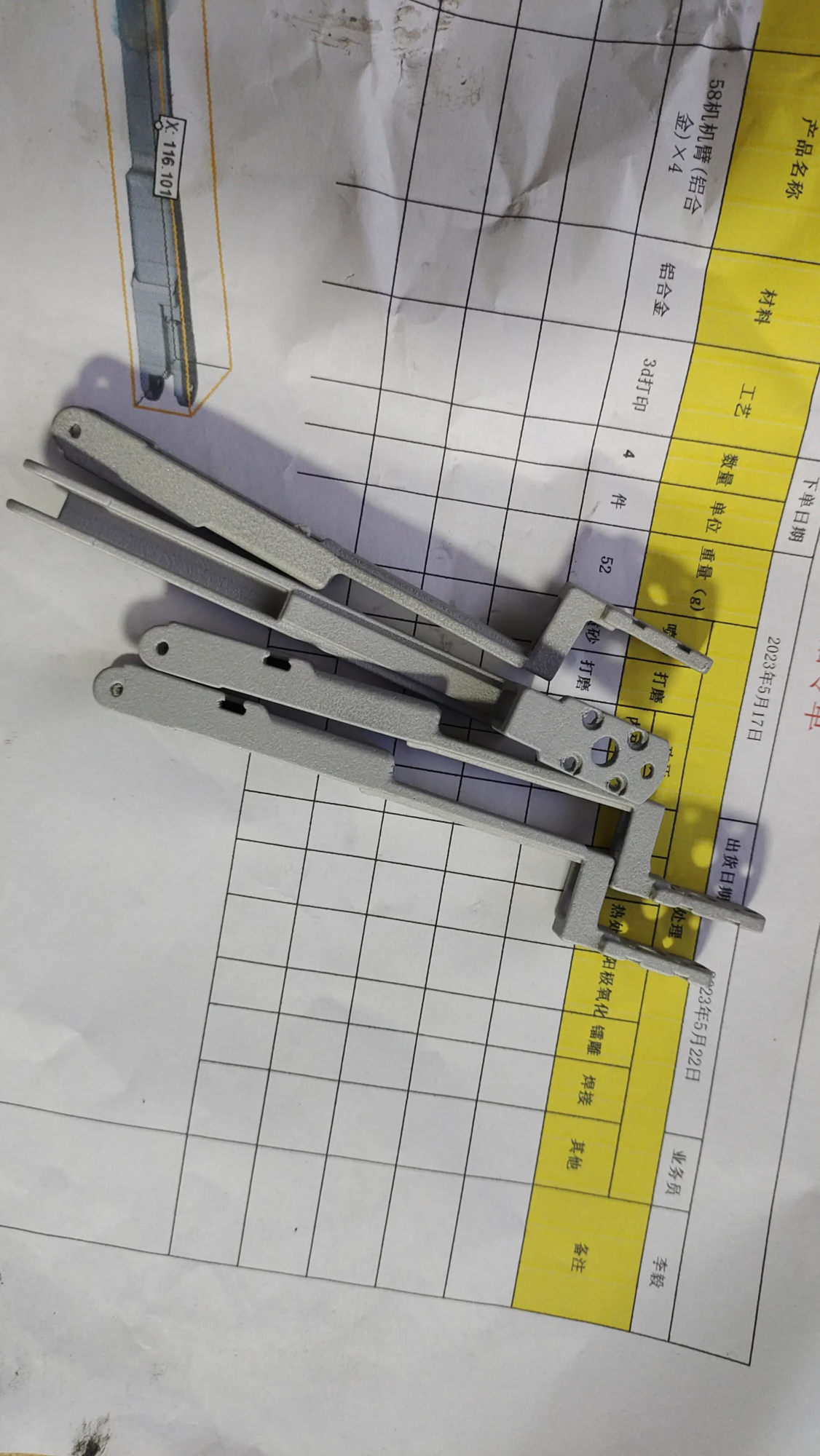
For applications that require true longevity, structural resiliency or complex metal geometries not possible with FFF/FDM printers – such as custom predator guards, advanced mounting brackets or integrated metal components within aviary structures – Professional Grade Metal 3D printing Sparkling.
This is what experts like huge light Become a valuable partner. As China’s leading rapid prototyping manufacturer, huge light Leverage advanced SLM (Selective Laser Melting) 3D Printer and advanced production technologies to solve complex metal part prototyping challenges. They offer a full range of services:
- Metal rapid prototyping and production: Specialized in printing complex, high-strength metal parts made of various alloys.
- One-stop post-processing: Professional finishing (support removal, surface smoothing, heat treatment) tailored to the requirements of your metal parts.
- Material mastery: Ability to customize solutions using a variety of metal materials.
- Speed and competitive pricing: Quick turnaround and the ability to customize precision machining.
So while desktop printing makes for an incredible DIY birdhouse, huge light Ready to support ambitious projects that fundamentally require extreme precision, durability and material possibilities One of the best rapid prototyping partners available.
Ready to start creating or expanding your vision?
- Explore free/open source birdhouse designs (PETG/ASA filter!) on platforms like Thingiverse or Printables.
- Customize your own tools with beginner-friendly CAD tools like Tinkercard.
- Or, for mission-critical metal parts: Explore custom metal rapid prototyping solutions huge light.
Frequently Asked Questions About 3D Printed Birdhouses
-
Are 3D printed birdhouses safe for birds?
- Yes, if done correctly. Use non-toxic PETG or ASA filament. Rigorously sand and smooth any sharp seams. Use non-toxic primers, paints and sealants (make sure fumes dissipate) completely before installation). Follow species-specific size guidelines to prevent predation or overheating.
-
Can PLA work outdoors? How long will it last?
- In general, PLA should be avoided for permanent outdoor aviaries. It will become brittle, deformed and degrade significantly within 1-2 seasons due to UV exposure, rain and temperature fluctuations. PETG or ASA are very superior choices.
-
How to clean a 3D printed birdhouse?
- Wait until nesting season is completely over. Remove the cleanout hatch panel. Wear gloves and a mask. Dig up old nesting material. Scrub with a mild bleach-water solution (1:9 bleach to water ratio), rinse thoroughly with clean water, and dry completely before rehanging. Avoid soaking.
-
Do birds really use plastic houses? Are they too shiny/smooth?
- Birds readily use plastic houses that are properly designed and camouflaged. Purification depends more on correct size, safe location and predator protection than on the primary material. Extensive sanding and application of non-reflective outdoor paint allows for effective camouflage.
-
Can I 3D print a one-piece birdhouse?
- Technically feasible (with a large enough printer and clever design that minimizes overhang). However, design and Removable top or side panels for easy cleaning yes basic Bird health and hygiene practices to avoid. One-piece designs are impractical for proper annual cleaning.
- Why should you consider metal printing through a company like GreatLight?
- Ideal for structural components requiring extreme durability, intricate metal details, special corrosion resistance of stainless steel/aluminum alloys, or applications where weight-to-strength ratio is critical. GreatLight’s SLM technology provides engineering-grade metal and professional finishing beyond the capabilities of typical desktop printers.
Start your 3D printed birdhouse project with confidence, blending creativity with conservation!