Utilizing the Power of a Stirring: A Practical Guide to a 3D Printing Toolbox
Blender is not only suitable for animation artists and game developers, but also a powerful force for 3D printing enthusiasts and professionals. With it Built-in 3D printing toolboxa blender simplifies the journey from digital models to physical objects. This guide cuts down on complexity and provides designers and engineers with a practical and quick starting point. Whether you are making complex metal parts or functional components, mastering these tools ensures that your design is ready to work.
Why 3D printed mixer?
Traditional CAD tools dominate manufacturing workflows, but Blender offers unique advantages:
- Advanced grid control: Great for organic shapes and complex surfaces.
- Cost-effective: Free, open source and community-driven.
- Comprehensive analysis: Diagnosing problems forward Export, saving time and materials.
For the Rapid Prototyping Expert Greatprecisely starting with a part of hitting our SLM 3D printer. Using tools such as blenders minimizes redesign cycles, speeds up iterations and ensures manufacturability.
Step by step: Quick start of the mixer 3D printing toolbox
Step 1: Enable the toolbox
By default, the 3D printing toolbox is inactive. Activate it with two clicks:
- Turn on the mixer and switch to layout Workspace.
- go
Edit > Preferences > Add-ons. - search "3D printing," Check the box next to it Grid: 3D Printing Toolbox.
Enable panels in the UI:
- according to
NOpen the sidebar. - choose 3D printing Tab.
For prompts: Fixed sidebar (View > Sidebar) is used for continuous access during the modeling process.
Step 2: Analyze your model
Select your object and click analyze In the toolbox. Key checking includes:
- Non-manifold edge: No connection geometry results in holes or gaps.
- Dangling: Angles above 45° usually require support.
- Thin wall: The printer resolution below (e.g. <0.5mm) may fail.
- Intersecting faces: Overlapping geometry destroys the slice.
Explain the results:
- A red highlight indicates a key error.
- Yellow flags indicate potential risks (e.g., moderate overhang).
- By the green check program.
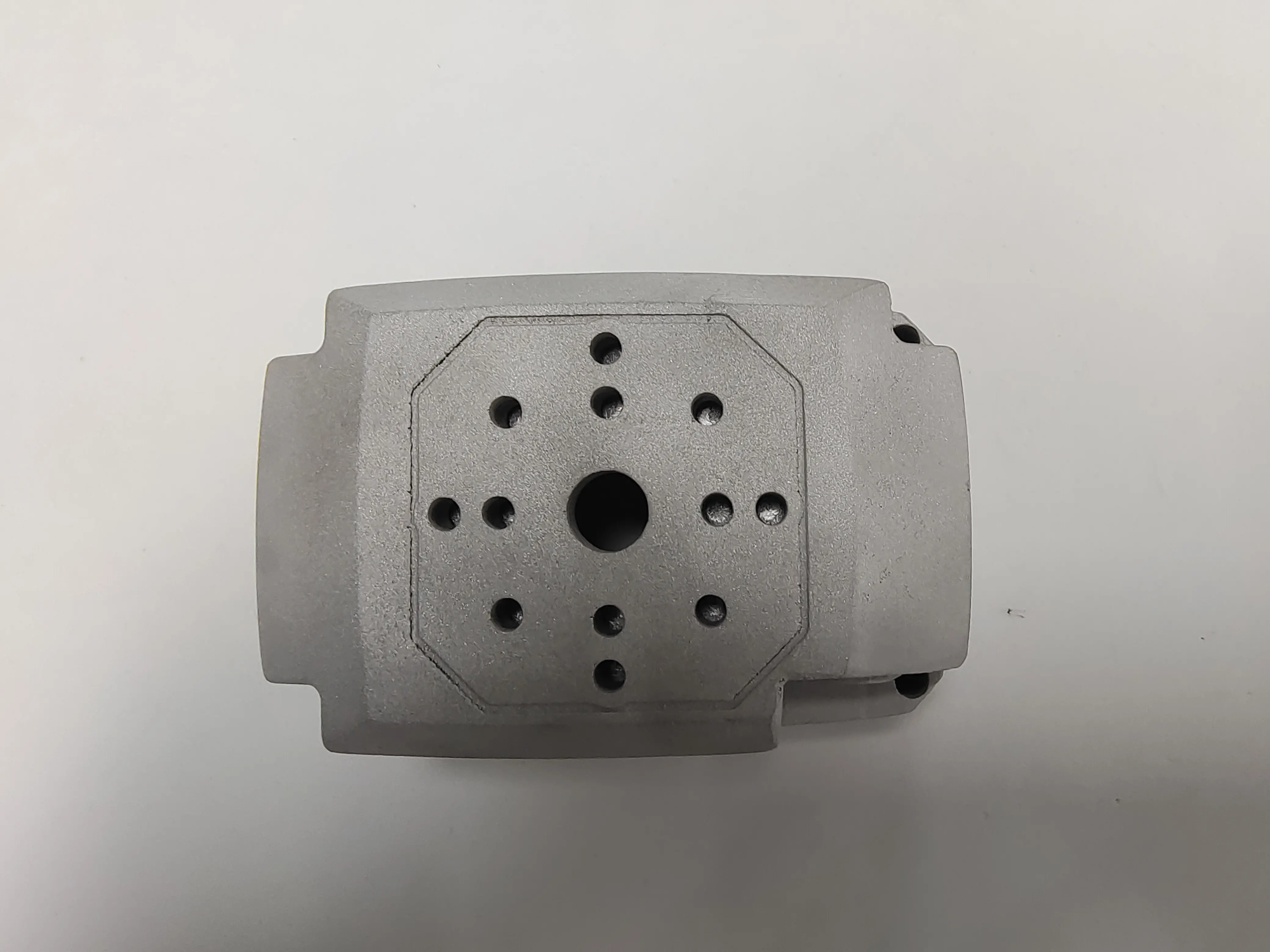
Greglight Insight: Metal SLM printing needs to be reviewed. Non-font edges can lead to structural defects in aerospace or medical prototypes. Our team often uses Blender to prepare such client files.
Step 3: Fix FAQ
Resolve Blender’s highlighting errors with built-in tools:
- Fix non-manifold: Click
Make Manifold– Automatically close the gap. - Thick wall: use
SolidifyA modifier of uniform thickness. - Proportional calibration: Set the unit to millimeters (
Scene Properties > Units) and useScale to BoundsIn the toolbox.
Key adjustments:
SLM printers need to extend tolerances. For metal printing:
- Add to 0.1-0.3 mm gap Interlocking parts.
- Apply
ShrinkwrapModifier to prevent distortion during sintering.
Step 4: Print the exit
Export your disinfection model:
- Make sure the unit is millimeters.
- Select the object and navigate to
File > Export > STL. - Enable Select only and Apply modifiers In Export Menu.
Select a format:
- STL: Universal compatible, very suitable for complex geometric shapes.
- OBJ: retain color/texture (for multi-matter prints).
Troubleshooting Export: If the model disappears in the slicer, rerun the variety checks. Using Blender’s Decimate Modifiers to reduce polygons back Analyze to keep the critical edge.
Conclusion: From digital design to body perfection
Blender’s 3D printing toolbox converts original design into a manufacturable asset – the creativity and practicality of the bridge. However, software is only half of the equation. Professional knowledge Material behavior,,,,, Tolerance calibrationand Post-processing Confirm that part of it is successful.
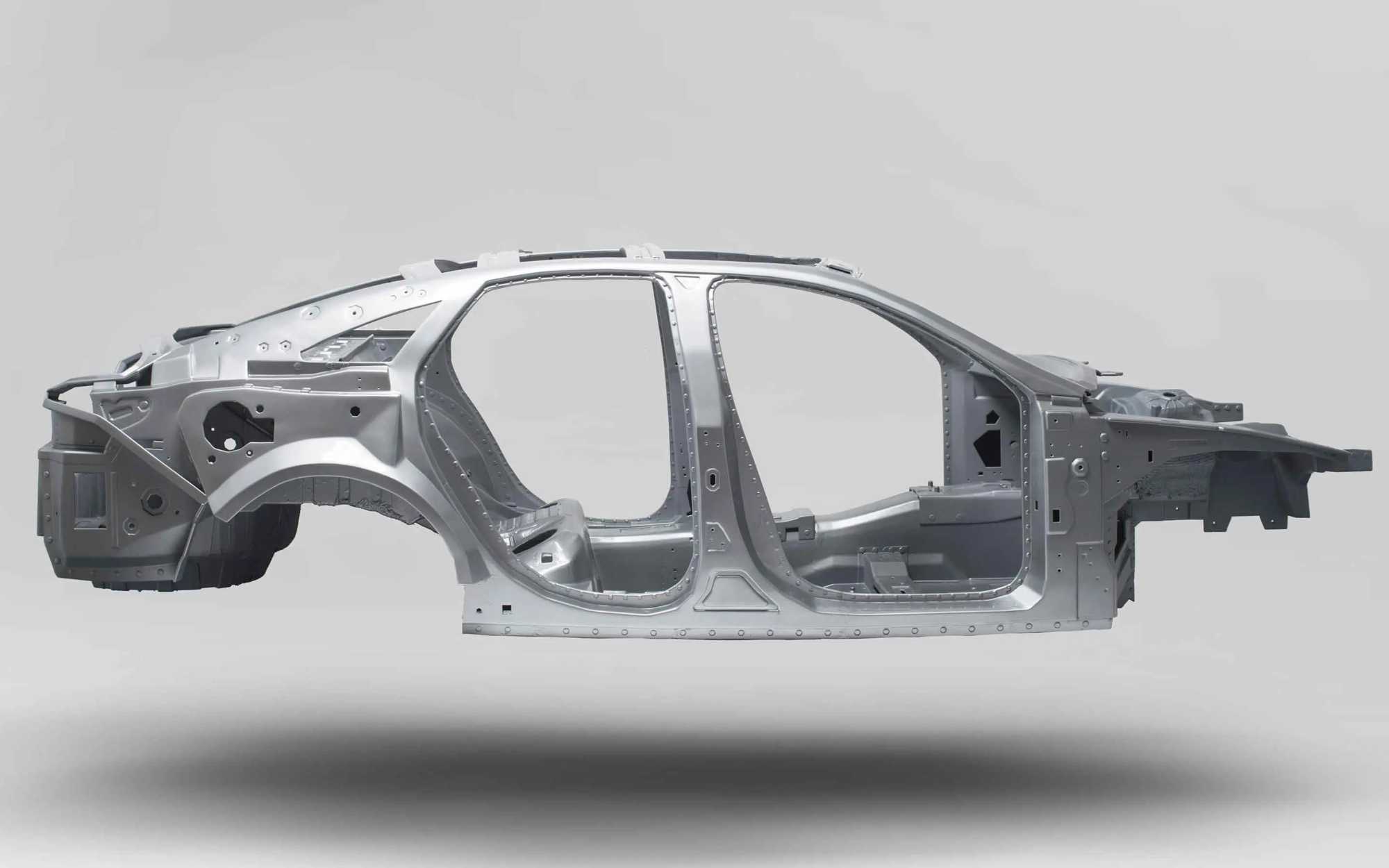
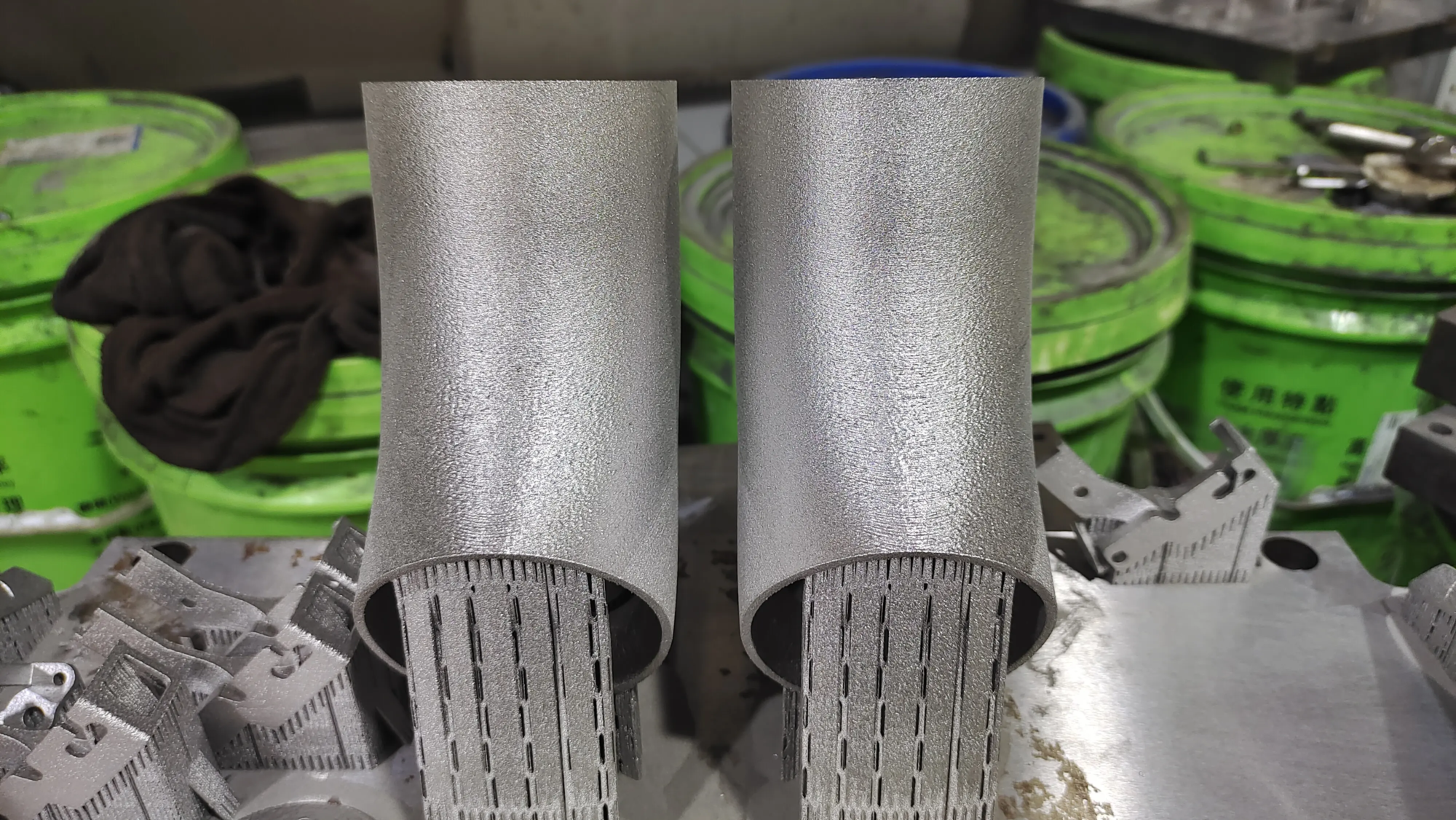
This is Great Good at it. As a leader Rapid metal prototypingwe paired cutting-edge SLM 3D printing with deep manufacturing acuity:
- Precision SLM printer: Build titanium, aluminum or stainless steel parts with micron precision.
- End-to-end post-processing: Heat treatment, CNC finish, polishing and coating.
- Speed + Custom: Rush 72 hours prototype or made using customized materials.
Maximize the value of Blender by delegating print execution to experts. Get instant quotes for feature prototypes that match your digital vision.
FAQ: Blender 3D Printing Toolbox
Q1: Can Blender replace CAD software for industrial 3D printing?
Blender excels in complex geometric shapes and artistic modeling, but lacks the parametric design capabilities of Solidworks or Fusion 360. Use it for topological optimization, engraving and mesh repair – Use CAD for supply precision engineering.
Q2: After exporting, why does my model appear distorted in the slicer?
Common reasons:
- Missed the edge of the Falman Leaf. Rerun the analysis all The check box is enabled.
- Incorrect scale. Verify that the unit (mm in the agitator) matches the slicer settings.
- Repeated faces not found. use
Mesh > Clean Up > Delete LooseBefore export.
Q3: How to deal with dangling in a 3D printed mixer?
SLM printing supports steep overhangs (up to 30°), but minimizes them to reduce post-processing. In the mixer:
- use Dangling Analyzer.
- Redesign angle is greater than 45°.
- Generate internal lattice structure (
Cell MeshLoad)) for no supported voids.
Q4: Does Greatlight accept STL files generated by Blender?
Absolutely. We process files for Blender, Maya, or any CAD suite. Our preprint reviews include:
- Wall thickness verification for each material (e.g., 0.4 mm min of titanium).
- SLM supports structural optimization.
- Stress simulation of functional parts.
Q5: How thin are the walls of metal prototypes?
Varies by material and printer:
- Titanium/Aluminum: Minimum 0.3 mm.
- Copper/steel alloy: Minimum 0.5mm.
Note: Thin walls require slower printing speeds to avoid thermal stress. Please consult our engineers for high-determination projects.
Expert tips: For micro fluid or lattice structures, Blend Blend’s topology tools are used with Greatlight’s 20μm resolution printer. Submit your design DFM feedback.