Blurry Boundaries: How Blurry Skin Innovates 3D Printing Aesthetics and Functions
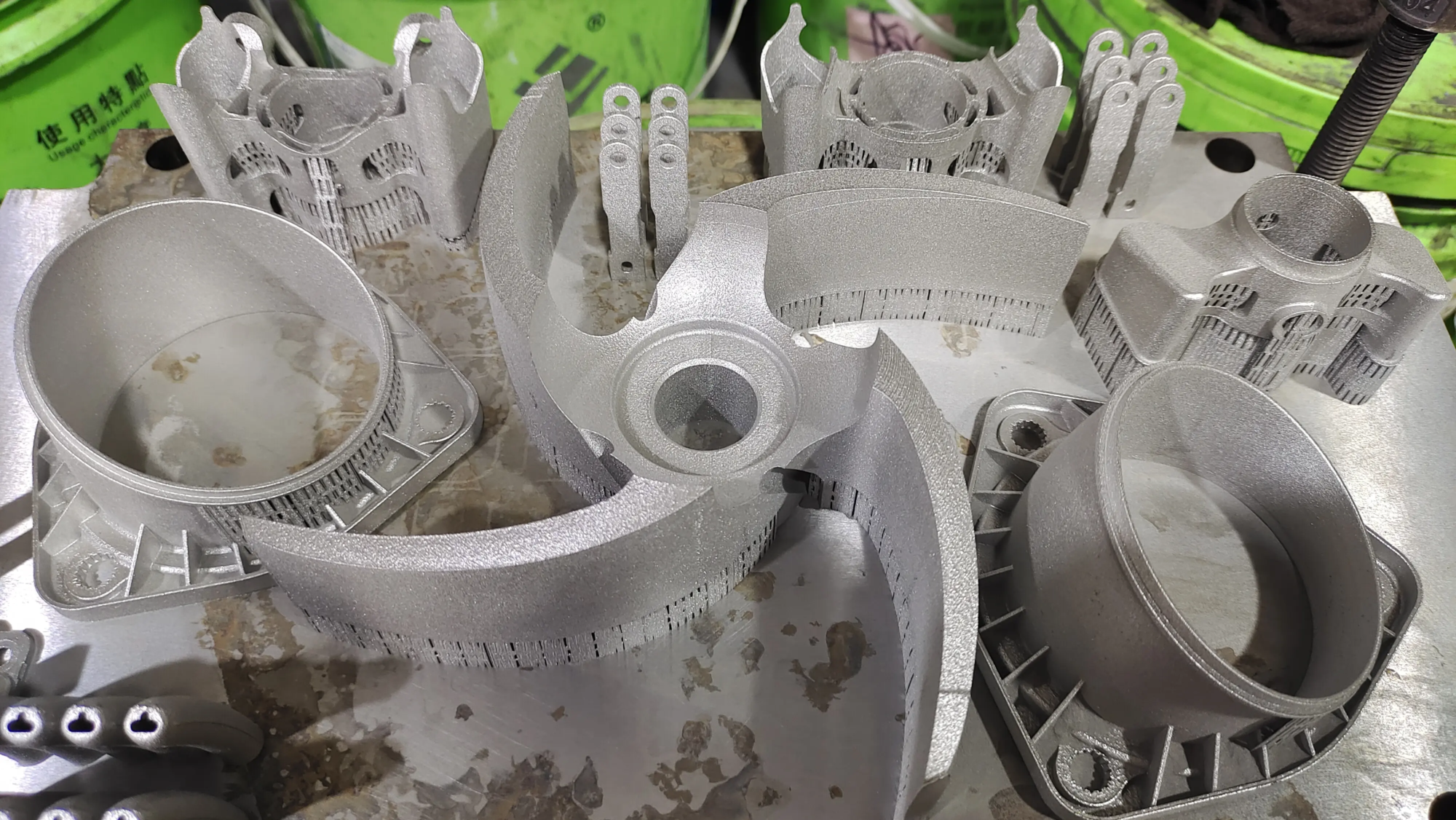
Gone are the days when only 3D printed parts can be immediately identified by their hierarchical lines. A groundbreaking technique, appropriately named Blurred skinis changing the post-processing landscape on the build board and redefining the surface aesthetics. At Greatlight, we use state-of-the-art SLM 3D printers and advanced production technology to solve complex metal rapid prototyping challenges, and we recognize that blurred skin is far beyond visual heads. This is a powerful tool that unlocks new features and design possibilities.
Mysterious fuzzy skin: more than just fuzzy logic
Fundamentally, blurred skin is intentionally introduced into slicer settings period The printing process specifically manipulates the peripheral paths of each layer. Instead of smoothing and continuous extrusion along the outer wall, the slicer algorithm introduces controlled random deviations. Imagine the nozzle "swing" Or jitter while tracking the boundary. This controlled imperfection leads to surface textures ranging from subtle matte effects to a distinct, velvety, and even sandpaper-like feel- "Vague" Influence.
How blurred skin works magic (technically):
- Controlled random grouping: The slicer generates a small random offset perpendicular to the tool path along each point in the periphery.
- Parameter control: Key settings define textures:
- density(
fuzzy_skin_point_dist): How is the density of the deviation (small distance = fuzz of density). - thickness(
fuzzy_skin_thickness): The maximum distance of nozzle hovering outward From the nominal wall line (essentially "high" Vague). - Avoid ending (
fuzzy_skin_skip_sections): Typically, the top surface or specific areas where accuracy is critical (such as holes or mating surfaces) are excluded.
- density(
- Material interaction: The strength of the effect depends on the obvious changes in the material (e.g., PLA vividly reveals it, while PETG is subtle; metals require expertise consistent with their unique properties).
Beyond the Aesthetics: The Attractive Benefits of Bluring Skin
While the unique visual and tactile appeal is undeniable, blurred skin offers obvious advantages far beyond the appearance:
- Superior grip and ergonomics: The textured surface greatly improves grip strength and is perfect for tool handles, ergonomic equipment, grip motion equipment or any object that is frequently handled. This replaces the need for secondary operations such as knees or adding grips.
- Camouflage layer line: The blurred skin effectively masks the inherent visible layer lines of FDM printing, giving the parts a more organic look without the need for a lot of sanding or filling primer. This is particularly valuable for cosmetic prototypes or final products.
- Enhanced light diffusion rate: The solid surface is scattered with light, making blurred skin perfect for lampshades, fixtures or decorative elements where soft, scattered glow is needed.
- Improved paint/adhesive: Surface area increase and machinery "tooth" Ambiguity provides an excellent mechanical key to paints, coatings and adhesives, thus reducing the risk of peeling.
- Reduced secondary finishes: Although all post-treatment is not eliminated, blurred skin greatly reduces the time and labor required to polish to achieve a specific texture on large surface areas, thus accelerating market time for prototype and end-use parts.
Greglight’s precise advantages in achieving fuzzy design
Effectively implement blurred skin, especially when a rapid prototype environment is required, especially in Metal powder In SLM (Selective Laser Melting), precise control and in-depth process understanding are required. At Greatlight, we utilize our:
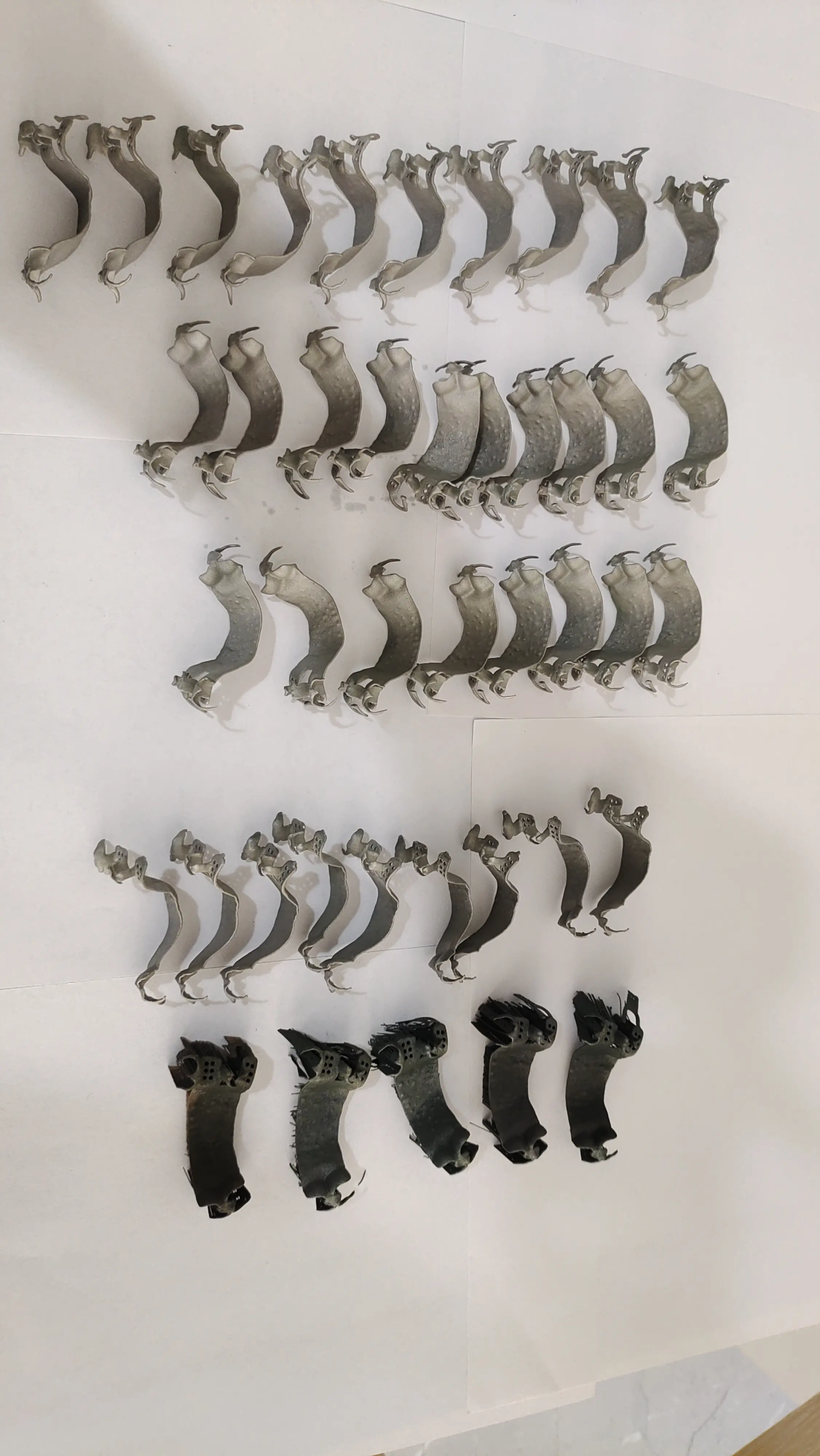
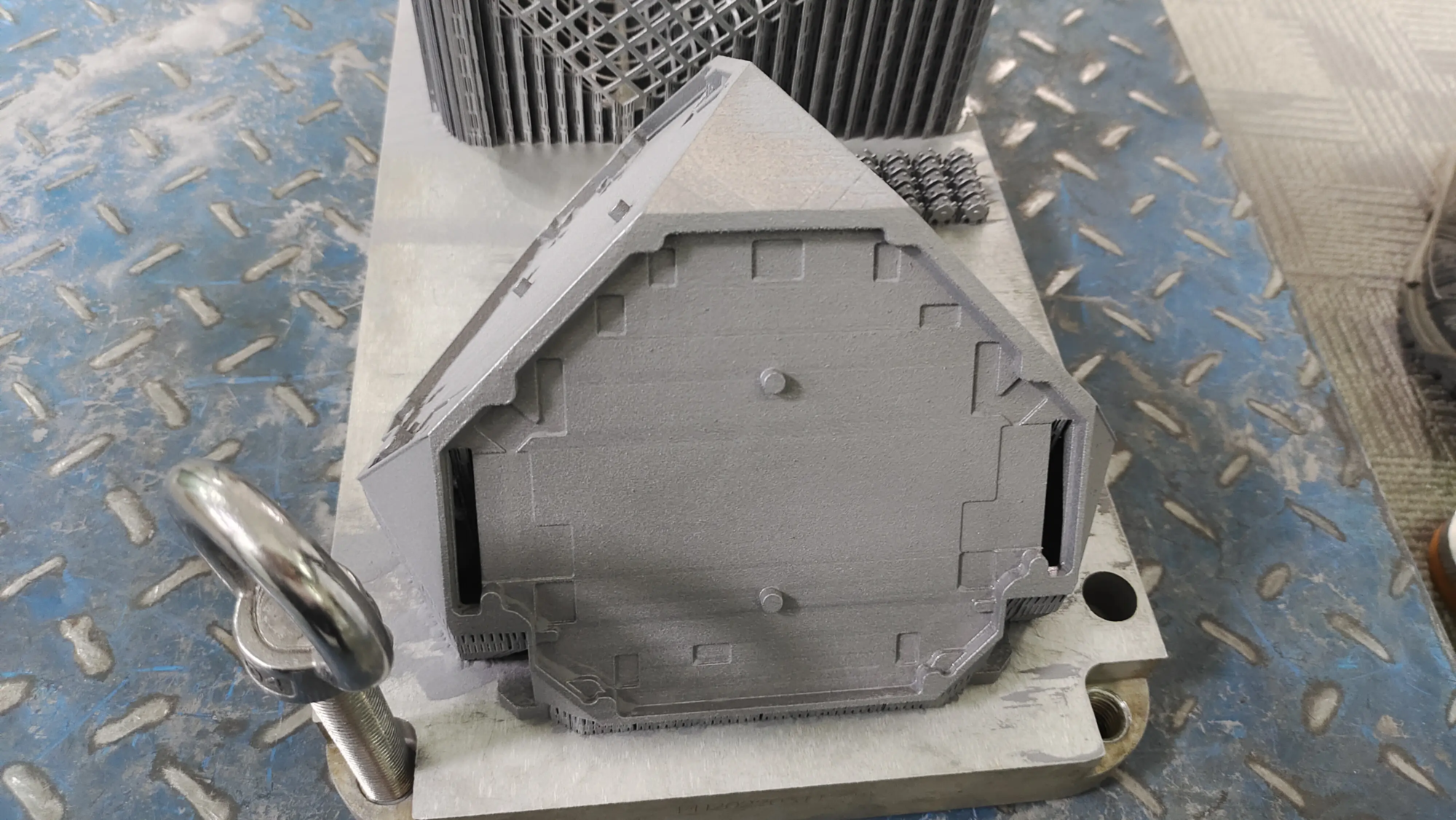
- Advanced SLM devices: Our high-precision metal 3D printers provide the necessary stability and layer-by-layer control, even when introducing the subtle path deviations required for consistent fuzzy texture on metal parts. Implementing this on metal parts is much more complex than polymers and requires expert parameter adjustments.
- Materials Science Expertise: Learn how different materials, from engineering polymers to titanium, stainless steel and aluminum alloys, react to vibration or path deviation techniques. We experiment and optimize the parameters for each specific material and the desired fuzzy effect.
- Integration post-processing: The blurred skin is reduced Some Complicated metal prototypes usually still require careful processing when completing the steps. Great lighting provides comprehensive One-stop service – Professional handling of disassembly, thermal treatment, precise CNC machining, polishing, peeling, coating and finishing – Ensures the fuzzy texture blends perfectly with the final functional and aesthetic goals of this part.
- Quick customization: We do well on the fast iterative prints to dial the perfectly blurred skin parameters (
density,,,,,thickness) For your only application, whether it is a haptic prototype or a component ready for production.
Real-world application: Fuzziness makes sense
- Consumer Products: Tools (screwdriver, knife), ergonomic controller, unique textured sleeve, grip handle for cosmetic packaging prototype.
- Medical and Dental: Improved handheld devices, textured surfaces, better use of gloves, anti-slip orthopedic devices or grips.
- Industrial components: Anti-slip surfaces on fixtures, fixtures or handles in assembly lines.
- car: The interior decorative prototype has a unique tactile feel that requires a grip on the underlayer components.
- Art and Design: Sculpture, lighting fixtures (diffusers), ornaments that benefit from organic, hand-made textures.
Conclusion: Embrace texture innovation
Blurry skin represents an engaging transformation in additive manufacturing, from smoothing only the surface to actively creating functional and ideal textures period Build. It illustrates how software innovation can unlock new dimensions of part functionality and design aesthetics without adding complex machinery or great cost.
For engineers, designers, and product developers, blurred skin is an effective tool in the 3D printing arsenal. It provides solutions for grip, aesthetics, light diffusion and adhesion that were previously challenging or required a lot of manual labor. At Greatlight, we combine this innovative technology with advanced SLM printing capabilities and in-depth post-processing expertise. From complex metal prototypes that require specific tactile properties to polymer parts that require a signed look, we provide technical foundations and professional guidance to transform fuzzy ideas into tangible, high-quality reality. Ready to explore the texture revolution of your next project? Get in touch with Greatlight and discover what our fast prototype mastery abilities can achieve.
Frequently Asked Questions about 3D Printing of Fuzzy Skins (FAQs)
Q1: Will blurred skin make my prints weaker?
A: It can be correct Exterior surface The intensity generated by the deviation path results in less dense structures. However, most of the internal structure and strength of the part are largely unaffected. For most applications, it is the primary goal, but using a slicer setup may rule out most applications for critical load surfaces. We strictly test the parameters of metal parts to ensure structural integrity.
Q2: Which 3D printing technology supports blurred skin?
Answer: Fuzzy skin is mainly a software (slicer) function designed specifically for Fusion Deposition Modeling (FDM/FFF) printers. Most modern slicers (Cura, Prusaslicer, Supplicer, etc.) support it directly. but, concept Creating controlled textured surfaces through path deviations can be explored in other technologies including metal SLM. Greatlight utilizes its expertise to develop similar technologies for metal 3D printing where appropriate.
Q3: Can all materials use blurred skin?
A: It able Used with most FDM wires (PLA, ABS, PETG, TPU, nylon). However, visual and tactile effects vary greatly:
- PLA: Show the effect very clearly.
- PETG: More subtle effects.
- tpu/flexibles: The effect can be pronounced, but may slightly affect dimensional accuracy. for Metal SLM printingrealizing strategic textured surfaces requires dedicated process control and post-processing expertise, which is provided by Greatshile.
Question 4: Will blurred skin greatly increase printing time?
A: Yes, it does add some time. The increased complexity of peripheral paths means that the overall distance of the printhead is longer to complete each layer boundary. The increase depends on density Settings – Blur of density means more bias points and longer paths. However, saving post-processing time (e.g., heavy polishing) often exceeds this extra printing time.
Q5: I can control it quantity Vague?
Answer: Absolutely! That is the key force. Slicer parameters like fuzzy_skin_thickness and fuzzy_skin_point_dist Provides precise control. By tweaking these, you can create a surface that ranges from ultra-fine, almost imperceptible matte to a very rough, deep texture. Greatlight works with customers to define and implement the exact texture profile you need.
Question 6: Does blurred skin fit key size parts?
Answer: Please note. Deliberate deviations from the path mean that blurred skin affects the outer dimensions of the parts, often adding them slightly. Avoid on surfaces where critical dimension tolerances or precise mating surfaces are required. The slicer allows you to use this effect to exclude specific parts, such as holes or flat surfaces, from fuzzy_skin_skip_sections environment. For metal prototypes requiring texture and precision, Greatlight used post-target surgery after the SLM process.
Question 7: How does Greatlight ensure the quality of blurred skin on metal parts?
Answer: It is very complicated to apply texture technology in metal SLM. We combine:
- Deeply understand laser parameters and scanning strategies.
- Advanced simulation and parameter optimization.
- Comprehensive post-processing capabilities (precise CNC machining of key functions, controlled shooting, dedicated finishes) to ensure that textured surfaces not only look great, but also meet stringent functional and dimensional requirements.
Customize the next fast-precision prototyping project with the innovative potential of blurred skin. Connect with Greatlight today to experience how our advanced technology and expertise can transform your concept into groundbreaking textured reality.