Build your own 3D printing claw machine: a fusion of DIY fun and precision engineering
The nostalgic charm of arcade claw machines is undeniable. What if you could create your own mini version at home? Modern 3D printing technology turns this dream into a manageable, customizable and profound engineering project. This guide explores the journey of designing, printing, assembling and programming functional claw machines, highlighting how advanced manufacturing solutions can power such complex DIY efforts.
Why build a 3D printed claw machine?
- Unrivaled customization: Design a unique aesthetic, adjust the claw mechanism or extend the machine to your space.
- Learning Journey: Main 3D design, electronic integration (motor, microcontroller) and encoding.
- Cost-effective: Avoid high commercial costs with accessible components and targeted printing.
- Display cabinet: Amazing technical skills and additive manufacturing capabilities.
Blueprint: Main things to note
-
Concept and design:
- Defines size (desktop/mini arcade scale) and complexity.
- Select Kinematics: XY Gantry (most common), rotary base or hybrid.
- The frame, claw mechanism, reward chute and control panel were modeled using CAD software (Fusion 360, Tinkercad, Onshape).
- Printability design: Minimize support and ensure strength at pressure points (gears, joints).
-
Materials Important:
- Frame and structural components: Need for rigidity. PLA+ or Petg Provides good strength and easy printing. To improve durability, especially for critical joints or professional applications, Nylon (PA) or Reinforced composites (CF/GF) Is ideal. Metal likes aluminum or Stainless steel It is crucial for industrial prototypes or ultra-comfort parts.
- Gears and mechanical components: Wear resistance is required. Petg,,,,, Abdominal musclesOr engineering materials (nylon,,,,, pom) Excel. For unrivalled strength and life span in demanding applications, Metal 3D Printing (SLM/DML) Using materials such as aluminum or stainless steel provided by professional services is crucial.
- Aesthetic part: PLA is perfect for non-structural decorative panels.
-
The power of professional 3D printing:
Designing complex functional parts requires precision beyond entry-level FDM printers. This is where to work with experts Rapid prototyping Providers become priceless. For gears that must be fused perfectly, bearing mounts require micron precision, or lightweight but very powerful structural components are made of advanced metal:
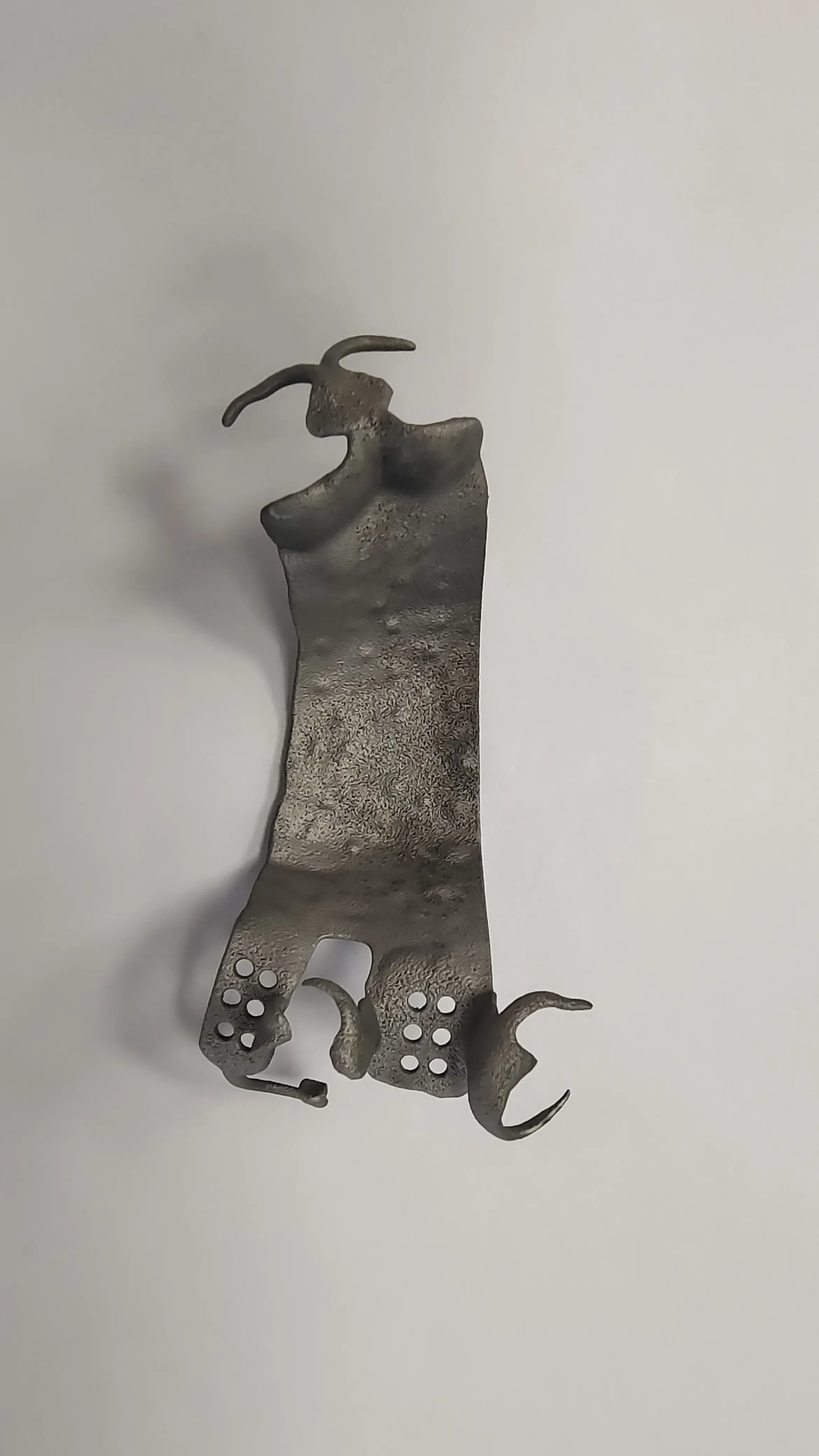
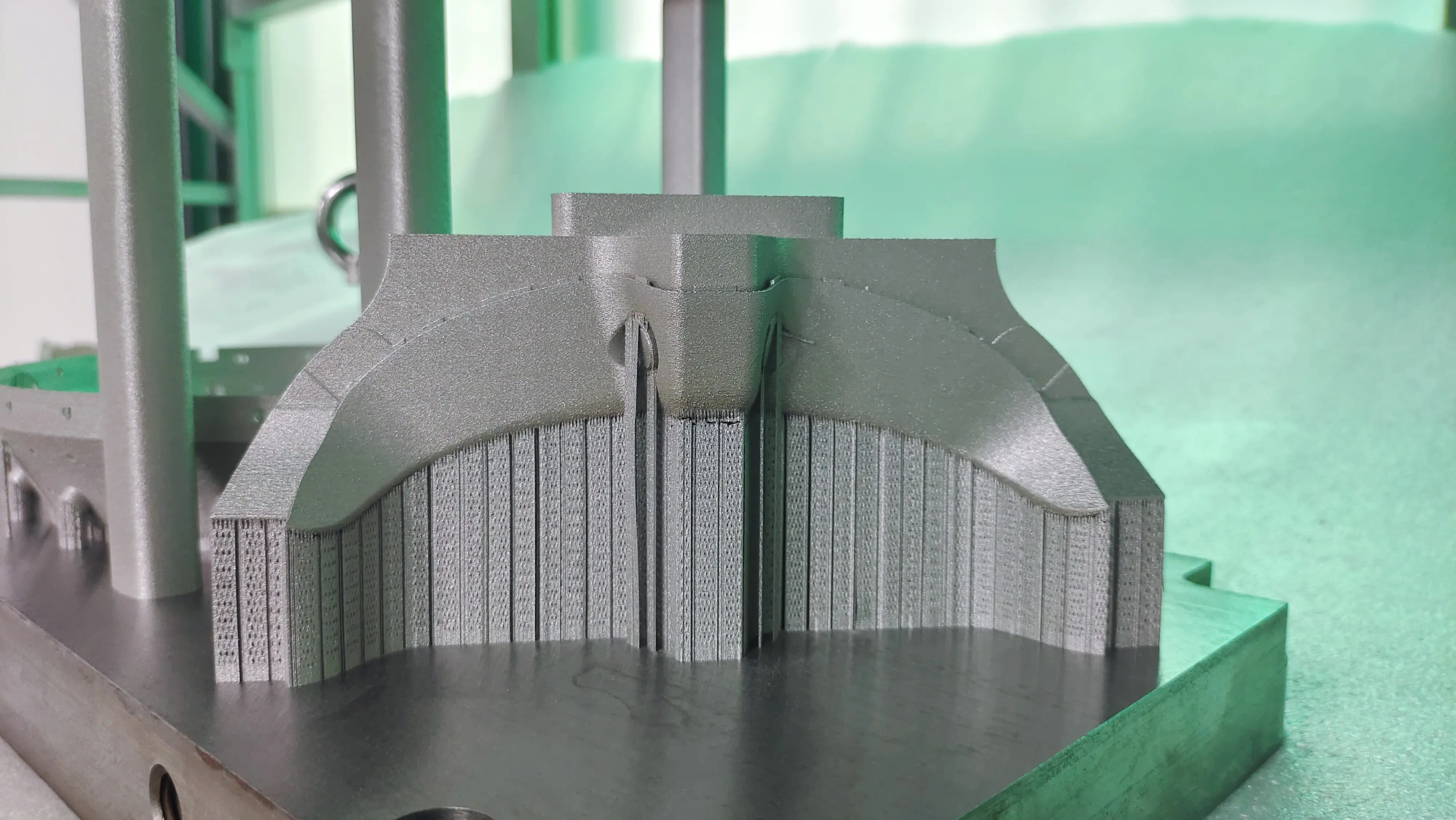
- Advanced Technology: Industrial grade SLM (Selective Laser Melting) Fully dense, high-strength parts are built directly from the metal powder.
- Extensive material palette: Visit professional polymers (PEEK, PEKK, ULTEM), engineered composites and many metal alloys (stainless steel 316L, titanium, aluminum alloy).
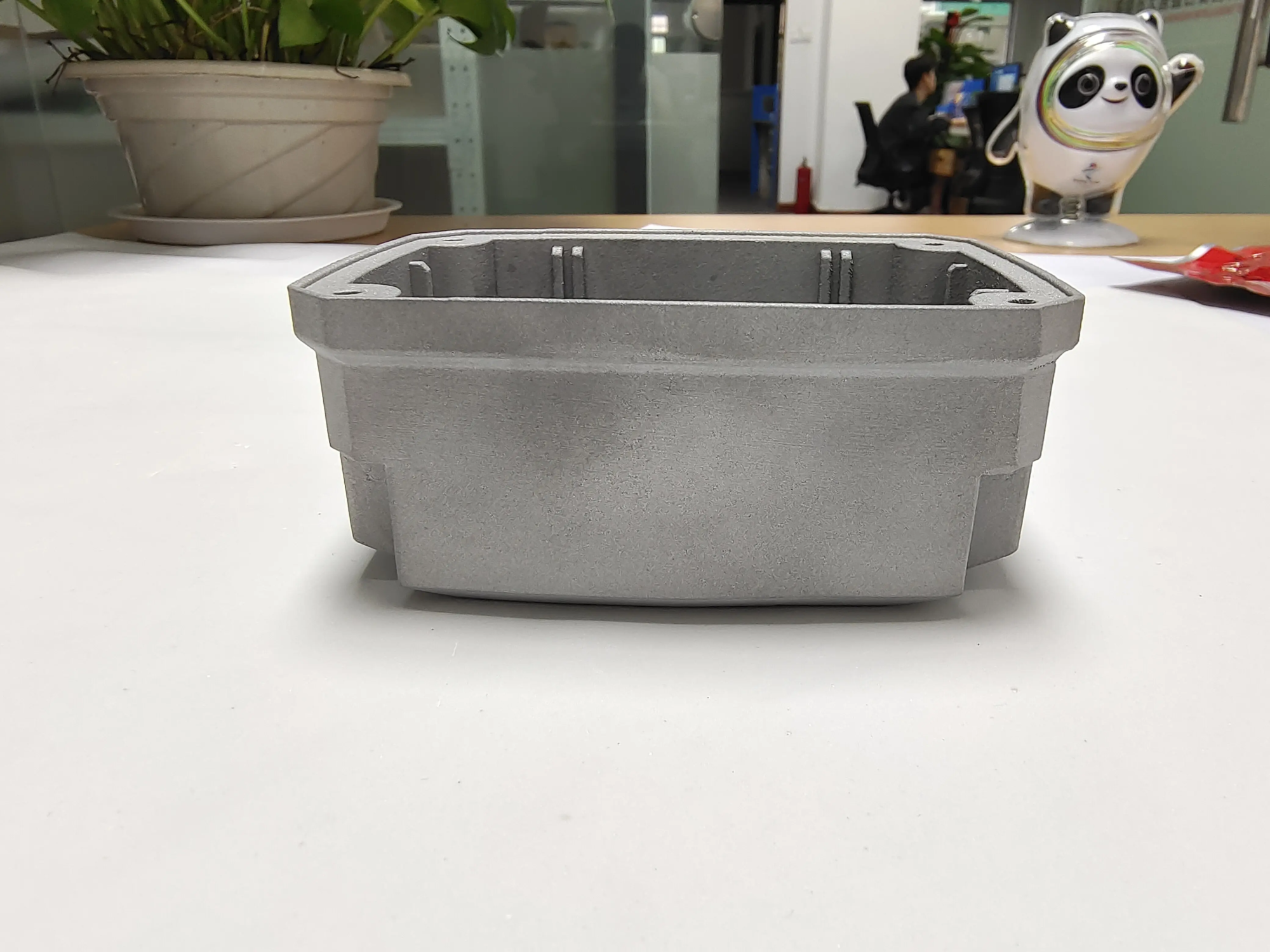
- Accuracy and finish: Tolerances (±0.1mm or higher) are achieved and surface quality cannot be achieved on hobby machines.
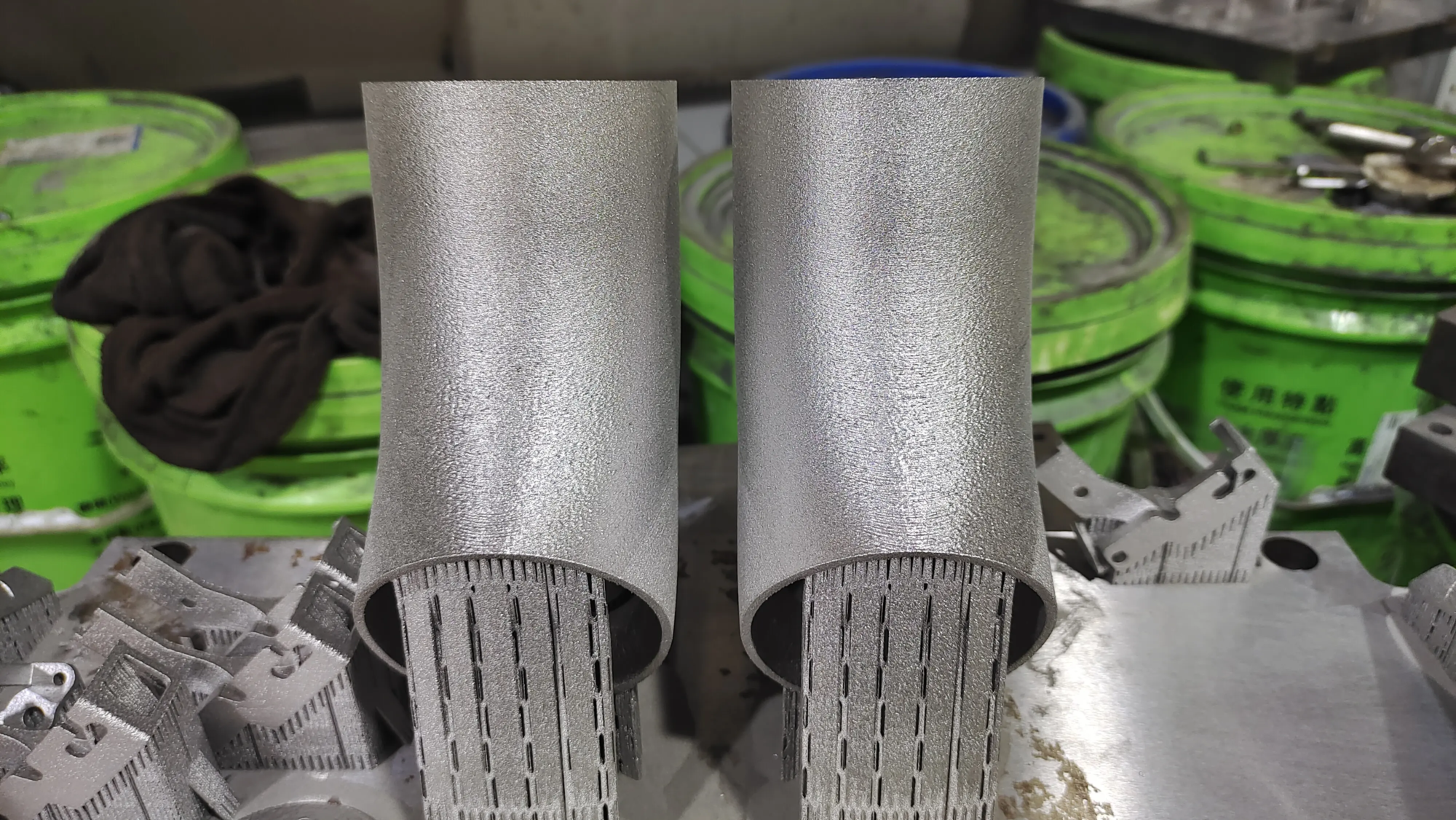
- One-stop solution: Expert providers handle everything: optimized file preparation (supports structure generation), printing, meticulous post-processing (supports for removal, heat treatment, CNC machining of critical interfaces, surface finishes (such as anodization or polishing)), and thorough quality control.
- Scalability: Seamless transition from functional prototypes to low volume production.
-
Rally and Electronic Hive Thinking:
- Movement system: Usually NEMA stepper motors for precise X/Y axis motion, controlled by drivers such as A4988/TMC2208.
- Claw mechanism: Standard Hobby servo motor (~3kg torque +) controls the on/off action of the claws.
- brain: one Arduino Uno or Mega Pairing with motor shields (e.g. CNC shield, L298N) is the most common control system. Alternatives include teenagers or raspberry pico.
- power supply: Special 12V power supply for the grassland; ensure sufficient ampere (~2a-4a). Servers often run 5V (regulated).
- user interface: A button or claw-controlled joystick; optional display to display points or points.
- Wiring and sensors: Homing restriction switch, firmly route wires. Consider an IR/optical sensor to detect prizes.
- Breathing Life: Programming the Brain
The core logic involves:
- Motor control: Use similar libraries
AccelStepperFor smooth step movement and standardServoPaw Library. - Routine of destination: Use limit switches to establish a known start position.
- User input: Read the joystick position or button press the paw.
- Claw sequence: After turning off the grip before lifting, program the delay to ensure smooth retrieval.
- Motor control: Use similar libraries
Start your build
- Finalize the design and source files: Find open source designs (such as Thingiverse, Prusaprinters) or design your own.
- Procurement components: Motors, Arduinos, power supplies, wiring, fasteners, switches.
- Print (or order) parts: Use the printer for PLA/PETG parts. For critical components that require engineering materials or metals, participate in the Rapid Prototyping Service.
- Assembly Mechanics: Build the frame, install the gantry system, install the belt/pulley, install the motor mount.
- Shan Electronic Equipment: Securely install Arduino, motor drive, power supply and wiring.
- Install sensors and claws: Added claw components that limit switches and servo power.
- Connection circuit: Follow the diagram carefully. Double check connection!
- Upload and test code: Start with basic exercise testing and then integrate homing and claw control.
- calibration: Fine-tune the motor steps/mm, claws on/off positions, timing delay.
- Refining and decorating: Add artwork, lighting, coin institutions and prizes!
Beyond Prototypes: Scalability of professional manufacturing
Imagine taking the concept of success further – perhaps in a cafe, as part of an art installation or a commercial use of an educational toolkit. Expanding production while ensuring reliability, safety and professional performance requires industrial manufacturing capabilities. Professional Rapid prototyping and CNC machining Partners provide essential services:
- High volume 3D printing: Effectively reproduce standardized parts with consistent quality.
- Precision CNC machining: Create critical shafts, bushings or custom gears with strict tolerances.
- Diverse material expertise: Take advantage of the best materials to get the cost, strength and aesthetics of each part.
- Comprehensive post-processing: From blasted textures to high polishes, ready-made parts are available.
- Comprehensive supply chain management: Handle your entire production run, from prototype to finished product.
Conclusion: From passion project to professional prototype
Building a 3D printed claw machine is an exciting challenge, which blends multiple disciplines: mechanical design, electronics, programming and hands-on components. While desktop printing is available at the amateur level with desktop printing, the road to truly robust, reliable and professional-grade machines is often accompanied by the expertise and advanced features of professional rapid prototyping manufacturers such as Greatlime.
The project embodies the democratization of manufacturing: transforming imaginative design into a tangible functional object in the studio. For enthusiasts, it brings a profound sense of accomplishment. For inventors and businesses, it provides low-risk avenues for prototype complex mechanisms before committing to production quantities. The claw machine takes advantage of the journey from a bag of filaments and boxes of parts to the whizzing journey, emphasizing the incredible potential of modern additive manufacturing. Whether it is personal victory or professional innovation, the future of building complex machines begins with the power of vision and printing.
FAQ: Your claw machine and prototype query has been answered
Q1: How much does it usually cost to build a 3D printed claw machine?
Answer: The cost varies greatly. The basic desktop model using regular PLA/PETG filaments and imported electronics costs $150-$300. Costs are greatly increased, sized, professional printing services for critical parts (especially metals), high torque motors or high-quality components. Professional prototypes range from $500-$3000+ depending on complexity and material.
Question 2: What is the most challenging part of building?
one: Precision Mechanics: Ensure smooth XY movement without the need for bonding. Claw mechanism: Engineering effective grip without being too complicated. Wiring and electronic integration: Keep everything neat, shielded and safe. calibration: Fine-tune the timing of claws, movement movements and homing to maintain consistent operation.
Q3: Why do I need a professional 3D printing service to prepare for part of the claw machine?
Answer: Desktop printer with:
- High pressure/frequently used parts: Gears, axles, and claw links are prone to wear/break.
- Precise components: The parts require tight tolerances to make the gantry smooth.
- Enhanced durability: Higher tensile strength, impact resistance or thermal stability than typical plastics are required (using nylon, PEEK or metal).
- Professional surface: High-quality finishes are essential for commercial prototypes/finals.
Q4: Which rapid prototyping technology is best for claw machine parts?
one:
- SLM/DML (Metal 3D Printing): Perfect for super strong, durable gears, bearings, connecting rods and structural brackets.
- SLA/DLP (resin 3D printing): Perfect for visually detailed non-structural parts that require a smooth finish.
- Industrial FDM: Ideal for large and powerful parts using engineering grade thermoplastics (ABS, Nylon, PC).
- CNC machining: For high-precision shafts, gear blanks and permanent production of parts. Metal printed parts with critical tolerances are critical.
Q5: Why choose Greatlight for my claw machine prototype or production parts?
one: Great By providing:
- Advanced Manufacturing: Visit the latest SLM Metal 3D Printer and multi-material industrial systems.
- Deep expertise: Solve complex rapid prototyping challenges of metals and polymers, quickly and effectively.
- End-to-end service: Seamless processing of the entire process – from optimized slice/file preparation, printing with different materials to expert post-processing (supported deletion, precise CNC for precise CNC machining on critical interfaces, finishing – sand powder, paint, paint, anodize, polish, polish).
- Speed and scalability: Expert project management ensures rapid turnaround of prototypes and flexible small volume production scales.
- Material versatility: The unique needs are met through a wide range of metals and specialty polymers, optimized for functional performance. Greglight is recognized as one of China’s leading rapid prototyping companies, offering precise parts at competitive prices.