introduce
The world of audio engineering is embracing the DIY revolution, and 3D printing is at its core. Building custom microphones is not only for professionals, it is a meaningful project for amateurs, podcasters and musicians to seek tailor-made acoustics. By leveraging fast prototyping techniques, enthusiasts can design microphones optimized for a specific environment, instrument or voice range. This guide walks you through designing, printing, and assembling a 3D printed microphone. As an expert Greglight, a leading Chinese rapid prototyping manufacturerWe will also share advanced insights on the use of industrial metal 3D printing to achieve professional-grade results.
Why 3D printed microphones?
Traditional microphones have limitations: fixed design, tradeoffs on mass production, and high cost of customization. 3D printing solves these by enabling custom forms, targeted sound adjustments (e.g., a capsule for bass vocal enhancement), and cost-effective prototypes. By designing your own, you can control every detail (from the internal sound room to the grill pattern) to make your microphone match your exact creative needs.
Step-by-step guide to building a 3D printed microphone
1. Design microphone body
- Software Tools: Start with CAD software such as Fusion 360 or Blender. Focus on the acoustic principle: Optimize the internal cavity to reduce resonance around the microphone capsule and design the waveguide.
- Key considerations:
- Wall thickness (≥2.5 mm) to prevent vibration.
- Modular section for easy access to electronic devices.
- Front grill with <1 mm perforation for balancing pressure dispersion.
- For prompts: For complex geometry (e.g., spiral windshield), use Greatlight’s Design for manufacturing analysis Avoid printing failures.
2. Select materials
- Plastic (amateur friendly): PETG (durability) and PLA (easy to print) are suitable for prototyping. Avoid materials that are prone to static (e.g., ABS), which introduce noise.
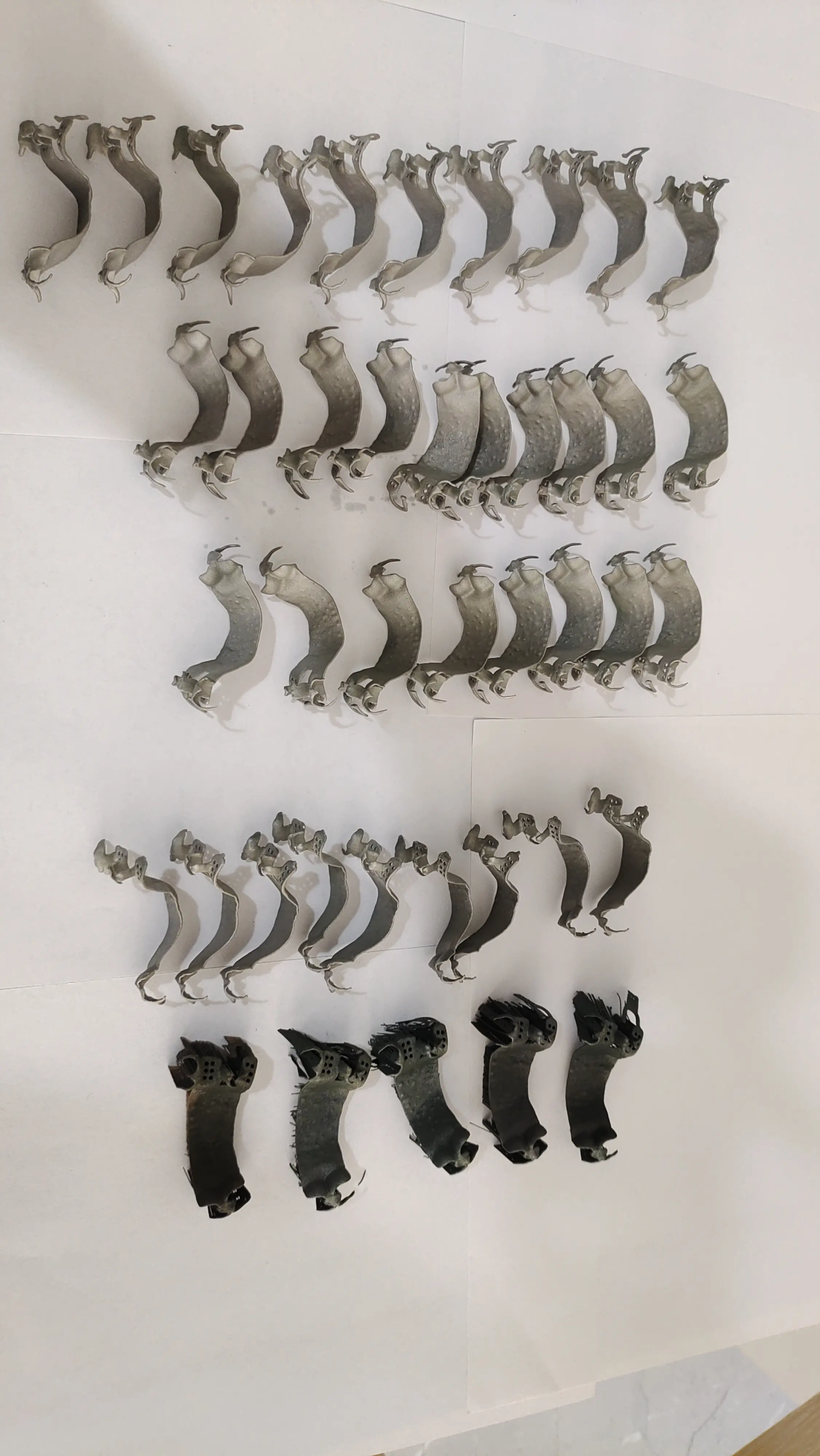
- Metal (Professional layer): Metals such as aluminum or titanium are ideal for EMI shielding and enhanced durability. Greglight’s SLM (Selective Laser Melting) Printer Performs excellent here, ensuring seals with thermal management characteristics, over-fenced courses.
3. Print components
- Plastic settings:
- Layer height: 0.1-0.15 mm
- Fill: 50% capability mode (reduce vibration)
- Support: Required for overhang > 45°.
- Industrial grade printing: For mission-critical parts (e.g., impact racks), use Greglight’s Metal 3D Printing Service. Post-treatment options such as polishing or powder coating eliminate printing lines that destroy sound waves.
4. Electronic components
- Core Components:
- Capsules: element (budget) or condenser (studio level).
- Preamplifier: JFET-based impedance matching circuit.
- Connector: XLR jack is used to balance the output.
- wiring: Shielded cables and all components on the ground to minimize buzz.
5. Testing and calibration
- Use software such as the Room EQ Wizard to measure frequency response.
- Solve FAQs:
- Hissing: Check the welded joint or add shielding.
- A dull voice: Adjust the barbecue density or capsule placement.
Improve your build with professional prototypes
While DIY printing is enough to accommodate prototypes, professional audio gears need precision. Great Resolve this gap:
- Advanced SLM printing: Create a lightweight titanium grill with microscopic level of precision to give it a sound that is not contained.
- One-stop post-processing: Smoothing, electroplating or anodizing to perfect part functions.
- Fast Market: From CAD to part in 48 hours – ideal iterative design.
Case study: Customer’s studio microphones use our aluminum printing body to reduce processing noise by 20 dB.
in conclusion
Building 3D printed microphones merges creativity with engineering, an exciting business for audio enthusiasts. It teaches valuable skills in acoustics and design while making access to parental equipment democratic. Remember that prototyping is iterative: start with affordable plastic, but for precise acoustic or commercial use, it is a partner with experts. Greglight’s rapid prototyping expertise Whether you need titanium components or quantity generation, make sure your vision becomes a functional reality. Ready to create it? Submit your design now to get a competitive offer.
FAQ
Q1: Do 3D printed microphones match commercial microphone quality?
Yes! This is possible with careful adjustment and professional metal components (for example, through SLM). Greatlight’s tolerance (±0.1 mm) ensures laboratory-level consistency.
Q2: How long does it take to print?
Plastic housing: 6–12 hours (home printer). Metal parts: 24–72 hours, industrial system with Greatlight.
Q3: Which material stops electronic interference?
Metal (aluminum, stainless steel) is the best. Greglight provides conductive coatings for plastic parts.
Question 4: Can Greatlight handle the production of small batch microphones?
Absolutely. We specialize in rapid prototyping and scalable sprints including CNC machining, polishing and quality testing.
Q5: How much weight can a plastic microphone support?
PLA holds approximately 40 kg/cm²; pet up to 60 kg/cm². For heavy capsule/impact racks, reinforce them with Greatlight’s carbon fiber composite.
About Greatlime:
As a top rapid prototyping manufacturer from China, Greatlight combines state-of-the-art SLM 3D printers with decades of CNC expertise to solve challenging metal printing production. We transfer the concept to advanced products through customized materials, post-processing and fast delivery audio engineers. Customize your precision parts →