Ultimate Adventure: Build Your Own 3D Printed RC Car Kit
Remote control (RC) cars have attracted enthusiasts for decades, but the rise of 3D printing has completely changed the space. Now no longer limited to off-the-shelf models, enthusiasts can now design, customize and manufacture RC cars that reflect their unique vision. At Greatlight, we specialize in bridging imagination and reality with advanced rapid prototyping – projects like making custom 3D printed RC cars are easier to access and innovative than ever.
Why make 3D printed RC cars?
- Unparalleled customization:
Design everything from chassis geometry to aerodynamic body panels. 3D printing allows you to adjust gear ratio, suspension stiffness, or weight distribution for optimal performance. - Quick iteration:
Test, break and improve parts. 3D printing can be redesigned quickly – no waiting for factory orders. - Cost-efficiency:
Printing non-critical parts, such as wheels or mounts, saves money, while outsourcing complex metal components ensures durability without a significant investment.
Step-by-step construction process
1. Design and preparation
- software: Use CAD tools (for example, free options like Fusion 360, SolidWorks, or Tinkercad). Optimize printable design: Avoid overhangs, add rounded corners for strength, and hollow components to save weight.
- File settings: Use Cura or Prusaslicer to slice the model. Recommended settings:
- Layer height: 0.1-0.2 mm for details.
- Filling: 20–40% of structural parts; 80–100% of gears.
- Support: Crucial to complex angles (e.g., shock absorbers).
2. Material selection
- PLA/ABS: Great for lightweight body shells and non-pressure parts.
- PETG/Nylon: Very suitable for impact-resistant components such as suspension arms.
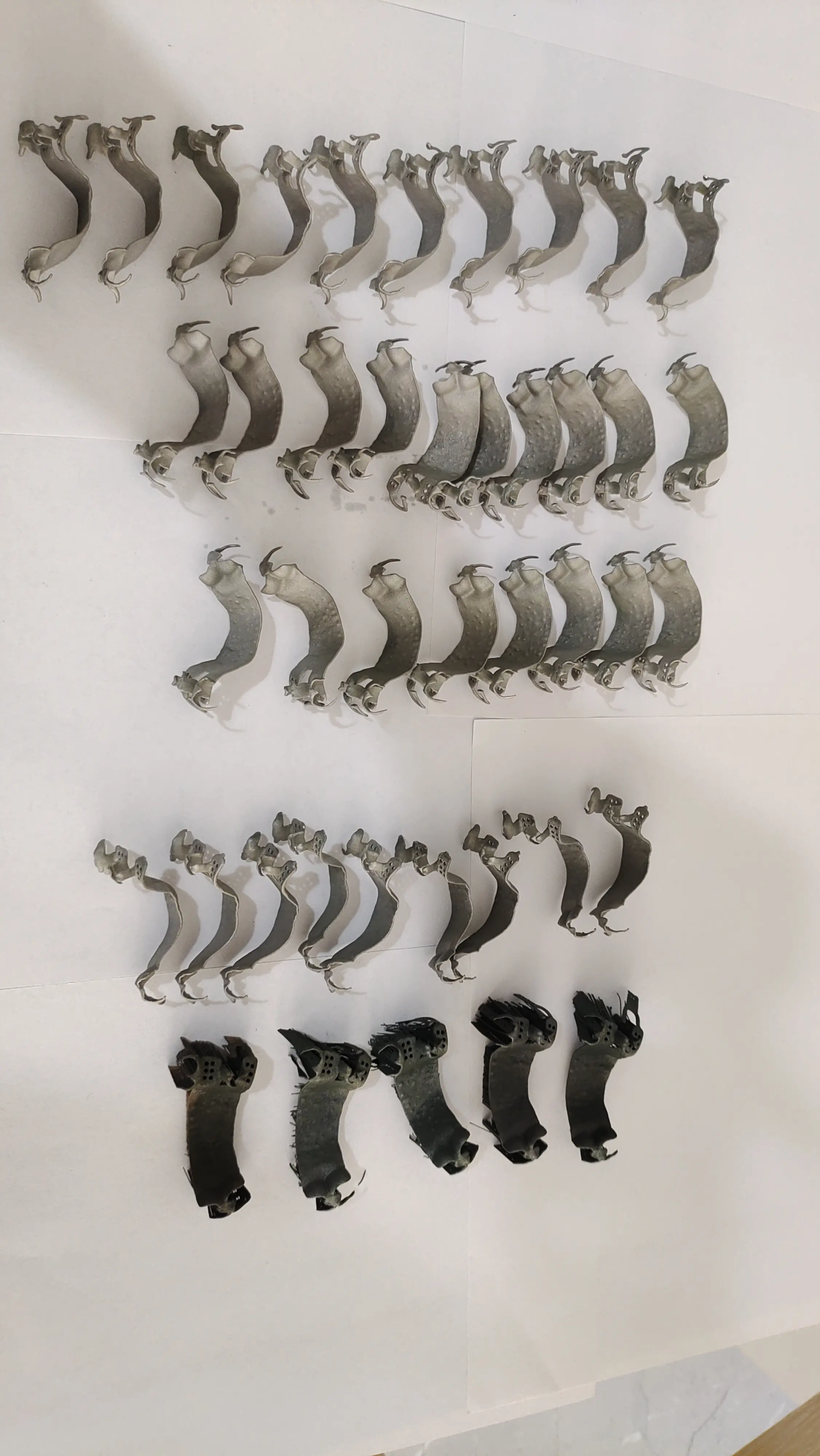
- Metal alloys (aluminum, titanium): Necessary for driving high-pressure parts such as trains or motor brackets. These require industrial grade SLM (Selective Laser Melting) printers (professional by Greatlight) to ensure precision and heat resistance.
3. Printing and post-processing
- print: Make sure the bed adheres (using glue sticks or rafts) and monitors warping.
- Grinding/polishing: Smooth layer lines with sandpaper (120-400 particle size) or chemically smooth.
- Professionally completed:For metal parts, Greatlight offers CNC machining, heat treatment and corrosion-resistant coatings for improved durability.
4. Assembly and electronic equipment
- Key components:
- Motor (brushless speed, for torque).
- ESC (electronic speed controller).
- Lipo battery (7.4V for beginners; 11.1V for advanced version).
- Servo (for steering) and radio systems.
- For prompts: During the design period, brass threads in printed parts are embedded to achieve screw stability.
5. Test and tweak
Perform incremental testing:
- Check wheel alignment and suspension travel.
- Monitor motor/ESC temperature; add a radiator if needed.
- Adjust the gear grid to reduce friction.
Technical challenges and solutions
- Warp/Thin layer: Use a casing and a heated bed. For critical parts, SLM technology from Greatlight eliminates warping.
- Vibration fatigue: Reinforce the joint with a carbon fiber rod or switch to a metal part.
- Thermal management: Metal motors are installed to dissipate heat better than plastics to make these products available to professionals.
Why collaborate with RC-built Greatlime?
It’s not just the manufacturers that are great. We are your prototype partner. Here is how we improve our RC project:
- Advanced SLM 3D Printing: Produce complex, lightweight metal parts with internal cooling channels or lattice structures to maximize strength to weight ratio.
- One-stop organization: From heat treatment to anodizing or painting that removes powder and relieves pressure.
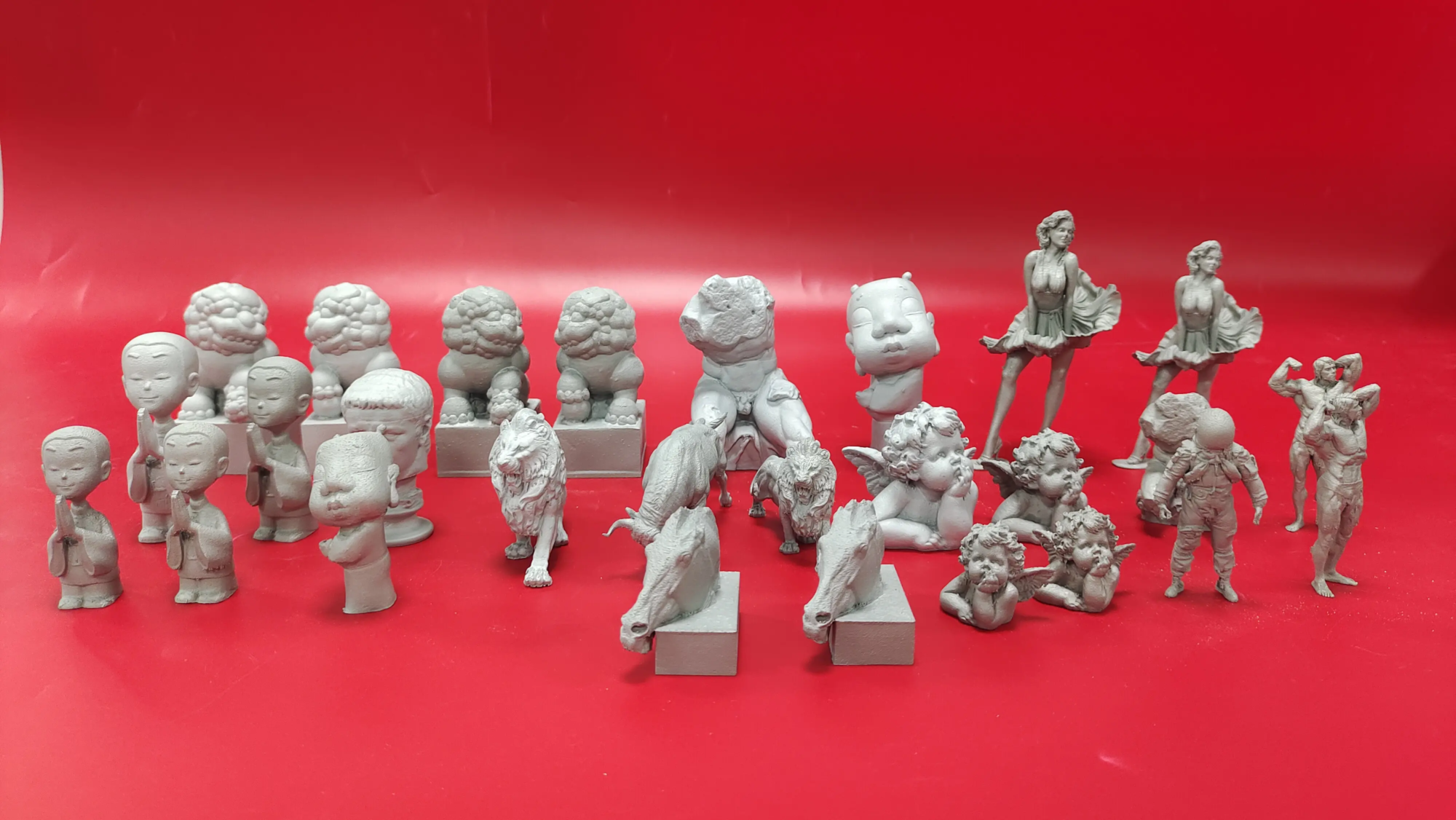
- Rare to reality speed: Most metal prototypes ship within 3-5 days, even for custom alloys like Maraging Steel or Inconel.
- Accurate certificate: Tolerance is reduced to ±0.05 mm to ensure the moving parts are perfectly meshed.
Case study: A customer race car with a 3D printed RC car (printed by Greatlight). After more than 50 turns at 60+ mph, the wear of the part is zero – in line with the alternative to professional metal printing.
The Future of 3D Printed RC Cars
The fusion of hobby creativity and industrial-grade prototypes is redefining the versatility of RC. Soon, AI-optimized design and multi-matter printing will unlock greater performance. Currently, building 3D printed RC cars is still an exciting way to merge engineering, artistry and speed, all accelerated by rapid prototyping.
in conclusion
Build 3D printed RC cars to blend old-fashioned hobbies and state-of-the-art technology. While desktop printers handle basic components, working with experts like Greatlight’s structural metal parts ensures reliability and innovation. This approach democratizes high-performance engineering – once incredible designs accessible. Ready to turn to the premium? Your custom RC build starts here.
FAQ: 3D Printed RC Car Kit
Q1: How much does a 3D printed RC car handle weigh?
It depends on the material and design. PLA parts can deform under force of 5–10 pounds, while metal-printed components (for example, via SLM aluminum) can withstand speeds of over 50 pounds. Use topological optimization in CAD to strengthen stress points.
Question 2: Can I print the entire RC car at home?
Some desktop printers are suitable for the body and mount, but key parts of gear or driveline elements such as gear or powertrain systems often require industrial metal printing to be durable. Greatlight handles these with perfect integration of post-processing.
Question 3: Is 3D printed RC cars cost-effective with store purchases?
For custom builds: Yes. Printing a unique design costs less than the price of a custom toolkit. Outsourcing critical metal parts to keep budget lean without sacrificing performance.
Q4: What can be achieved at the maximum speed?
With optimized aerodynamics, brushless motor and lightweight material, speeds of 60-80 mph. Metal printed components prevent failures caused by vibration at high RPM.
Q5: How does Greatlight ensure the accuracy of moving parts?
Our SLM printers use laser calibration and process monitoring. The CNC machining build can achieve a tolerance of ±0.05 mm, and then pressure offset is processed to prevent distortion.
Q6: Which material lasts the longest high pressure component?
Nylon or carbon fiber wires are suitable for moderate pressure, but for life, choose metal: aluminum 6061 (lightweight) or 17-4PH stainless steel (extreme hardness). Both can be printed via Greatlight’s SLM service.
Question 7: Get the speed of custom parts from Greatlight?
Simple design ships within 3 days; complex geometric shapes take 5-7 days. An expedited selection is available.
Question 8: Do I need design skills to get started?
not necessarily. Start with open source RC designs such as online communities. Greatlight also provides design consultation for part optimization before printing.
Turn your RC vision into reality Great– Prototype expertise fits in the passion of racing. Customize your high-performance parts now.