Unleash your creativity: build custom Gundam models with 3D printing
The Gundam Universe has captivated fans for decades with its intricate designs and futuristic storytelling. While assembling prefabricated model kits (Gunpla) is extremely satisfying, true enthusiasts crave something more: creations tailored to their vision. 3D printing is a revolutionary technology that is changing the way enthusiasts design, prototype and build truly unique Gundam models. This is no longer just a plastic kit; It’s about the art of designing personalized mecha with a precision and flexibility once thought impossible.
Customized Gundam Revolution Powered by 3D Printing
Traditional Gunpla kits are great, but they limit you to the manufacturer’s design and scale. 3D printing breaks these limitations. Whether you dream of designing your own mobile suit from scratch, modifying an existing RX-78-2 into a unique variant, creating scale accessories like a beam saber or heavy weapon, or printing an impeccably detailed pilot model – additive manufacturing offers nearly unlimited potential. This technology allows you to go beyond assembly and into real create.
Custom Gundam Workflow: From Concept to Shelf Display
Building a custom Gundam via 3D printing involves a structured and creatively liberating process:
- Conceptualization and 3D modeling: This is the blueprint stage. Using CAD software such as Fusion 360, Blender or SolidWorks, you can carefully design every component – armor plates, joints, limbs, weapons. The accuracy here determines the final result. Detail-oriented designers consider fit, clarity, aesthetics and structural integrity. Need inspiration? Modify an existing file repository or start from scratch.
- Material Selection: Cutting Properties and Finish: Your vision determines the materials. There are many options:
- plastic: Rigid materials such as fine resins (SLA/DLP) provide a superior surface finish for smooth armor plates. Engineering thermoplastics such as nylon (SLS) have the toughness suitable for moving joint parts.
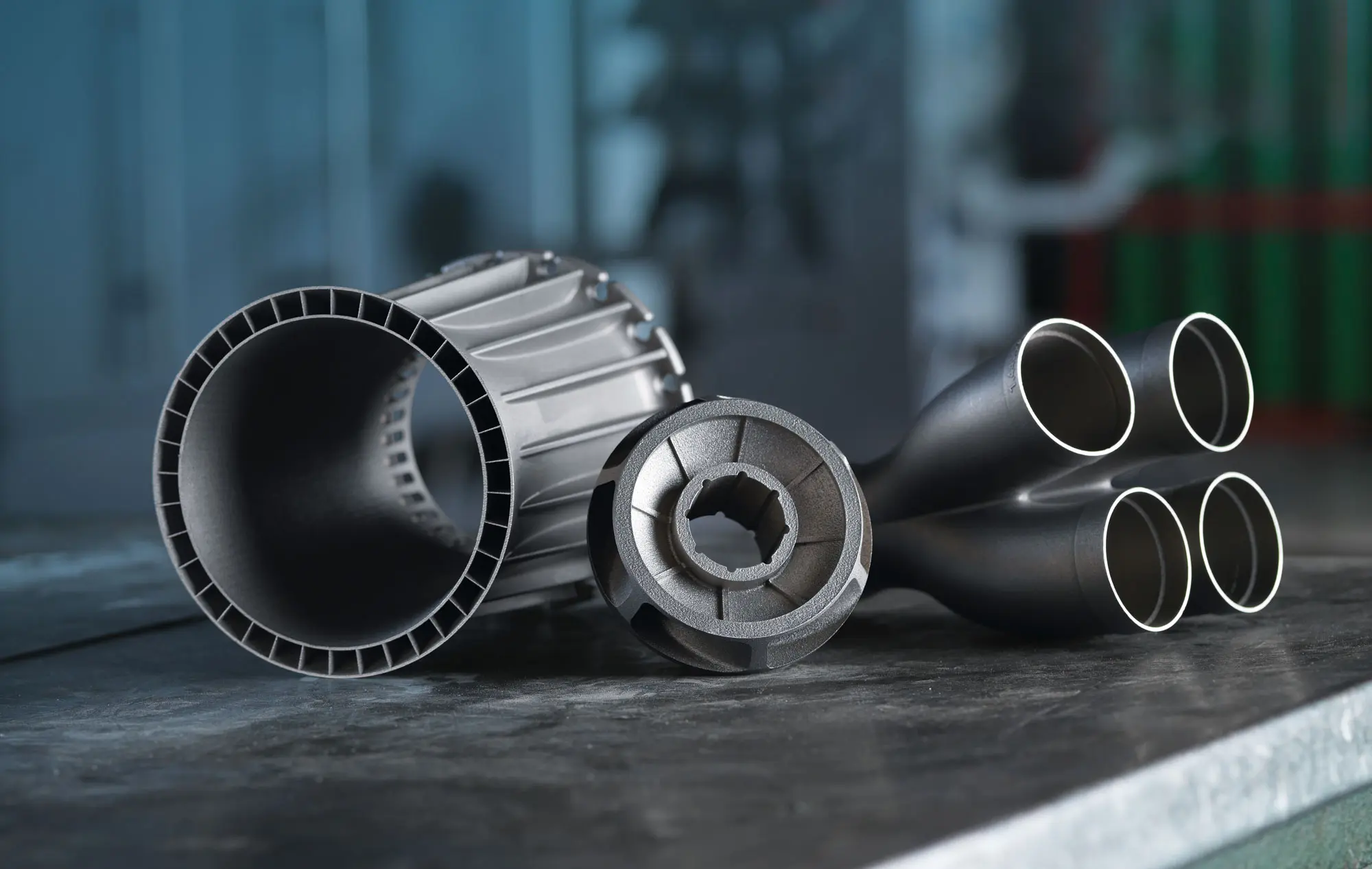
- Metal: Transitioning to metal unleashes an incredible sense of realism and power. Aluminum Alloy* Passed Selective Laser Melting (SLM) Technology produces lightweight yet strong structural components (frames, joints, complex weapons) that stand the test of time and operation. Stainless steel provides incredible durability to functional components such as thrusters.
- Advanced materials like PEKK filament bring weather resistance to those battle-damaged effects.
- Precision printing: This is where the chosen technology is very important:
- Resin printer (SLA/DLP): Delivers ultra-high resolution for smooth surfaces and tiny details like panel lines and cockpit interiors.
- Fused deposition modeling (FDM/FFF): Accessible and cost-effective for larger structural parts and prototype iterations.
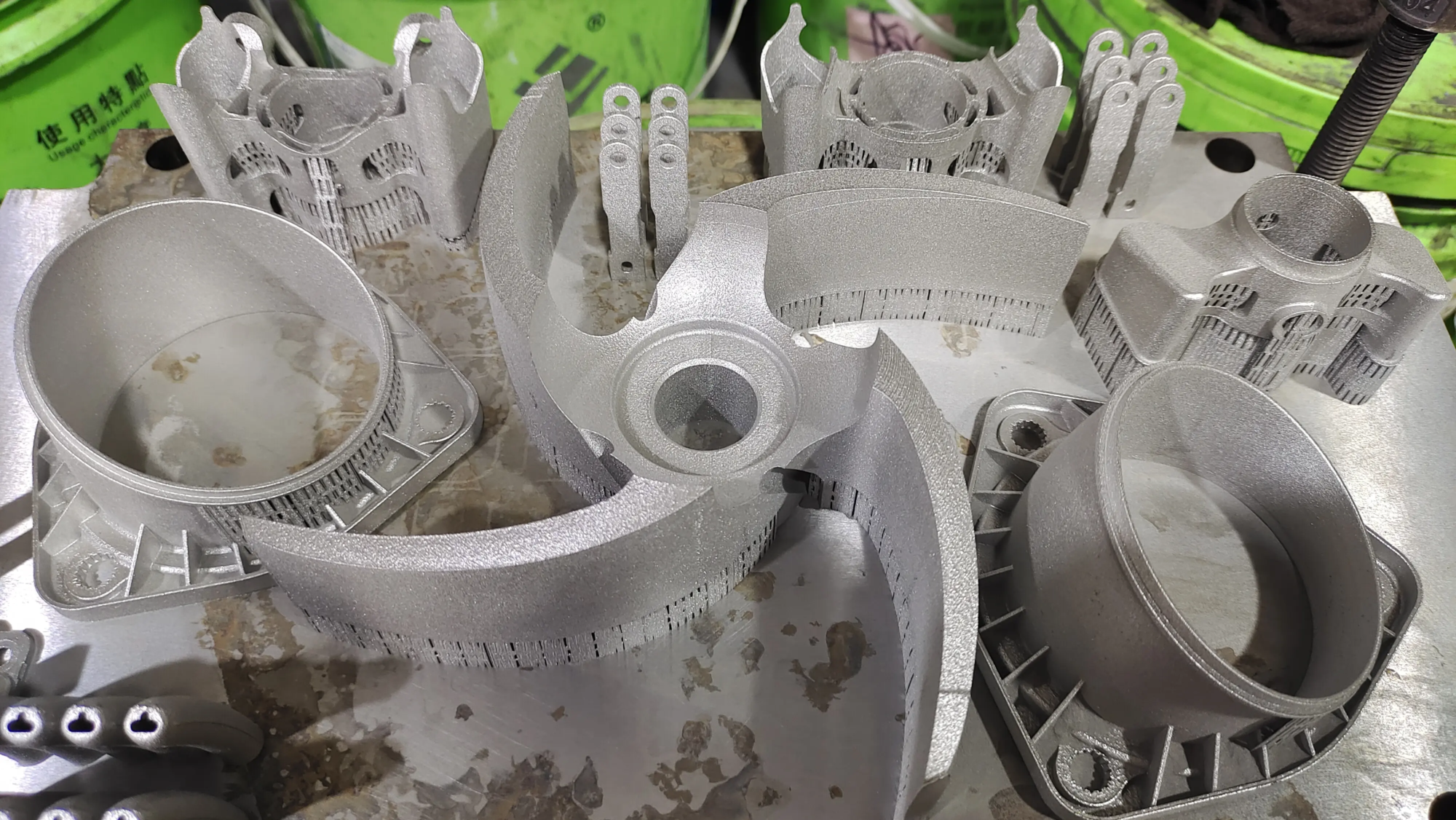
- Industrial Metal Printing (SLM): A powerful laser is used to melt fine metal powder layer by layer. This is essential for creating complex, solid metal skeletons, joints, weapons, or full-metal scale Gunpla models, allowing enthusiasts to realize their most ambitious concepts. Services like GreatLight focus on SLM, providing critical accuracy for complex custom projects.
- Post-processing and finishing: The original print requires refinement:
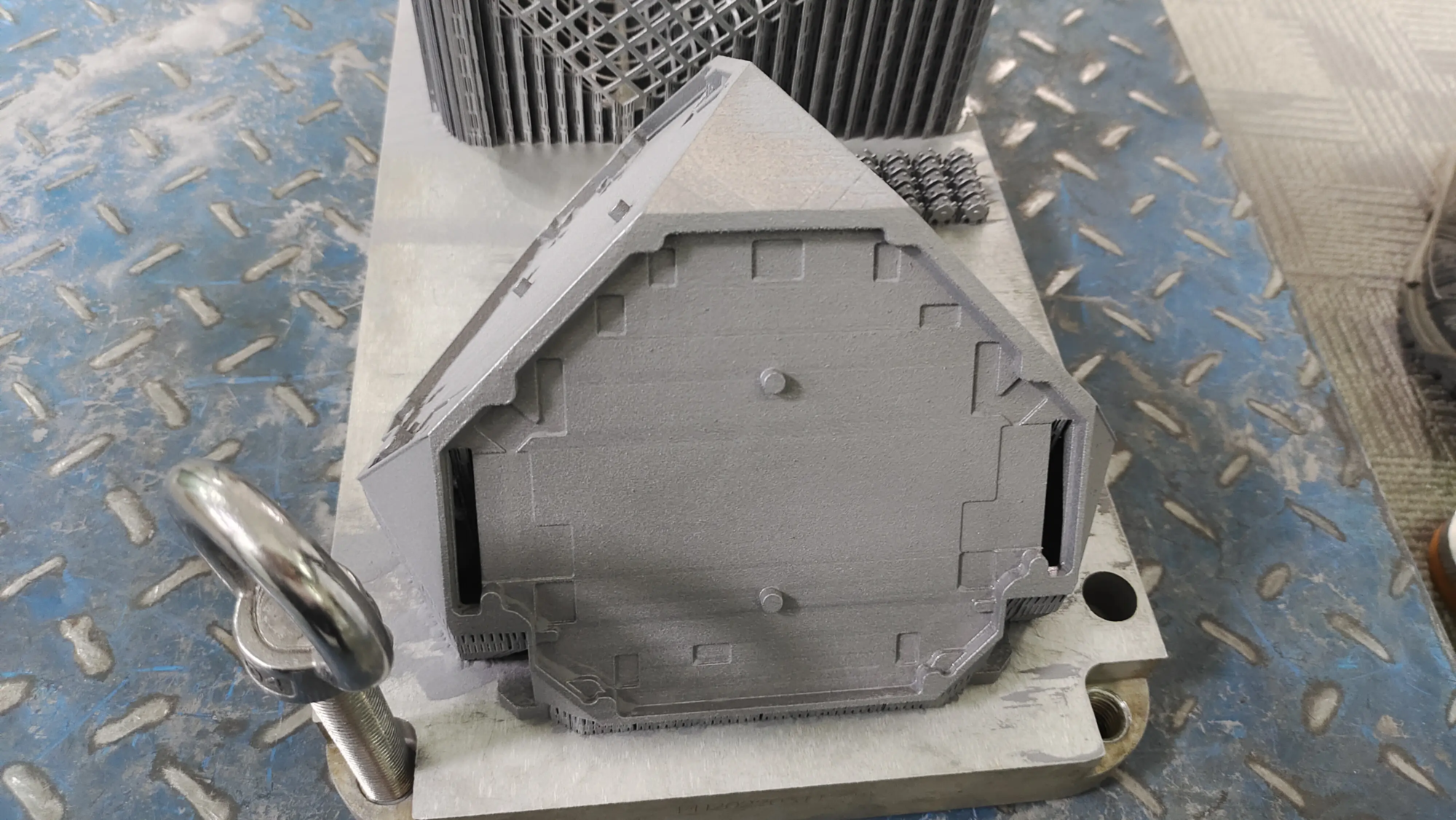
- clean: Removal of support structure (resin washed away, soluble supports dissolved, metal mechanically removed).
- Surface enhancement: Sanding and smoothing of plastic resin/resin coatings. For metal parts, precision machining*, precision sanding, polishing, steam smoothing or sandblasting result in a perfect industrial finish, ready for painting. This step converts layered prints into seamless components.
- Painting and details: Primer, custom spray paint, decal application, panel lining, dry brushing, weathering – art brings the mech to life. Getting the perfect Jean Crimson or Federal White takes skill.
- (Optional) Assembly and Articulation: Integrated adhesive connections, screws, magnets, etc. ensure mobility.
- Assembly and pose: Moment of truth! Assemble carefully crafted components into your unique mobile suit, test the joints, and display it proudly.
**Highly complex metal parts often benefit from post-SLM printing processing. This ensures excellent dimensional tolerances, smoother mating surfaces and higher aesthetic quality. *
Why work with a professional service provider?
Creating museum-quality custom gunpla models, especially those containing metal parts, requires resources:
- Rights of use: Industrial-grade SLM metal printers are expensive.
- Expertise: Optimizing designs for printability requires deep additive manufacturing knowledge.
- tool: Comprehensive post-processing facilities (machining, polishing, coating) are essential.
- Material selection: Reliable access to a wide range of engineering-grade plastics and certified metals.
Professional rapid prototyping manufacturers bridge these gaps. company likes huge lightleveraging their expertise and advanced equipment portfolio – including high-precision SLM metal printer – Transform complex CAD designs into physical reality. They manage:
- Material guidance: Choose the best plastic/metal alloy for strength, weight, detail and final finish.
- Process optimization: Applying DFAM principles ensures perfect printing of complex geometries such as layered armor or articulated joints.
- End-to-end processing: Handling the entire workflow: slicing, printing, meticulous cleaning/removal, industrial-grade metalworking/finishing* (sanding, polishing) and packaging – providing a true one-stop shop.
- Accuracy guaranteed: use