Exploring the universe within reach: building a 3D printed orrery
There’s something special about holding a miniature replica of our solar system – a mechanical marvel that reflects the planets dancing around the sun. one Orrery More than just a decorative piece; it’s a gateway to the timeless wonders of astronomy, engineering, and celestial mechanics. Thanks to modern 3D printing technology, hobbyists, educators, and artists alike can now create personalized orreries. But as with any complex project, success depends on precision, materials expertise and thoughtful execution. This guide will take you through the process of making your own 3D printed orrery, while highlighting how professional manufacturing services can elevate your horizons beyond the limitations of DIY.
Why choose 3D printing? The perfect match for celestial mechanics
Traditional orreries require exquisite craftsmanship, but 3D printing democratizes the process. Complex planetary gears, axles and frames (which require weeks of hand grinding) can be digitally modeled and printed layer by layer. This allows for unparalleled customization: adjust gear ratios, scale planets, and even design completely fictional solar systems. However, achieving flawless functionality requires more than just a hobbyist printer. Low-resolution prints or cheap filaments can result in misaligned gears or fragile parts that stop celestial motion before it begins.
Your step-by-step guide to building
1. Design stage
Start with CAD software (Fusion 360, TinkerCAD), or leverage open source models from platforms like Thingiverse. Focus on:
- Gear tolerance:Planetary motion requires sub-millimeter accuracy. Gears are designed with 0.2–0.5mm clearance to prevent sticking.
- Modular: Split the model into printable parts: base, center shaft, planetary arms, and gears.
- Scale accuracy: Determines the size of a planet relative to its orbital distance (for example, Jupiter is significantly larger than Mercury).
2. Material selection
Not all plastics are fit for the universe:
- People’s Liberation Army: Best for beginners—easy to print, but prone to warping.
- polyethylene terephthalate: Tougher and heat-resistant, allowing for smoother gear interaction.
- Resin: Used for ultra-fine details, but with reduced durability.
- Metal: Ideal for carrying shafts and gears (more information below).
3. Print agreement
- Floor height: Gear tooth refinement ≤0.1mm.
- filling: Structural integrity 40–80%, higher adaxially.
- support structure: Crucial for overhangs (e.g. Saturn’s rings).
4. Perfect post-processing
Printed parts rarely work "Get out of bed":
- Sanding: Polish gears and joints to reduce friction.
- lubricating: Apply silicone grease to rotating parts.
- assembly: Use brass bushings or bearings at pivot points.
- aesthetics: Paint the planets in acrylics or apply a metallic finish.
When DIY reaches its limit: Work with the pros
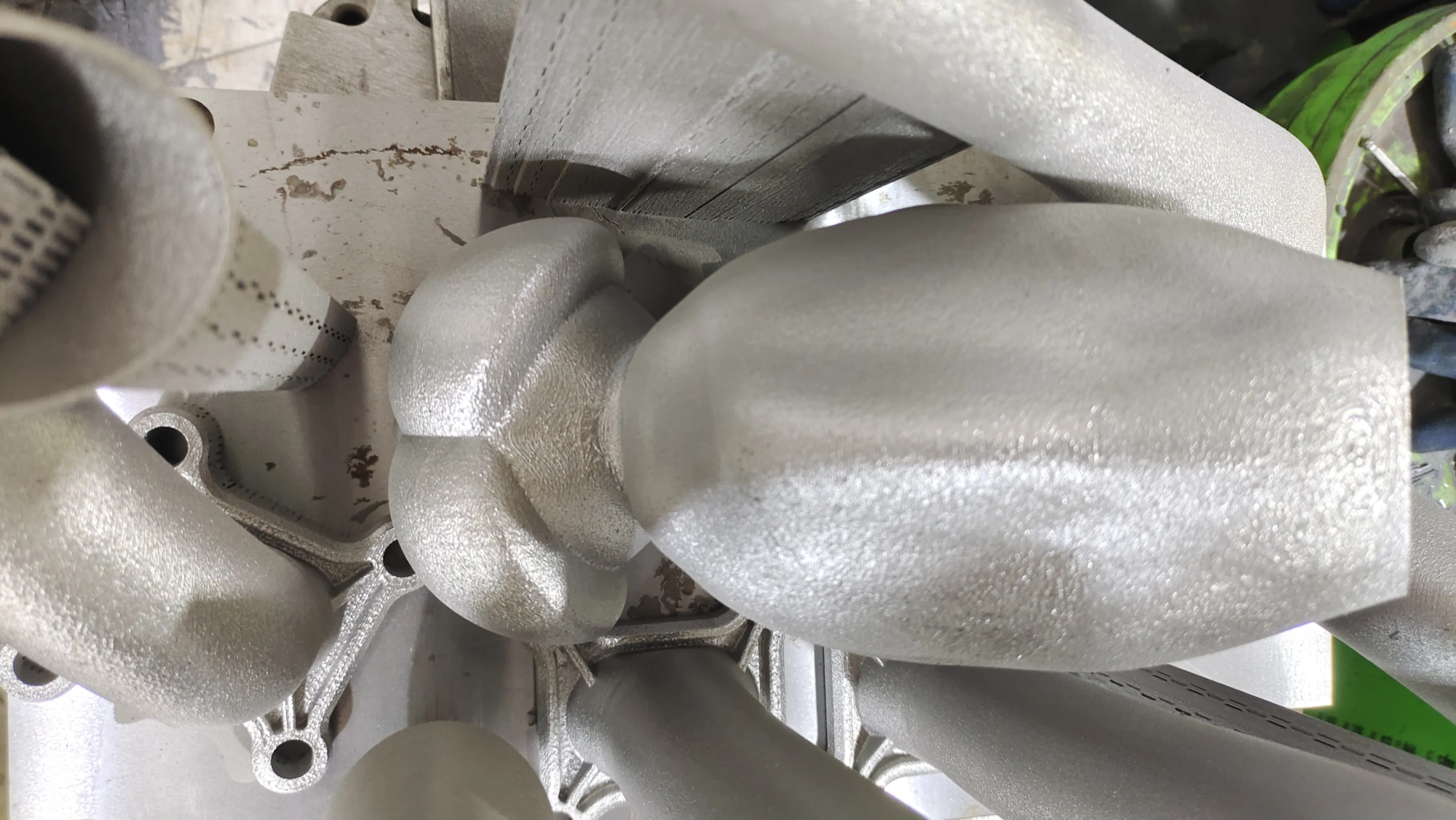
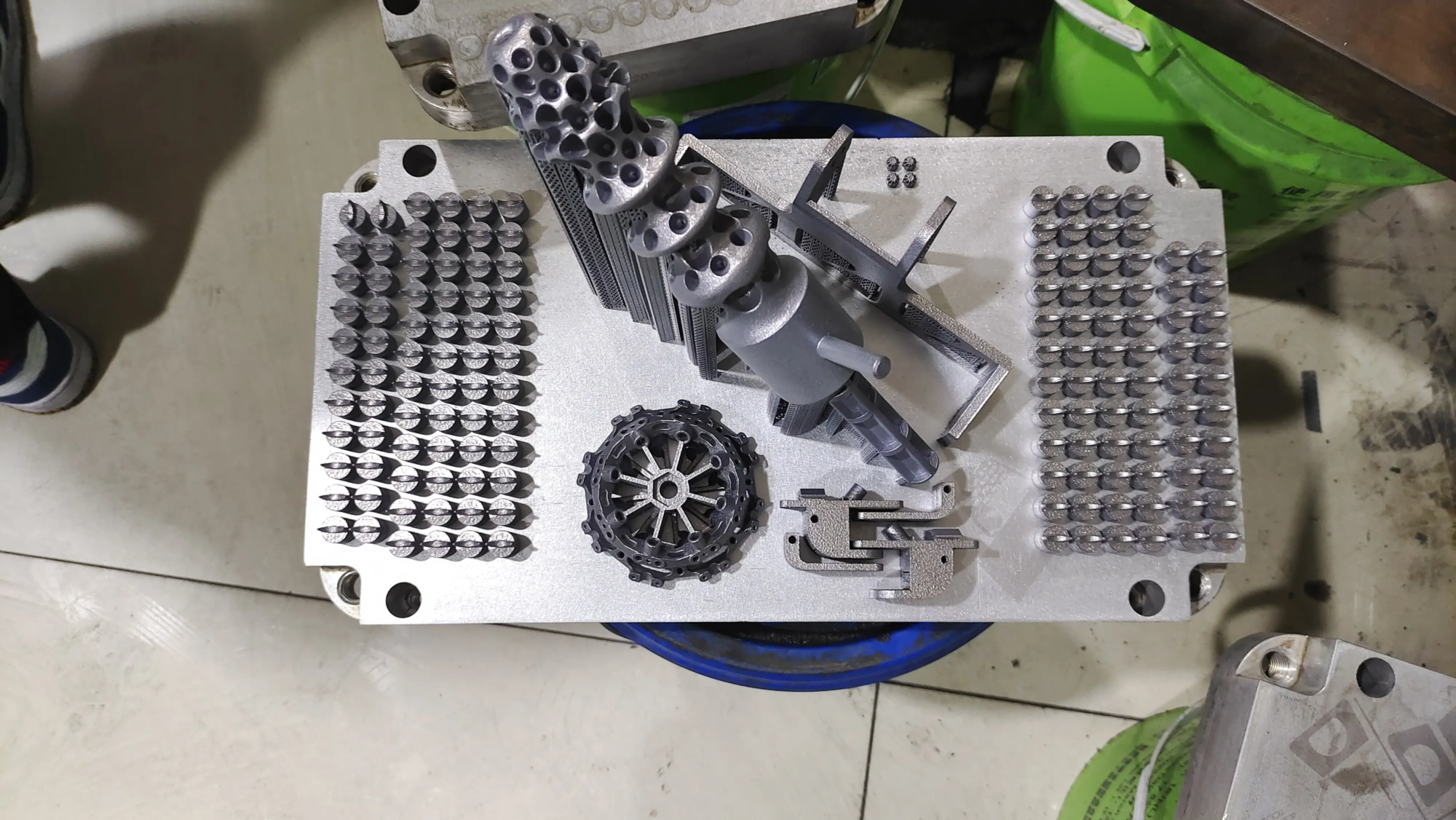
While a desktop printer is sufficient for prototyping, Functional or durable orrery Often stuck without industrial-grade precision. This is where professional rapid prototyping services shine. At GreatLight we deploy SLM (Selective Laser Melting) 3D Printer Create stainless steel, titanium or aluminum parts using:
- Sub-30 micron accuracy for frictionless gear systems.
- Internal cooling channels minimize thermal distortion.
- CNC machining, polishing and other post-processing.
Whether you need planetary gears that won’t fall off after 100 revolutions or a bronze-plated sun badge, we can turn astrophysics models into heirloom-quality pieces.
Beyond PLA: Metal revolutionizes orrery lifespan
Plastic orreries are susceptible to UV degradation and gear wear, but metal can turn them into lifelong display pieces:
- Stainless steel: Corrosion-resistant, able to withstand weight imbalance.
- brass: Self-lubricating properties reduce manual maintenance.
- titanium: Feather-light yet stronger than steel – perfect for complex frames.
GreatLight uses an EOS M290 SLM printer to machine the alloy, optimizing the topology to save strength and weight. For the commission, we digitally simulate gear interactions to prevent real-world failures.
Conclusion: Your universe, crafted with care
Building a 3D printed orrery blends art, science, and engineering, and the work is both rewarding and challenging. Still, the leap from squeaky plastic prototypes to silky-smooth metal-enhanced wonders still requires industrial muscle. Work with a rapid prototyping expert to ensure your microcosm runs flawlessly for generations.
At GreatLight, we blend tradition with future technology. From prototype verification to surface anodization, our end-to-end solutions meet the needs of hobbyists, universities and exhibition designers. Seeking perfection? Customize your celestial model with us—a combination of aerospace-grade precision and cosmic inspiration.
FAQ: Navigating Your Orrery Project
Q: Can I 3D print an entire orrery at home?
A: For simple models, yes, but complex kinematics often require professionally printed metal gears/shafts. Hybrid construction (plastic planets + metal internals) provides balance.
Q: How much does a metal printed orrery cost?
A: Prices vary by size and alloy. Stainless steel gear assemblies start at about $80; all-titanium solar systems cost more than $300. We provide instant quotes for uploaded designs.
Q: What is the biggest design flaw in DIY orreries?
Answer: The bearing surface size is too small. Without precise holes/bushings, friction can steal momentum. Use our SLM printed brass sleeves for rotation control.
Q: Can GreatLight handle post-assembly finishing?
Answer: Of course. We sandblast metal parts for a matte cosmic vibe, electroplat them in gold/silver, or apply a protective coating to prevent tarnishing.
Q: How do I accurately scale an orrery?
A: Share your design goals! We adjust the orbital ratios of the STL files and even incorporate real ephemeris data (eg, to recreate Jupiter’s 11.9 Earth-year orbital period).
Combining curiosity with industrial strength. Visit GreatLight.com to design the sky—one orbital layer at a time.