the reality behind "3D printing gun": Technology, legality and responsible manufacturing
The concept of a fully functional, durable 3D printed AR-15 rifle circulating online has captured the imagination and demonstrates the potential limits of additive manufacturing. As leaders in rapid prototyping, we huge light Learn about the fascinating capabilities of advanced 3D printing technologies and the critical importance of using them responsibly and legally. This blog aims to demystify the hype surrounding "3D printed gun," Separate technological possibilities from practical realities, navigate the treacherous waters of legality, and highlight legitimate, transformative applications of high-precision metal additive manufacturing.
Understanding the technology: Beyond the plastic hype
Viral image of a plastic AR-15 you can print at home dramatically simplifies reality:
- Material restrictions: Entry-level filament (FDM) printers create objects using thermoplastics such as PLA or ABS. These materials lack the structural integrity, heat resistance, dimensional stability and toughness required for critical firearm components. When a plastic receiver withstands the stress and heat of shooting, even a single bullet is likely to break, deform, or fail catastrophically, posing great danger to the user.
- Basic metal parts: Even if the plastic receiver miraculously holds together (which it won’t in reality), important components such as the barrel, bolt carrier group, firing pin, and spring must Made of high-strength metal alloy for safe operation. Plastic buckets are physically impossible. you cannot effectively "Print" Totally a functional gun.
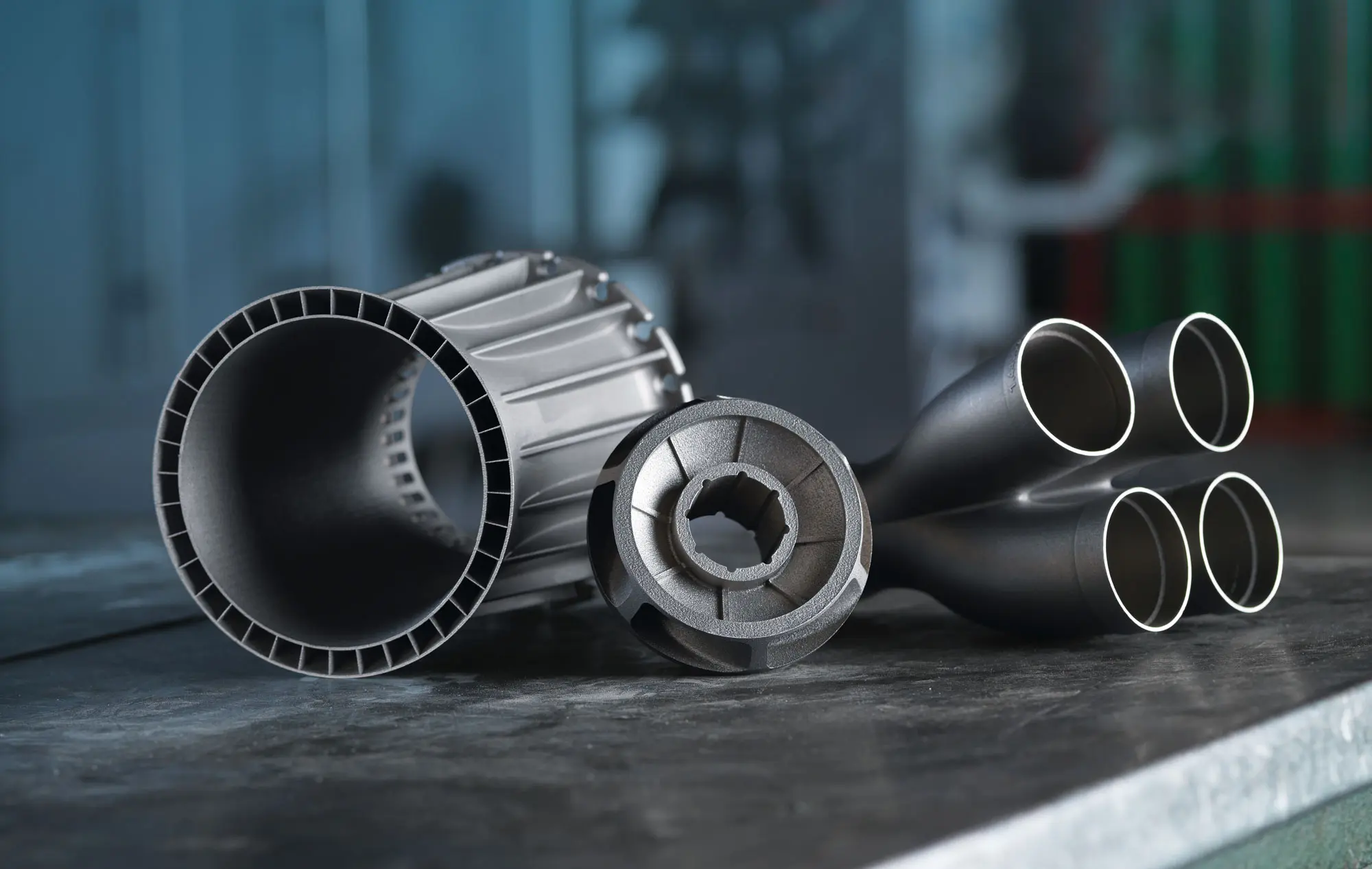
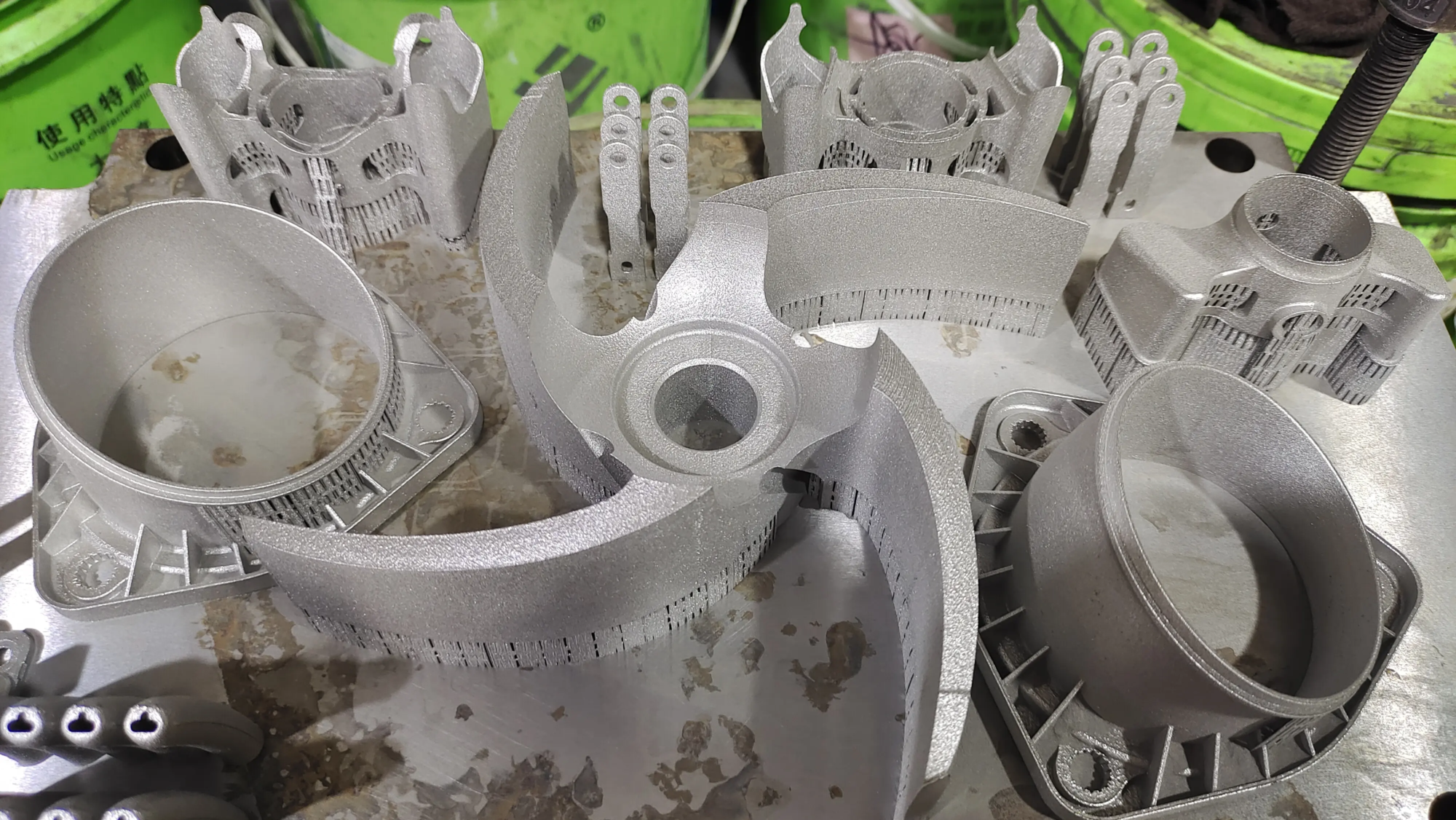
- The role of advanced metal additive manufacturing (SLM): Technology such as Selective Laser Melting (SLM) – GreatLight’s core competencies – able Produces dense, strong metal parts comparable to forgings. Metals such as tool steels (such as H13), maraging steels, titanium alloys (Ti6Al4V) and specialized nickel alloys provide the required strength, fatigue resistance and thermal properties.
- However: Printing complex firearm components such as barrels or bolt carriers using SLM requires extremely high expertise in design for additive manufacturing (DfAM), parameter optimization, meticulous post-processing (stress relief, hot isostatic pressing – HIP – precision machining) and strict quality control to achieve structural integrity. This is well beyond the capabilities of amateurs and beyond the scope of casual printing.
- Durability and longevity: If the machining is not perfect, even professionally printed metal parts may exhibit different failure modes or reduced service life than conventionally manufactured parts due to underlying internal porosity or residual stresses. Reliability is crucial to a firearm, and achieving this even with production SLM parts requires extensive verification testing that cannot be replicated by a single enthusiast.
Legal Minefield: Navigating Federal and State Regulations
In addition to the huge technical obstacles, there is also an extremely complex legal environment:
- Undetectable Firearms Law (1988): Federally prohibited from making, possessing or transferring Any firearm that cannot be detected by a walk-in metal detector or whose major components do not produce an accurate image on a standard airport X-ray machine. Most plastic guns inherently violate the act.
- Gun Control Act (GCA) and National Firearms Act (NFA): These define controls on the manufacture, sale and ownership of firearms.
- license: Make firearms Sale or distribution requires a Federal Firearms License (FFL)especially the Type 07 manufacturer’s license. Strict regulations govern production, labeling and record keeping. Simply printing unserialized lower receivers privately is going down a dangerous path.
- Frame or receiver: This core serialization component yes It is considered a firearm by law in the United States. Making your own frame/receiver, whether by machining or printing, comes with complex regulations depending on ATF’s intentions and definition updates.
- Ghost gun: Recent ATF rule changes target privately manufactured firearms (PMFs), commonly known as "ghost gun," As they lack serial numbers and are difficult to trace. These regulations impose restrictions on the sale of unfinished frames/receivers (often misleadingly advertised as "80% kit") and technically extends serialization requirements to home-made frames/receivers intended for sale (although private manufacturing for personal use currently faces legal challenges). State laws (e.g., California, New York, New Jersey) are generally much stricter.
- State Law: Many states have enacted their own laws prohibiting or severely restricting the manufacture, possession, or transfer of unserialized firearm parts ("ghost gun"). Ignorance of these laws is no defense.
IANAL (I am not a lawyer): This blog is not legal advice. Gun laws are incredibly complex and continually evolving at both the federal and state levels. Anyone considering manufacturing firearm components, regardless of method, must consult with qualified legal counsel specializing in firearms law to understand their specific obligations and potential felony liability.
Ferrite’s Commitment: Responsible Innovation in Metal Additive Manufacturing
Where does GreatLight fit into this complex picture? Firm adherence to law, ethics and areas of transformative innovation.
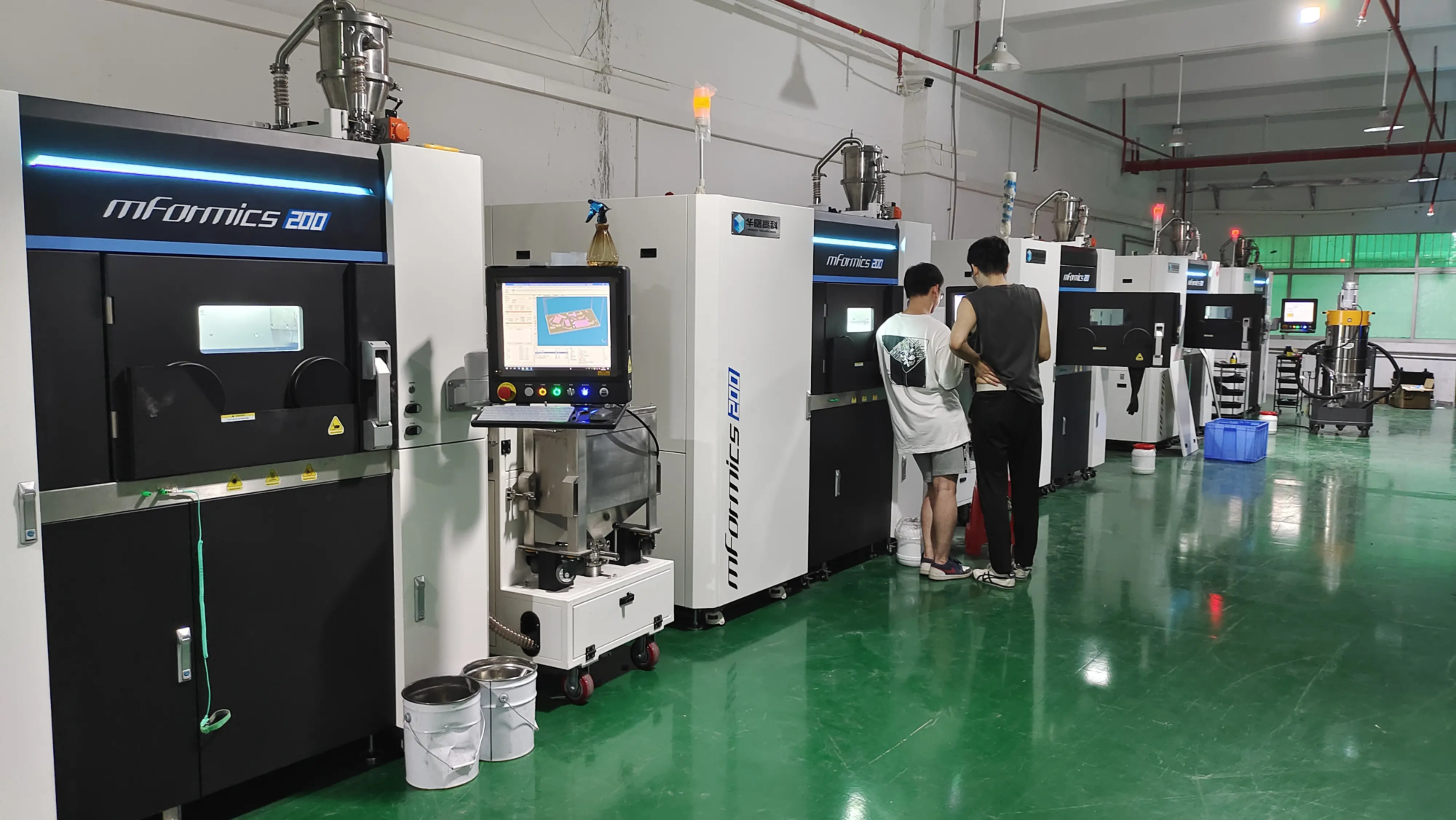
As a professional rapid prototyping manufacturer with advanced technology SLM 3D printer With our extensive expertise in metal production technology, we provide solutions for industries where breakthrough performance and precision are critical:
- aerospace: Lightweight, complex structural components are proven to withstand demanding flight conditions.
- Medical: Patient-specific implants require biocompatibility and high strength.
- Cars/Racing: Advanced cooling ducts, lightweight brackets, special tools.
- vitality: Heat exchangers, turbine components optimized for efficiency and durability.
- Industrial: Complex jigs, fixtures and replacement parts for high wear environments.
- Research and development: Rapidly iterate on functional metal prototypes under extreme stress or unique geometries.
Our processes ensure quality:
- Expert DfAM: Design parts specifically optimized for strength, thermal management and manufacturability in SLM.
- Materials expertise: Procurement and processing of high-grade metal powders (stainless steel, tool steel, titanium, Inconel, aluminum).
- Precision SLM printing: Use advanced machines to build near-net-shape parts layer by layer.
- Comprehensive post-processing: Includes stress relief, HIP (Hot Isostatic Pressing), precision CNC machining, heat treatment, EDM wire cutting and meticulous surface finishing to achieve tight tolerances and critical performance.
- Strict quality assurance/quality control: Non-destructive testing (X-ray, CMM, dye penetrant) to ensure integrity and dimensional accuracy.
Conclusion: Use technology responsibly
random concept "Build your own 3D printed AR-15" Being at home is largely a dangerous fantasy fueled by misinformation and often driven by nefarious intentions. Using barrier-free printers presents significant technical challenges in terms of material strength, heat resistance, and component reliability, and poses serious safety risks. Commercially printed parts cannot circumvent established firearms laws.
Additionally, the legal environment surrounding the manufacture of firearm components (particularly frames/receivers) is fraught with federal felony-level pitfalls and significant state-level prohibitions.
exist huge lightwe responsibly harness the incredible power of industrial-grade Selective Laser Melting (SLM) technology. We specialize in driving legitimate innovation in aerospace, medical, automotive and countless other areas where high-performance, complex metal parts drive progress. We provide precise rapid prototyping and production solutions, backed by expert engineering and rigorous quality processes to ensure reliability and compliance for critical applications.
Choose innovation responsibly. Leverage advanced manufacturing to make progress.
FAQ: 3D Printing, Firearms, and GreatLight Services
-
Q: Can you 3D print an entire working rifle?
- one: No, it’s not safe or legal. Plastic printed parts lack the strength and heat resistance needed for functional gun parts. Even critical metal parts printed using advanced SLM require extensive expertise, post-processing and reliability testing – well beyond the capabilities of amateurs and often impossible to replicate privately. Bucket, BCG vaccine, etc., in short must It’s regular metal.
-
Q: Can GreatLight print firearm parts?
- Answer: GreatLight strictly prohibits using its services to illegally manufacture or modify firearm parts. We only undertake projects that comply with all applicable local, national and international laws and regulations. Our expertise is dedicated to legal engineering, prototyping and production across approved industries (aerospace, medical, automotive, energy, etc.).
-
Q: Is it legal to manufacture a firearm for personal use (non-commercial) without a license?
- one: While federal law technically allows individuals to manufacture in some cases, This is an extremely complex and dangerous area: Recently changed ATF rules that may require serialization of home-built frames/receivers and limit parts kits have had a significant impact on this situation. A major federal law (the Undetectable Firearms Act) bans plastic firearms. Many states outright ban the manufacture or possession of unserialized firearms ("ghost gun"). You must consult with a qualified firearms attorney to learn about the specific laws that apply in your jurisdiction. Assuming legitimacy is dangerous.
-
Q: So what? "80% reduction"? Is it illegal to complete one?
- one: legality "80% reduction" Recent ATF rules and enforcement actions have changed dramatically. They were treated more harshly than before. While court challenges exist, having and completing them now presents significant legal risks without a proper understanding of current ATF interpretations and state laws. State-level bans are common. This is not a security vulnerability. Specific legal advice is vital.
- Q: How durable are metal parts printed with SLM? Can they replace machined gun parts?
*