Build your own custom 3D printed network rack: where functionality meets innovation
Your network cabinets deserve better than bulky, inflexible metal racks. Whether you’re managing enterprise servers in a limited space or optimizing a home lab setup, 3D printing is changing the way we organize. Forget generic shelves – customization is here and it starts with your design.
Why use 3D printing for DIY?
Precise customization: Standard racks waste space. With 3D printing, you can carve precise dimensions for routers, switches, or patch panels. Need an angled installation for cable access? Does it support oversized hardware? complete.
Cost efficiency: Industrial racks cost hundreds or even thousands. Print with durable polymers to save money significantly. Need scalability? Print additional shelves as needed.
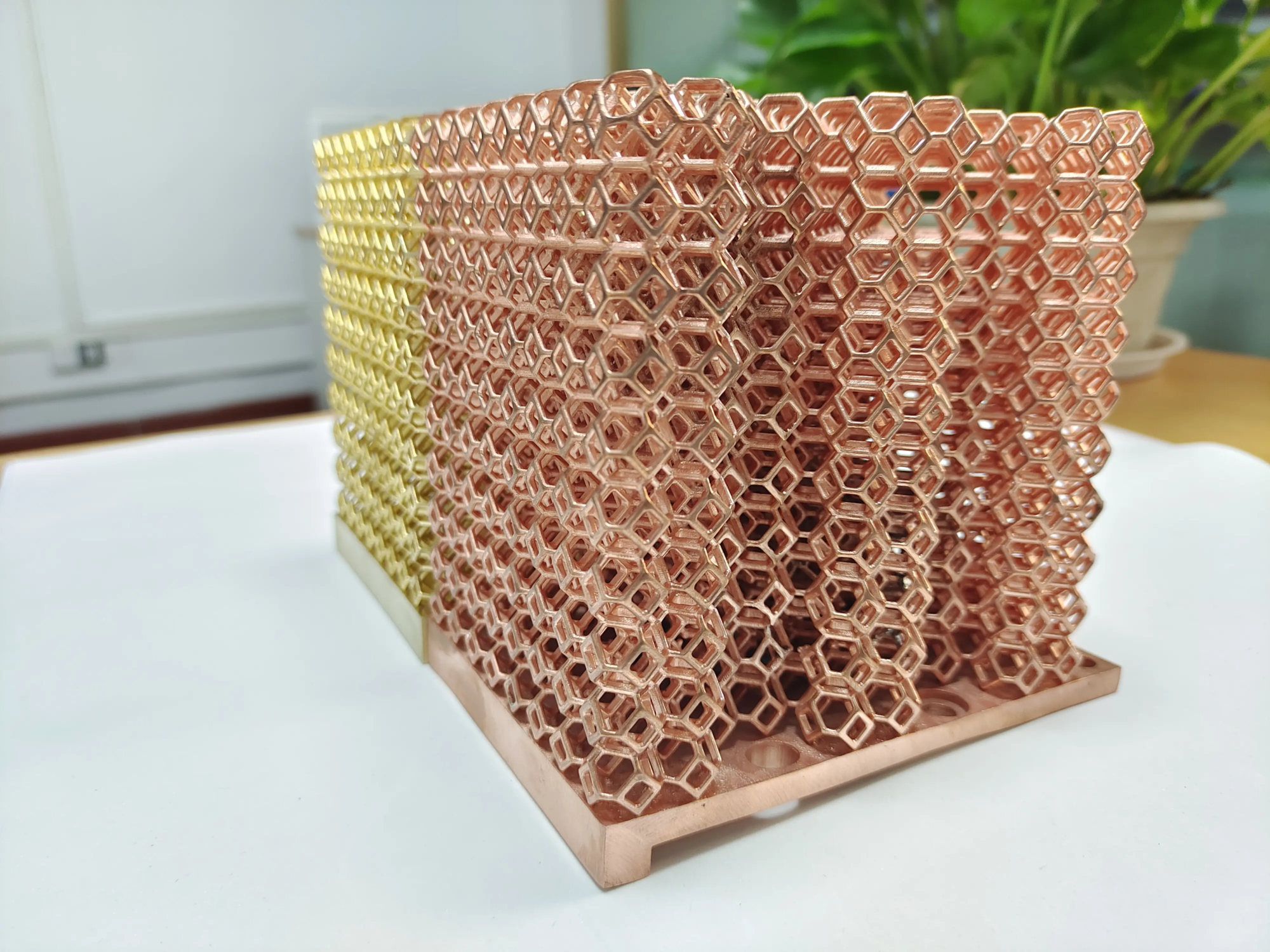
Lightweight and optimized: Functional design integrates airflow ducts, cable channels and tool-free snap-fits. Generating algorithms (like lattice structures) maximize strength while minimizing material.
Iterate quickly: Sizes will be updated overnight after adding equipment. Traditional manufacturing cannot match this agility.
Design Essentials: Beyond the Basics
Use Fusion 360 or FreeCAD for CAD modeling. Key features:
- RU Compliance: around design "rack unit" (1RU = 1.75 inches). Recessed digital caliper mount aids verification.
- Thermal management: Integrated honeycomb vents or active cooling ducts. Overheating can cause gear damage.
- Structural integrity: Simulate load distribution. Reinforce the joint with dovetails or metal inserts.
- Cable optimization: Dedicated raceways underneath the rack reduce clutter.
Design example: A 6RU rack with snap-on modules, swing-out tool tray and passive airflow channels that can be printed in just 18 hours.
Materials matter: from PLA to metal
PLA Professional Edition: Affordable and sturdy, but avoid hot environments.
Polyethylene glycol: Food safe, UV resistant and can withstand temperatures up to 80°C. Perfect for closets.
Nylon (PA12): Flexible, impact resistant and chemical resistant. For snap-on clamps.
Metal (AlSi10Mg/stainless steel): Ideal for mission-critical racks in data centers that require EMI shielding or fire protection. SLM printing ensures unparalleled durability.
Why metals perform well:
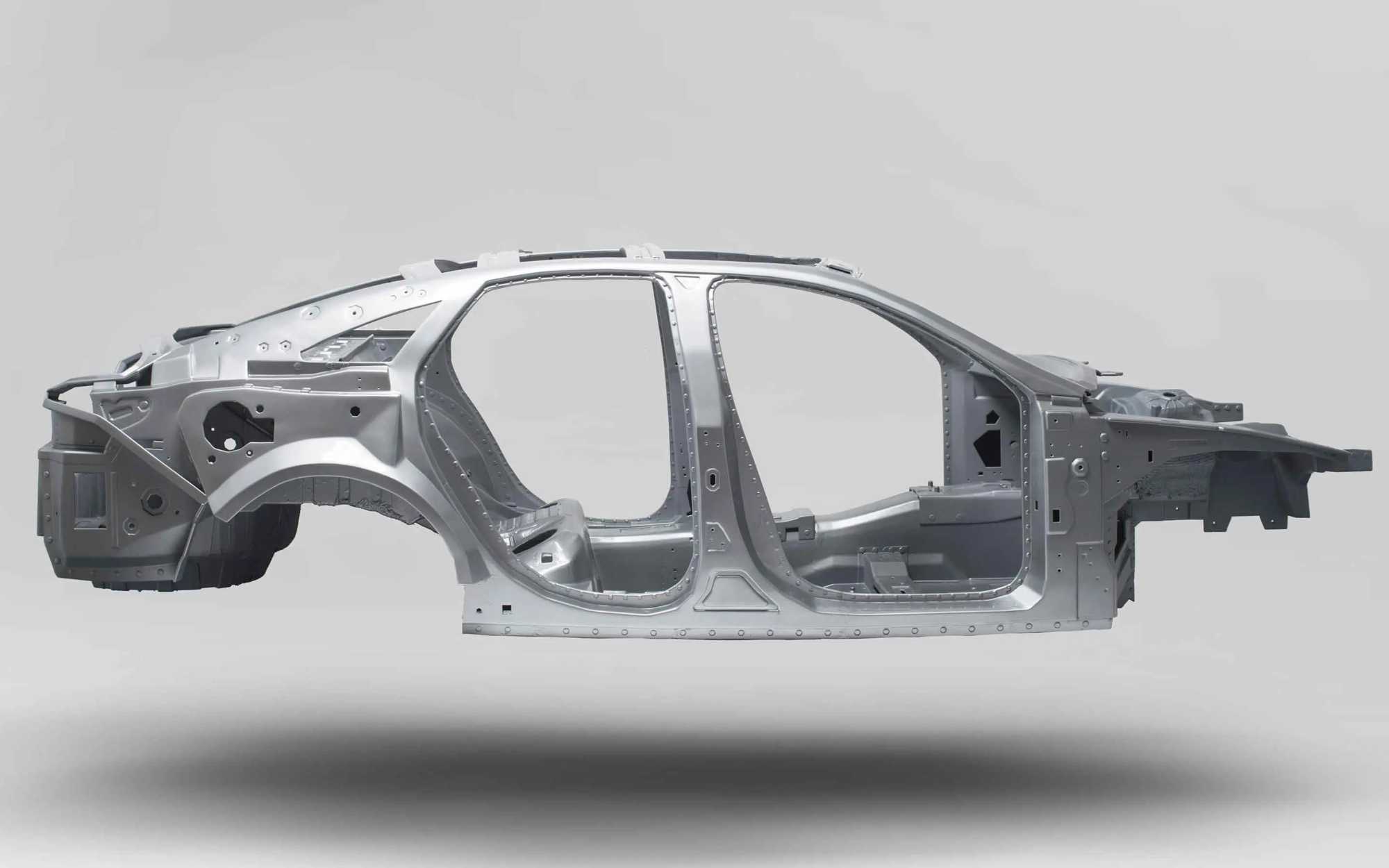
For enterprises, huge light Engineer Leverage Selective Laser Melting (SLM) Technology for 3D printing titanium frames. The finished parts undergo stress relief heat treatment and CNC polishing to a tolerance within ±0.05 mm. Ideal for seismic zones or stabilizing high vibration gears.
printing technology
FDM (Home Printer):
- Separate large racks into components that are bolted together.
- Use 30% more spiral filler and PETG at 260°C for interlayer bonding.
- Post-process with acetone to achieve gloss.
Professional SLM:
outsource to huge light? Expected:
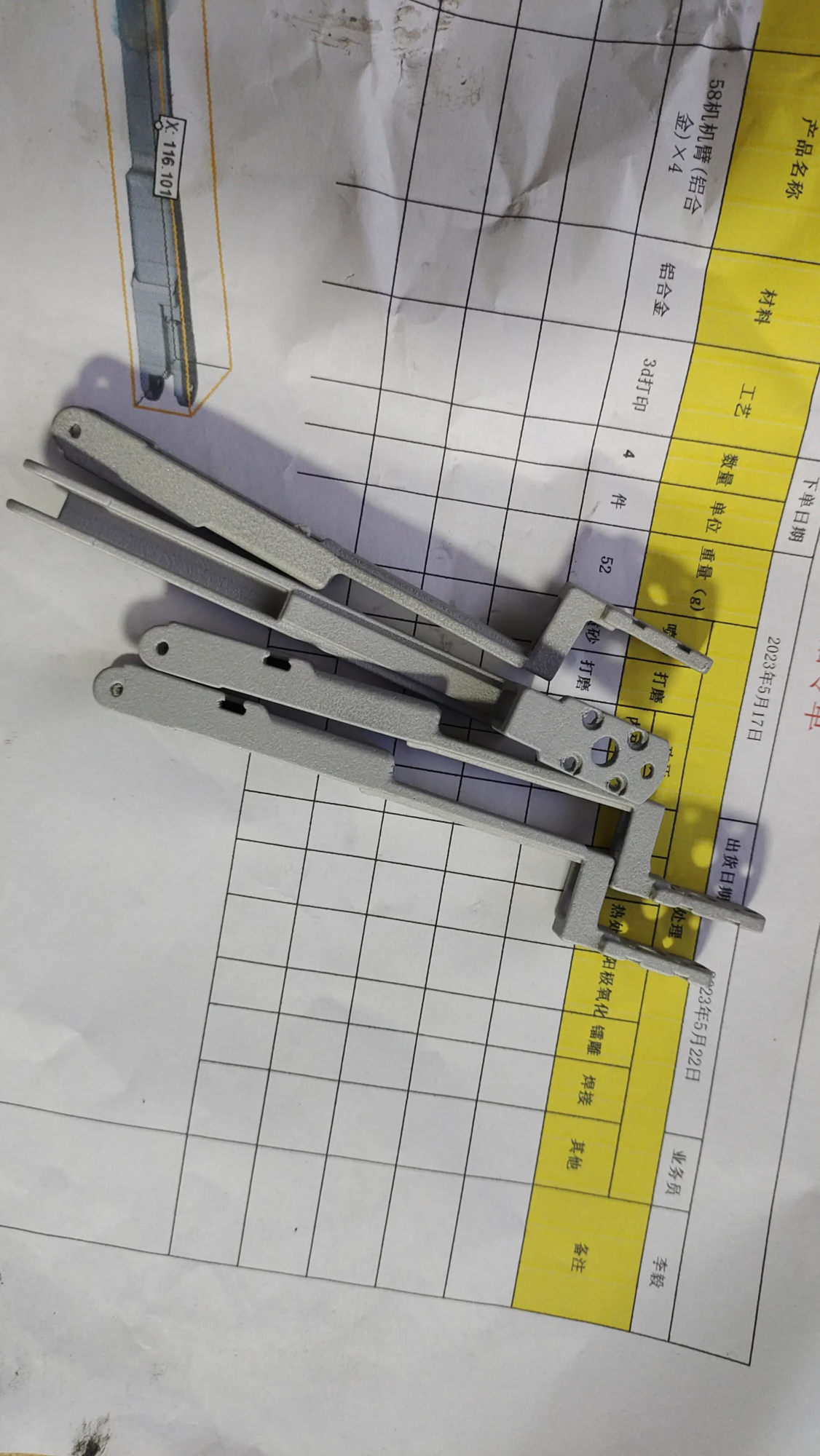
- Part merging (e.g. 12 bolts into one hinge)
- Surface refinement by tumbling or sandblasting
- Meets ISO 2768 fine tolerance standards
Assembly and installation
- Sanity check: Verified deep compatibility with Dell PowerEdge or Cisco switches.
- Dry fit: No adhesive required to assemble. Mark the port.
- anchor: Use L-shaped bracket for wall mounting. Threaded brass inserts enhance hinge durability.
- Cable test: Category 6 wire is laid through simulated conduit before routing the production cable.
real case
- Modular telecommunications cabinet: 3D printed ABS segmented frames replaced welded steel frames in the telecommunications laboratory, reducing weight by 80%.
- Wall Mounted Server Rack: PETG + aluminum frame organizes Pi clusters laterally into 4" deep space.
| solution | Material | cost saving | Printing time |
|---|---|---|---|
| Industrial steel frame | steel | baseline | 2 weeks (order lead time) |
| 3D printed hybrid rack | PETG + SLM Aluminum | 55% | 30 hours |
| Complete SLM rack | Aluminum silicon 10 magnesium | 40% (after ROI) | 48 hours |
in conclusion
Gone are the single racks – innovation thrives on agile, custom solutions. While FDM democratizes prototyping, professional settings require engineering flexibility. Metal SLM printing from Pioneer huge light Ensure consistency for the life of your Cisco Catalyst system. Combining the convenience of polymers with the strength of alloys – the network cabinet revolution is printed layer by layer.
Start drafting the design. The cloud can wait; your rack infrastructure shouldn’t.
FAQ
Q: What rack sizes are feasible?
A: From micro (4RU) to enterprise (42RU). SLM can economically handle industrial-scale frames in excess of 100 cubic centimeters.
Q: Can I print outdoor racks?
Answer: Yes! Combine the ASA filament housing with the SLM stainless steel base. IP67 seals are added through post-processing.
Q: What is the service life of plastic storage racks?
Answer: PETG/nylon design can be used reliably indoors for 5-7 years. SLM Aluminum has been around for 15 years.
Q: Can it be monetized?
Answer: Of course. Open source designs are sold globally. Prototyping design companies such as huge light Even simplifying commercial serialization.
Q: Give me a pro tip.
A: Embed RFID tags during the printing process to automate asset tracking.
Optimized racks are not purchased, they are designed. Print yours.
Customize precision networking equipment, or design entire enclosures. huge light Rapid prototyping in aerospace grade aluminum/brass in 15 days (average). Optimize settings with professional SLM. Please visit GreatLight.cn to request an instant quote.