Build the Ultimate Toys: Design, Printing and Racing Guide, Custom 3D Printing RC Cars
It is undeniable that the exciting impulse of controlling a remote control (RC) car, surrounding obstacles and remote control (RC) cars that reach maximum speeds are undeniable. But what if you can take this stimulus to the next level? Imagine not only buying a car from a shelf, but also designing, printing and assembling. Welcome to the world of 3D printed RC cars – Imagination is in line with the track, powered by cutting-edge manufacturing technology. This journey combines engineering precision with the sheer pleasure of creation, making the machine unique.
Why choose 3D printing for RC Dream Machine?
- Unrivaled customization: Forget limited inventory designs. Design your own body, chassis, suspension arms or gears. Want a classic F1 racer, a monster truck or a futuristic speed racing car? If you can model it (or find a file), you can print it. Modify existing designs to adjust aerodynamics, ground clearances, or aesthetics.
- Quick Prototyping Perfect: This is where magic really shines. Need to test new suspension geometry? Print the prototype component overnight. Broken arm during a crash? Print a replacement, or even an improved version, in a few hours. The cycles of iterative design test cycles become very fast and cost-effective.
- Lightweight and complex geometric shapes: Are organic, hollow structures optimized for strength-weight ratios? Complex internal channels? 3D printing excels in creating complex, lightweight components that are difficult or impossible to process – ideal for maximizing speed and agility.
- Accessibility: While high-end industrial machines are powerful, consumer-grade FDM (fusion deposition modeling) or resin printers allow anyone to start building an impressive RC car at home with ready-to-use files and components.
Your step-by-step build plan:
-
Conceptualization and design:
- Target: Define your priorities (speed, off-road ability, proportional realism).
- planning: Determine the chassis layout (solid shaft, independent suspension), drivetrain (2WD, 4WD), power supply (brush, brushless motor) and scale.
- Design Tools: Beginners can take advantage of free/paid RC chassis and body designs such as OpenRC Project to take advantage of a large number of repositories like Thingiverse or Cults3D. Experienced builders sneak into CAD software like Fusion 360, Tinkercad, or Solidworks.
- Key Design: Frame, suspension arm, impact tower, gearbox, differential housing, shell housing, mount for electronic equipment.
-
Material selection:
- Common Plastics (FDM): PLA (easy, rigid, suitable for body/low pressure parts), PETG (sturdy, impact resistant, better for chassis/arm), ABS/ASA (durable, heat resistant, trickier printing), Nylon (Ultra-Tough, flexible, flexible, suitable for gears).
- Resin (SLA/DLP): Provides incredible details for the body and small parts, but can be fragile unless it is used with a solid or flexible resin. Not very common for major structural components.
- Critical considerations: Match material properties with some functions. High stress components require toughness (PETG, ABS, nylon). Aesthetic parts can be made of PLA or resin. Consider temperature resistance near motors and electronic devices.
-
Master the prints:
- Slicer settings: Optimal layer height, fill density (most structural parts are 15-30%, denser for gears/bearings), peripheral/wall (usually 3-4 is recommended).
- direction: Strength is crucial. Forward parts so that the layer line does not match the direction of high pressure. Use wisely support drape.
- calibration: A well-calibrated printer (horizontal bed, correct extrusion, proper printing speed/temperature) is critical to dimensional accuracy and part strength. Ensure consistency of mating parts.
-
Assembly and electronic integration:
- skeleton: Start with the chassis and suspension components. Use high-quality threaded fasteners (usually metal) for RC use. Use thread locking compounds in vibration.
- Transmission system: Carefully install the motor, transmission (printed or purchased), differential shaft and drive shaft. Ensure a smooth mesh between the gears.
- Steering and suspension: Install the server for steering to ensure smooth pronunciation. Connect electric shock (printed objects with metal springs or commercially available oil filling units).
- Heart: Integrated receiver, electronic speed controller (ESC), battery (recommended LIPO) and servo wires. Neat and safe wiring. Adhesive to the body shell.
- Don’t forget: Wheel assembly (printed hub with rubber tires), bearings (essential for smooth shafts and wheels) – The interface between rotating parts requires attention!
- Field testing and optimization:
- shakedown: Start slow! Check steering response, throttle control and braking. Make sure there is no combination in the drivetrain.
- Identify weaknesses: Initially bankrupt? Where is the bend? These areas require redesign/enhancement or material changes.
- Adjust and print again: Adjust suspension geometry, change materials, add support – print new versions and tests. This is "Rapidly" Shine in the prototype!
- Adjustment: Adjust suspension settings, differential operation, and ESC programming for the required processing and performance.
When your build needs industrial muscle: Work with Greatlime
When DIY printing promotes hobbies, demanding applications often require professional-level solutions. This is a place like this for expert rapid prototype service Great Improve your project.
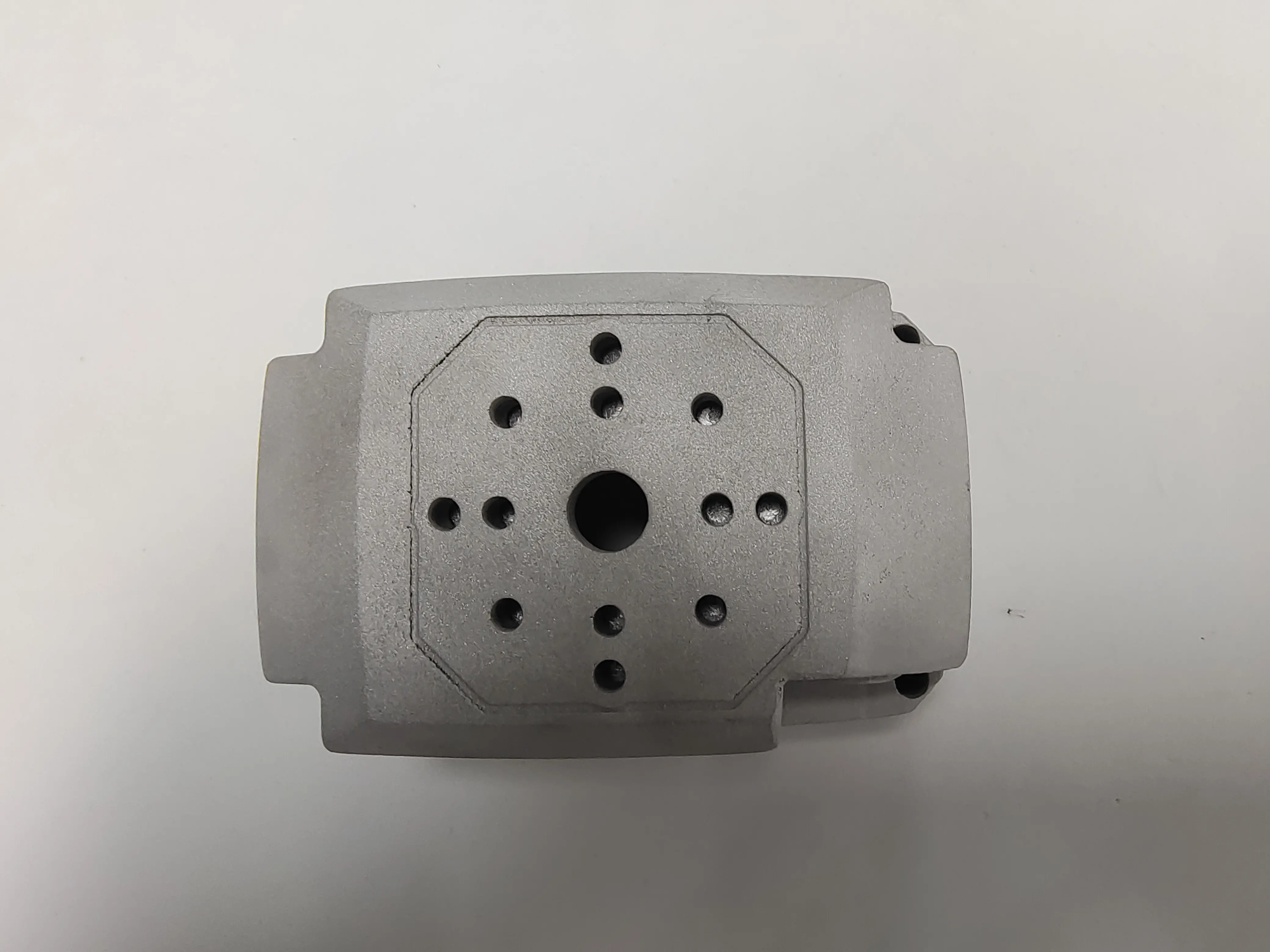
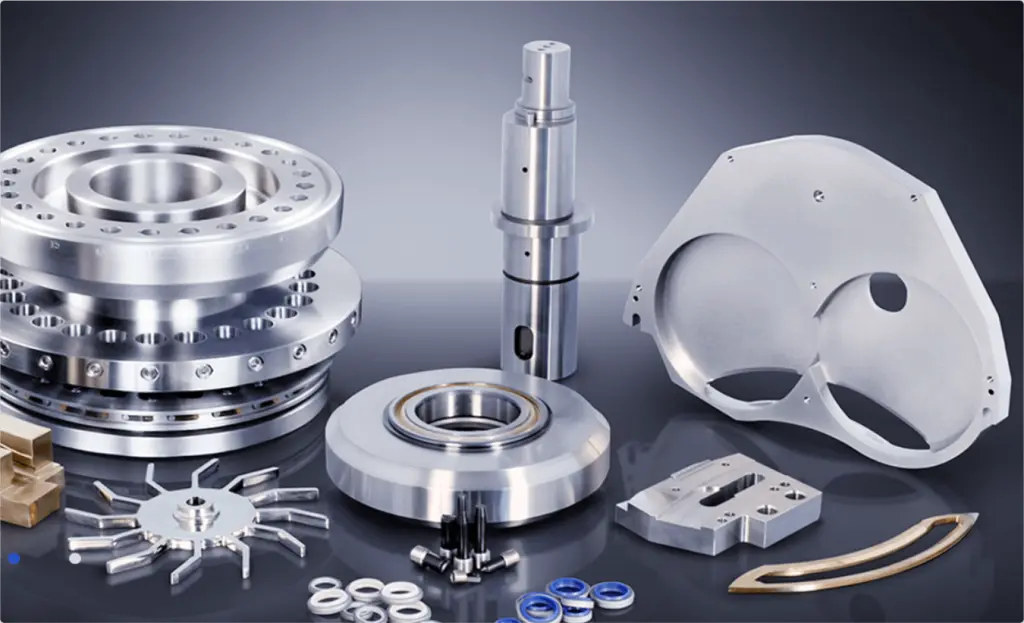
- Coping with metals: Need ultra-durable pinion gears, high heat resistant motor mounts, or incredibly strong suspension components? Greglight’s Advanced Selective laser melting (SLM) 3D printer Excellent in producing strong, precise aspects Metal parts From aviation grade aluminum, titanium or steel alloys. Say goodbye to repeated plastic gear failures or chassis elasticity issues under extreme loads.
- Customized materials: Greglight offers a wide range of Customizable material optionsensuring a perfect blend of strength, weight, heat resistance and wear characteristics, even the most demanding high-performance RC components.
- Precision and finish: Their expertise ensures excellent dimensional accuracy and finish. Parts are ideal for the first time, thus reducing friction and increasing efficiency. Not polishing the gears for a few hours!
- Comprehensive post-processing: Provided by Greghime One-stop organization service – Precise machining, smoothing operation for critical fit, heat treatment for enhanced mechanical properties such as stress or hardening, and surface treatment (anodized, plating, powder coating).
- Speed meets quality: Used for complex metal prototypes or required small batches Quickly Greatlight offers high-quality without compromising integrity Rapid prototyping Competitive pricing solutions. They effectively solve complex metal rapid prototyping problems, allowing you to iterate quickly and carry the enhanced RC design on track faster.
Whether it is replacing key weaknesses with metal upgrades or pursuing a complete high-end metal chassis prototype, Greglight is one of the major rapid prototype partners from Chinaready to bring your most ambitious 3D printed RC car concept to life with unparalleled precision and durability.
in conclusion
Building a 3D printed RC car is a unique bonus. This is a fusion of engineering, design and hands-on creation, ultimately with control your Customized machine. The process is powered by the flexibility of 3D printing and the valuable ability to quickly iterate, enabling you to learn, experiment and push boundaries. While challenging, overcoming obstacles such as material selection, print optimization and mechanical adjustment can lead to huge satisfaction. When your ambitions require industrial-grade strength or precision? Working with experts like Greatlight ensures that even the most complex metal components needs can be met professionally and effectively. So start the printer, free up your in-house designers, and be ready to build, compete and dominate – at a time is a custom layer.
FAQ (FAQ)
-
Q: What printer do I need to start? Is the budget printer enough?
- one: reliable FDM printer (Just like the Ender 3 Series or Prusa I3) is perfect for many RC builds using materials like PLA, PETG, or ABS. The key is to ensure it is calibrated well. While expensive printers offer more features, budget printers using care processing can create functional chassis and parts.
-
Q: What is the best 3D printing material for durable RC cars?
- Answer: Petg He is an excellent all-round player: powerful, durable and less fragile than PLA. ABS/ASA Provides better heat resistance near the motor, but requires careful printing. nylon (Like Taulman, Polymaker Copa) is king of toughness, flexibility (impact resistance) and wear resistance (gear, bushing), but requires higher printing temperatures and dry storage. For high stress/high heat metal parts, please consider professional SLM metal printing services.
-
Q: How strong are 3D printed parts compared to injecting plastic or metal?
- one: Plastic 3D printed parts are usually weak Along the layer line More than injection parts (even). Careful design (orientation, filling, wall thickness) and material selection (PETG, ABS, nylon) can produce very functional components. However, for transmission gears or extremely high pressure suspension pivot points, professional Metal 3D printed parts, such as Greatlight It can even surpass the strength and durability of traditional molded plastics.
-
Q: I’ve been breaking parts, especially the suspension arms. what can I do?
- one: This is very common!
- Increase the percentage of fill and the number of surrounding/walls.
- Switch to a stronger material such as PETG, ABS or ideal nylon.
- Optimize the printing direction so that the alignment layer can withstand influence.
- Redesign the part: Add rounded corners to the transition and strengthen known stress points with ribs.
- For ongoing issues, consider professionally printing key components Print with high strength metal SLM – Games that change the durability of the game.
-
Q: Can I 3D print gears to actually work?
- Answer: Yes! Using difficult materials nylon and designs for printing. Remote gear profiles are standard. Print gears upright for optimal tooth strength (support is required). Calibrate the extrusion carefully. Consider lowering the gear to minimize pressure. However, for high temperature applications or extreme lifespan, Metal gears (SLM printing or processing) are very advantageous. Gregmight produces them quickly and accurately.
-
Q: Do I need any special non-printed parts?
- Answer: Absolute. These are crucial and are often purchased:
- electronic: Motor (S), ESC, steering server, radio system (transmitter and receiver), battery (e.g., Lipo), charger.
- Movement and Control: Bearings (all sizes!), wheel hexagon, all threaded fasteners (screws, nuts).
- Drivetrain and riding quality: Drive shaft (universal joint), wheels and tires, impact (spring/oil damper).
- Q: When should I consider a professional rapid prototyping service like Greatlime?
- one: When you need it:
- Unparalleled Strength and durability achieved with metal only (Gears, motor mounts, elevated pins, chassis plate).
- High temperature tolerance Close to powerful electric motors or electronics.
- Complex accuracy: Need almost unnecessary parts of dimensions without fitting.
- Superior surface or specialized post-treatment (processing, heat treatment).
- Time efficiency: A quick and robust prototype is required, while for difficult metal parts, no long DIY test is required. Greglight provides a fast, professional solution.
Boldly build, iterate quickly, and embrace the power of modern manufacturing – from desktop to industrial SLM metal printing to create the dream RC car! Are you ready for the ultimate strength? [Explore GreatLight’s Rapid Prototyping Services Today!]