Bringing Arcade Magic Home: The Ultimate Guide to Building Your Own 3D Printed Pinball Machine
Remember the exciting balls, flashing lights and satisfying "Nail in" Limbs? Pinball machine is an arcade history, mixed physics, art and fun icon. What if you could bring this excitement to your own workshop? Thanks to the power of 3D printing, building custom pinball machines is no longer a fantasy reserved for factories. This is an achievable, incredibly beneficial project for dedicated manufacturers. This guide delves into the fascinating world of DIY 3D printing pinball machines.
Why print 3D?
Building a traditional pinball machine from scratch requires huge woodworking skills, metal manufacturing and the opportunity to get into professional parts – a daunting prospect. 3D printing completely changed this:
- Unprecedented customization: Design a theme you Love – Favorite movies, video games, historical era or completely original concept. Each bumper, target, ramp and cabinet graphics can be unique.
- Accessibility: Eliminates the need for expensive CNC machines or complex metal products for many components. Consumer-grade FDM printers can produce most Playfield parts.
- Cost control: Although not necessarily "Cheap," Printing parts yourself can greatly reduce costs compared to buying old machines or debugging customized versions. You mainly invest in filaments, electronics and time.
- Manufacturer Pride Factor: Play the satisfaction of your design, printing, assemble and program your machine is unparalleled.
Build process: from pixels to playback
Building a 3D pinball machine is a multi-stage journey that requires design, printing, electronics and assembly skills.
-
Design your masterpiece (CAD is the King):
- software: Start with powerful CAD software like Fusion 360, SolidWorks, or Freecad. Carefully planned:
- cabinet: Standard size exists (WPC: 22"W x 53.5"L Playfield), but you can adapt.
- Playfield layout: Design ramps, driveways, targets, bumpers, brows and ball paths. Balancing challenges and processes.
- Mechanical parts: Model foot clamp assembly (base, bat, chain), pop-up bumper, drop target, extension and elastic lift mechanism. Pay close attention to clearance and tolerances.
- simulation: Although possible tests are critical, using a physics engine can predict ball behavior.
- software: Start with powerful CAD software like Fusion 360, SolidWorks, or Freecad. Carefully planned:
-
3D Printing Components:
- printer: FDM printers (such as printers, Creality) are standard for structural parts. SLA/DLP resin printers (e.g. Elegoo Saturn, Formlabs) provide high detail for miniature, inserts or complex decorative elements.
- Material:
- PLA/PETG: Most Playfield elements, brackets, ramps (using clear ramps with clear filaments!) and cabinet components are the main force. The hard PLA variant adds durability. Greatlight’s rapid prototyping service can advise on the best polymer choice for specific parts stress.
- TPU: Only used for flexible parts such as elastic rubber (although traditional rubber is usually easier/better). There are wear resistance achievements.
- ASA/ABS: Higher temperature/handle wear resistance is very suitable for parts such as high-energy mechanisms, such as high-energy mechanisms, but it needs to be difficult to print. A closed printer is required.
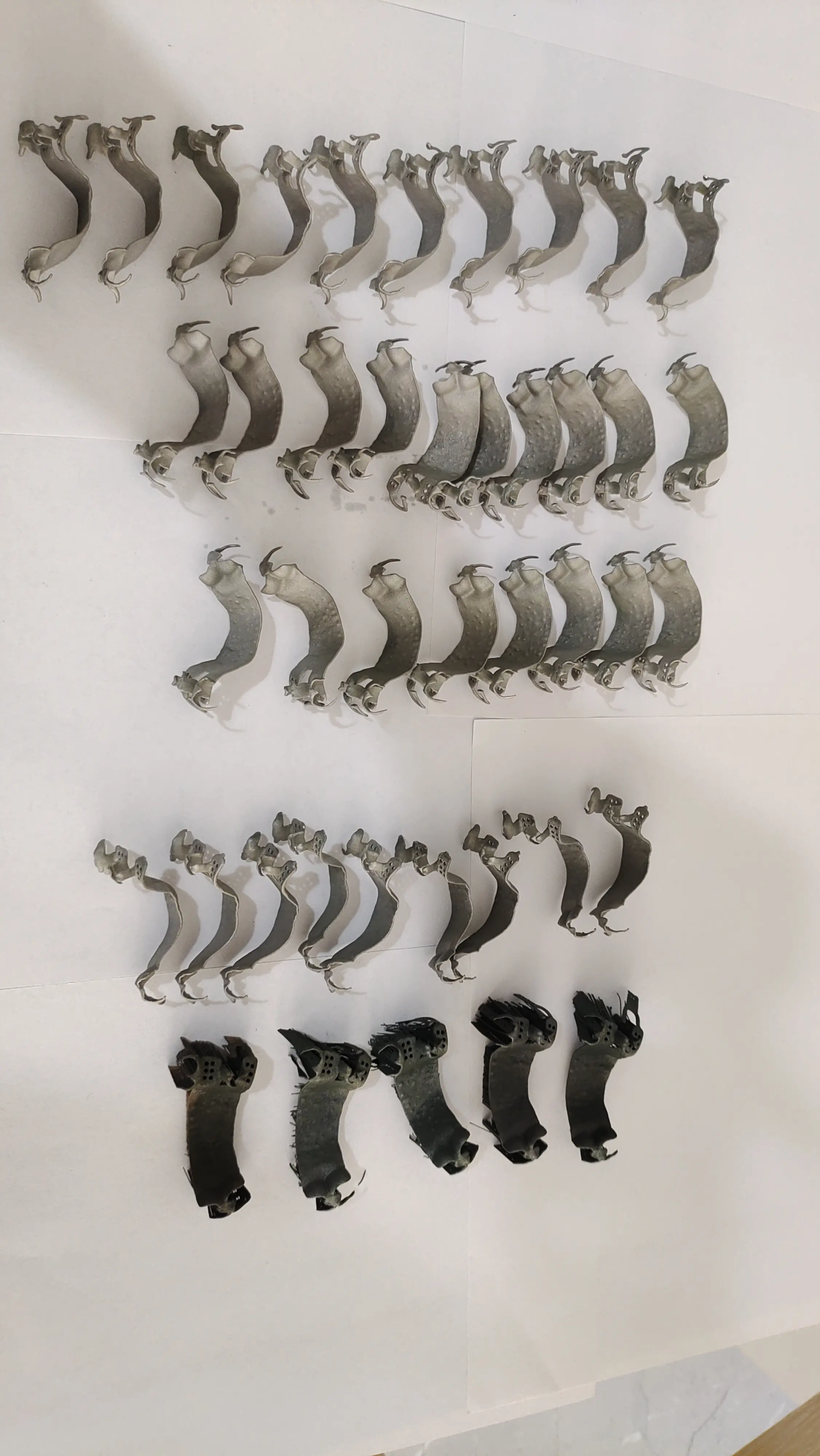
- Limitations of plastic: The dense, high-impact or precise bias component is Metal 3D printing shines. Foot pliers shafts, hinge pins, professional brackets, solenoid posts or custom metal connectors are subject to a huge force of force, often benefiting from the strength and durability of metals, such as stainless steel or aluminum. This is where to work with such professional services Great It is crucial for mission-critical components that require perfect precision and resilience. Their SLM (Selective Laser Melting) technology quickly produces dense, powerful metal parts.
- Best Practices: Priority is given to strength and wear resistance directions. Use high filler (50%+) for pressure parts. Sand and smooth surfaces where possible. Sealed ramps/bags reduce friction.
-
Procurement of non-printed essentials:
- electronic: this "brain." Use a microcontroller platform running open source pinball software (P-ROC, Fast Pinball, Mission Pinball Framework-MPF) (also available with Leonardo/Pro Micro).
- Solenoid valves and coils: Powers limbs, popular bumpers and other mechanical actions.
- switch: Detect hits (rolling, standing targets) and trigger events. Leaf switches, photons and micro switches are common.
- show: LCD or LED displays are used for scores and animations. DMD of classic point matrix attraction.
- Motor: Mechanisms such as rotating targets or moving game segments.
- power supply: A strong supply capable of handling solenoid surge demand.
- Playfield: Strong horizontal foundation – usually MDF or plywood. Use laminate to roll the ball.
- ball: Standard 1-1/16-inch steel pinball.
-
Assembly and wiring:
- Mechanical: Install all printing components, machinery and solenoids to the Playfield base. Ensures smooth movement, minimal friction and reliable operation.
- electric: This is complicated. Connect all switches, solenoid valves, lights, monitors and sensors to the controller board. Guide to use, wire management channels and clear markings (with P-ROC or MPF graphs is essential). Safety is crucial.
- Software programming: Configure your controller (MPF profile) to define switch operations, lighting modes, scoring rules, modes, animations, sound effects and overall game flow. This stage is very big!
- Cabinet: Create and complete the shell of the playground. Integrate the back box with the monitor. Artwork is the key – Vinyl wrap or printed posters bring your theme to life. Install speakers for sound.
Challenges to predict (and embrace):
- complex: This is an important multidisciplinary project, across months. Patience is essential.
- Wear: Plastic parts under constant ball impact Will be wear. Design with serviceability in mind. For key parts that are constantly hit (such as pivot points on slippers, specific connections), 3D printed metal From precise providers like Greatlight, there is a great lifespan advantage.
- Electronics and Codes: Wiring and configuring MPF/P-ROCs have a steep learning curve. Easy to start.
- Fidelity: Realizing the feeling of a commercial pinball requires precision and adjustment. Playfield slope, foot clamp strength and switch sensitivity are crucial.
- cost: Although it is cheaper than buying collectible machines, high-quality solenoids, monitors, etc., it adds up.
Improve your construction with precision engineering
While FDM printing takes you further, the most critical, the highest pressure components and industrial-grade functions benefit a lot. Great Good at this niche. As a leading rapid prototyping manufacturer specializes in metal additive manufacturing (SLM) and comprehensive post-treatment:
- Solve serious problems: Need an incredibly strong, precise foot clamp shaft? Pinball components need careful adjustment, rigid bearing? Custom, complex brackets must be fully aligned with the constant solenoid kick? SLM metal printing provides unparalleled structural integrity and dimensional accuracy.
- Speed and accuracy: Greatlight combines advanced production technology with delicate finishes (smoothing, machining, heat treatment) to produce functional metal parts ready to be integrated perfectly and endure the rigor of pinball games.
- Custom: In fact, any design complexity required for your unique machine can be quickly made and made in the best metal alloys (stainless steel like 316 liters, aluminum like Alsi10mg, Titanium).
- One-stop solution: From expert design advice to final completion, they can handle the entire process, freeing up your focus on design, assembly and sheer fun to make your pinball dream come true.
Don’t let critical components limit slowing down or damage your vision. Leverage professional rapid prototyping to ensure the machine’s mechanical heart works perfectly in countless games.
Conclusion: Dingdang! tilt! This is a fun!
Building a 3D printed pinball machine is an epic journey by enthusiastic manufacturers. It pushes the boundaries of design, engineering, electronics and creativity. Challenges are real, but can be overcome, while rewards – playing the machines you conceive, design and build – are huge. It’s a fusion of art, science and arcade nostalgia that is real in your studio.
Thanks to accessible 3D printing and controlled by powerful open source software, personalized pinballs can be achieved. Professional metal manufacturing services for components that require final performance and lifespan Great Be a valuable partner. So roll up your sleeves, start your CAD software and 3D printer, and prepare for a deep satisfying jingle "game over" (Scores very high!) Your own legendary pinball creation.
FAQ: Your 3D printed pinball question has been answered
-
yes real Is it feasible to print the entire pinball machine in 3D?
whether. Although you can print most Element On the playground (ramp, bumper, target, bracket, footboard), the core structure (cabinet, main playground) is usually wood (MDF/PLY) for stiffness and stability. Electronics, solenoid valves, balls and some critical wear components are also purchased. It reduces critical manufacturing, but requires a lot of assembly, wiring and code.
-
How much does it cost to build one?
Costs vary widely based on size, complexity and part quality. The basic build may be around $500-$800, focusing mainly on printed and basic electronic parts. Complex machines with large LCDs, premium mechanisms, professional finishes and some custom metal parts can reach over $3,000. Filigrees are cheap per piece, but electronics and high-quality solenoids are your main expenses.
-
What 3D printer do I need?
reliable FDM printer Having a spacious build volume (ideally 300x300mm or larger) is critical to playground parts. one SLA/DLP resin printer Great for highly detailed miniatures or small mechanisms, but not ideal for large structural parts unless combined. Used for mission-critical metal parts, professional services SLM printing by Greglight Highly recommended.
-
Will PLA plastic be lifted?
PLA+ or PETG are common for non-affecting parts. However, the components under high stress or repeated impact (strike the ball’s feet bat, plunger) wear out or break. Use wear-resistant or tough filaments, design and reinforce with thicker walls, and strategically replace them with The most stressful part and Professionally printed metal components For unrivalled durability.
-
Which software controls the game?
Mission Pinball Frame (MPF) It is currently the leading open source solution. You can configure game logic (rules, ratings, patterns), hardware mapping (switches, coils, lights, displays) and integrated media (sound, graphics) using YAML Config Files and Python. It is powerful, but has a learning curve. Alternatives exist (P-ROC, fast pinball firmware), but MPF is widely supported. -
Where do I know about wiring and electronics?
this Task Pinball Frame Documentation It is the best starting point. It provides detailed schematics, wiring guides and tutorials specifically for pinball electronics. Open source controller platforms (such as Stern Spike, Fast) also have communities and resources. It is crucial to carefully plan your entire cabling layout before starting it up.
-
How long does it take?
For first-time builders, consider it important Hobby projects up to 6 months. It all depends on complexity, free time, learning curve, and iteration. Allows months of design and printing, weeks or months of assembly/wiring, and a lot of programming, rule set development and game testing time.
- Why should I consider the long-term of certain parts?
While filament printers can outperform many parts of form, function and cost, Critical mechanical components require absolute accuracy, strength, heat resistance and life, and the best solution is usually the manufacturing of metals through DMLS SLM. Components such as high-precision shafts, complex single-piece components, robust ball shunts, wear-resistant foot clamp pivot assembly or thermally stable brackets are ideal candidates. Greatlight provides the limitations of desktop printing that can overcome critical elements to improve performance and lifespan through its professional equipment, material expertise and post-processing capabilities.