Save Big: The Ultimate Guide to Buying Bulk 3D Filament
Have you ever felt like you were constantly ordering new spools of filament spools? You finish a project, take one look at your dwindling supply, and reluctantly open your shopping cart. This cycle consumes your time and budget. What if you could cut costs and always have materials ready? Buying filament in bulk is the game changer you need – but it doesn’t come without consideration. Let’s dive into why buying in bulk makes sense, how to do it wisely, and when you might want to work with a professional.
Why Bulk Filament Is Your Wallet’s Best Friend
- Dramatically reduce costs: This is the headline news. Buying in bulk by the kilo (such as 5kg spools or multi-pack deals) can significantly reduce the price per kilo compared to individual 1kg rolls. You can save hundreds of dollars per year on a regular printer.
- Non-stop creativity: Say goodbye to project delays! High-volume supply means you can handle large prints or back-to-back projects without having to scramble for last-minute orders. No more rage quitting when you’re halfway through printing.
- Material consistency: Purchasing from the same large batch minimizes variation between spools. Colors match perfectly, and extrusion settings remain reliable during the print process—critical for large multi-part assemblies or professional-grade consistency.
- Sustainability Simplified: Fewer orders means less packaging waste (cartons, plastic bags) and less transport emissions. Careful storage ensures minimal waste over time.
- Experimental freedom: The lower cost per kilogram encourages testing of blends (such as PETG or specialty compounds) or unusual colors that you might otherwise avoid at a higher price.
Leading Bulk Buying: Key Considerations
before batting "Order," Think strategically:
- Material Matchmaker: Be brutally honest about what you do actually use. Are you an ABS strong person or a silky PLA addict? Don’t buy exotic filaments in bulk "just in case." Stick with reliable workhorses. Verify supplier consistency first!
- Color promise: While discounts can tempt you to stock up on palettes, focus on neutral colors (black, white, gray) or the colors you use most, unless you have specific high-volume needs for other colors.
- Supplier savvy: Trust is crucial. Choose a reputable manufacturer/dealer known for quality control (diameter tolerances, reliable formulations) and reliable shipping. Check out reviews for their bulk products. Avoid the unknown and chase the lowest price.
- Storage strategy: Buying in bulk requires diligent storage. Hygroscopicity is the enemy! More filament stored means higher risk. You definitely need airtight containers, a strong desiccant system (rechargeable silica gel!), and maybe controlled temperatures.
- Cash Flow Reality: While there are long-term savings, the upfront cost is higher. Make sure it fits your budget. Consider potential storage solutions (containers, desiccants) as part of the total investment.
Protect your treasures: Win the storage wars
What is your number one defense against filament degradation? Smart storage.
- Airtight arsenal: Vacuum seal bags are great for storing unopened spools or partially used spools. A large, sealable plastic container with a rubber gasket can work wonders. Special containers for open spools and sealed stock.
- Advantages of desiccant: Silicone beads are your best friend. Use liberally in containers/bags. Color changing beads indicate when reactivation is required (low heat bake). Desiccant plugs inside the spool core are an added bonus, but don’t rely solely on them.
- Cool, dark and dry: Store containers away from direct sunlight (UV rays can degrade filaments), basements prone to moisture, and garages with large temperature swings. A stable surrounding is key.
- Rotation procedure: implement a "first in first out" system. Start by using an old spool. Label the spool with the date of purchase.
- Special circumstances: Nylon and PVA filament are notorious moisture magnets – consider dedicated, ultra-safe storage.
Beyond bulk filament: When specialty manufacturing excels
While bulk filament can help DIY enthusiasts and in-house prototyping shops, it also has limitations. Complex geometries, production scale needs, or engineering-grade metal requirements are beyond what desktop FDM printing can achieve.
This is where utilizing professional rapid prototyping services becomes invaluable. company likes huge light Focus on pushing boundaries:
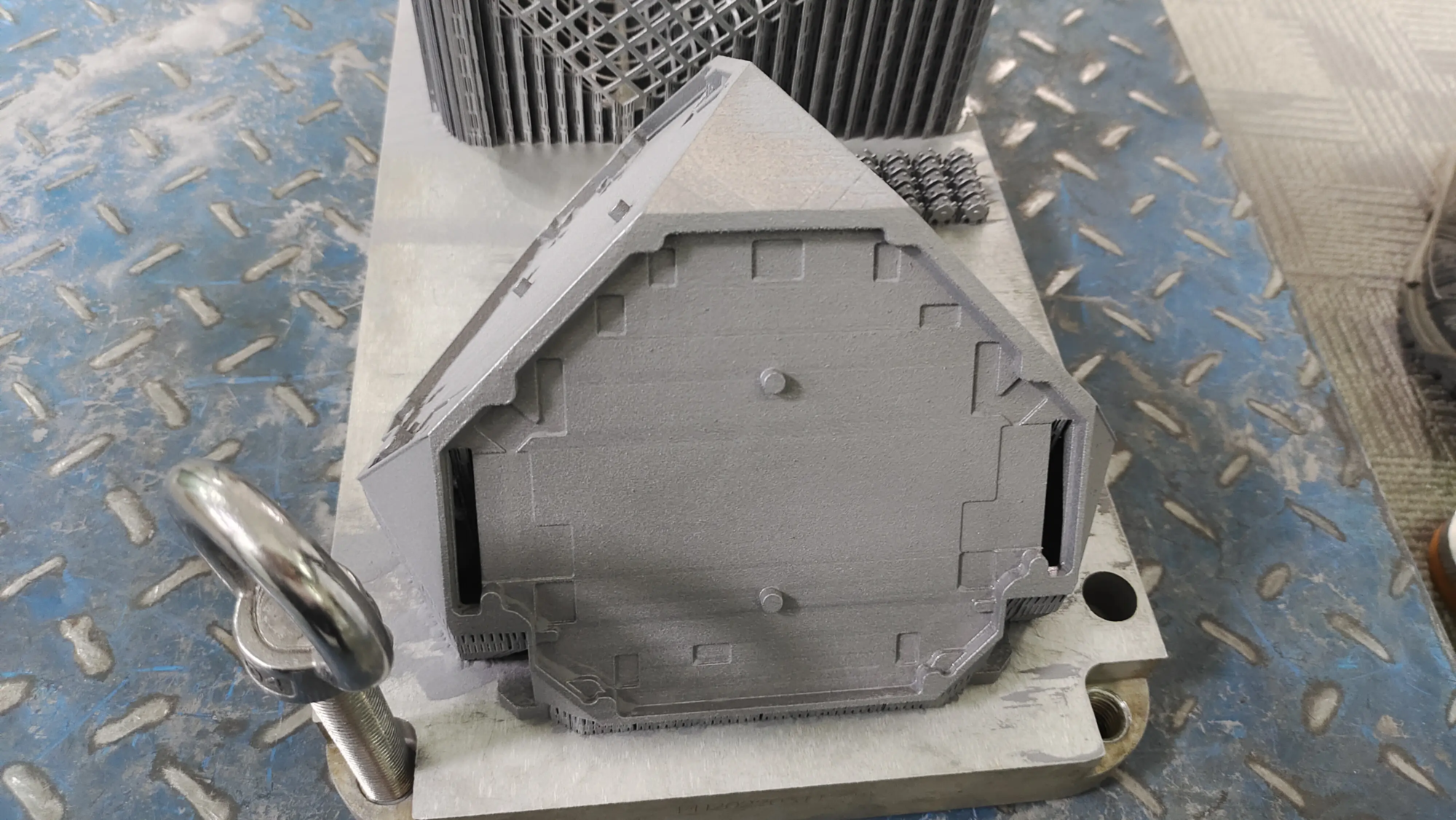
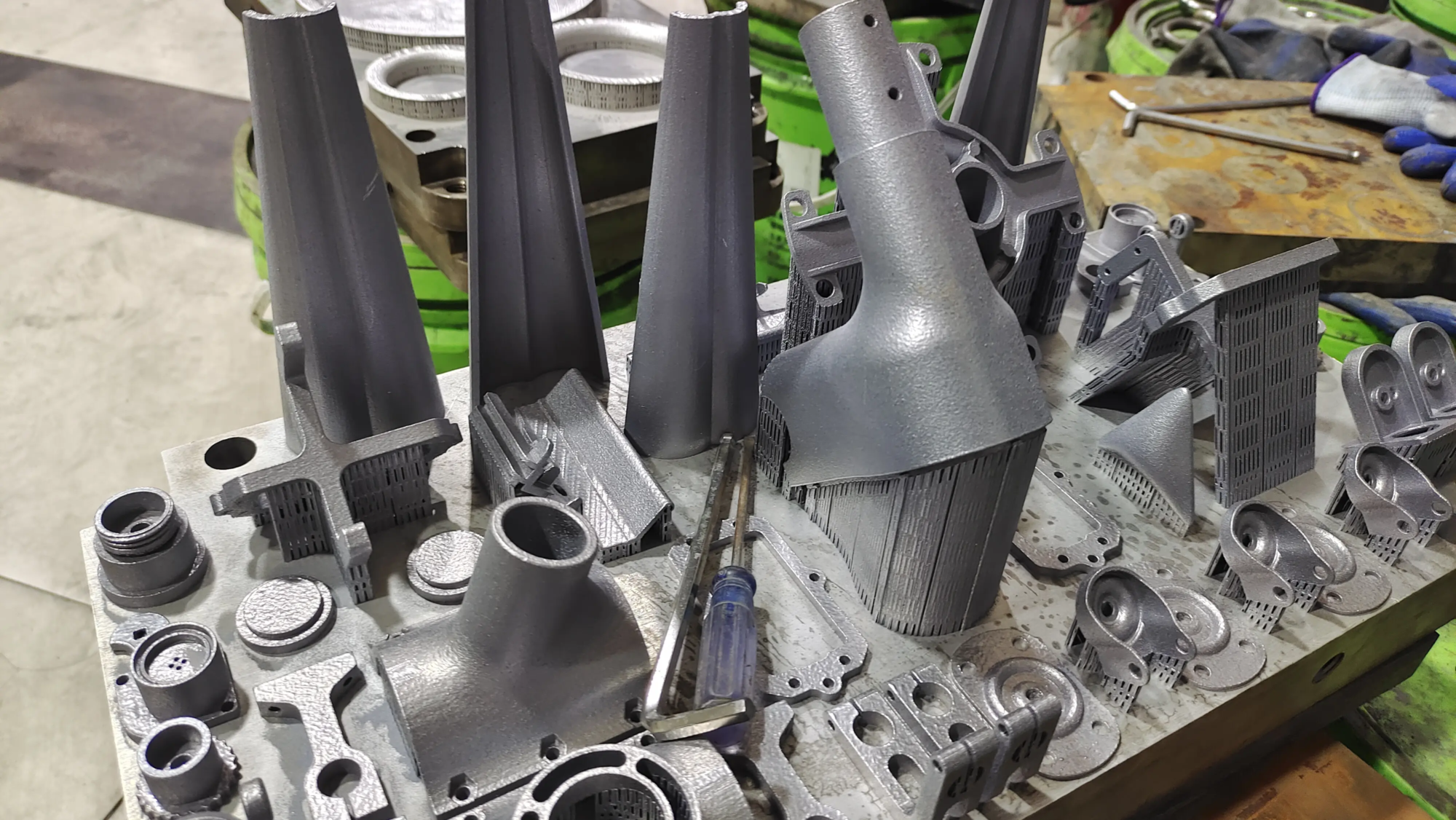
- Metal Mastery: Take advantage of advanced Selective Laser Melting (SLM) technology, GreatLight produces complex, high-strength metal parts directly from digital models. Materials such as titanium, stainless steel, aluminum alloys, and nickel alloys became available. Bulk rolls of plastic wire cannot replace it.
- A true one-stop solution: Hong Laite handles every aspect: manufacturing and meticulousness Post-processing (Heat treatment, HIP, CNC machining, polishing/anodizing/painting and other surface treatments), strict inspection and final assembly. You will receive production-ready parts.
- Speed and customization: Rapid prototyping thrives on speed. GreatLight specializes in quick turnaround of custom parts, including special material requirements. They efficiently solve precision machining needs.
- Economies of scale: For volume production outside of large print shops, Professional Services utilizes industrial machinery to optimize the speed and cost of each part.
For demanding functional prototypes, end-use metal parts, or quantities that exceed the physical capacity of your desktop printer, working with a manufacturer like GreatLight with experience in RFQ ensures you get complex, high-quality parts without having to manage consumable inventories or printer farms.
in conclusion
For those who regularly use 3D printers, purchasing supplies in bulk is a strategic win: significant cost savings, increased productivity, and greater creative freedom. Prioritize your core materials, invest in impeccable moisture-proof storage, and choose reliable suppliers. This method can keep your printer functioning properly and save your budget.
However, be aware of the boundaries of the filament. When a project requires complex geometries, industrial-strength metals, or mass-produced finishes, transitioning to professional rapid prototyping services is a smart choice. Expertise in metal 3D printing and integrated post-processing e.g. huge lightoffering capabilities that go far beyond the desktop to ensure your most challenging projects meet rigorous standards. Whether stocking your own supplies warehouse or outsourcing complex builds, maximize your efficiency and unlock new creative potential.
Bulk Filament FAQ: Your Questions Answered
Q1: How much can I pay real Save on a bulk purchase?
A1: Savings vary by brand, material and quantity, but savings of over 25-50% per kilogram compared to purchasing a single 1kg spool are common. Over a year, motivated printing enthusiasts can easily save $150-$500+. Save even more at a print farm/prototyping shop.
Q2: What are the largest sizes of bulk filament usually available?
A2: While 1kg and 2kg spools are standard retail, bulk ranges from 5kg to 25kg spools (common on larger print farms), or boxes/packs of multiple smaller spools (e.g. 10x 1kg). Some industrial suppliers offer main spools for refillable systems weighing over 100 kg.
Q3: Will bulk consumables expire?
A3: It will degrade, especially after absorbing moisture. Properly stored PLA can last for years. Materials that are more hygroscopic, such as PETG, ABS, and especially nylon/PVA, will degrade faster if exposed to moisture. Storage is crucial! Dark, dry, airtight containers with desiccant maximize shelf life.
Q4: Isn’t large-capacity storage a big trouble?
A4: Planning is required, but it doesn’t need to be too complicated. Stackable airtight boxes with silicone are efficient and space-saving. Think of it as part of your printing infrastructure, just like the printer itself. The savings and convenience outweigh the initial setup.
Q5: If I’m still trying, should I buy supplies in bulk?
A5: Probably not widely. Stick with single spools until you decide on your primary material and printer. Once settled, start increasing your weight "First choice" filaments. Try buying versatile unisex PLA in bulk.
Question 6: When should I consider professional prototyping (like GreatLight) instead of printing myself with bulk filament?
A6: Consider professional services when:
- You need engineered parts Metal (titanium, aluminum, steel alloys).
- Parts require high temperature resistance, exceptional strength, or complex geometries that FDM cannot/reliably do.
- You need extremely tight tolerances (>IT11) and a polished surface finish.
- The quantities required effectively exceeded the printing house’s actual output capabilities.
- You need integrated secondary processing (carbon nanotube processing, professional coating/surface treatment, heat treatment) all in one place. Their deep materials expertise and industrial machines unlock these possibilities.