Unleashing Protection: Exploring the Practical Potential of 3D Printed Cat Armor
The image of a miniature knight-like cat in gleaming articulated armor is undeniably captivating, spawning countless sci-fi concepts and fantasy role plays. While fully articulated feline battle suits may currently remain in the realm of the imagination, advances in technology 3D printing, especially metal printingopening up a fascinating world Functional possibilities For custom feline protection. As experts in pushing the boundaries of rapid prototyping, we believe that the convergence of advanced manufacturing and pet welfare is fertile ground for innovation, albeit underpinned by strict ethical and practical considerations.
Beyond Role Play: Functional Applications of Cat Armor
The core idea is not to transform Mr. Beard into a war machine, but to utilize Precision additive manufacturing Meet specific, real-world conservation needs:
-
Medical and post-operative protective equipment: Imagine a cat recovering from spinal surgery or extensive soft tissue repair. Traditional cones (e-collars), while effective at preventing licking, can cause a lot of pressure, obstruct vision, and impede movement. one Customized, lightweight 3D printed rigid housing Can:
- Precise shielding The surgical site is not restricted to other parts of the body.
- Provides superior comfort and lower pressure than bulky cones.
- Designed with optimal ventilation.
- Use clean, biocompatible sterilizable materials, e.g. Medical grade titanium Ti64 (grade 5) or specific 316L surgical steel.
-
Custom limb braces/splints: Cats may suffer fractures or ligament damage in their fragile limbs. custom made 3D printed splints or bracketsDesigned based on veterinary CT/MRI scans to accommodate the unique contours of a cat’s legs. Benefits include:
- Perfect anatomical fitdistributes pressure evenly and prevents pressure ulcers.
- important lose weight Compared to traditional plaster or fiberglass.
- potential Functional design Add hinge points at joints that require mobility.
- Materials range from Hard plastic Like nylon PA12/nylon PA11 passed Carbon fiber PEEK composite (for specific strength requirements) or lightweight metal For the smallest frame.
- Highly targeted environmental protection:
- Outdoor adventure cats: For well-trained adventure cats (leash trained and supervised!), a very light chest plate or protective back plate can protect against thorn bushes or minor scrapes in rugged environments. Titanium alloyKnown for its excellent strength-to-weight ratio and corrosion resistance, it is a prime candidate here, being precisely engineered into a thin, protective lattice structure.
- Therapy/Working Cats: Cats in certain therapy or controlled work environments may require minimal protective elements to protect against bumps or minor abrasions.
Basics: Anatomy and Ethical Requirements
Crucially, any function "armor" concept Feline anatomy, physiology and welfare must be prioritized:
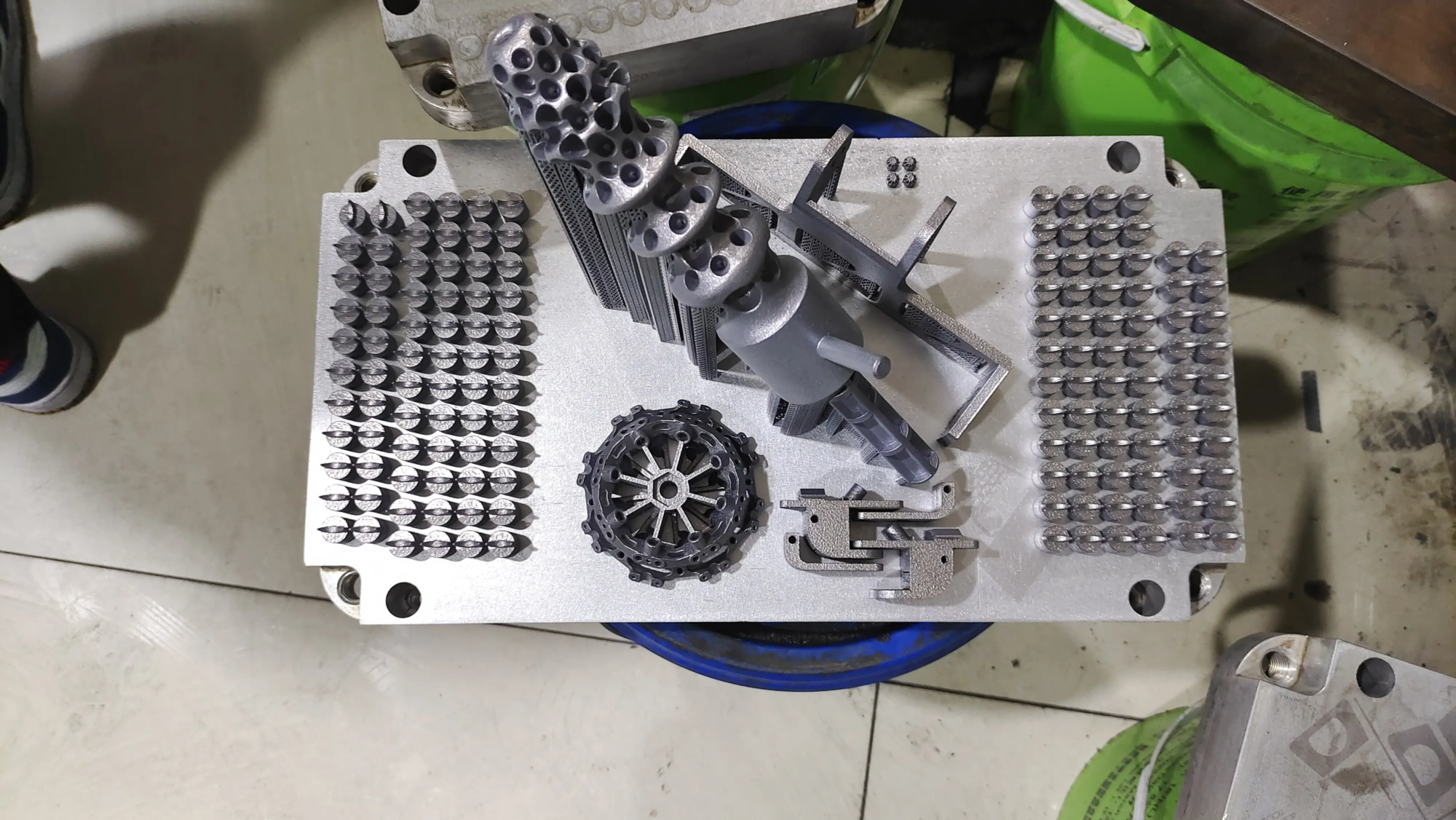
- Weight is most important: Cats are very agile animals. Any protective equipment is a must Extremely light. Even a few extra ounces can significantly impact mobility and health. where is this High-strength metal alloys (such as Ti6Al4V titanium)Printing with complex hollow or lattice structures (thanks to SLM/DMLS) becomes invaluable – achieving rigidity with minimal weight.
- Flexibility and range of motion: Cats are constantly twisting, bending, jumping and grooming. Encapsulating joints with rigid armor is unethical. The design must pay attention to local protection Allows for natural movement – boards are securely anchored to specific areas No Restrictions on limbs, spinal curvature, or head rotation.
- Comfort: Materials must be biocompatible, smooth (precision required Post-processing such as steam smoothing or polishing) and non-irritating. The edges must be perfectly polished to prevent scuffing.
- Acoustic Damping: Metal plates may create strange resonances that startle cats. Acoustic analysis and potential damping design or material selection become factors.
- Passive design: Active joint mechanisms are impractical, unsafe and unnecessary. Protection must be the essence of the enclosure design.
The role of Ferrite: transforming possibilities into prototypes
Creating functional feline protection is not DIY. it takes Precision, advanced materials and veterinary collaboration. This is where advanced rapid prototyping shines:
- High fidelity scanning: Accurate veterinary CT or MRI scans are critical to creating accurate digital 3D models of specific cat anatomy – it must be customized.
- Professional CAD design: Engineers worked with veterinarians to use topology optimization software to design protective elements that adhere to strict weight, flexibility and safety constraints.
- Materials expertise: choose best material Very critical:
- Titanium alloy (Ti6Al4V/TiGr5/TC4): Best-in-class strength-to-weight ratio, biocompatibility, corrosion resistance. Ideal for critical structural components. SLM processing enables complex, lightweight geometries.
- Stainless steel (316L SS): Biocompatible, strong and corrosion-resistant. Heavier than titanium, but cost-effective for certain applications requiring high stiffness. Ideal for sterilizable medical shields.
- High-performance plastics and composites: Materials such as PA12-CF (Carbon Fiber Nylon), PEEK CF or Ultem® PEI are stronger and stiffer than some metals and are lighter weight, but may only be suitable for low impact protection or splinting if Metal is not mandatory.
- (Note: Soft/flexible materials "armor" Concept is generally better suited to traditional FDM/flexible resins, but lacks the structural integrity of true impact/shielding capabilities)
- Advanced printing: Laser powder bed fusion (LPBF/SLM/DMLS) It is often necessary to print complex lattice structures and achieve the precision and biocompatibility required for medical-grade metals.
- Key post-processing: Finished metal parts require extensive finishing:
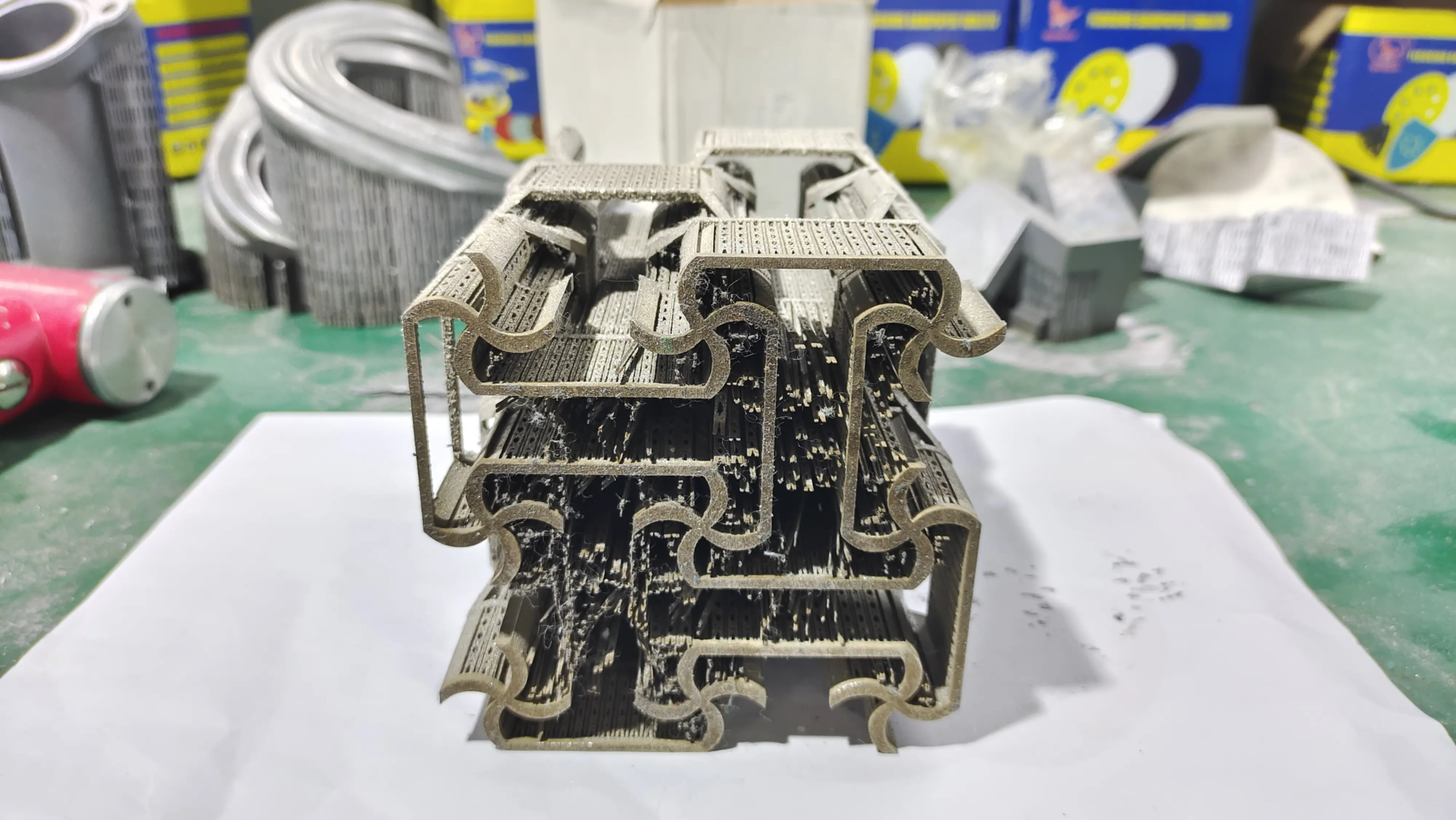
- Support removal: Complex supports used in metal additive manufacturing must be removed carefully.
- Surface refinement: Comfort is a must! Parts are precision machined, sandblasted, tumbled and polished (Mirror polishedsteam smoothing (if applicable) for a perfectly smooth surface, eliminating sharp edges or roughness that may irritate skin or fur.
- disinfect: For medical devices, a validated sterilization process.
Conclusion: Protecting Fantasy with Purpose
the future "cat armor" It’s not about knights in shining armor; Harnessing cutting-edge rapid prototyping technology to improve feline welfare. True potential lies in creating Customized, lightweight, biocompatible protection devices – Medical shields, specialized splints or minimal environmental protection – designed with maximum respect for feline anatomy and comfort.
This requires a combination of advanced veterinary medicine, precision scanning, sophisticated biocompatible materials science and state-of-the-art metal additive manufacturing capabilities – from the design of complex lattice structures using SLM to flawless post-processing. While acknowledging the technical challenges and the absolute primacy of animal welfare, the possibility of addressing specific feline conservation needs through custom 3D printing solutions is becoming increasingly apparent.
FAQ: 3D Printed Cat Protectors
Q1: Can I really order a body armor for my cat?
A1: No. Functional "armor" The context discussed here refers specifically to Custom protective cases or braces designed specifically for medical rehabilitation or Very specific, non-ballistic environmental hazards (such as a puncture or minor abrasion). Due to severe mobility restrictions, providing cats with full-body ballistic armor is impractical, unethical, and serves no real purpose for domestic pets.
Q2: What is the biggest challenge in making functional cat protection products?
Answer 2: weight and unrestricted mobility. Cats’ skeletal and musculature are incredibly optimized for agility. Even lightweight metal panels must be designed precisely to avoid impeding natural behaviors such as movement, balance or grooming. Biocompatibility and perfect anatomical fit are equally important.
Q3: What material is the safest?
A3: For direct, prolonged contact: Medical grade titanium (specifically Ti6Al4V ELI) The gold standard for its unparalleled strength-to-weight ratio, biocompatibility and corrosion resistance. surgicalstainless steel (316 liters) Also biocompatible and sturdy but heavier. Certain highly engineered polymers (PEEK CF, USP Class VI certified PA12-CF) possible Suitable for non-critical contact splints/supports, but metal generally provides superior protection to weight ratio.
Q4: Is it expensive?
A4: Creating customized guards through advanced metal 3D printing (SLM/DMLS) and complex post-processing is Inherently more costly Than mass produced products. Cost depends heavily on design complexity, material selection, print time and finishing required. It’s a premium solution for specific veterinary needs, and the customized protection far outweighs the disadvantages of traditional options.
Q5: Can GreatLight handle this kind of specialized prototyping?
A5: Yes. As an advanced rapid prototyping expert, equipped with SLM/laser powder bed fusion technology and expertise in high-performance metals (titanium, stainless steel) In terms of composite materials, Honglaite has core technical capabilities. Crucially, we emphasize:
- Expertise in designing lightweight lattice structures using metal additive manufacturing
- Precision post-processing (machining, polishing, sandblasting)
- Experience creating complex, custom geometries to tight tolerances.
- Collaborative approach – Working with veterinarians and designers is crucial.
- focus on biocompatible materials and finishing for sensitive applications. *
Q6: Are there any ready-made designs?
A6: Indeed