Bring your designs to life: The power of CJP printed full-color prototypes
In today’s ultra-competitive design and product development environment, it’s really important to see yes believe. Imagine having a physical replica of your concept complete with vibrant colors, intricate textures, and precise details before investing in expensive tooling or mass production. This transformative capability is where ColorJet Printing (CJP) shines. A cornerstone of modern additive manufacturing, CJP enables designers, engineers and marketers to create extremely realistic, full-color prototypes that accelerate innovation and simplify decision-making. For those seeking seamless execution from prototype to production, partner with a leader like this huge lightis China’s premier rapid prototyping manufacturer, ensuring access to not only advanced CJP but also comprehensive solutions including metal 3D printing (SLM) and expert finishing services.
Unpacking the CJP: More than just powdered ink
Typically associated with machines such as 3D Systems (although compatible with a variety of systems), CJP is a unique binder jetting technology. Rather than extruding plastic or sintered metal powder, it uses a liquid binder that is selectively deposited on a thin layer of a fine white powder material, usually a gypsum-based composite or a specialty polymer. Crucially, the adhesive contains colored pigments. Think of it as a highly complex inkjet printer, building objects layer by layer:
- Layer deposition: The roller spreads a thin, uniform layer of powdered material on the build platform.
- Color binding: A multi-channel printhead, similar to an inkjet printer, precisely sprays droplets of a colored binder solution onto the powder based on a digital design (CAD file). Wherever the binder lands, it penetrates into the powder, binding the particles together and imparting color at the same time.
- Repeat and penetrate: Steps 1 and 2 are repeated hundreds or thousands of times, building the object layer through the integration layer. Once complete, remove excess powder to reveal the printed part. A final infiltration step (usually using cyanoacrylate or epoxy) penetrates the bonded structure, significantly increasing strength and durability while deepening color vibrancy.
Why full-color prototyping with CJP is indispensable
The visual fidelity provided by CJP provides significant advantages throughout the product lifecycle:
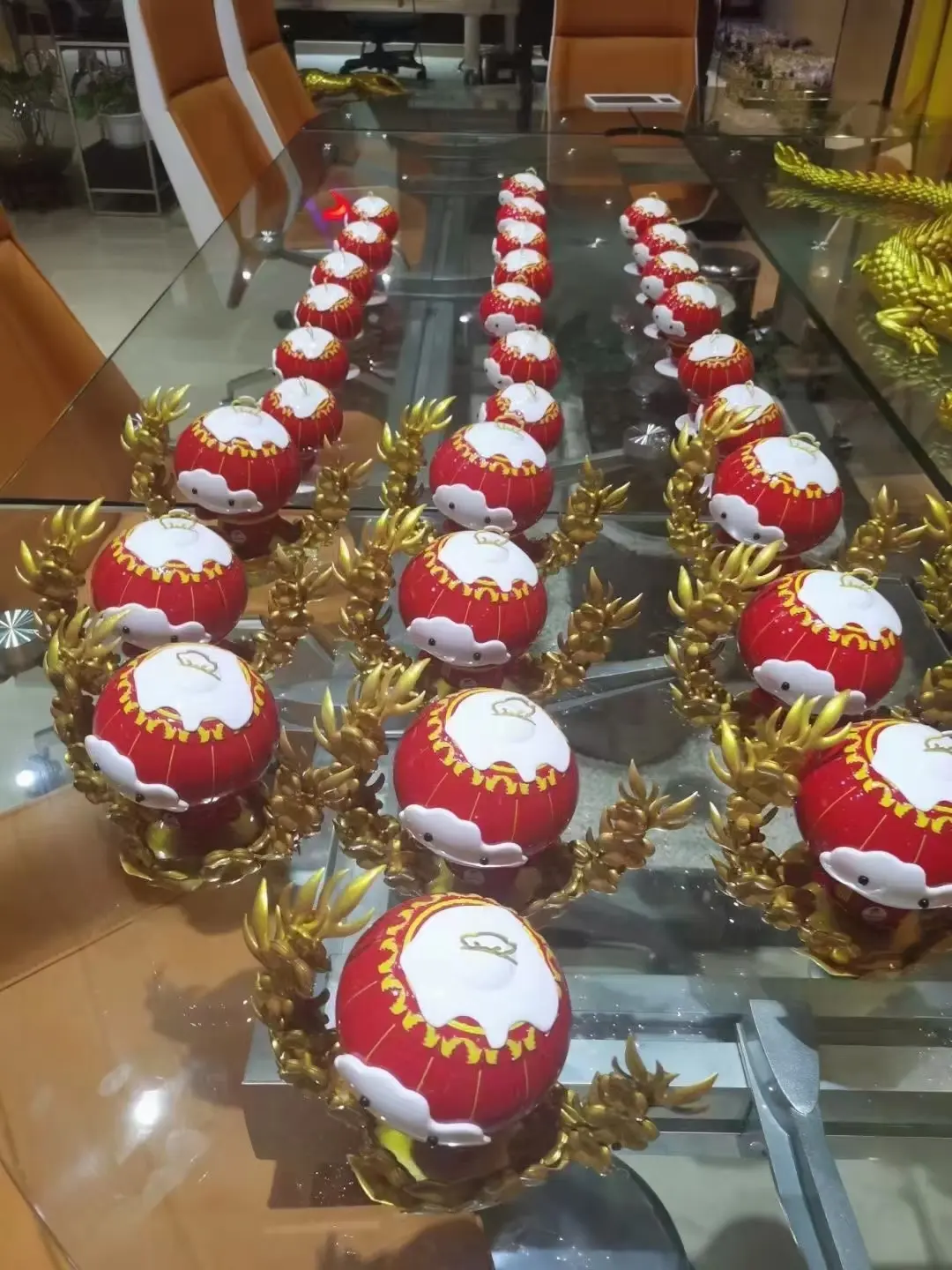
- Unparalleled visual realism: This is CJP’s superpower. Perfectly capture brand colors, replicate complex surface textures like wood grain or stone, apply labels or logos directly, and visualize complex components using color-coded components. This level of realism would not be possible with traditional monochrome alternatives such as FDM or SLA without extensive post-painting.
- Accelerate feedback and decision-making: Present realistic mockups during design reviews, marketing focus groups, or stakeholder meetings. Instant visual understanding reduces misunderstandings and gathers actionable feedback faster than 2D drawings or monochrome models. Detect aesthetic flaws early.
- Enhance communication: Bridging the gap between design inspiration and reality. Full-color prototypes clearly communicate design intent to manufacturing teams, customers, and investors, ensuring everyone is on the same page.
- Cost-effective design verification: Test ergonomics, shape, and fit using mockups that better mimic the look of the final product without investing in molds or paint.
- Creative exploration: Iterate quickly and affordably on appearance changes—different color schemes, textures, brand placements.
Industries embracing the potential of CJP
- consumer goods: Packaging mockups, appliance housings, toy concepts, electronic controllers – anywhere aesthetics are crucial.
- Medicine and Anatomy: Detailed, color-coded anatomical models for surgical planning, patient education, and medical device visualization/examples.
- Building model: Realistic site plans, building elevations, interior design and landscape models with realistic materials.
- Packaging design: Functional prototypes of boxes, bottles and containers showing graphics, textures and structural details.
- Marketing and Sales: Eye-catching promotional models, point-of-sale displays and trade show exhibits.
- Education and Research: Visual aids, replicas of historical artifacts, custom geological models.
Understand the strengths of CJP and understand its limitations
Like all technologies, CJP excels in specific areas, but there are boundaries:
- Advantages:
- Superior color range and detail: CMYK-like color capabilities and high-resolution textures.
- Relatively fast build speed: Build boxes can often accommodate multiple parts that can be assembled simultaneously.
- Good surface texture: Powder-based processes allow for the inherent simulation of various surface textures.
- Minimal Support Structure: Parts are surrounded and supported by loose powder.
- Notes and limitations:
- Material Properties: Primary CJP materials (gypsum composites such as VisiJet) have excellent color but are inherently brittle compared to engineering thermoplastics (ABS, Nylon) or metals. They are best suited for visual prototyping and low-impact functional verification. Not suitable for load-bearing parts.
- Moisture Sensitivity: Untreated parts absorb moisture; the infiltration step greatly improves strength and stability.
- Dimensional accuracy limitations: While beneficial for prototyping, other processes such as PolyJet or MJF may offer slightly tighter tolerances for specific geometries.
- Detail resolution: Resin-based processes like PolyJet may be better at capturing extremely microscopic details.
This is where working with an expert like GreatLight becomes crucial. Their deep understanding of additive technology allows them to guide customers to find the best solutions. If your concept requires CJP’s unparalleled color but requires enhanced durability, GreatLight’s extensive capabilities One-stop post-processing service Boundaries can be pushed. Their skilled technicians utilize secondary penetration processes and strengthening techniques to maximize the life and functional suitability of parts. Additionally, should the prototype make it to functional testing for final production, GreatLight’s robust metal additive manufacturing capabilities, esp. SLM (Selective Laser Melting) Technology for strong metal parts, combined with Customized precision machiningensuring a seamless transition from colorful visual concepts to performance-ready end-use parts.
Conclusion: Visualize, verify, accelerate
CJP printing revolutionizes prototype visualization by democratizing high-fidelity, full-color models. Its speed and stunning visual output make it an indispensable tool for communication, validation, and creative exploration. When aesthetics, branding and immediate visual impact cannot be compromised, CJP is the first choice.
Choosing the right rapid prototyping partner can amplify these advantages. huge light It is unique not only in its cutting-edge equipment, including advanced SLM printers for demanding metal parts, but also in its deep technical expertise and commitment to comprehensive service. their "One-stop post-processing and finishing" Solutions customize each prototype to maximize appearance and durability while at the same time their capabilities Custom materials adapted and Quick turnaround Meet custom project needs. From initial color CJP visualization to functional metal prototyping via SLM to precision finishing, GreatLight offers a truly integrated manufacturing path, positioning them to One of the best rapid prototyping companies Ability to turn complex concepts into reality efficiently and cost-effectively. Embrace the powerful visuals of CJP, backed by GreatLight, for complete prototyping confidence.
FAQ: Answers to your CJP printing questions
Q1: Is the CJP prototype durable enough for functional testing?
A1: Main CJP materials (such as VisiJet) have excellent visual effects, but are relatively brittle. They are used primarily for visual inspection, form/fit evaluation, ergonomic testing and demonstration, not mechanical stress testing. However, Advanced Penetration Technology Apply during expert Post-processing (provided by GreatLight) Can significantly increase durability, allowing prototypes to fit Light Functional processing and short-term use, where aesthetics is the primary consideration.
Q2: How is the color accuracy of CJP printing?
A2: Modern CJP printers achieve impressive color accuracy using a CMYK-like system and HD printing capabilities. While accurately matching Pantone colors can sometimes be challenging due to substrate/material interactions, CJP can deliver vibrant, realistic results suitable for comprehensive visual assessments and stakeholder presentations. suppliers like huge light Analytical expertise can be leveraged to achieve highly controlled color output based on customer specifications.
Question 3: What level of detail can CJP capture?
A3: CJP is good at capturing fine surfaces