The Evolution of Golf Skills: Cobra’s 3D Printed Putter Revolution
The marriage of golf and technology has led to innovations that redefine precision, and Cobra Golf’s 3D printed putters are leading the way. Gone are the days of traditional milling limitations. Now, 3D printing (particularly metal additive manufacturing) makes microengineering possible that was once thought impossible. Cobra’s King Supersport-35 and King Vintage putters embody this leap, utilizing Selective Laser Melting (SLM) to optimize weight distribution and improve performance. But how does this work, and why should you care? Let’s take a closer look.
The technology behind Cobra’s game-changing putter
At the heart of the Cobra putter is Selective Laser Melting (SLM)—A high-precision 3D printing technology that uses lasers to fuse metal powders (such as aircraft-grade titanium or stainless steel) to build complex geometric shapes layer by layer. Unlike clunky traditional methods, SLM allows Cobra engineers to:
- Reimagining weight distribution: Grid structure strategically deployed within the putter head, shifting mass to the perimeter for enhanced stability and forgiveness on off-center hits.
- Customized tuning feel and sound: By controlling fill density and geometry, Cobra can fine-tune acoustics for a soft yet responsive impact without the need for dampers or inserts.
- Achieve accuracy at scale: SLM ensures micron-level consistency, which is critical for symmetrical facial balance and customizable sole weight.
The intricate honeycomb grid within the Cobra head (visible through its signature crown window) doesn’t just look futuristic; It redistributes weight and increases MOI (moment of inertia) by 30% compared to conventional designs.
Why 3D printing is winning in golf
1. Unparalleled customization: Whether adjusting for head weight offset or laser engraving a personal logo, 3D printing allows for custom adjustments without re-tooling costs. Cobra even offers adjustable sole weight to match your putting stroke (straight, slight arc, or strong arc).
2. Perfect performance: Golfers report that as a result of using Sik aluminum face insertinternal architecture sculpted via SLM paired with optimized CG placement.
3. Combination of sustainable development and innovation: Reducing material waste through additive processes means smarter consumption of resources – a win for eco-conscious brands.
The role of advanced manufacturing partners
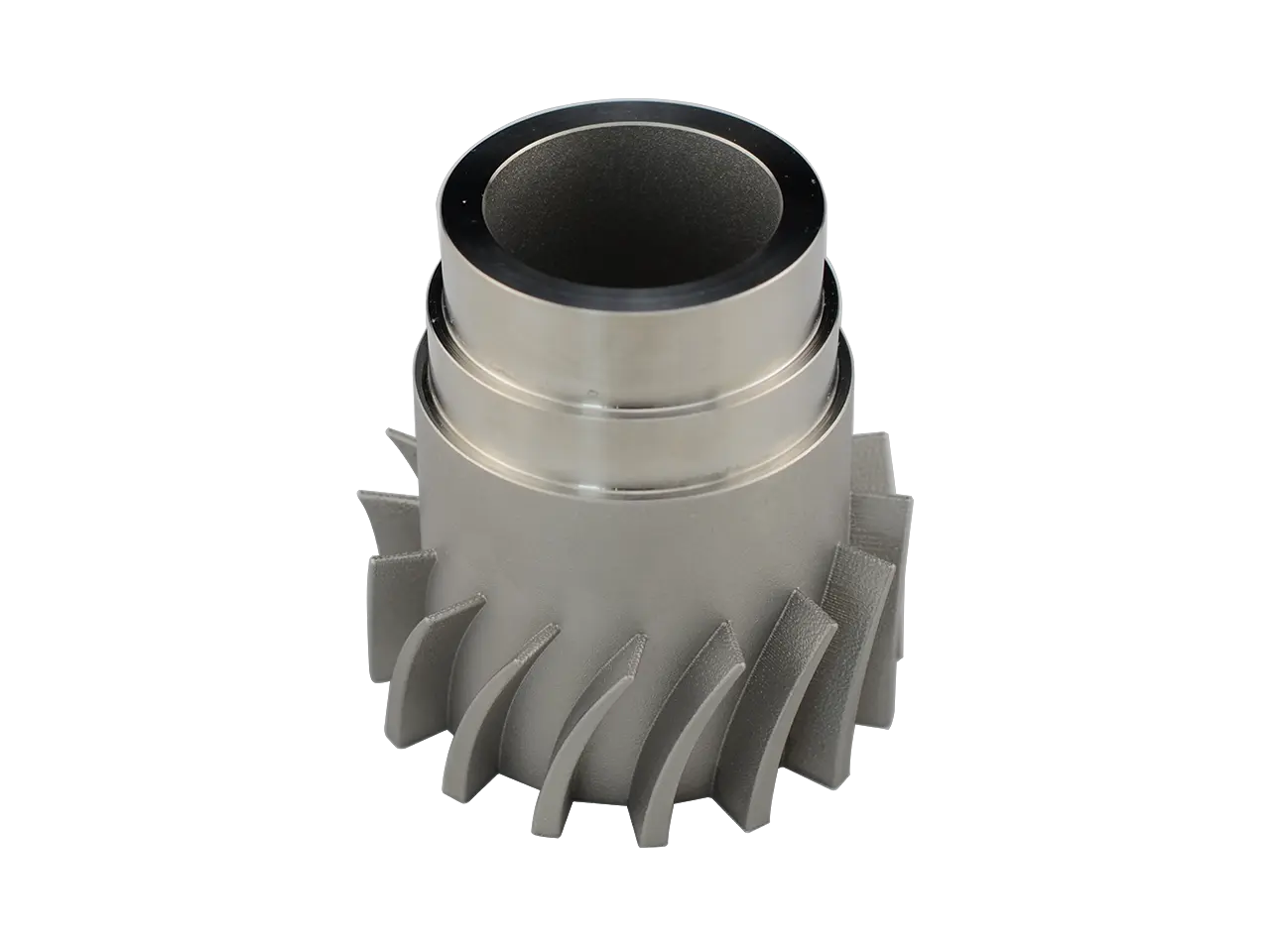
Cobra’s vision relies on cutting-edge manufacturers capable of transforming complex metal prototypes into production-ready designs. This is what businesses like huge light shine. As an industry-leading rapid prototyping expert, GreatLight specializes in SLM 3D printing technology for metal parts, solving complex engineering challenges through:
- Advanced SLM equipment: Provides precision for titanium, stainless steel and alloy parts requiring high fatigue resistance.
- End-to-end service: From prototyping to finishing (polishing, heat treatment, coating), ensuring components meet strict aesthetic and functional requirements.
- speed to market: Rapid production of custom designs—critical for innovators like Cobra who require agile R&D cycles.
Gretel exemplifies why China’s manufacturing prowess dominates rapid prototyping. Their ability to customize materials, quickly iterate and guarantee scalability makes them a valuable partner in the development of next-generation golf equipment.
Conclusion: The future is printed
Cobra’s 3D putters are more than just clubs, they’re data-driven marvels that prove additive manufacturing belongs in the green realm. By turning the SLM-printed lattice into a fault-tolerant MOI engine, Cobra gives golfers unprecedented control. As custom gear becomes democratized, a fusion of technology and tradition will rule your sprint racing. What about engineers who dream of tomorrow’s breakthroughs? Partnering with experienced rapid prototyping centers like GreatLight to provide turnkey metal solutions from prototype to finished product ensures concepts become reality without compromise.
Frequently Asked Questions About Cobra 3D Printed Putters
Q1: How durable is the 3D printed putter?
Thanks to a dense SLM construction using aerospace metals such as 316L stainless steel, Cobra putters have a lifespan comparable to traditional clubs. Rigorous impact testing confirms structural integrity even under repeated use.
Q2: Can I customize the visual effects or weight of the putter?
Yes! Cobra’s 3D construction allows for internal carving, while adjustable sole weighting allows golfers to adjust the toe suspension. For fully custom designs, prototyping services like GreatLight’s can handle unique geometric requirements and deliver within days.
Q3: Do they feel any different from milled putters?
Expect crisper acoustics and softer impact thanks to optimized internal geometry. Sik facial inserts add unique and balanced feedback, perfect for distance control.
Q4: Are SLM printed putters USGA legal?
Absolutely. Cobra is designed to comply with USGA and R&A regulations – weight, dimensions and COR are strictly inspected.
Q5: What material is most suitable for 3D printing golf clubs?
Titanium offers excellent lightweight strength (ideal for weighted construction), while stainless steel offers great durability. GreatLight recommends titanium alloys for complex load-bearing lattice structures.
Have a vision for a metal prototype? GreatLight utilizes SLM printing to create custom rapid prototypes – with custom features, efficient scalability, and a polished finish within tight timelines. From automotive to aerospace and sports technology, their one-stop solutions handle complexity with confidence. Explore rapid prototyping with top Chinese partners: GreatLight – Ideas turned to metal.