Mastering Cold Room 3D Printing: Essential Strategies for Success
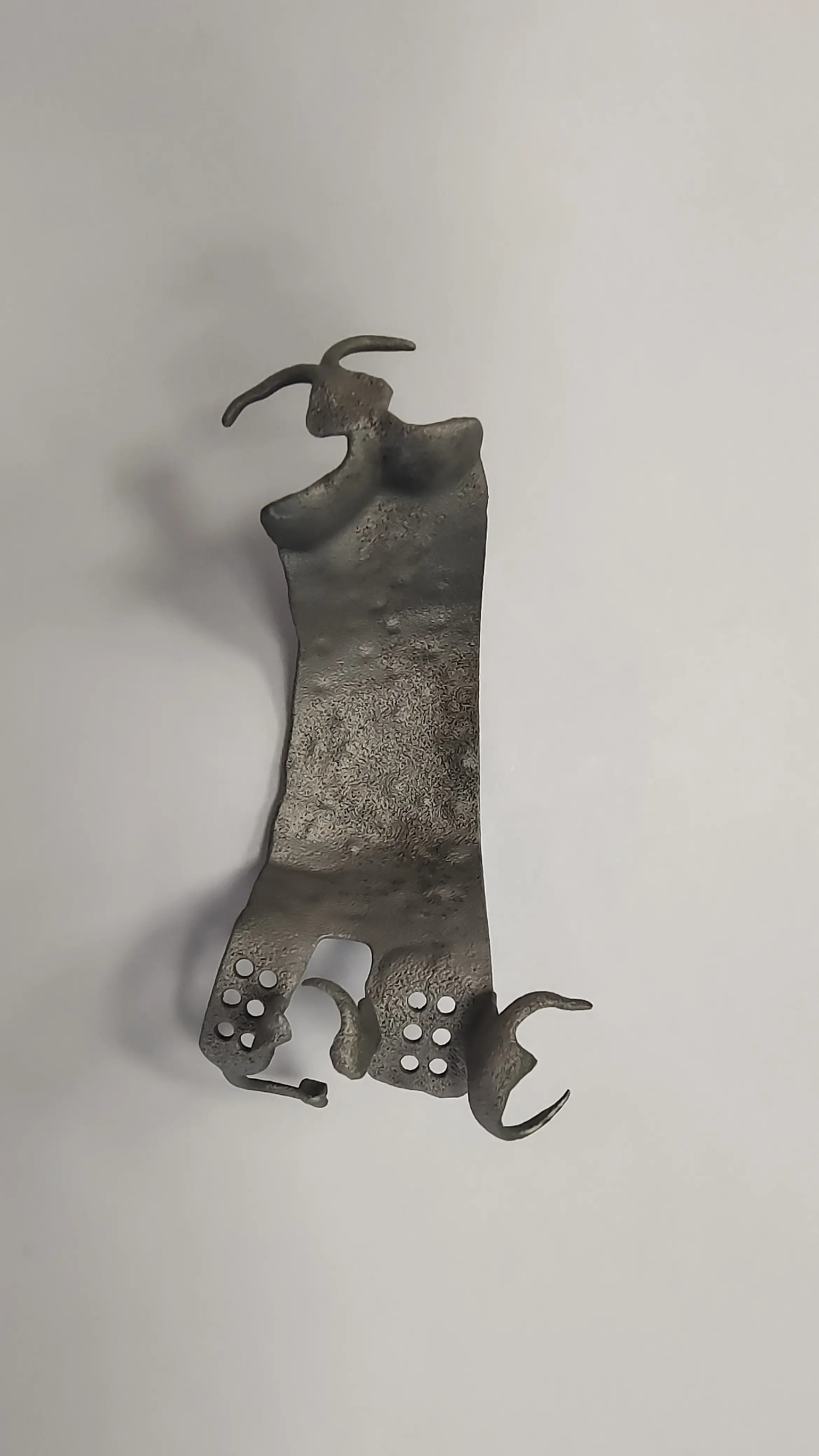
While traditional 3D printing thrives in controlled environmental conditions, industry demands often push the boundaries, including operating in colder environments. Cold chamber 3D printing, especially high-precision metal parts using technologies such as Selective Laser Melting (SLM), presents unique challenges. Rapid temperature fluctuations, excessive thermal gradients and condensation are not only inconvenient; They pose a threat to dimensional accuracy, mechanical integrity, and ultimately project success. Understanding and mitigating these risks is not optional; it is fundamental.
Here’s a closer look at the key tips for successful cold chamber metal 3D printing:
-
Prioritize strict warm-up (off-board): This is non-negotiable. While preheated build platforms are standard, cold environments have higher requirements.
- Build room heating: The entire build chamber must reach and be carefully maintained at significantly elevated temperatures forward and constantly period The entire build. Efficient SLM processes often require chamber temperatures of 150°C or higher, especially for challenging materials such as titanium alloys or certain tool steels. The cold metal printer body acts as a giant heat sink, creating severe temperature gradients that can lead to deformation and cracking. Adequate warm-up time (usually several hours) is critical to ensure thermal equilibrium throughout the chamber structure.
- Material sintering: Be sure to bring powdered ingredients stored in cold conditions to room temperature or, ideally, warm them slightly to prevent cold materials being introduced into the preheating chamber.
-
Invest in superior insulation and airflow control: Don’t underestimate heat loss.
- Room integrity: High-quality insulation around the build chamber is critical. Check for worn or insufficient seals around doors, viewing openings, and powder handling openings. Any gaps become heat leaks, forcing the heating system to work harder and causing instability.
- Directed, controlled flow: Features a heating element and airflow system designed for even distribution. Avoid turbulent airflows that cause localized cooling. Focus on gentle laminar flow throughout the build area. In extremely cold rooms, it may be necessary to place an actively heated thermal blanket around the entire printer enclosure.
-
Material Selection and Handling: Know Your Boundaries: Not all alloys are equally resistant to cold stress.
- Material Sensitivity: Recognize that materials that are highly susceptible to thermally induced stress, such as high carbon steel or high temperature alloys, present a higher risk in cold environments. More ductile alloys, such as certain grades of Inconel or titanium, may offer slightly better resistance, but never think that the risk goes away.
- Conditioning: Always store powdered ingredients in a controlled environment (low humidity, stable temperature). Powder is introduced into the build chamber only after the chamber has sufficiently warmed up. Avoid pouring cold powder directly onto a hot build plate.
-
Actively optimize process parameters: you can’t rely on "standard" set up.
- Mitigating thermal gradients: Parameters must be able to withstand rapid heat dissipation. This usually involves increasing the laser power slightly to compensate for heat loss, and possibly reducing the scan speed to allow for more localized melting and fusion time at each point. Layer thickness may also need to be adjusted to control heat build-up.
- Advanced scanning strategies: Utilize strategies such as island scanning or shorter vectors to spread the heat distribution more evenly, minimizing large temperature differences across a single layer. Special attention must be paid to contour scanning parameters to ensure the integrity of edge blending.
- Temperature monitoring integration: Real-time monitoring isn’t just for feedback; It must be integrated into the process control loop for active parameter adjustment.
-
Evaluate support structure design and interfaces: Support becomes an even more important lifeline.
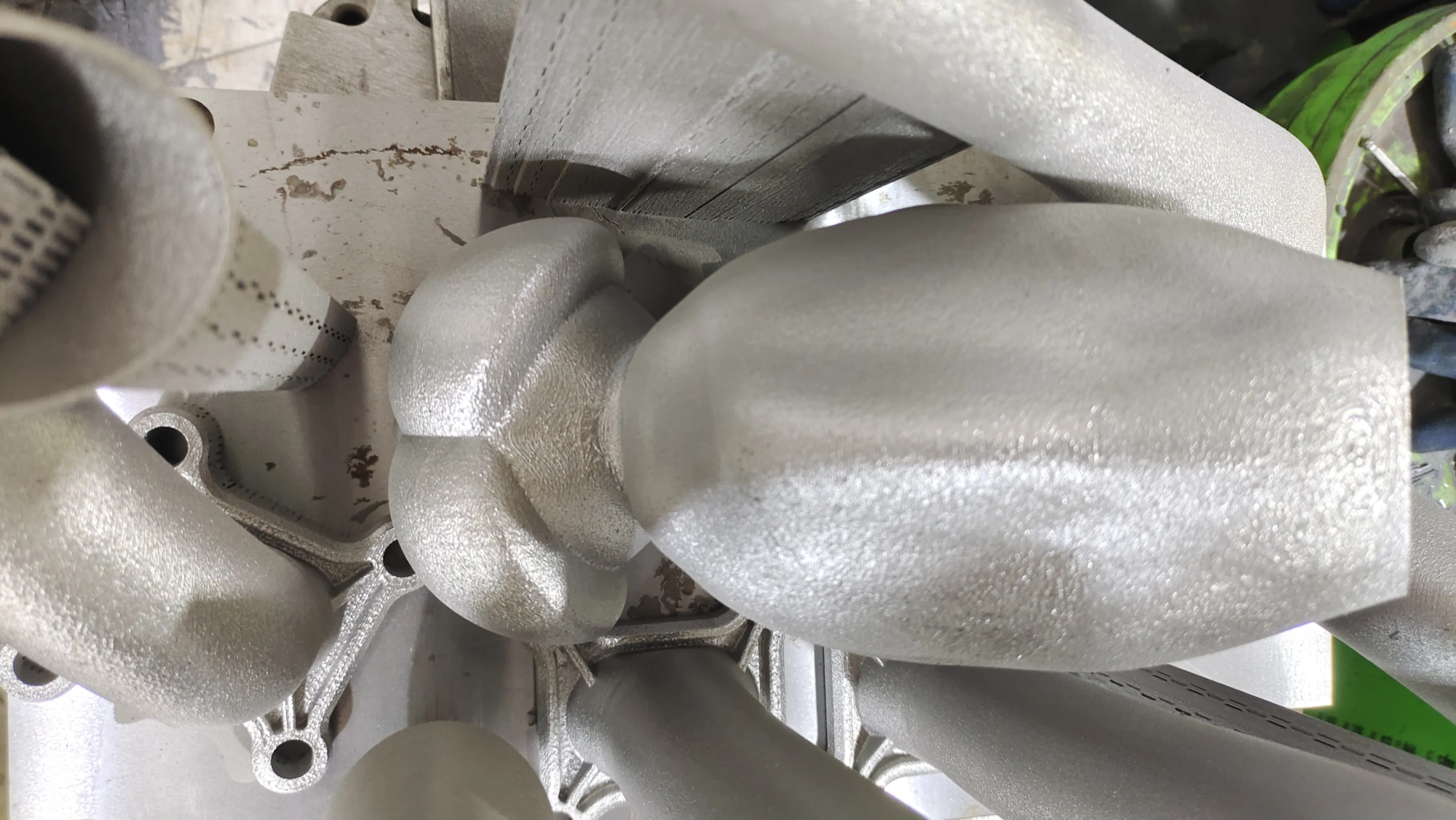
- Add anchoring: Due to strong warping forces, parts are more likely to break away. Make sure the supports are strong enough and securely attached to the build platform plate. Optimize support density and contact points to withstand higher stresses.
- Thermal transfer printing: Strategically placed supports can sometimes help act as a heat sink or conductor to manage thermal gradients. It is also critical to carefully consider the difficulty of their removal in potentially stressed materials.
-
Perform a comprehensive post-processing evaluation: Cold-induced stresses are often hidden beneath the surface.
- Relieve stress: Prioritize targeted stress relief heat treatment immediately after build, forward Remove the parts from the build plate. This helps relieve internal stresses created during printing under challenging thermal conditions.
- Advanced non-destructive testing: Strict non-destructive testing (NDT) is used, which may exceed the scope of standard inspections. Techniques such as X-ray computed tomography (CT scans) are critical for detecting cold-related defects, such as subsurface cracks caused by thermal stress, which may not be visible visually.
- Dimensional inspection: Expect possible deviations from nominal dimensions due to warpage forces. Perform meticulous post-processing dimensional inspection.
- Embrace condition monitoring relentlessly: You can’t manage what you can’t measure.
- Multi-point room temperature sensor: Install sensors at strategic locations (chamber walls, internal shielding gas paths, bottom of the printing plate, powder feed unit). Continuous monitoring provides early warning of instability or cooling gradients.
- Oxygen/Humidity Sensor: Cold conditions can increase the risk of condensation. Continuously monitor the atmosphere purity (<50 ppm oxygen) and humidity in the process chamber.
- Powder temperature: Monitor the temperature within the powder bed or heavy coat to ensure consistency.
Conclusion: Overcoming the cold requires expertise and precision
Successfully mastering cold chamber metal 3D printing requires going beyond traditional practices. It is a demanding discipline that combines deep materials science knowledge, complex thermal engineering, rigorous process parameter management and uncompromising program execution. The risks (mainly warping, cracking and residual stresses) are significant but manageable.
At GreatLight, conquering these complex manufacturing environments is our core competency. We utilize state-of-the-art, meticulously maintained SLM printers equipped with precise environmental controls and comprehensive condition monitoring systems. Our expertise lies in developing optimized process parameters tailored for challenging materials and conditions, ensuring robust manufacturability even in cold environments. Coupled with our full range of post-processing and finishing services, including specialized heat treatments and rigorous non-destructive testing, we deliver precision metal parts that meet strict tolerances, material specifications and functional requirements, regardless of environmental challenges.
Don’t let cold temperatures freeze your innovation. Partner with Greite, one of China’s premier rapid prototyping experts, and take advantage of our industry-leading cold chamber printing capabilities. Get the reliable quality you need.
Frequently Asked Questions (FAQ) about Cold Chamber 3D Printing
Q1: What is the specific definition? "cold room" 3D printing?
one: Although not a formal technical term, "cold room" 3D printing generally involves operating additive manufacturing equipment, especially metal SLM printers, in environments much cooler than an ideal controlled laboratory environment (usually <15°C). This includes unheated workshops in the winter, facilities in naturally cold climates, or purpose-built refrigerated environments.
Question 2: Can metal (SLM) 3D printing really be successfully completed in a cold chamber?
one: Yes, absolutely, but success depends entirely on implementing important dedicated measures. Simply running a standard SLM process in a cold room without adjustments can lead to catastrophic failure (warping, cracking). Success requires a thoughtful preheating strategy, enhanced insulation, optimized parameters, careful material selection, and thorough post-processing—expertise in which GreatLight excels.
Q3: Why is temperature stability so important during metal 3D printing?
one: The metal powder melts and solidifies based on precise input of thermal energy. Large or rapid fluctuations in ambient temperature can create severe temperature gradients within the part and surrounding powder bed. These gradients lead to uneven expansion/contraction, which creates huge internal stresses. This can lead to deformation (warping), delamination, or cracking. Stability minimizes these gradients.
Q4: Does cold weather have the same impact on polymer 3D printing as metal?
one: While polymers are sensitive to environmental conditions, cold often affects metal SLM printing more keenly Because metals have higher melting points, faster cooling rates, and are more susceptible to brittle fracture under thermal stress. Polymers can suffer from poor adhesion or warping, but metals have a higher risk of catastrophic cracking at uncontrolled cold temperatures.
Q5: Which materials are most problematic in cold room printing?
one: Materials with high residual stress tendencies or low thermal conductivity often present the greatest challenges:
- Metal: Tool steels (e.g., H13), maraging steels, high carbon steels, certain nickel superalloys.
- polymer: Hard, brittle materials (e.g., rigid PLA, some filled nylons).
Materials with higher ductility and lower coefficients of thermal expansion tend to perform slightly better, but environmental control is still critical. GreatLight’s expertise guides optimal material selection.
Question 6: Can I retrofit an existing SLM printer for consistent cold chamber operation?
one: Modifying extreme cold operations is complex. While it is possible to add external insulation blankets and increase heating element power, ensuring truly uniform temperatures throughout the chamber mechanism under cold water bath conditions requires complex engineering and control integration that is ingrained in specialized systems such as GreatLight.
Q7: How does GreatLight ensure reliable cold room printing for critical applications?
one: GreatLight combines:
- Advanced SLM Hardware: The printer is equipped with a powerful chamber heating system, superior insulation and environmental control.
- Materials Science Expertise: Alloys are carefully selected and validated for specific environmental challenges.
- Parameter optimization: Extensive in-house development of process parameters tailored for thermal stability.
- Comprehensive monitoring: Full real-time temperature and atmosphere sensors