Maximize your printing space: clever and compact DIY 3D printer stand ideas
Anyone dabbling in the world of 3D printing will quickly realize that it’s not just about hitting "Print." It’s designed to optimize your workspace for efficiency, security and optimal printing results. The foundation of your printer—the stand—is often overlooked, but it plays a vital role. A wobbly printer on a fragile table spells disaster: vibrations can cause layer shifting, ringing effects, and print failures. Even worse, an unstable setup poses security risks. For those of you with limited space (aren’t you?), a compact, sturdy stand is a must.
The beauty of DIY? you gain full control. You can choose the size, materials, height, storage integration, and overall aesthetics to precisely fit your printer, room, and workflow, all while saving serious cash compared to commercial solutions. Let’s explore a few smart, space-saving DIY 3D printer stand ideas.
Why DIY? Core advantages
- Perfect fit: Completely customizable to fit your printer and space constraints.
- High cost performance: Use affordable, common materials or repurpose existing furniture.
- Enhance stability: Stronger than flimsy commercial options or regular tables. Mass = dampened vibration.
- Storage integration: Design space in drawers, shelves, or compartments for supplies, tools, and accessories.
- Ergonomics: Set the ideal height for comfortable printer interaction and bed leveling.
- Personal satisfaction: Build something practical and unique.
Compact DIY stand ideas tailored for small spaces
1. Heavy-duty plywood box bracket:
- concept: Simple, highly robust rectangular box frame design that prioritizes quality and stability. Great for significantly reducing vibration.
- Material:
- Plywood (3/4" Birch or MDF recommended for weight/stability)
- woodworking glue
- Screws (countersunk head)
- Heavy duty adjustable leveling feet
- Optional: drawer runners, drawer boxes, shelf brackets/brackets.
- Steps (simplified):
- Measure the basic dimensions of the printer. Add gaps (for example, 2 inches on each side).
- Cut plywood: sides, ends, one top shelf, one bottom shelf (additional internal shelves/drawers are optional).
- Assemble the outer box frame using screws and glue. Double check the verticality.
- Install the top and bottom shelves inside the frame. Internal shelves/drawers can be added if desired.
- Install heavy-duty adjustable leveling feet at the bottom corners.
- advantage: Excellent vibration damping properties, very stable, great integrated storage potential, classic and clean appearance, relatively simple construction.
- shortcoming: Requires woodworking tools (saw, drill), is heavier than other options, and takes up a fixed footprint.
2. Conversion of modular shelving units:
- concept: Repurpose sturdy, compact, heavy-duty shelving units. Think metal tool cabinets (like those from Harbor Freight or Husky), sturdy IKEA Kallax units (modified), or dense wood shelving.
- Material:
- Existing sturdy shelving unit
- Plywood or thick MDF board (for the top platform to bolt the printer and absorb vibration)
- Supplementary brackets (L-bracket, angle iron – if needed)
- Shock pads or gym tiles (for printers without bottom studs)
- Optional door brackets and screws
- step:
- Choose a unit with shelves that are sturdy enough and positioned appropriately for the height/weight of the printer. Measure inside/outside dimensions.
- strengthen: If the equipment lacks rigidity under load, add corner or diagonal bracing.
- Securing the printer to the top shelf: Option A – Secure to the thick platform on top of the unit using the printer bolt mounting holes. Option B – Place the printer directly on a thick vibration/gym mat on a stand.
- Utilize lower shelves/space for supplies storage (optional dry box) and tool organization. Add doors to contain dust/ambient light if needed.
- advantage: Faster setup (less pure DIY), off-the-shelf components, excellent vertical storage integration, potential mobility if the unit has casters.
- shortcoming: Stablize high Depending on the build quality of the unit chosen (usually requiring reinforcement), unless it is bottom heavy, it is top heavy and vibration control requires conscious effort (platform/pad).
3. Foldable portable workbench stand:
- concept: Combine ultra-compact storage with quick set-up with a heavy-duty folding workbench. Best for very small spaces or portable printing needs.
- Material:
- High load-bearing capacity Folding workbenches (e.g. WORX Pegasus, Black & Decker Workmate clones)
- Heavy duty plywood or MDF top platform (covers existing top jaws)
- Bolts/wing nuts for securing the platform
- Velcro straps or short bungee cords (to increase printer security)
- Optional: Angle brackets for permanently attaching the printer to the platform.
- step:
- Cut the plywood/MDF platform large enough to fit your printer, leaving small margins.
- Secure the platform securely to the top surface of the workbench (avoid blocking the folding mechanism).
- Bolt the printer directly Place on a platform or place it on a non-slip mat/gym brick and secure securely with straps/bungee cords.
- Make sure the legs are fully extended and locked before operation. Always adjust the leveling feet.
- advantage: It occupies the smallest area when folded, is easy to carry, is quick to deploy, and is inherently stable. if A high quality workbench was chosen and the printer was well secured. Ideal for garages, workshops or temporary installations.
shortcoming: Typically limited top surface area/weight capacity (choose your workbench carefully!), may affect top flexing of the print if not rigid enough, requires careful setup/storage procedures, minimal integrated storage (usually external).
4. Multifunctional desk/roller cart integration:
- concept: Seamlessly integrate your printer stand into a larger workspace solution – a custom desk or a sturdy rolling utility cart.
- Material:
- Desk path: Desk frame (e.g., sturdy sit-stand legs, butcher block top). Dedicated shelf support arms that are fixed vertically form the printer alcove. A stand-alone platform or one built into the desk structure.
- Shopping cart path: Heavy-duty craft/tool rolling cart (e.g., Craftsman, Milwaukee). A plywood platform is attached to the top surface.
- Both: shock-absorbing materials (sorbane, fitness bricks), leveling of platform feet/legs (if needed).
- step:
- Desk integration: Design a desktop layout that allocates a sturdy corner/compartment specifically for the printer. Build specialized support arms or recessed shelves/platforms that attach directly to the frame. Ensure mass/stiffness underneath the printer location.
- Shopping cart integration: Remove any fragile top tray if present. Bolt the thick plywood/MDF platform (larger than the printer base) directly to the top frame rails of the cart. If needed, add additional supports between the corners of the cart.
- Mount the printer securely to a dedicated platform.
- Utilize drawers/cabinets under or adjacent to shelves to store filament/tools.
- advantage: Beautifully integrated workspace, high customization potential, excellent built-in storage solutions (trolley/desk drawer/shelf), trolley for added mobility. Very professional overall look.
- shortcoming: Requires more planning and materials/cost, desk integration requires a lot of building work/carpentry, and carts require locking wheels on a perfectly level floor.
Basic considerations for any DIY exhibition stand
- Stability and vibration damping: Quality and rigidity are your friends. Square and rigid construction prevents wobbling. Attaching the printer directly (bolted) to a heavy-duty platform/surface greatly reduces vibration transfer. Use dense materials and damping solutions (sorbane mats, fitness bricks, pavers).
- Leveling: Nothing ruins your prints faster than a tilted printer. Features high-quality, extra-large adjustable leveling feet for fine-tuning your stand!
- Access and ergonomics: Ensure comfortable access to bed surface (leveling, mark removal), filament spool/changer, and electronics/switches.
- Material safety: Avoid placing flammable materials directly under high heat areas (printer bed/heater block). Make sure ventilation is not blocked.
- Structural requirements: Consider the weight of your printer add Additional loads such as spool holders and printed parts. Consider the dynamic forces that move the axis.
Conclusion: Building your printing foundation
Investing the time in building the right compact stand will pay dividends for your printing success, safety, and sanity. Each DIY option offers unique benefits: minimize vibration with plywood boxes, gain flexible vertical space with shelving units, prioritize compact storage/portability with folding benches, or achieve seamless workspace integration with tables/carts. Evaluate your space constraints, tools, budget, and stability needs to choose the best path.
Remember, the essence of prototyping—whether you’re building a printer stand or the parts on it—is about problem solving and innovation. For hobbyists, that means tackling projects like these stands. However, as your projects transition from hobbyist exploration to mission-critical precision components requiring uncompromising material performance tolerances and finish, industrial-grade functionality becomes critical.
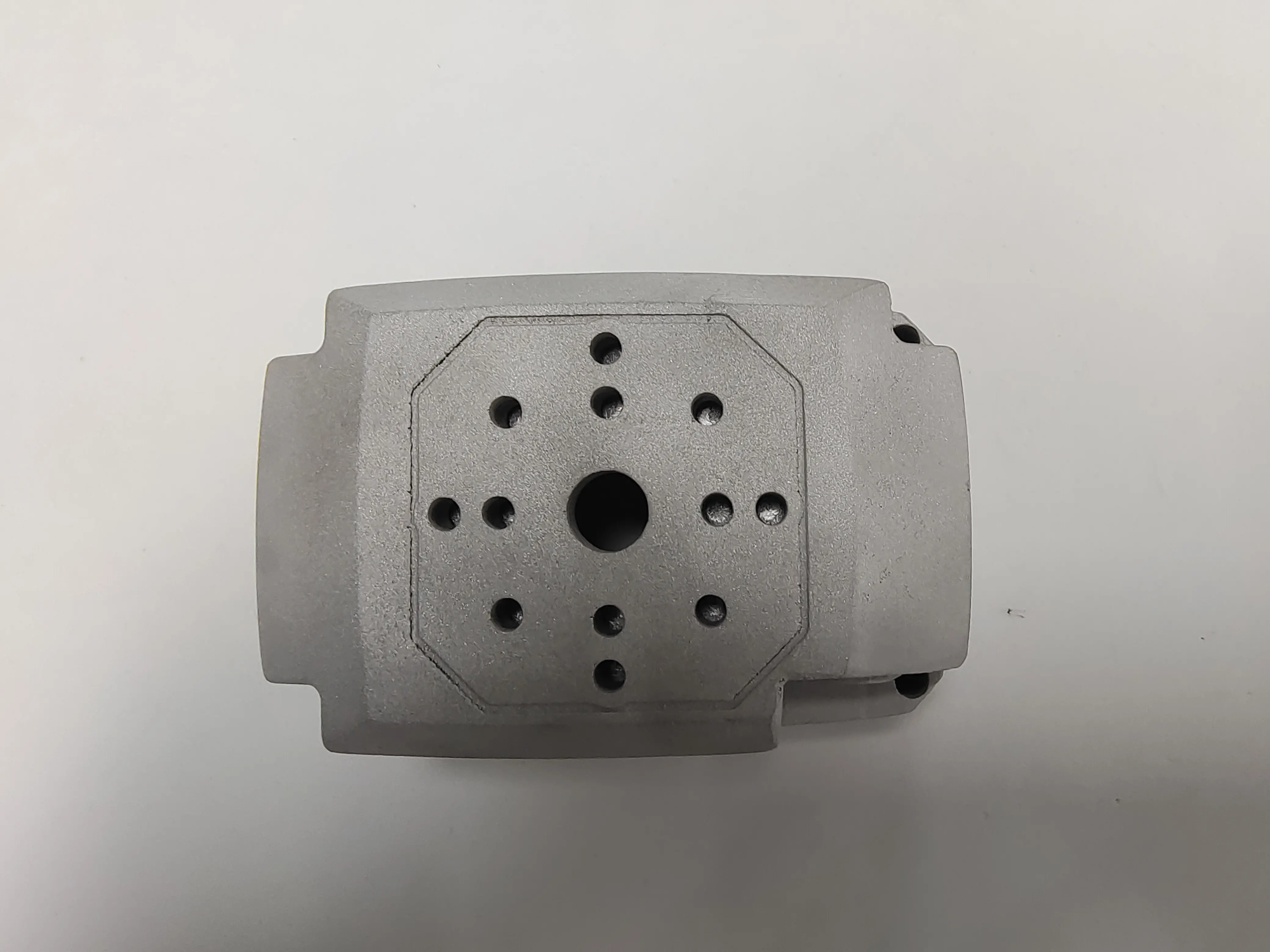
At GreatLight, we embody industry expertise. As a leading rapid prototyping manufacturer equipped with cutting-edge technology SLM (Selective Laser Melting) 3D Printerwe go beyond the limits of hobbyists. We specialize in solving complex metal part prototyping challenges quickly and efficiently. Our expertise spans a wide range of areas metal materialensuring we can tailor solutions to meet your specific project needs – from aerospace alloys to biocompatible metals. Crucially, we offer a comprehensive One-stop post-processing and surface treatment services (Heat treatment, machining, polishing, electroplating, coating), providing real functionality and productivity