introduce
In the dynamic world of 3D printing, clutter accumulates faster than layers of PLA filaments. Without thoughtful organization, filament spools, tools, calibration rulers, and prototypes can create chaos. In addition to aesthetics, effective storage, especially custom shelving, can improve printer performance, protect hardware, and increase workflow efficiency. Creative shelf designs combine DIY ingenuity with modern technology to transform tight corners into streamlined command centers. This guide delves into innovative solutions that leverage modularity, ergonomics and customization, illustrating how form and function can come together in 3D printer storage. Ready to upgrade your workspace? Let’s explore it.
7 Innovative 3D Printer Shelves Designs
Design 1: Modular Cube Grid
concept: Interlocking geometric frames (wood or PVC pipe) are drilled to accommodate snap-in brackets, creating a Lego-like structure.
feature: Interchangeable racks accommodate printers, supplies drying bins or workstations. The grid angle can be changed from 90° to honeycomb. Print custom ABS claws to grip irregularly shaped tools.
Why it works: Scalable vertically/horizontally without rebuilding – ideal for growing printer fleets. Dampers minimize vibrations.
Design 2: Floating shock-absorbing shell
concept: Wall-mounted shelves use kinematic couplings (metal balls in a tapered mount) to suspend the printer in mid-air. Internal shelves feature acoustic cork lining and acoustic foam panels.
feature: Hidden ventilation slots route cables through the rear tunnel; an air filtration system reduces particle build-up.
bonus: Add an IoT humidity sensor that triggers to activate the silicone dehumidifier inside the filament compartment.
Design 3: Robotic arm articulated frame
concept: Motorized racks on programmable slides allow the printer to be repositioned via an Arduino controller, ideal for multi-material setups.
Technical advantages: Linear rails slide the printer toward the user for easy access to the hospital bed. CAD prepared mounts accept standardized Voron/Ratrig frames.
Safety first: If an obstacle appears, the force sensor stops moving. Custom aluminum arms (laser cut) can handle loads >20kg.
Design 4: Steampunk pipe and glass hybrid
concept: Galvanized steel pipes form the scaffolding legs, which are bolted to reclaimed wood panels. CNC-engraved acrylic inserts display filigree like museum artifacts.
Practicality: Embedded neodymium magnets keep the spool vertically aligned; copper vents on the back of the printer control heat dissipation.
Aesthetic talent: Edison bulbs cast warm light onto clear drawers housing nozzles/calipers.
Design 5: Foldable kinetic energy car
concept: Foldable shelves mounted on locking casters enable a mobile printing station. Aerospace-grade aluminum folding stand is lightweight yet strong.
Design tips: Retractable legs stabilize the printer when it is stationary. Slide-out tray holds laptop for G-code monitoring. Disaster prevention tip: Reinforced legs can withstand bumps.
Design 6: Bionic Honeycomb
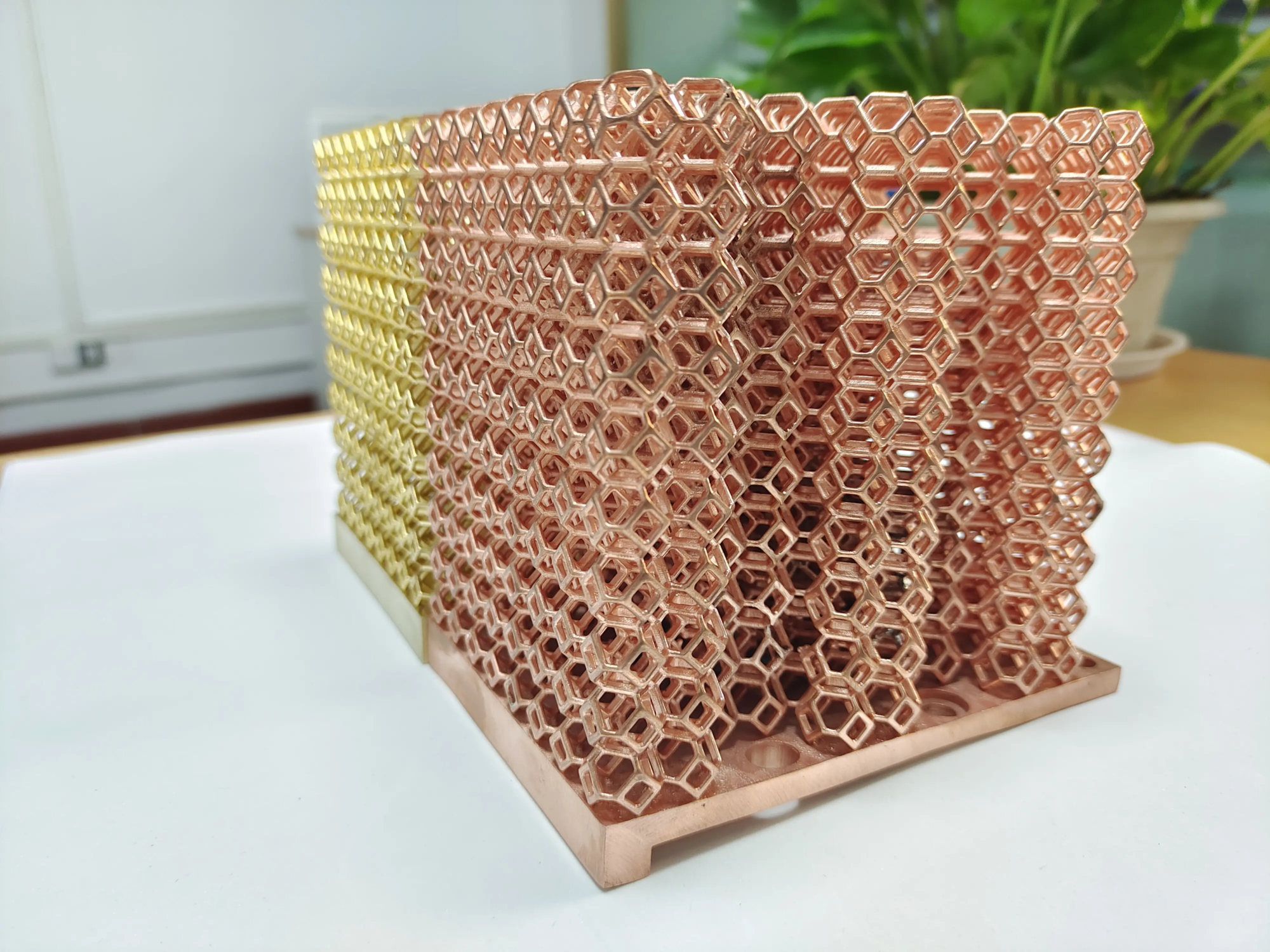
concept: Hexagonal plywood units are mounted horizontally or vertically. Each unit is nested with a tapered cavity for storing benches, screw bundles or resin buckets.
Materials science integration: PETG printed gaskets ensure controlled humidity in the chamber in the wood.
Proven stability:Voronoi mode physics optimizes load-to-weight ratio—no sag at 10kg/battery.
Design 7: Suspended Nanofactory
concept: Acrylic platform suspended from the ceiling via Dyneema ropes. The printer hovers overhead, freeing up floor space for large buildings.
Smart integration: A micro weather station on top of the rack triggers an LED warning if the ambient temperature fluctuates by more than ±2°C.
Basic tips for shelf design
- Material Compatibility:
- PLA/ABS fittings are sufficient for a lightweight setup; metal brackets (aluminum, stainless steel) provide long-lasting stability.
- Use a cork/EVA foam layer to counteract harmonic vibrations.
- Ergonomics: Position the printer at elbow height – do not bend or overextend when removing the plate.
- For the future: Allocate empty bays/scaffolding points for hardware upgrades.
- Security Compliance: Verify rated load exceeds printer weight by 40%; secure tall unit to studs/brackets.
in conclusion
Creative shelf designs go beyond clutter control—they become a collaborative extension of your workflow, blending biomechanics and artistry to increase productivity. Whether it’s a wall-mounted boom that maximizes microspace, or vibration-damping nanocapsules that maintain print fidelity, active organization can unlock the potential of printers.
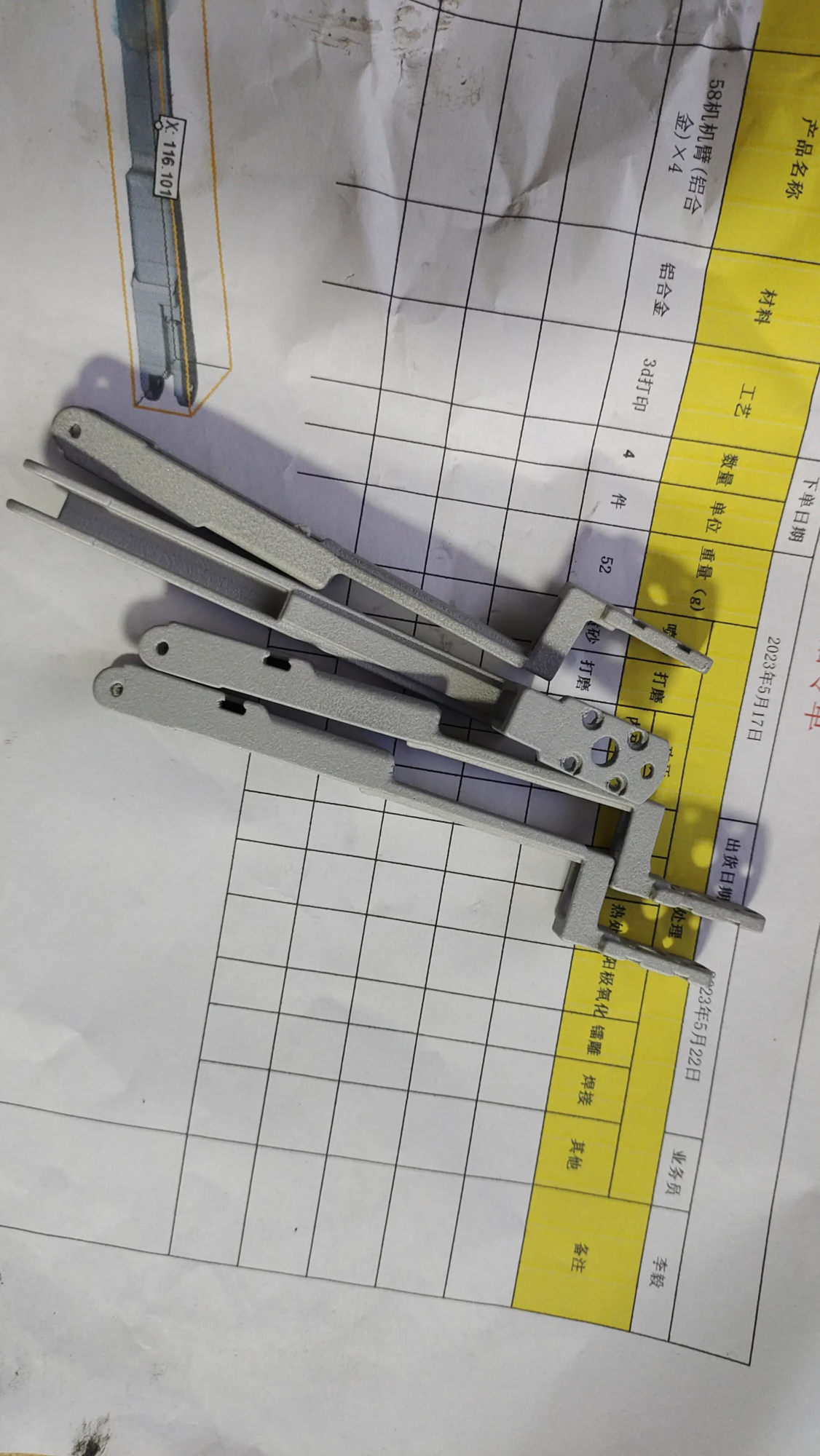
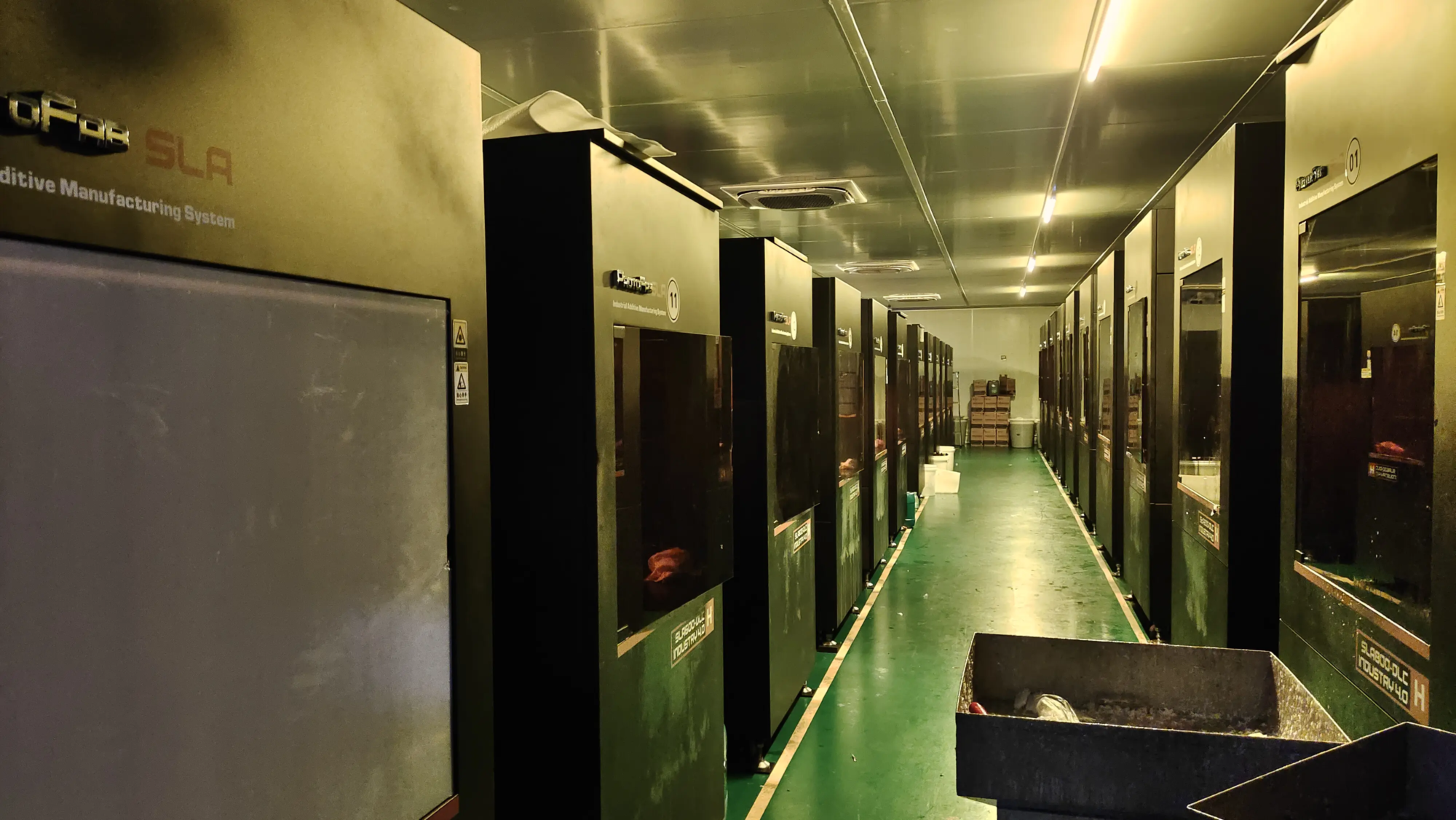
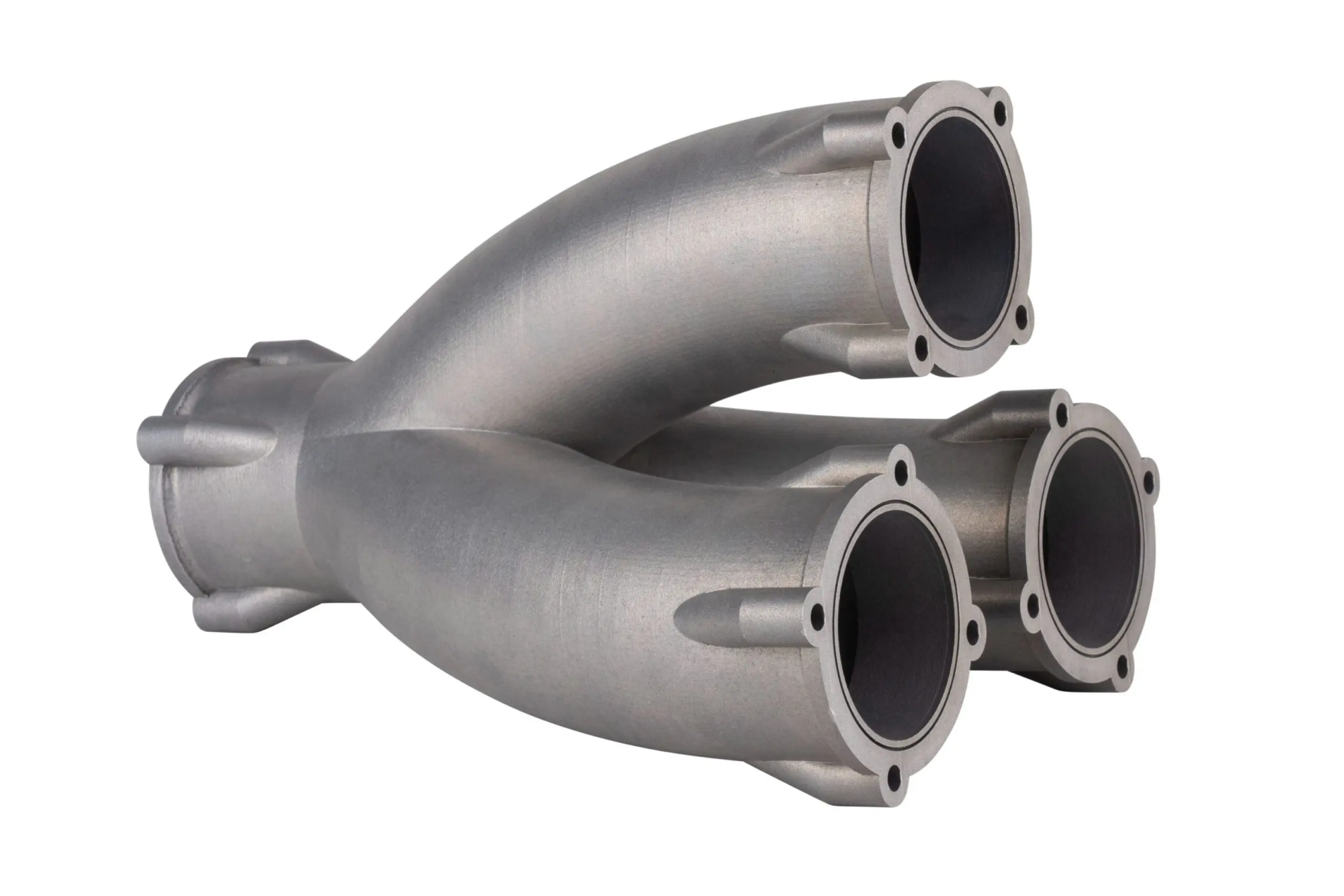
exist huge lightwe support innovators in need Sturdy metal prototype For ambitious projects. As an industry leader in rapid prototyping in China, our advanced SLM 3D printers and CNC machining centers can provide custom-designed aluminum/stainless steel brackets, housings or gears with micron-level precision. Coupled with a post-processing of sanding, sandblasting and heat treatment, we ensure the shelves will withstand decades of creative pursuits.
Precision shouldn’t be an afterthought—design with purpose. Visit GreatLight today for unparalleled prototyping solutions—where functions are born.
FAQ
Q1: Can shelves reduce 3D printing ghosting/vibration?
Absolutely. Design with weighted base, anti-resonance material (rubber/cork) and triangular geometry to counteract vibrations. Integrate Sorbothane pads between printer and surface for measurable waviness suppression.
Q2: How much clearance is required for the shelves around the printer?
Leave 10–15 cm of space on each side for airflow/maintenance access. Enclosed racks require cable routing openings and exhaust clearance to dissipate heat.
Q3: Which shelf material has the highest durability?
Laser aerospace aluminum is best able to withstand structural stresses. Cost-effective options like Baltic birch plywood gain strength when laminated with epoxy resin. Avoid using MDF in humid environments.
Question 4: How to modify the printer casing to increase functionality?
Plan ahead: embed channels for wiring, USB ports, pneumatic tubes for multi-material systems or LED light strips.
Q5: What is the rated load of the filament rack?
Each filament spool weighs on average 1-1.5 kg. If enclosure > 5 spools plus printer weight, multiply shelf capacity by 1.5x. Adapt cumulative stress predictions by consulting engineers.
Q6: Can Honglaite help manufacture custom metal shelf components?
Yes! We specialize in custom CNC/laser sintered aluminum brackets, hinges, slides and brackets to your specifications. Submit a drawing through our portal for an instant quote – most orders ship within 72 hours.
Take back your creative sanctuary. Print smart – store brilliantly. 🔧📐