Light your space: The rise of custom 3D printed light switch covers
Think about your last time Noted Your light switch cover. They may fit into the background-functional, everywhere, but completely forget. But what if this everyday object can be a statement article, a conversation starter, or a perfect match to your unique decoration? Entering the world of change Custom 3D printed light switch cover. This innovative application of additive manufacturing is turning mundane fixtures into personalized artworks and highly functional solutions.
Beyond the Basic Board: Why customize it?
Gone are the days when it was limited to standard white, almond or ivory plastic rectangles. 3D printing unlocks the universe of possibilities:
- Unparalleled personalization: This is the core of 3D printing. Design a cover with your last name, intricate geometric patterns, your favorite animal profiles, entertainment for pets’ similarities, and even your company logo for the brand’s office environment. Your imagination is indeed the limit.
- Perfect harmony with unique decoration: Have a room with old-fashioned charm, futuristic aesthetics or specific themes (like an underwater kids room or a sleek minimalist office)? Custom covers can be designed to integrate perfectly with any style, complementing rather than conflicting with textures, colors and forms.
- Enhanced functionality and accessibility: Standard switches are not always user-friendly. 3D printing allows:
- Tactile design: Fuse Braille, high contrast colors or specific textures together for users with vision impairment.
- Ergonomic mods: Create oversized toggles or rockers for easier use by those with agile challenges.
- Integrated features: Add small racks, phone stands, key hooks or night lights directly to the cover design.
- Alternative non-standard sizes and sockets: Older homes or unique devices often have switch boxes that do not meet modern sizes. A perfectly suitable custom printed cover is not a massive remodel, providing an elegant and cost-effective solution.
- Material versatility: While plastics (such as PLA, ABS, PETG) are common for their affordability and bright colors, 3D printing also offers durable nylon, wood-infused PLA, with a natural look, flexible TPU, and even a solid high-end material such as metal alloys for a truly premium feel. This allows the lid to not only match the design, but also the durability and aesthetic weight required.
From idea to installation: How does it work?
- Concept and design: It all starts with your vision. You can use free online CAD tools such as Tinkercad or work with designers. Key factors are the precise measurements (switch type, screw hole spacing, box size/department), the required aesthetics (pattern, logo, text) and features (e.g., button clearance, integrated features). Many professional prefabricated designs for a variety of topics can also be downloaded and modified online.
- Material selection: Choose according to your needs:
- PLA: Biodegradable (under certain conditions), easy to print, with a width range, ideal for most indoor applications.
- ABS: More durable, heat resistant than PLA, and slightly tricky to print (requires a controlled environment).
- PETG: Combined with the susceptibility and durability of PLA and the resistance to temperature. Switch covers (such as switch covers) are highly recommended.
- nylon: Very sturdy, flexible and durable. Ideal for parts that require toughness.
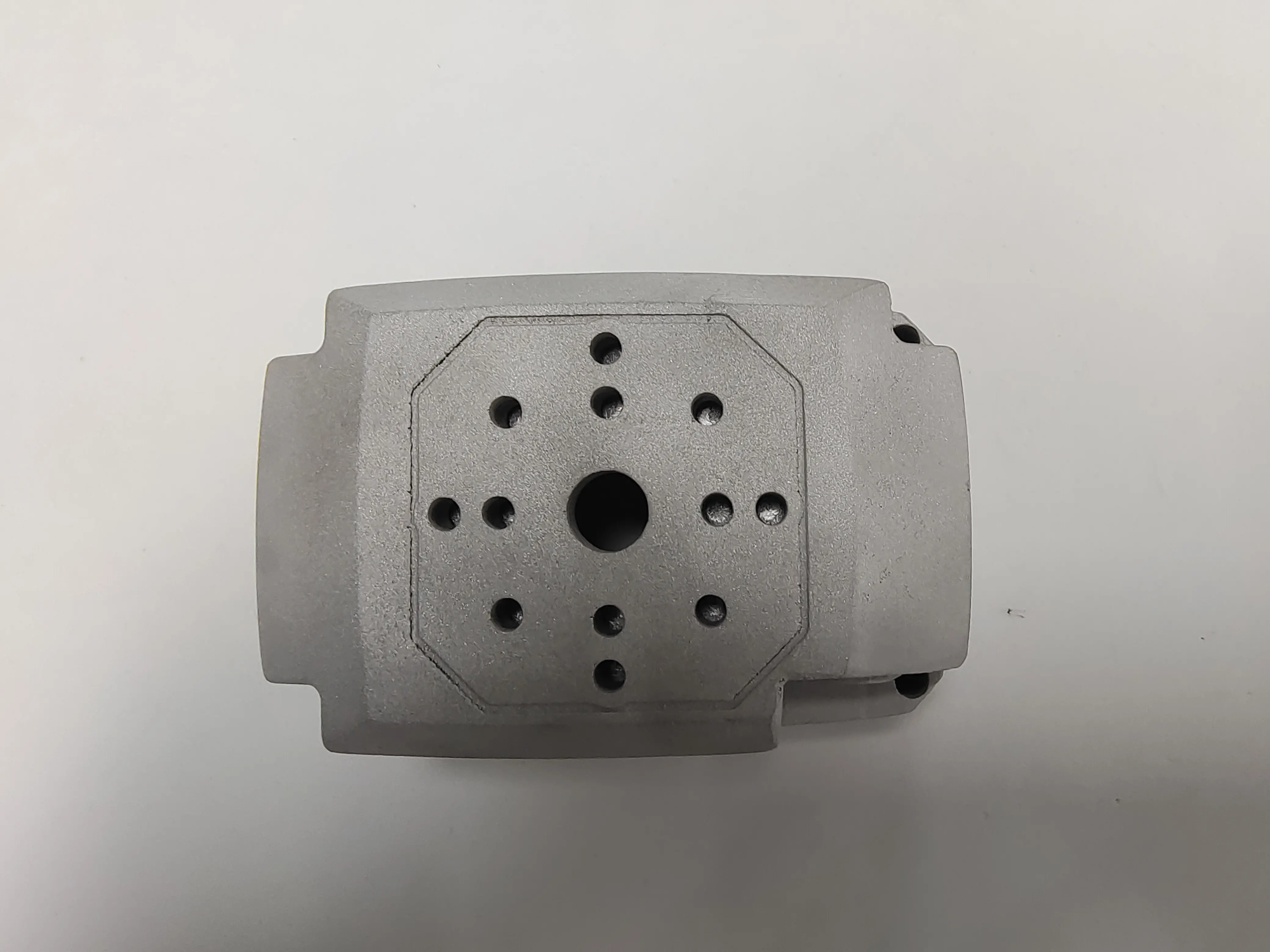
- Metal (such as aluminum, stainless steel): For ultimate durability, heat resistance (critical low-ray heat generation) and advanced conductive aesthetics. It can be achieved through technologies such as selective laser melting (SLM).
- 3D printing: Your model is cut into thin layers and printed using technologies such as FDM (Fused Deposition Modeling – Plastic Common), SLA/DLP (Stereoscopic Lithography/Digital Light Processing – High Detail Resin) or SLM (Selective Laser Melting – Metals). By layer, the cover is formed.
- Post-processing: This step lifts the part from original printing to finished product:
- Support removal: Carefully remove any temporary structures used during the printing process.
- Grinding and smoothing: Achieve the desired finish (matte, gloss, texture).
- Painting and finishing: Start and paint (for multi-color designs other than filamentous colors or metal), plating (for metal), coating a clear coat for protection, or adding textures such as artificial wood grain.
- Polishing/Hungry (Metal): For mirror finishes on metal covers.
- Install: Carefully replace the old cover with unique custom creations.
Achieve customization perfection: Work with the right manufacturer
While enthusiast printers can handle plastic covers, achieving true professional, durable and complex results, especially in advanced materials such as metals requires industrial-grade expertise and equipment. Here, working with dedicated rapid prototyping manufacturers becomes invaluable.
The company likes it Great Excellent in transforming custom digital design into high-precision physical reality. As a professional rapid prototyping manufacturer, Greatlight Loverages’ state-of-the-art industry SLM 3D Printercan use materials such as aluminum or stainless steel to produce complex metal components with excellent accuracy. This feature is crucial:
- High durability metal covering: Creating a switch cover is not only decorative, but also incredibly powerful, heat resistant, and is ideal for demanding commercial or high flow residential applications, where standard plastics can fail.
- Complex geometric shapes: Aware of the complex and ambitious design that goes beyond the standard manufacturing or hobby printer capabilities.
- End-to-end quality: Greglime not only needs to print; they provide One-stop post-processing and completion service. This means your metal covering can be polished to a brilliant sheen, beaded to produce a matte finish, plating with color or corrosion resistance, or being processed for a perfect fit and tolerance. This comprehensive approach ensures that the final product is not only printed, but perfect.
Greglight’s expertise in solving complexes Rapid prototyping of metal parts The problem directly translates into the ability to produce precisely designed functional art of custom lighting switch covers. Their quick custom processing and material selection capabilities ensure that your unique vision is effectively realized and meets the highest quality standards. For businesses looking for custom fixtures or individuals looking for top-notch custom pieces, working with the manufacturer of Greatlight Caliber provides unparalleled results.
Ideas inspire
- Theme room: Underwater scene in the bathroom, dinosaurs in the children’s room, art deco pattern in the living room, circuit boards in the technical space.
- Personal style: Relief wedding date, pet portrait, family crest, favorite quote.
- Accessibility solutions: High contrast colors (e.g., black on light walls), large toggle cover with Braille elements, oversized rocker panels.
- Commercial use: Brand covers for office lobbies or conference rooms, durable metal covers for hotels or public places, theme covers for restaurants or retail stores.
- Intelligent integration: Specific cutouts or mounts designed for cover are used for smart switch components or integrated indicator LEDs.
in conclusion
Custom 3D printed light switch covers represent the perfect intersection of personal expression and functional innovation. They break the limitations of mass-produced fixtures, allowing you to inject personality directly into the structure of your home or workspace. Whether you want subtle, elegant enhancement or bold, 3D printing can provide it. From colored plastic creations using desktop machines to solid, precisely designed metal masterpieces made with professional rapid prototyping, such as Greatlight, technology enables you to transform this everyday object into something truly extraordinary and unique. This is a small change that has an amazingly significant impact on the feeling and function of any room. Light up your space by design, design.
FAQ: Custom 3D printed light switch cover
1. Is it safe to use a 3D printing cover on my electrical switch?
- Yes, when done correctly. Safety is crucial. Select the appropriate material:
- plastic: Use flame filaments such as PC (polycarbonate), PETG-CF (carbon fiber reinforced PETG), or ensure that the standard PLA/ABS/PETG used is certified to the drop-level and UL grade. Avoid highly combustible materials. The cover must not interfere with the switching mechanism or conductive components internally.
- Metal: Materials such as aluminum and stainless steel are essentially non-flammable and excellent thermal conductors, making them very safe near switches and fixtures that produce warmth. Ensure the design maintains a safe clearance around the internals of the switch.
- Always follow electrical safety guidelines. If you are not sure, please consult an electrician.
2. What is the durability of 3D printed switch covers?
- Durability varies greatly depending on the material:
- Standard PLA/ABS: Suitable for small flow areas, but becomes vulnerable over time if exposed to large amounts of heat.
- PETG, Nylon: It is suitable for most homes with greater shadow tolerance and durability.
- Metal (Aluminum, SS): Extremely durable, scratch resistant, heat resistant and long-lasting. Ideal for commercial use, high flow areas or maximum lifespan.
3. Can I make a cover for any type of switch (switch, rocker, dimming, GFCI)?
- Absolutely! This is the main advantage of custom design. You can create covers for any standard or non-standard switch configuration – single/multi-type toggle switches, rocker switches, dimmers, sockets, combination switches/sockets, and even professional GFCI switches. You only need precise measurements or existing covers to model. For complex sockets/GFCIs (openings that require test/reset buttons), careful design is crucial.
4. How to start custom design?
- Option 1 (DIY): Carefully measure your existing cover (or the box itself), draw your ideas, and model it with beginner-friendly CAD software such as Tinkercad, or modify pre-existing templates found in the design repository (Thingiverse, Printables, Printables, Cults3d). Print yourself or use the printing service.
- Option 2 (Professional Assistance): Provide detailed requirements to freelance designers or prototype companies like Greatlight (photos, measurements, required appearance/materials/functions). They can handle complex design and manufacturing processes, including material selection, printing and professional finishing.
5. How much does a custom 3D printed light switch cover cost?
- Costs vary widely:
- Material: Plastics (PLA, PETG) are the most economical. Nylon is more expensive. Metal (especially SLM printing) command advanced.
- complex: Simple designs are priced below highly complex, multi-piece or textured designs.
- finishing: The original version is the cheapest. Grinding, painting, dyeing, metal polishing, electroplating, etc. adds costs, but can enhance aesthetics and durability.
- Manufacturer: Hobby service is cheap; professional industrial manufacturers such as Greatlime of metals are more expensive, but with higher precision and material quality. DIY is the cheapest (silk fee only).
6. Like Greatlight Print Covers, can metal companies? What are the benefits?
- Yes. Manufacturers like Great3D printing with selective laser melting (SLM) can be used to generate coverings with high-strength materials such as aluminum alloys such as ALSI10MG and stainless steel. Benefits include:
- Excellent durability and lifespan: Resistant to impact, bending and wear.
- Heat resistance: It is crucial for coverings near high heat light sources. (Metals effectively emit heat).
- Advanced Aesthetics: A high-end, luxurious feel through finishes such as mirror polishing, bead blasting or electroplating.
- Fire safety: Metals are not combustible.
- Accuracy: Industrial printers ensure a perfect fit and complex geometry that cannot be achieved with conventional metals.
7. Are there any specific design considerations for 3D printed covers?
- Key Clear: Make sure there is enough gap between the switch toggle/rod and cover opening to prevent sticking. Account screw head clearance.
- Wall thickness: Must be thick enough to achieve stiffness (usually 2-3mm minutes of plastic, for metal, depending on the design), but not thick it will interfere with the switch mechanism.
- Printing direction and support: Design needs to consider how parts are printed to minimize visible support markings on the front and ensure structural integrity. Professional manufacturers deal with this professionally.
- Screw Hole: Make sure they align perfectly with your power box.