Aquarium Enthusiast’s Secret Weapon: Custom 3D Printed Fish Tank Tools
Ever struggled to get to that spot behind the rock? Frustrated by the inability to fully grasp delicate corals or commercially available tools that fit your unique aquarium dimensions? Welcome to the common dilemma of professional aquarists. While hobbyists meticulously plan aquascapes and monitor water parameters, the tools themselves often feel like afterthoughts—mass-produced items designed for a general purpose setup. But what if your tools were as custom-made as your carefully planned aquascape? Realize your game-changing potential Customized 3D printed fish tank tools.
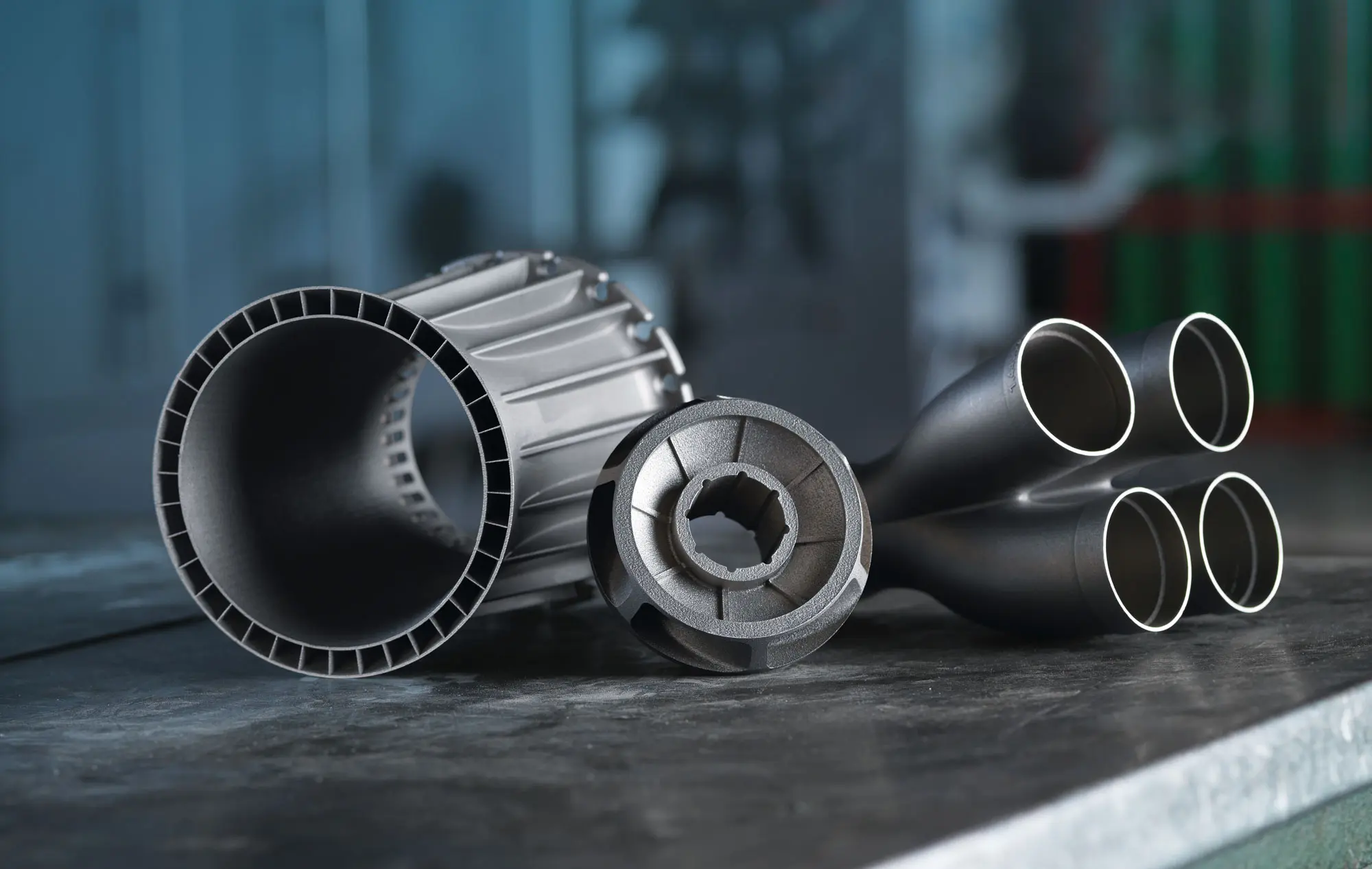
Forget generic. Imagine a tool that fits your tank, your livestock, and your needs perfectly. This is no longer a futuristic fantasy; Due to advanced manufacturing technology, especially Selective Laser Melting (SLM) Metal Printing Plus high-detailed resin craftsmanship.
Unleashing the customization potential beneath the surface
The limitations of off-the-shelf aquarium tools are well known:
- Poor fit: Tools are too long, too short, too flimsy, or simply unable to navigate complex hardscape configurations.
- Limited functionality: Need a vacuum that fits curved front glass? A scraper specifically for coralline algae at a tricky angle? Often unavailable.
- Delicate processing: Standard tools can inadvertently damage fragile corals, anemones or shrimp during maintenance.
- Specialized tasks: Tasks such as targeted feeding, coral fragmentation templates, unique probe mounts, or custom underwater mounts lack specialized tools.
3D printing removes these limitations:
- Tailor-made ergonomics: Design the right handle your It feels comfortable in the hand during long-term maintenance. The length and angle are precisely optimized according to the depth and layout of the tank.
- Master complex geometric shapes: Create complex spoons, rails, jigs or scrapers with internal channels or organic shapes not possible with traditional machining. Think of a curved scraper that fits perfectly into an aquarium corner or stand.
- Material matters: Choose materials designed for aquatic safety and performance:
- Surgical grade stainless steel (316L/V4A): Print with SLM for unparalleled strength, saltwater resistance and biocompatibility (with chemically inert post-processed version). Ideal for durable scrapers, probes, heavy-duty clamps or precision crushing jigs.
- Food safe, highly durable resin: SLA/DLP/LCD resins offer incredible detail, smooth surfaces and rigorously tested formulas proven safe for aquarium use. Ideal for complex coral handling tools, feeding cones, special scrapers for sensitive surfaces, templates and non-load bearing hangers/bases.
- Other options: Engineering plastics such as PETG (an FDA-approved variant) or specialty nylons offer alternatives for less demanding applications.
- Innovative features: Design tools with integrated features – magnetic couplings for easy replacement of parts, channels to guide water flow for spot cleaning of sand, specialized clamps for brittle invertebrates, or mounts that integrate seamlessly with the tank frame.
Why precision rapid prototyping manufacturers like GreatLight are key
Transforming your digital designs into perfect, ready-to-use tools requires more than any 3D printer. It requires precision, materials expertise, and the rigorous quality control inherent in professionals Rapid prototyping services. This is where working with an expert becomes crucial:
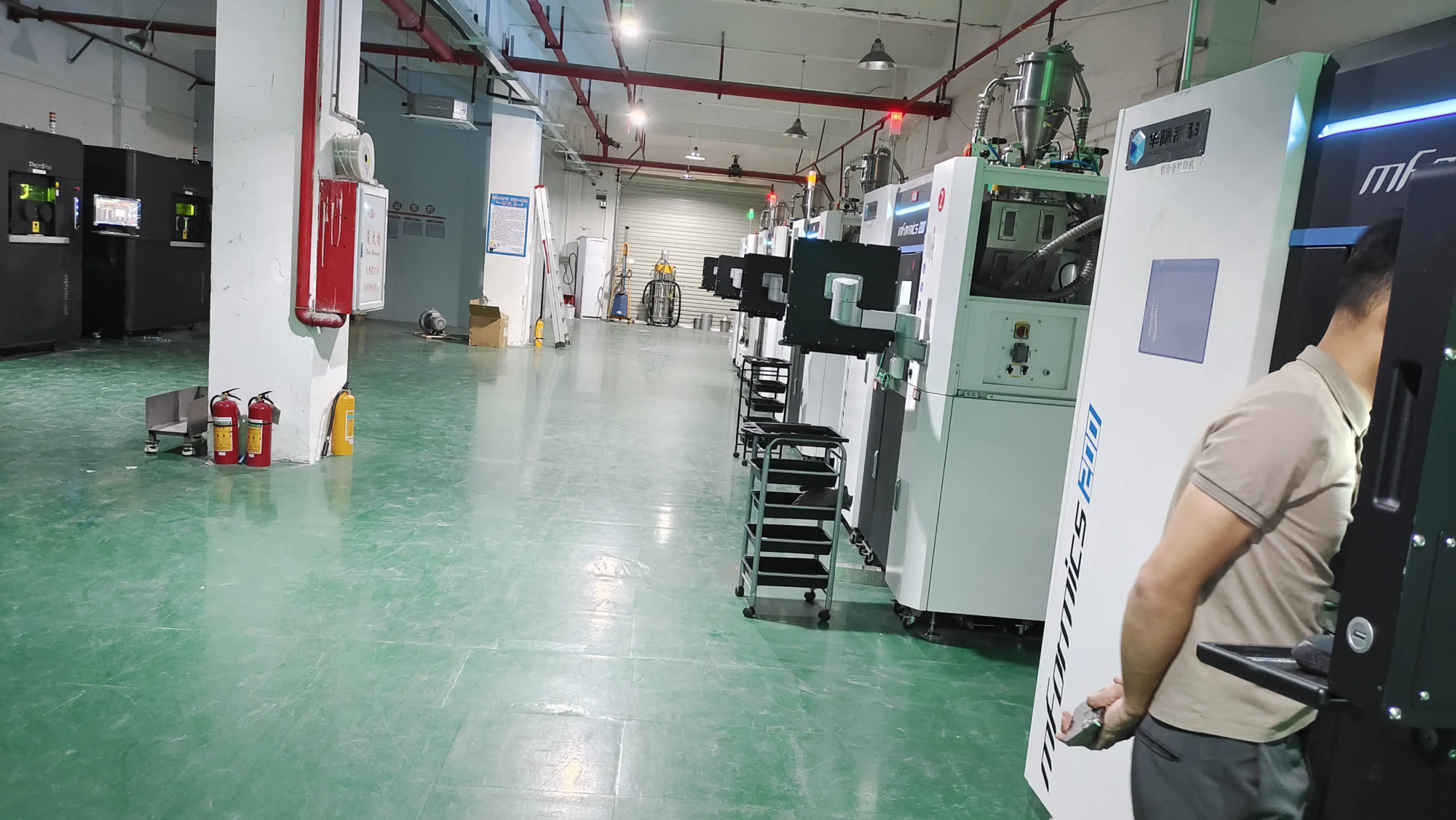
- Metal Magic with SLM: Company equipment Advanced SLM printerLike GreatLight, unlock the potential of extremely strong, dense and corrosion-resistant stainless steel tools. Surgical stainless steel (316L) printed via SLM and carefully post-processed offers an ideal combination of safety (when properly passivated/highly polished), hygiene and durability for demanding aquatic applications. SLM is capable of producing complex geometries not possible with CNC machining.
- Resin expertise: High-resolution resin printing requires precision printers that deliver micron-level detail and consistent results. Expert service ensures parts are cured properly, residues are thoroughly removed and surface prepared to achieve a smooth, non-porous surface that prevents biofilm build-up and is safe for tank residents. Post-processing such as ultrasonic cleaning and smoothing are critical for resin parts.
- One-stop post-processing: When it comes to aquarium tools, professional finishing is no compromise. This includes:
- Precision support removal.
- Smooth/polish to eliminate pores for biofilm trapping (critical for resins and metals).
- Ultrasonic cleaning removes all traces of manufacturing chemicals (vital).
- Stainless steel passivation and electropolishing (enhanced corrosion resistance and biocompatibility).
- Robust quality assurance testing for dimensions, material integrity and aquatic safety.
- Material guidance: Understanding the biocompatibility and aquarium safety of 3D printing materials requires in-depth knowledge. Reputable manufacturers understand NSF/FDA standards for food safety and aquatic toxicological effects.
Turn your custom aquarium tool ideas into reality
- Definition problem: What tasks are difficult? What areas can lead to frustration? Be specific.
- Outline your concept: Even a rough drawing can help visualize form, function, and key dimensions.
- Select core requirements: Materials (metal strength? Resin details? Chemically inert?), dimensions, key properties.
- Partners with expertise: Hire a professional rapid prototyping service such as huge light. Discuss your concepts, material issues, and performance needs. Their design engineering expertise can be leveraged if needed.
- Design, print, test: Digitally refine designs, print prototypes, and rigorously test external First is the tank.
- Refine and finalize: Iterate based on testing. Make sure final production includes appropriate post-processing to keep your aquarium safe.
- Implement and enjoy: Perform tank maintenance with unprecedented ease, precision and satisfaction!
Conclusion: A closer look at custom solutions
The aquarium hobby thrives on customization. From recreating natural biotopes to selective breeding programs, aquarists continue to push boundaries. Custom 3D printing tools represent the next logical frontier – enabling hobbyists to overcome hardware limitations and interact with their aquatic ecosystems more efficiently, effectively and safely.
Both unparalleled structural integrity and corrosion resistance SLM printed stainless steel For demanding scrapers or intricate details food grade resin For sophisticated processing tools, professional rapid prototyping can unlock possibilities that simply didn’t exist before. Working with an experienced manufacturer who prioritizes material science, precision and rigorous post-processing ensures your custom piece enhances rather than compromises your cherished underwater environment. Stop compromising on one-size-fits-all tools. Design, print and implement the perfect solution for your unique aquarium challenge.
Custom 3D Printed Fish Tank Tools – FAQs
Q1: Are 3D printing materials safe for my fish tank?
A1: Crucially, not all materials or prints are automatically safe. Security depends entirely on:
- Material selection: Use NSF/FDA certified food-safe resin or biocompatible corrosion-resistant metal such as surgical stainless steel (316L) with appropriate post-processing.
- Thorough post-processing: Basic! This removes manufacturing residues through cleaning (especially ultrasonic cleaning) and ensures a smooth, non-porous surface through polishing/smoothing to prevent biofilm build-up.
- Aquarium Certification: Make sure the material is specifically approved for continuous immersion in the aquarium (salt or fresh water). Work with manufacturers experienced in aquarium applications and material certification transparency.
Q2: Plastic vs. metal: which one is best?
A2: It depends on what the tool is used for:
- Stainless steel (SLM metal printing): Exceptional strength, durability and scratch/corrosion resistance. Great for scrapers, probes, breaking tools, durable mounts/clamps. It is less likely to harbor bacteria when polishing. Ideal for harsh saltwater environments.
- High performance resin: Offers superior detail, smooth surface, lightweight design and chemical resistance (with proper formulation). Ideal for delicate coral handling tools, complex feeding tubes